Home Blog Page 9

Why Did My Mortgage Payment Go Up

0

Why did my mortgage payment go up? Mortgage payments can increase even when you’re on what feels like a stable plan. And let me tell you, it’s a confusing and frustrating experience. A lot of people have been wondering if something was wrong, or if my lender made a mistake, or if some sneaky fee had been quietly tacked on without my knowledge.

Why Did My Mortgage Payment Go Up

In this article, I’ll walk you through exactly what can cause your mortgage payment to go up, even when everything else seems the same. I’ll explain it in simple, everyday language, no confusing financial jargon, so that you not only understand what’s happening, but also know what to do next. Whether it’s your escrow balance, rising property taxes, or an insurance spike, I’ve been through the hoops and can help break it all down for you.

So, if your latest mortgage bill left you scratching your head, stick with me. Let’s get to the bottom of this together.

How Much is Homeowners Insurance on a $150000 House
How Much Would a $1000 Payday Loan Cost
Mortgage Lenders have the Lowest Rates
Get a Loan- Find a Loan Lender
Housing Assistance Payments
Mortgage 30 Year Fixed Rate – Find the Best Rates & Info
Mortgage 0 Down – Buy a Home with No Down Payment
Loan Discharge – Understand Your Options & Eligibility
Loan Xpress Pay – Fast Online Personal Loans
Loan 3000 – Get a $3000 Loan Instantly
Loan to Pay Off Credit Cards – Consolidate Debt & Save Money
Mortgage 150k House – How Much House Can I Afford

Understanding Mortgage Payments

Before we dive into the reasons for the increase, let’s start with what makes up a mortgage payment in the first place.

Your monthly mortgage payment is more than just “renting-to-own” your house. It’s typically broken into four pieces, what mortgage folks call “PITI”:

  • Principal: This is the amount you borrowed, and each payment reduces that balance a little bit.
  • Interest: This is what your lender charges you for borrowing the money.
  • Taxes: These are your property taxes, which are often collected monthly and held in escrow.

Insurance: This includes your homeowners insurance, and sometimes private mortgage insurance (PMI) if you didn’t put down 20%.

So, when your monthly payment goes up, the culprit could be any one of these components or even multiple ones at once. For example, even if your principal and interest remain steady (as they do with a fixed-rate mortgage), your taxes or insurance premiums might have quietly crept up. And if your lender handles escrow for you, they’re allowed to adjust your monthly payment to make up for any shortage.

It’s like a bundle deal where the price can change, not because of the loan itself, but because of all the services that come bundled with it. Think of it like your internet bill going up, not because of the internet plan, but because your streaming subscription costs more now.

Understanding these components gives you clarity, and it helps you figure out which part was responsible for the higher mortgage bill.

Changes in Property Taxes

Let’s start with one of the biggest and most common culprits: property taxes.

Property taxes are set by your local government and are based on the assessed value of your home. This value can go up if:

  • Your area experiences a rise in home values
  • You add an addition or do significant remodeling
  • A new school district or community service gets funding

The tricky part? You usually don’t have control over these changes. And when taxes increase, your mortgage lender will cover the difference, at first. But then they pass the bill onto you by increasing your monthly mortgage payment.

Escrow Account Adjustments

Here’s the real kicker, and probably the biggest source of confusion for most people: escrow adjustments.

If your mortgage includes an escrow account, your lender collects a portion of your annual property taxes and insurance premiums each month, then pays those bills on your behalf when they come due. Sounds convenient, right? It is until the numbers change.

Each year, your mortgage company does something called an “escrow analysis.” They check how much they collected, how much they paid out, and whether there’s a surplus or shortage. If they find a shortage, say your taxes or insurance went up, they’ll increase your monthly payment to cover the shortfall.

Homeowners Insurance Premium Increases

You might not think about your homeowners insurance much, at least. It’s one of those things you set up when you close on your home and forget about until something happens. But insurance premiums don’t stay the same forever, and a price hike can easily answer the question: Why did my mortgage payment go up?

Here are a few common reasons your homeowners insurance might increase:

  • Inflation: Rebuilding your home today costs more than it did even a year ago.
  • Natural disasters: If you live in a region affected by hurricanes, wildfires, or floods, insurers adjust premiums to account for that higher risk.
  • Local crime rates: Higher theft or vandalism rates can trigger increases.
  • Company-wide changes: Sometimes, your insurer adjusts their pricing model across the board, and everyone gets hit.

The frustrating part? These changes can happen without you being directly involved or notified in advance, especially if your lender is handling the policy payments.

You don’t have to stick with your original provider. And if you find a better rate, you can ask your lender to switch your escrow policy. It’s a little paperwork, sure but it could save you hundreds.

So, if you’re noticing a bigger mortgage payment and haven’t checked your insurance lately, it’s time to take a look. It might be quietly eating away at your budget.

Adjustable-Rate Mortgages (ARMs) Kicking In

If you’re like me and opted for a lower starting rate on an adjustable-rate mortgage (ARM), there’s a catch, your rate doesn’t stay low forever.

Here’s how ARMs usually work:

  • You get a fixed rate for a set period (typically 3, 5, 7, or 10 years).
  • After that, your interest rate resets at regular intervals (often annually).
  • The new rate is based on a benchmark (like the LIBOR or SOFR) plus a margin.

When your rate resets, it’s almost always higher than your original rate, unless the economy tanks. And guess what? Higher rates mean higher monthly payments.

To make matters more stressful, your lender might also do an escrow analysis at the same time, leading to a double whammy of increased principal + taxes/insurance adjustments.

If you’re currently on an ARM or nearing your adjustment period, talk to your lender ahead of time. Ask for an estimate of your new payment based on projected rates. If it’s too much to handle, consider refinancing to a fixed-rate loan before the increase hits you like it did me.

Interest Rate Fluctuations

Even if you’ve got a fixed-rate mortgage, you might still be impacted by interest rate changes, especially when it comes to your escrow.

Let me explain.

The Federal Reserve doesn’t directly control mortgage rates, but it does influence them through economic policy. When the Fed raises interest rates to curb inflation, mortgage lenders usually follow by increasing borrowing costs.

Now, if you have a new escrow analysis during a time of high rates, and you’re renewing homeowners insurance or paying taxes that have gone up, the cost to carry your escrow goes up, too. Lenders want to ensure they’re collecting enough in advance to cover rising costs. So even with a fixed principal and interest, your total monthly payment might rise to reflect these updated calculations.

Also, if you’ve got an ARM or are in a hybrid loan product, rising rates can spike your monthly payment dramatically once your introductory period ends.

If you’re shopping for a home now, it’s smart to factor in the current interest rate trends and build some cushion into your monthly budget. If you already own, and you’re wondering, Why did my mortgage payment go up when I didn’t do anything? rate fluctuations might be part of the answer, even if you didn’t directly change your mortgage.

Missed Escrow Payments or Shortages

Have you ever missed a bill and not even realised it? This kind of situation can sneak up on you. When your escrow account runs short, lenders typically do one of two things:

  1. Send you a shortage notice and ask for a lump-sum payment.
  2. Spread the difference over the next 12 months and increase your monthly payment.

Guess what? They’re allowed to do this even if the shortfall wasn’t your fault.

Common reasons for escrow shortages:

  • Mid-year increases in property taxes or insurance
  • One-time supplemental tax bills
  • Previous under-collection due to estimation errors

The tough part is that most people don’t think to review their escrow activity until something changes. But once you get that letter or see that new mortgage amount, it’s too late to avoid the hike.

So, if you’re facing an unexpected increase and your lender says “escrow adjustment,” don’t panic—but do ask to see the analysis. You might even catch a mistake.

Supplemental Property Taxes

So, what exactly are these?

When you buy a home, especially in areas where home values are rising fast, the county may reassess the property’s value after the sale. If that new value is higher than what was previously assessed, you’ll owe taxes on the difference. And that tax bill? That’s the supplemental tax.

You might also get hit with this after doing renovations or adding square footage, basically anything that increases your home’s value and changes the assessor’s view of what your home is worth.

A few key things to remember:

  • Supplemental bills are one-time, but they can cause permanent monthly increases if they trigger a higher valuation.
  • Your escrow account will absorb it initially, but you’ll repay that cost over time through higher payments.
  • You can appeal the reassessment, though it’s not always successful.

So if you’re asking, “Why did my mortgage payment go up?” and just recently bought your house or renovated it, this could be your answer. Keep an eye out for any mail from the county assessor it may not look like much, but it could affect your wallet in a big way.

Recalculated PMI (Private Mortgage Insurance)

PMI is meant to protect the lender, not you. And if you’re still paying it, it’s usually tacked onto your mortgage payment. But it doesn’t always stay the same.

Here’s what can cause your PMI cost to change:

  • Loan-to-value (LTV) ratio changes: If your home value decreases or you refinance, your lender might reassess your risk.
  • Escrow analysis: Sometimes your servicer includes PMI in your escrow account, so changes in policy or fees affect your monthly payment.
  • Lender recalculations: Occasionally, mortgage companies adjust how much PMI they’re collecting based on updated guidelines or risk metrics.

If you’re still paying PMI, here’s what you should do:

  • Request a new appraisal if you believe your home’s value has increased.
  • Track your loan balance, and once you reach 80% LTV, contact your lender about removing PMI.
  • Review your escrow breakdown to understand how much PMI you’re actually paying.

Sometimes, your mortgage payment goes up simply because of a line item you forgot was even there, or didn’t realize could change. PMI’s a perfect example of that.

Home Improvements or Remodeling Projects

Here’s the deal: when you renovate or expand your home, your local assessor may reevaluate your property. If the renovations add value, they can lead to higher property taxes. And remember, your lender includes those taxes in your escrow account. So as the taxes rise, so does your mortgage bill.

You might think smaller updates like replacing windows or upgrading your bathroom won’t be noticed. But municipalities often track building permits, and once those get filed, assessors can use them as triggers to revalue your property.

How improvements can lead to mortgage increases:

  • Bigger footprint = higher value = higher taxes.
  • Permit filings alert the assessor’s office.
  • Your escrow gets recalculated to reflect the new tax bill.

Pro tip? If you’re planning improvements, budget for a possible increase in property taxes down the line. And check if your city posts property data updates; some give you a heads-up before the bill lands in your mailbox.

Flood Insurance Requirements Added

This can happen if FEMA updates its floodplain maps. Maybe a recent storm caused re-evaluation, or maybe your area is now considered at greater risk. Either way, once your home lands in a flood zone, lenders are required by law to make you carry flood insurance.

And if your lender manages your escrow account, they’ll buy the policy and charge you monthly. You don’t get to vote on it.

You’ll likely get:

  • A notification from FEMA or your lender.
  • A deadline to provide proof of insurance, or they’ll purchase it for you.
  • A new monthly amount that includes flood insurance premiums.

If your mortgage suddenly increases, and you receive any notices about new insurance requirements, check FEMA’s Flood Map Service Center online. You can search by address and confirm if your zone has changed.

Don’t just accept the new charges without question; sometimes they’re unavoidable, but other times, they’re fixable with the right paperwork.

Mistakes by the Mortgage Servicer

Sometimes the reason your mortgage payment went up has nothing to do with taxes, insurance, or interest rates. It’s just plain human (or system) error.

Mistakes like this can happen more often than you’d think:

  • Payments applied to the wrong account
  • Escrow analysis done with outdated or incorrect data
  • Duplicate insurance charges
  • Incorrect property tax entries

The worst part? If you don’t catch it and dispute it fast enough, you’ll keep paying the inflated amount. And if you miss the increased payment or can’t cover it right away, it could lead to late fees or even a ding on your credit.

So here’s what I learned:

  • Always compare your escrow analysis to your tax and insurance statements.
  • Ask your servicer to explain every line if something seems off.
  • Document every call, email, and person you speak with.
  • Ask for a refund or adjustment if they admit fault.

Mortgage companies handle millions of accounts. Mistakes slip through the cracks. But it shouldn’t cost you money. Be your own advocate and stay on top of your statements. If something looks fishy, speak up. You’re not being annoying you’re protecting your home and your wallet.

How to Avoid or Minimize Future Increases

Here’s what could help you:

1. Review Your Escrow Analysis Every Year

Don’t just toss that envelope. Open it. Read it. Compare the numbers to your property tax bill and insurance statement. If anything seems off, call your lender.

2. Shop for Homeowners Insurance Annually

You’d be shocked how much rates can vary. I saved $500 a year by switching providers. That lowered my escrow requirement and trimmed my mortgage payment back down.

3. Appeal Property Tax Assessments

If your county raises your assessed value, you can fight it, especially if similar homes nearby are valued lower. Provide sales data and photos, and file your appeal within the deadline.

4. Track Your Escrow Balance Online

Most mortgage portals let you see your escrow activity in real time. I check mine every quarter now just to stay ahead of any creeping charges.

5. Refinance into a Fixed-Rate Mortgage

If you’re on an ARM and your payment just jumped, consider locking in a fixed rate. Even if the rate is slightly higher now, the stability can bring peace of mind.

6. Avoid Major Renovations Without Budgeting for Tax Changes

Plan ahead. If you’re adding a room or upgrading your kitchen, talk to a local tax consultant or your assessor’s office about potential tax implications.

Staying ahead of the curve doesn’t eliminate every risk, but it sure reduces the chances of being blindsided by a ballooning mortgage bill.

When and How to Dispute Escrow Changes

Can you dispute an escrow increase? The answer is yes, but you need to know how and when to act.

First off, understand the basis of the increase:

  • Did your insurance premium rise?
  • Were your property taxes reassessed?
  • Is there a miscalculation in the escrow projection?

Steps to Dispute an Escrow Adjustment:

  1. Request the full escrow analysis. Your lender is required to provide this annually, or upon request if there’s a major change.
  2. Compare numbers. Get copies of your latest tax bill and insurance declaration page. Do the figures match what’s in the escrow breakdown?
  3. Call your servicer. Ask for clarification on any discrepancy. Take notes during the call date, time, and representative name.
  4. Submit a written dispute. If they refuse to fix a mistake or if you’re still confused, send a certified letter requesting a formal review. Include documentation backing your claim.
  5. Contact a housing counselor or CFPB if needed. If your dispute goes unresolved, a HUD-approved housing counselor or the Consumer Financial Protection Bureau can step in.

Yes, you can dispute an escrow increase, just be persistent and detailed. It’s your money, after all.

FAQs

Why did my mortgage payment just increase?

Mortgage payments can go up due to rising property taxes, increased insurance premiums, escrow shortages, or rate adjustments if you have an ARM. It can also be due to administrative errors or changes in PMI.

Why did my escrow go up $400?

Your escrow account collects money for taxes and insurance. If either of those increased or if your lender paid more than expected you’ll have to cover the shortfall. That often leads to higher monthly payments until the balance is corrected.

How can I stop my mortgage payment from increasing?

You can’t stop all increases, but you can reduce the risk by regularly reviewing your escrow analysis, shopping for better insurance, disputing property tax assessments, and removing PMI when possible.

Can you dispute an escrow increase?

Absolutely. If you believe there’s an error in your escrow calculation, request a detailed analysis, compare it to your tax and insurance statements, and contact your servicer. If unresolved, escalate to a housing counselor or the CFPB.

Is refinancing a good option if my payment keeps rising?

It can be, especially if you’re on an ARM or high-interest loan. Refinancing into a fixed-rate mortgage may offer more stability. Just weigh the closing costs and long-term savings before deciding.

Conclusion

So, why did my mortgage payment go up? It’s a mix of higher property taxes, a bump in insurance premiums, and an escrow miscalculation. Also, it might be an ARM reset, a flood zone change, or even a simple error by your servicer.

The key is knowing where to look and not being afraid to ask questions. Don’t accept every change at face value. Review those escrow statements, compare them to your actual bills, and push back when things don’t add up. You work hard for your home and your peace of mind. You deserve to understand every penny you’re being asked to pay.

If you’re staring at a higher mortgage statement right now and wondering what happened, take a deep breath, pull up your documents, and start asking questions. You’ve got this.


How Much Do Braces Cost Without Insurance

0

How much do braces cost without insurance? You start noticing your teeth aren’t quite as straight as they could be, or maybe your dentist hinted that orthodontic work would help your bite. But without insurance, the first thought that comes to mind is, “What’s this going to cost me?” That question alone can send a chill down your spine, braces are notorious for being pricey. But here’s the truth: they don’t have to be unaffordable if you understand your options.

How Much Do Braces Cost Without Insurance

In this guide, I’m going to walk you through everything, from the average cost of braces without insurance to the cheapest ways to get them.

How Much is Homeowners Insurance on a $150000 House
How Much Would a $1000 Payday Loan Cost
Mortgage Lenders have the Lowest Rates
Get a Loan- Find a Loan Lender
Housing Assistance Payments
Mortgage 30 Year Fixed Rate – Find the Best Rates & Info
Mortgage 0 Down – Buy a Home with No Down Payment
Loan Discharge – Understand Your Options & Eligibility
Loan Xpress Pay – Fast Online Personal Loans
Loan 3000 – Get a $3000 Loan Instantly
Loan to Pay Off Credit Cards – Consolidate Debt & Save Money
Mortgage 150k House – How Much House Can I Afford

Understanding the Basics of Braces

Before we talk dollars, let’s get something straight, literally. Braces aren’t just about looks. Sure, a straighter smile can give your confidence a major boost, but braces also fix serious dental issues like overcrowding, overbites, underbites, and jaw alignment problems.

There are different types of braces, too. Some are traditional metal brackets (you’ve seen them), while others are nearly invisible. Each one works differently and has its own price point.

Here’s the kicker, braces aren’t just for kids anymore. More and more adults (like you and me) are opting to straighten their teeth later in life. Adult orthodontic treatment often takes a little longer and can cost more because our bones aren’t as flexible as teens’. But it’s still totally doable.

So whether you’re dealing with crowding, gapped teeth, or bite issues, braces can be a game-changer for your dental health and confidence.

The Real Cost: How Much Do Braces Cost Without Insurance?

Here’s what you really came for, how much do braces cost for adults without insurance? Well, brace yourself (pun intended), because the numbers might surprise you.

On average in the U.S., the cost of braces without insurance ranges between $3,000 and $7,000. Yeah, that’s a wide range, but here’s why: every mouth is different. The cost depends on how complex your case is, how long your treatment will take, and which type of braces you choose.

Here’s a basic cost breakdown to give you a rough idea:

Type of BracesAverage Cost (No Insurance)
Metal Braces$3,000 – $6,000
Ceramic Braces$4,000 – $7,000
Lingual Braces$8,000 – $7,500
Invisalign (Clear Aligners)$3,000 – $7,500

Another thing that affects price? Your orthodontist’s experience and your geographic location. A clinic in Manhattan is gonna cost more than one in a small town in Kansas. Also, some orthodontists include retainers and follow-up visits in the total price, others bill them separately.

If you’re not insured, most orthodontists do offer some form of payment plan (we’ll talk more about that later), which spreads the cost over months or even years.

Braces Cost State by State: A Look at Texas

How much do braces cost in Texas without insurance? If you live in the Lone Star State, you’re actually in luck compared to places like California or New York.

In Texas, the average out-of-pocket cost for braces without insurance typically runs from $3,000 to $5,500 for standard metal braces. Invisalign or ceramic options can bump that up to around $4,500 to $7,500, depending on the complexity.

Why’s it cheaper in Texas? Part of it is the lower cost of living, and part of it is market competition. There are a lot of dental clinics and orthodontists in metro areas like Dallas, Houston, and Austin, so you’ve got options, and that drives prices down.

Some clinics even offer discounts for upfront payments or special promotions for first-time patients. If you’re in Texas and don’t have dental insurance, shop around. Don’t be afraid to ask, “Is that your best price?” You’d be surprised how often clinics are willing to negotiate.

So yeah, in Texas, you might be able to get braces for significantly less than the national average.

Adult Orthodontics: What’s the Price Tag?

Now here’s the thing most people don’t realize, how much do braces cost without insurance for adults is usually higher than it is for kids. Why? Because adult teeth are more stubborn. They’ve been sitting in the same position for decades, and it takes more time and effort to shift them.

As an adult, expect to pay around $4,000 to $7,500 for traditional braces. Invisalign or clear aligners might cost more depending on how complex your treatment is. If you want less noticeable options like lingual braces (brackets placed behind the teeth), brace yourself for costs between $8,000 and $10,000.

And if you think you’ll get the same fast-track 12-month fix like teens do, sorry, that’s rare for adults. Most of us need 18 to 30 months of treatment.

But here’s a silver lining: adults tend to be more compliant with their treatment plans. We’re more likely to wear our rubber bands, go to appointments, and take care of our teeth during the process. That means fewer delays and better results.

So yes, it’s more expensive. But it’s also an investment in your health, appearance, and confidence. And there are still plenty of ways to reduce the financial burden, even without insurance.

Types of Braces and Their Price Ranges

When you’re asking yourself “how much do braces cost without insurance?”you’ve got to consider what type of braces you’re looking at. Each style comes with its own price tag, benefits, and level of visibility. Let’s break it down, so you can decide which one fits your lifestyle and budget.

1. Traditional Metal Braces

These are the most common and also the most affordable. They use stainless steel brackets and wires to align your teeth over time. While they’re more noticeable, they get the job done and fast.

Cost Without Insurance: $3,000 to $6,000

  • Pros: Effective for complex issues, cheapest option, widely available
  • Cons: Visible, might cause some discomfort

2. Ceramic Braces

Ceramic braces work like metal ones but use tooth-colored or clear brackets to blend in with your teeth. If you’re self-conscious, these might be a better fit.

Cost Without Insurance: $4,000 to $7,000

  • Pros: Less visible, effective for most alignment problems
  • Cons: Can stain easily, slightly more fragile and expensive

3. Lingual Braces

These are fixed to the back of your teeth, so nobody can see them. That sounds great, but it comes at a price literally.

Cost Without Insurance: $8,000 to $10,000

  • Pros: Completely hidden
  • Cons: Very expensive, harder to clean, can affect speech

4. Invisalign or Clear Aligners

These are custom-made, removable trays that gradually move your teeth. They’re great for mild to moderate cases, and adults love them for how subtle they are.

Cost Without Insurance: $3,000 to $7,500

  • Pros: Virtually invisible, removable for eating and cleaning
  • Cons: Not suitable for severe misalignment, higher risk of misplacing trays

Now, choosing the right type of braces isn’t just about appearance, it’s also about how much you’re willing (and able) to spend without insurance. I’d recommend weighing the pros and cons based on your budget, lifestyle, and the complexity of your dental issue.

Additional Costs to Watch Out For

Here’s a little secret most orthodontists don’t put on the brochure: the quoted price you hear upfront? It’s not always the total cost. If you’re not careful, unexpected fees can creep in and wreck your budget.

Let’s talk about those sneaky extras.

1. Consultation Fees

Some orthodontists offer free consultations. Others? Not so much. Expect to pay between $100 and $300 just for the initial evaluation, especially if you want digital scans or impressions.

2. X-rays and Diagnostic Tools

Before you start treatment, you’ll need full dental X-rays and possibly 3D scans. These can cost an additional $150 to $500 if not included in the package.

3. Retainers

After your braces come off, you’ll need to wear a retainer. They keep your teeth in place while the bone stabilizes.

  • Cost Without Insurance: $200 to $1,000 (depends on type and number)
  • Some orthodontists include this in your plan; others charge separately.

4. Broken Brackets and Emergency Visits

Accidents happen. A popped wire or broken bracket might need an emergency fix. While many clinics fix these as part of your treatment plan, some charge $50 to $150 per visit.

5. Follow-Up Appointments

Regular check-ups are usually built into the cost, but extended treatment beyond your plan can sometimes result in extra charges.

So when you ask, “how much do braces cost without insurance?” remember to include these add-ons in your mental math. A $4,000 treatment plan can easily balloon to $5,500 if you’re not paying attention.

What Is the Cheapest You Can Get Braces?

Let’s be real, orthodontic treatment is expensive. But if you’re hunting for the cheapest way to get braces, there are options out there that won’t leave your wallet crying.

1. Dental Schools

This is one of the most underrated options. Dental students, supervised by licensed professionals, offer treatment for a fraction of the cost. You could save 30% to 50%, meaning a $5,000 treatment might cost as little as $2,500.

Downsides? Appointments take longer, and you might not have the same orthodontist throughout your treatment.

2. Community Health Clinics

Some community clinics have orthodontic services at lower rates for low-income families. These are great if you qualify based on income.

3. Government Programs

Medicaid or CHIP sometimes cover braces for children if they’re deemed medically necessary. Sadly, for adults, coverage is rare, but not impossible.

4. In-House Financing with No Interest

Many orthodontists offer in-house payment plans. Some will even work out zero-interest financing, which can make payments much more manageable.

5. Online Teeth Aligners

Companies like SmileDirectClub, Byte, or Candid offer mail-in clear aligners starting around $1,800 to $2,500. These are great for minor issues, but not suitable for complex corrections.

So, what is the cheapest you can get braces? If you’re okay with taking a few extra steps dental schools, payment plans, or clear aligners, you might be able to cut your costs in half or more.

Can You Pay for Braces Without Insurance?

Absolutely, you can pay for braces without insurance. In fact, many people do, especially adults who either never had braces as kids or are getting them again due to shifting teeth.

Let me walk you through your options.

1. In-House Payment Plans

This is the most common route. Most orthodontic clinics offer plans where you can pay monthly over 12, 18, or even 24 months. No credit checks, no insurance, and sometimes no interest. It’s flexible and budget-friendly.

2. Third-Party Financing

If in-house financing isn’t offered, third-party services like CareCredit, LendingClub, or Sunbit provide medical loans specifically for dental work. These can stretch your payments out over several years, sometimes with deferred interest for the first 6–12 months.

3. Health Savings Accounts (HSA) or Flexible Spending Accounts (FSA)

If you’ve got one through your employer, these accounts let you use pre-tax dollars for medical expenses, including braces. It’s basically like getting a discount without realizing it.

4. Upfront Discounts

Ask your orthodontist if they offer a discount for paying the full amount upfront. Some will knock off 5% to 10% if you pay in cash or a single payment.

So yes, even without insurance, you can still get the orthodontic care you need, it just takes a little financial strategy.

How Much Is the Lowest Price of Braces?

If you’re asking, how much is the lowest price of braces, you’re not alone. A lot of people are looking for the most budget-friendly way to fix their smile, without sacrificing quality. So, let’s talk real numbers and real options.

1. Mail-Order Aligners (Starting at $1,800)

Companies like SmileDirectClub or Byte offer aligners shipped right to your door. These are designed for mild to moderate alignment issues and can start at around $1,800 to $2,500.

  • Pros: Extremely affordable, convenient, no in-person visits required.
  • Cons: Not ideal for severe dental problems, minimal oversight from professionals.

2. Dental School Clinics (Starting at $2,500)

Getting braces at a dental or orthodontic school can be a major money-saver. Under supervision from licensed experts, students perform procedures at a much lower rate.

  • Starting Price: Around $2,500 to $3,000
  • Bonus: You’ll still get quality care, it just takes longer.

3. Medicaid (for eligible minors)

In some states, Medicaid covers the cost of braces for children and teens if deemed medically necessary. Unfortunately, this doesn’t usually apply to adults, but it’s worth exploring if you’re under 21.

4. Traditional Metal Braces in Low-Cost States

Some areas in the U.S. offer lower-cost care simply due to regional pricing. In states like Texas, Georgia, and Oklahoma, you can get traditional metal braces for as low as $3,000.

So, the lowest possible price you’re realistically looking at (without any bells and whistles) is around $1,800 to $2,500, usually via online aligners or dental schools. If your case is more complex, budget at least $3,000 to $4,000.

What If I Need Braces but Can’t Afford Them?

Look, I’ve been there, knowing you need braces but having zero clue how to pay for them. It’s frustrating. But here’s the good news: you’re not stuck. There are ways to make it happen, even if you’re low on funds.

1. Ask About Sliding Scale Fees

Some orthodontists offer sliding scale pricing based on your income. You’d be surprised how many are willing to work with you if you’re upfront about your situation.

2. Check Out Nonprofits

Organizations like Smiles Change Lives or Smile for a Lifetime offer free or heavily discounted braces for kids and teens from low-income families. Adults? It’s tougher, but some nonprofits will help if there’s a documented medical need.

3. Start with Consultations

Don’t assume every clinic is too expensive. Schedule free consultations with multiple providers. Some might offer special promotions, seasonal discounts, or customized plans that suit your situation.

4. Save with HSA or FSA

Even if you’re paying out-of-pocket, using a Health Savings Account (HSA) or Flexible Spending Account (FSA) through your employer can save you 20–30% in taxes.

5. Crowdfunding or Community Support

It’s not for everyone, but platforms like GoFundMe have helped many people cover medical and dental expenses. If you’re comfortable sharing your story, your network might surprise you.

Bottom line? If you need braces but can’t afford them, don’t give up. Get creative, ask questions, and explore every option.

Do You Need a Payment Plan for Braces?

You don’t need a payment plan, but let’s be honest, most of us do. Especially when the average cost of braces can be in the thousands. A payment plan can turn a scary lump sum into something you can comfortably budget for month-to-month.

1. How Payment Plans Work

Here’s how it usually goes:

  • You pay an initial down payment (usually 10–20%)
  • The rest is spread out over 12–36 months
  • Payments range from $100 to $300 per month, depending on the total cost

Some orthodontists offer 0% interest if you pay within a certain timeframe. Others might charge a small interest rate or administrative fee.

2. In-House vs. Third-Party Financing

  • In-House Plans: No credit checks, more flexible, handled directly by the clinic.
  • Third-Party Options: Services like CareCredit can offer longer terms but might come with interest.

3. What to Watch For

Before you agree to any plan, ask:

  • Is there an interest rate?
  • Are there penalties for late payments?
  • Can I pay it off early without a fee?

Even if you think you can pay in full, a payment plan can free up your cash for other needs. So while it’s not required, having a flexible payment option makes braces way more accessible.

Does Dental Insurance Cover Braces?

If you’ve got dental insurance, your first question is probably: Does it even cover braces? The answer: sometimes yes, sometimes no.

1. Coverage for Children

Most standard dental plans with orthodontic benefits will cover 50% of the cost of braces for children, with a lifetime cap, usually around $1,500 to $2,500. That can be a big help if your kid’s treatment runs $5,000 or more.

2. Coverage for Adults

This is where things get tricky. Many dental insurance plans do not cover adult braces unless they’re part of a comprehensive health plan or medically necessary.

That said, some enhanced plans or private providers (like Delta Dental or Cigna) do offer adult orthodontic benefits, but they cost more and often come with a 12-month waiting period.

3. Alternatives to Dental Insurance

If your plan doesn’t cover braces, you can look into:

  • Dental discount plans (like DentalPlans.com)
  • HSA or FSA accounts
  • Employer reimbursement programs

Bottom line? Insurance can definitely lighten the load, but don’t assume you’re covered until you read the fine print.

What If I Don’t Have Insurance for Braces?

If you’re sitting there thinking, what if I don’t have insurance for braces? breathe. You’ve got options. Insurance helps, sure, but it’s not the only way.

1. Choose a Cheaper Type of Braces

Traditional metal braces are usually the most affordable option if you’re paying out of pocket. Stay away from lingual or custom ceramic options if cost is your main concern.

2. Look Into Orthodontic Clinics

Some clinics cater specifically to patients without insurance. They offer discounted rates and may even have on-site financing plans.

3. Consider Alternatives

Clear aligner companies often don’t require insurance, and their prices are fixed upfront. It’s a great choice for mild cases.

4. Don’t Be Afraid to Ask for Help

Orthodontists know braces are expensive. Many are open to discussing creative ways to help you afford treatment, especially if you’re motivated and honest about your situation.

You’re not alone. Thousands of people get braces every year without insurance. It might take a little more planning, but it’s totally doable.

FAQs

How much do braces cost?

Braces typically cost between $3,000 and $7,500 in the U.S. without insurance. The price depends on the type of braces, location, and complexity of treatment.

What if I don’t have insurance for braces?

You can still get braces by using payment plans, dental discount programs, or choosing low-cost options like dental schools or mail-order aligners.

How much does orthodontic treatment cost?

Orthodontic treatment costs range from $3,000 to over $10,000, depending on the method and severity of the case.

Does dental insurance cover braces?

Yes, but mostly for children. Some plans cover adult braces, but you’ll need to check your specific plan details.

Do you need a payment plan for braces?

Not necessarily, but most people opt for one to make the treatment more affordable. Many orthodontists offer 0% interest plans.

Conclusion

So, how much do braces cost without insurance? Depending on the type, location, and complexity of your case, you’re looking at anywhere from $3,000 to $7,500, sometimes more, sometimes less. But the key takeaway? You’ve got options. From dental schools to payment plans and discount providers, it’s absolutely possible to afford braces even without coverage.

Indiana Medicaid Income Limits

0

Indiana Medicaid Income Limits. I know how overwhelming it can feel if you’re trying to apply for Medicaid or the Healthy Indiana Plan (HIP) in Indiana. You’re worrying about forms, income documents, whether your job or your partner’s earnings disqualify you, and most sites give generic, vague statements.

Indiana Medicaid Income Limits

I’ll explain exactly what counts as income, what the thresholds are for different groups, like parents, pregnant people, children, disabled folks, and how to apply. I’ll also answer pressing questions like “What is the maximum income to qualify for Medicaid in Indiana?” and “Does Indiana have different income limits for parents/caretaker relatives?”.

How Much is Homeowners Insurance on a $150000 House
How Much Would a $1000 Payday Loan Cost
Mortgage Lenders have the Lowest Rates
Get a Loan- Find a Loan Lender
Housing Assistance Payments
Mortgage 30 Year Fixed Rate – Find the Best Rates & Info
Mortgage 0 Down – Buy a Home with No Down Payment
Loan Discharge – Understand Your Options & Eligibility
Loan Xpress Pay – Fast Online Personal Loans
Loan 3000 – Get a $3000 Loan Instantly
Loan to Pay Off Credit Cards – Consolidate Debt & Save Money
Mortgage 150k House – How Much House Can I Afford

What Is Medicaid in Indiana?

When I talk about Medicaid, I mean the state‑run program that helps low‑income people get health coverage. In Indiana, that includes what’s often referred to as “traditional Medicaid” for children, pregnant people, parents, the elderly, and people with disabilities. I want you to know that Indiana Medicaid income limits are basically the financial thresholds you must stay under if you want to qualify.

Indiana Medicaid covers essential services, doctor visits, hospital stays, prescriptions, preventive care, and sometimes dental and vision, depending on your category. If you only heard about HIP, I’ll get to that in a moment.

Healthy Indiana Plan (HIP) vs Traditional Medicaid

HIP (Healthy Indiana Plan) is Indiana’s version of Medicaid expansion under the ACA. Even though some people muddle it with traditional Medicaid, here’s how they differ:

  • HIP is generally available to adults under 138% of the federal poverty level (FPL), even if they wouldn’t qualify under traditional Medicaid rules.
  • HIP may require a small monthly premium payment (called POWER account contributions), and generics co‑pays.
  • Traditional Medicaid typically has no premiums and more robust coverage for eligible groups.

Who Is Eligible for Medicaid in Indiana?

Groups Covered: Children, Parents, Pregnant People, Disabled, and Seniors

To figure out if you qualify under Indiana Medicaid income limits, you need to know your eligibility category:

  • Children (up to age 19): Most kids in families earning up to 317% FPL (varying by age/tier) may qualify for Hoosier Healthwise.
  • Pregnant people: Up to 195% FPL during pregnancy and up to about 65 days postpartum.
  • Parents and caretaker relatives: Usually up to around 17–19% FPL under traditional Medicaid, but HIP covers parents up to 138%.
  • Adults without dependent children: Normally don’t qualify under traditional Medicaid, but HIP covers up to 138% FPL.
  • Aged (65+), blind, or disabled adults: Income limits are usually set at 100% FPL, sometimes with deductions.
  • Individuals needing long‑term care or nursing home support: Income rules are often stricter and include “spend‑down.”

Citizenship and Residency Requirements

To qualify, you have to be:

  • A U.S. citizen or a lawful permanent resident (with some waiting periods for recent green card holders).
  • A resident of Indiana, living in the state, intending to stay here.
  • And of course, you must provide documentation, Social Security number, photo ID, proof of address, and proof of income.

These rules are standard; they don’t affect the income limits directly, but they do affect whether your household income is considered at all.

How Does Medicaid Work in Indiana? The Basics Explained

Application Process

Here’s what you’ll do:

  1. Gather documents: pay stubs, benefit letters, Social Security info, ID, and utility bill for address.
  2. Apply online via IN.gov or FSSA’s portal. You can also apply via mail or through an authorized local partner.
  3. Provide income information about everyone in your household who’s required.
  4. Answer questions about pregnancy, disability, caregiving, etc.
  5. Wait for eligibility determination (usually within 45 days; for disability, it can take longer).

They’ll check your income against the Indiana Medicaid income limits category by category. If you’re accepted, they’ll assign you to traditional Medicaid or HIP, depending on your income level.

What Happens After Approval? Services and Benefits

If you qualify:

  • You’ll get an Indiana Medicaid ID card or HIP card.
  • You’ll receive coverage for eligible benefits regular doctor visits, emergency services, mental health, Rx drugs.
  • If you’re on HIP, you’ll also manage your small POWER account.
  • You’ll need to recertify each year (or sooner, if circumstances change).

Importantly, income verification happens at every renewal, so staying under the threshold year‑to‑year is key. That’s why understanding income limits is so important.

Indiana Medicaid Income Limits (2025 Figures)

These figures reflect the official limits as of early 2025. Numbers come from Indiana Family and Social Services Administration (FSSA) guidelines and are linked to the Federal Poverty Level (FPL) for a household of given size.

Children and Families

  • Children ≤ 1 year old: up to about 317% FPL.
  • Children aged 1–5 and 6–18 get different sliding thresholds down to about 142% FPL.
  • Hoosier Healthwise also includes CHIP coverage with income tiers slightly above Medicaid’s baseline.

Families with older children may qualify even if parents don’t, based on those children’s higher FPL percentage threshold.

Parents and Caretaker Relatives

With traditional Medicaid, the cap is low usually around 17%–19% FPL of household income. For example:

  • A family of three might qualify only if their income is under about $5,000 annually.
  • However, if parents fall under the HIP category, they can qualify up to 138% FPL, which is roughly about $24,000 for a family of three in 2025.

Pregnant People

Income eligibility extends to 195% FPL during pregnancy and postpartum. For instance, if you’re pregnant with one dependent, and your income is under around $35,000/year, you might qualify.

Aged, Blind, and Disabled Programs

Those categories typically qualify up to 100% FPL. So a single individual earning under roughly $14,600/year (in 2025) could be eligible for Medicaid coverage tailored to disabilities or ageing.

Healthy Indiana Plan Income Thresholds

HIP wraps around these limits: adults up to 138% FPL, including childless adults and parents. It’s considered Medicaid expansion; no adult can be denied if under that threshold, even if traditional Medicaid rules would’ve disqualified them.

What Is the Maximum Income to Qualify for Medicaid in Indiana?

This is the big question, right? And the answer depends entirely on who you are and what type of Medicaid you’re applying for. There’s no one-size-fits-all number, but I’ll give you the range.

For most adults under HIP, the maximum income to qualify for Medicaid in Indiana is 138% of the federal poverty level (FPL). In real dollars (based on 2025 figures), that translates to:

  • $20,783/year for a single adult
  • $28,208/year for a couple
  • $42,427/year for a family of four

If you’re applying under traditional Medicaid as a parent or caretaker, it’s way stricter: only about 17% FPL. That’s $3,000–$5,000/year, depending on household size, and almost no one qualifies under that unless they’re truly destitute.

For pregnant individuals, the maximum jumps up to 195% FPL. And for kids, the cap is higher still; some kids may qualify even if family income reaches 317% FPL.

So if you’re asking, “What’s the income cap?” you need to ask: for whom? A single mom, a pregnant student, and a retired person with disability benefits all have different ceilings.

Also, Indiana considers gross monthly income (before taxes) for most programs. So even if your take-home pay feels small, your pre-tax amount is what they’re looking at.

Does Indiana Have Different Income Limits for Parents/Caretaker Relatives?

Absolutely, and this part trips up a lot of people.

Indiana splits eligibility between two programs:

Traditional Medicaid for parents/caretakers

This is very strict. Income must be around 17–19% of the FPL. Think $300–$500/month for a single parent. Practically speaking, almost no working parent qualifies unless they have zero income or rely entirely on public assistance.

Healthy Indiana Plan (HIP)

Much more forgiving. Parents or caretakers under 138% of FPL can apply. This group includes a ton of working-class families: retail workers, restaurant staff, and people with part-time jobs or small businesses.

Let’s say you’re a single mom with one child and you earn $1,800/month. That disqualifies you from traditional Medicaid, but HIP would accept you. You’d probably owe a small monthly payment (like $10 or $15), but you’d still get full coverage.

And one note: if you’re a caretaker (like watching a grandchild or disabled sibling), even if you’re not their legal guardian, you might still qualify under this category. That’s where those lower income thresholds could work in your favor.

Do I Qualify for Medicaid Premium Tax Credits in Indiana?

This one confuses a lot of people because Medicaid and tax credits come from two totally different laws, but I’ll explain it simply.

You can’t get premium tax credits (PTCs) from the federal government if you qualify for Medicaid. But here’s where it gets tricky:

  • If you don’t qualify for Medicaid because your income is too high, and you don’t have access to employer coverage, then yes, you may get premium tax credits through the HealthCare.gov marketplace.
  • If your income is below the Medicaid threshold but you’re not eligible for Medicaid due to immigration status, you might still qualify for credits.

Let me put it this way: You get either Medicaid or tax credits. Never both.

So if you’re in the coverage gap (your income is too high for Medicaid but too low for tax credits, rare in Indiana due to HIP), then you need to talk to a navigator or benefits counselor.

Also, if your income changes midyear, say, you lose your job or pick up a better-paying one, you could flip between Medicaid and marketplace tax credits. Indiana tracks this through renewal checks and mid-year reporting.

So, no, you don’t qualify for Medicaid premium tax credits in Indiana, but you might qualify for one or the other based on income and family size.

What Is the Highest Income to Qualify for Medicaid?

This is a variation of the earlier question, and again, it depends on who you are. So let me put it this way:

Eligibility GroupMax % of FPLApprox. Max Yearly Income (Family of 1)
HIP Adults (19–64, no disability)138%~$20,783
Pregnant People195%~$29,370
Children (0–18)142%–317%~$33,000+ (depending on age)
Elderly/Disabled (SSI-based)100%~$14,600
Parent/Caretaker (traditional)17–19%~$3,400

So the highest income to qualify for Medicaid in Indiana is roughly 317% FPL for children and 195% FPL for pregnant individuals. Most adults fall under the HIP limit of 138%.

A lot of folks earn just over these thresholds and assume they’ll still qualify, but if you’re over by even $1, you’re technically not eligible. Some people try to “spend down” or reduce income through deductions, and we’ll go over that soon.

But yes, there is a hard income line, and it varies from group to group.

What Is the Income Limit for Healthy Indiana Plan?

Now we’re really zoning in. The Healthy Indiana Plan (HIP) has a very specific income limit:

  • 138% of the Federal Poverty Level
  • For a single adult in 2025, that means $1,732/month pre-tax

Here’s a quick breakdown by household:

Household SizeMonthly Income Limit (2025)
1$1,732
2$2,351
3$2,970
4$3,588

HIP is available to adults aged 19–64 who aren’t eligible for Medicare or SSI and meet residency requirements. This includes single adults, childless couples, and even parents who don’t meet traditional Medicaid standards.

HIP has two main versions:

  • HIP Basic: Free coverage, but you have co-pays.
  • HIP Plus: Includes vision, dental, and better coverage, but you pay a small monthly POWER contribution ($1–$27 based on income).

If your income is just barely over the HIP limit, you’ll get a denial, but sometimes you can still appeal or request a manual review if your income fluctuates.

What Is the Monthly Income Limit for Medicare in Indiana?

Here’s where it gets confusing, so stay with me: Medicare is not income-based like Medicaid. You qualify for Medicare primarily based on age (65+) or disability (receiving SSDI for 24+ months). But when people ask about “income limits” for Medicare, they usually mean one of two things:

Do I qualify for help paying Medicare costs (through Medicaid)?

Will my income affect what I pay for Medicare premiums (IRMAA)?

Let me explain both quickly.

1. Medicare Savings Programs (MSPs)

If your income is low enough, Indiana can help pay for your Medicare Part B premium, deductibles, and even co-pays. These programs are run through Medicaid. The monthly income limits for 2025 (based on MSPs) are about:

  • $1,549/month for individuals
  • $2,080/month for couples

These limits are approximate and adjust slightly each year.

If you qualify, you may get help with:

  • Your monthly Part B premium (which is about $174 in 2025)
  • Deductibles and co-insurance (depending on the tier)
  • Automatic enrollment in Extra Help, which reduces Part D costs

2. IRMAA (Income-Related Monthly Adjustment Amount)

If your income is too high (over $103,000 for individuals or $206,000 for couples), Medicare starts charging you more for Part B and Part D. So while there’s no “income limit” to get Medicare, there are definitely income thresholds that affect what you pay.

So when someone asks, “What is the monthly income limit for Medicare in Indiana?” the answer is: It depends on what help you need. You can earn more than the Medicaid threshold and still get Medicare, but if you’re low-income, Medicaid can help cover those costs.

Claimed vs Countable Income: What Counts and What Doesn’t

One of the most misunderstood parts of Indiana Medicaid income limits is how income is actually counted. You might think, “I make $2,000 a month, so I’m over the limit.” But not so fast Indiana uses countable income, which isn’t always the same as what you claim on your taxes.

Deductions and Disregards

Indiana Medicaid subtracts certain things from your gross income:

  • $20 general income disregard (everyone gets this)
  • $65 of earned income + 50% of remaining earned income is excluded
  • Child care costs
  • Work-related expenses for disabled individuals

Let’s say you earn $2,000/month from your job. Indiana will deduct $65, then exclude half of the remaining income ($967.50), making your countable income only $967.50, well under the HIP limit.

This is one reason it’s worth applying even if you think you’re over the limit.

How Self‑Employment Income Is Calculated

For self-employed people gig workers, freelancers, hair stylists Indiana looks at net income, not gross.

So if you bring in $3,000 but have $1,500 in business expenses (like gas, supplies, internet, etc.), only the remaining $1,500 is counted. And then Indiana still applies deductions on top of that!

You may need to submit:

  • Tax returns (Schedule C)
  • Expense logs
  • Business bank statements

Self-employed income can fluctuate, so Indiana may average your monthly income over several months. That’s why documenting everything is crucial.

FAQs

What is the maximum income to qualify for Medicaid in Indiana?

For adults without disabilities, it’s 138% of FPL about $1,732/month for one person. Other categories like pregnant women or children have higher limits.

What is the highest income to qualify for Medicaid?

That would be 317% FPL for certain children under Hoosier Healthwise. Pregnant women also qualify up to 195% FPL.

What is the income limit for Healthy Indiana?

HIP covers adults up to 138% of the FPL. For a single adult in 2025, that’s about $1,732/month or $20,783/year.

What is the monthly income limit for Medicare in Indiana?

There’s no income limit for Medicare itself, but Indiana’s Medicare Savings Programs help low-income Medicare recipients. For example, QMB covers those earning less than $1,275/month individually.

What is Indiana Medicaid income limit?

It varies by group: from about $300/month for traditional Medicaid parents to over $3,000/month for families with children under Hoosier Healthwise.

Does Indiana have different income limits for parents/caretakers?

Yes. Traditional Medicaid has a much lower income limit for parents about 17–19% of the FPL. But HIP expands coverage up to 138%.

Do I qualify for Medicaid premium tax credits in Indiana?

No, you either qualify for Medicaid or tax credits, not both. If you’re eligible for Medicaid, you can’t get tax credits on HealthCare.gov.

Does Indiana have Medicaid?

Yes! It’s run by the Indiana Family and Social Services Administration (FSSA). Programs include traditional Medicaid, Hoosier Healthwise, HIP, and others.

How does Medicaid work in Indiana?

Once approved, you get coverage through a managed care plan (like MDwise or Anthem) and can access services like doctor visits, prescriptions, and preventive care. Some people pay premiums (HIP Plus), while others get coverage free.

Who is eligible for Medicaid in Indiana?

Eligibility depends on age, pregnancy status, disability, income, and residency. Children, pregnant people, seniors, low-income adults, and people with disabilities are all potential candidates, if they meet income thresholds.

Conclusion

Now you know Indiana Medicaid income limits aren’t as straightforward as they first seem. They change depending on whether you’re applying for yourself, your child, or your entire family. The key thing I’ve learned is this: don’t assume you’re not eligible just because you have a job or some income. The limits are more flexible than you think, especially if you’re applying under HIP or for children.

Also, keep in mind that countable income is different from what you see on your pay stub. Deductions, self-employment rules, and different household scenarios all play a role. If you’ve been denied in the past, consider applying again, especially if your financial situation has changed.

And always double-check the most recent income thresholds, because they adjust every year.

If you’re still unsure, call the Indiana FSSA or connect with a certified health navigator, they’ll walk you through it, judgment-free.

Royal Credit Union Login – How to Manage Royal Credit Union Online Banking

0

Royal Credit Union login is the way you securely access your financial accounts online. I’m writing this so you, the everyday member, can understand how straightforward it is. You’ll get step‑by‑step guidance, real‑world tips, and all you need to know to log in confidently, whether on a computer or the Royal mobile app. I’ll break it down into simple, layman’s terms, avoiding jargon, so you feel at ease at each stage.

Royal Credit Union Login

Why Should You Choose Royal Credit Union?

Competitive Rates and Low Fees

When comparing Royal Credit Union login to big banks, I noticed lower fees for debit and credit cards, and savings account interest rates that are as good or better than most credit unions. Their auto and home loan rates also tend to be more competitive. Since they’re member‑owned, profits get returned to you through better rates, not hefty service charges.

Community Focus and Member Benefits

Beyond numbers, Royal shines with community service and member‑focused perks. They offer financial education workshops, scholarships, and local grants. As a member, you feel like your dollars are part of something bigger supporting local families, schools, or nonprofits. That sense of trust and accountability is rare with larger banks. When you log in to check your savings, you’re reminded you’re part of a community, not just a customer

What Is Royal Credit Union’s Business Online Banking?

Features for Small Businesses

If you run a small business or manage finances for a local organization, Royal Credit Union’s business online banking might just be your hidden gem. It’s far more than a simple checking account dashboard. With Royal’s business platform, you get full control over your finances, everything from transferring funds between accounts to paying bills, running payroll, and even viewing detailed transaction reports.

What stood out to me was how clean and user-friendly the interface is. You don’t need to be a tech wizard to navigate it. They even let you customize user roles, so your employees can access only what they need. For instance, your bookkeeper could handle payments, while you maintain oversight of sensitive data.

One feature I particularly liked is ACH payment processing. If your business pays vendors regularly or handles client subscriptions, ACH makes it quick and automated no more printing checks or scheduling manual payments every week.

Security and Ease of Use

Security is a big deal for any business, especially when large sums of money are moving through your account. Royal Credit Union has multi-factor authentication (MFA) and layered encryption built right into its platform. You’re not just logging in with a password; they prompt for security codes, use device verification, and even block suspicious access attempts.

Plus, the interface adjusts perfectly whether you’re on a desktop at your office or managing payroll from a tablet on the go. That means flexibility. Royal’s business online banking is solid, easy enough for daily use, but powerful enough to manage real business needs.

How to Sign Up for Royal Credit Union Online Banking

Eligibility Requirements

Before you can log in, you’ll need to be a member and trust me, it’s easier than you might think. If you live or work in eligible counties across Wisconsin or eastern Minnesota, or if someone in your immediate family is already a member, you’re in. All it takes is a one-time deposit of just $5 to open a savings account, which acts as your “share” in the credit union.

. The form asked for standard information like your name, address, employment, and Social Security Number. Within minutes, you’ll be able to open an account. Once your account is open, online banking enrollment is your next step.

Step-by-Step Enrollment Process

Here’s exactly how to set up your Royal Credit Union login for the first time:

  1. Go to rcu.org. That’s the official site. On the homepage, there’s a “Log In” button at the top-right.
  2. Click “Enroll in Online Banking”. This link is usually right beneath the login fields.
  3. Enter Member Details. You’ll need your member number, the last four digits of your Social Security Number, date of birth, and email.
  4. Create Your Username and Password. Choose something secure. Use a combination of words and numbers that you can easily remember but would be hard for others to guess.
  5. Verify Your Identity. They may send a security code to your phone or email. Enter the code to complete your registration.
  6. Log In and Explore. Once you’re in, the dashboard is clean and offers quick access to checking, savings, transfers, and bill pay.

After this, your Royal Credit Union login will be your go-to for all digital banking needs.

Logging In to Royal Credit Union: Step-by-Step

Accessing the Login Page

Logging in is something you’ll do often, so it helps to bookmark rcu.org. Once on the homepage, the login box is clearly visible. You can select either “Personal” or “Business” banking, depending on your account type.

If you’re like me and you use both, you can save both usernames, but make sure you double-check which profile you’re logging into.

Entering Your Credentials Securely

Always double-check the URL, make sure it says https://www.rcu.org, so you’re not on a phishing site. I recommend using a password manager, but if you don’t, make sure your password is unique. Think: mix of uppercase, lowercase, numbers, and symbols.

You enter your username first, and then they ask for your password. This split-login process actually helps protect your information because it prevents fake login screens from stealing both at once.

What to Do If You Forget Your Password or Username

We all forget passwords sometimes. Good news: recovering your Royal Credit Union login info is painless.

  • Click “Forgot Username” or “Forgot Password” beneath the login box.
  • You’ll be prompted to enter identifying info like your member number and email.
  • Follow the prompts to reset.

Their recovery process is designed to be quick but secure.

Does Royal Credit Union Have a Mobile App?

Overview of the Mobile App

The Royal Credit Union mobile app puts everything you need right in your pocket. Available on both iOS and Android, this app lets you manage your money anywhere, anytime. Whether you’re checking balances, paying bills, or transferring between accounts, it’s all there.

Features You’ll Find on the App

Here are some of the favorite features:

  • Mobile Deposit: Snap a pic of your check and deposit it. No need to visit a branch.
  • Biometric Login: Use Face ID or fingerprint authentication for faster and safer access.
  • Alerts & Notifications: Get real-time updates when your balance drops or a transaction posts.
  • Budgeting Tools: tracking spending categories with built-in tools really helps with saving goals.
  • Card Controls: Lost your debit card? You can freeze it instantly right from the app.

The interface is modern, clean, and even dark-mode compatible.

How to Download and Log In

Just go to the App Store or Google Play and search for “Royal Credit Union.” Once installed:

  1. Open the app and tap “Enroll Now” if you’re new.
  2. If you’re already registered, tap “Log In.”
  3. Use your Royal Credit Union login credentials.
  4. Optionally enable biometric login for ease next time.

It took me under 2 minutes to set up, and now I hardly use my desktop anymore.

Troubleshooting Common Login Issues

Locked Account, Browser Compatibility, Network Problems

Locked Out of Your Account?

This happens if you enter the wrong password a few times. Don’t panic, Royal has a built-in lockout system to protect you. You’ll either get a prompt to reset your password or will be advised to call member support.

Browser Issues

Sometimes your browser might be the problem. If your Royal Credit Union login isn’t loading correctly, clear your cache and cookies. Or, switch browsers. Chrome and Firefox usually work best.

Slow Internet or Device Glitches

If you’re on a weak Wi-Fi signal or using an older phone, login screens can lag or timeout. Just restart your device or try a different network. I keep mobile data as a backup, and that’s saved me a few times when Wi-Fi failed.

Mobile App Crashes or Bugs

If the Royal Credit Union mobile app crashes, update it from your app store. An outdated version can often be the issue. I recommend turning on auto-updates so you’re always using the latest version with security patches.

Quick tip: Bookmark the Royal Credit Union login page on your browser or save it to your phone’s home screen. That way, even during issues, you know you’re using the right portal, not a phishing copy.

FAQs

How can I contact Royal Credit Union?

You can reach them by calling their phone number or visiting a local branch. You can also send secure messages through online banking or use their live chat on the website during business hours.

Does Royal Credit Union have a mobile app?

Yes! It’s available for both iOS and Android. The app supports mobile check deposit, transfers, balance checking, loan payments, and even account management like locking your card.

What is Royal Credit Union’s business online banking?

It’s a separate platform tailored to small and medium businesses. You can pay bills, handle ACH payments, delegate user access to staff, and download financial reports. It’s built to give business owners serious control.

Who is Royal Credit Union?

Royal Credit Union is a member-owned, not-for-profit financial cooperative. Founded in 1933, it serves individuals and businesses across Wisconsin and parts of Minnesota. They offer checking, savings, loans, credit cards, and more, with a strong focus on community support.

Why should you choose Royal Credit Union?

Because it blends the benefits of a big bank like tech and convenience, with the soul of a community institution. You get lower fees, better rates, and personalized service. Plus, as a member, you’re part of something bigger than just a financial transaction.

How can I join Royal Credit Union?

It’s simple! Go to rcu.org and click “Join.” If you live, work, or go to school in their eligible counties, or have a family member who’s a member, you qualify. You’ll just need to open a savings account with a $5 deposit.

What should I do if I can’t access my Royal Credit Union login?

Start by double-checking your login info. If it still doesn’t work, click “Forgot Password” or “Forgot Username.” You can also call their support team, and they’ll guide you step-by-step. Trust me, they’re great at walking people through issues.

Can I use my Royal Credit Union account on multiple devices?

Yes! I use it on my phone, tablet, and laptop. Just make sure you log out after each session, especially on shared devices. The mobile app also supports biometric login, which makes multi-device use super secure.

Is Royal Credit Union FDIC insured?

No, but they are insured by the National Credit Union Administration (NCUA), which offers similar protections as the FDIC up to $250,000 per individual depositor.

Conclusion

Your Royal Credit Union login is more than just a gateway to your account it’s your financial control center. Whether you’re checking balances, paying bills, applying for a loan, or managing your business accounts, the experience is smooth, secure, and tailored for real people like you.

Royal stands out not just for the convenience of its online access, but for how it makes you feel like part of a financial family. The mobile app works like a charm, the website is intuitive, and customer service is just a call or click away. Whether you’re a first-time user or a long-time member, your login is just the start of what Royal Credit Union has to offer.

4Front Credit Union Login – How to Access 4Front checking Account

0

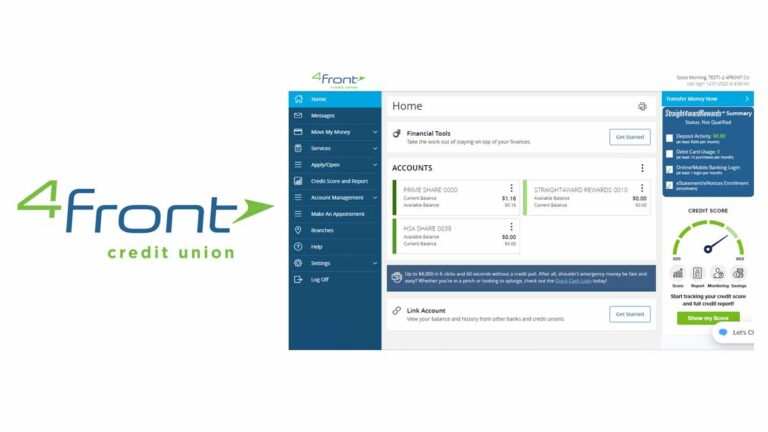
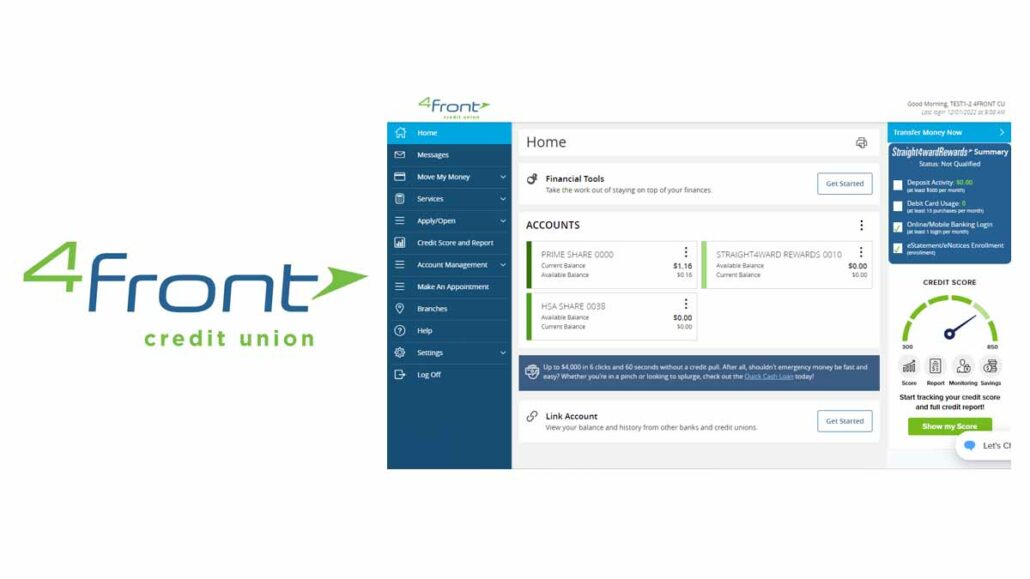
When talking about 4Front credit union login, it means the secure process you use to access your 4Front Credit Union account online or through the app. In this first‑person‑friendly guide, I explain how you can register, log in, and understand how it all works. I’ll keep the language simple, no technical jargon and I’ll walk you through it like a friend explaining to another friend.

4Front Credit Union Login

What is 4Front Credit Union Login?

4Front Credit Union Login is the way you get into your 4Front account on the internet. Think of it like your key to your financial world: checking balances, transferring money, viewing statements, managing cards, everything you need, all behind a login screen.

It’s not just about convenience; it’s about security, convenience, and being in control. That login lets you do things like:

  • Check your checking and savings balances
  • Transfer funds between accounts
  • Make loan payments
  • Order more checks
  • Set up alerts or notifications

Why Does the Login Matter to You?

You might wonder: “Why should I care about the 4Front credit union login?” Well, I’ll tell you, it matters because it’s how you stay in charge of your money without stepping into a branch. Instead of driving across town to deposit a check, you can use your mobile phone for deposit instead..

Here’s why the login matters:

  1. Convenience and speed: When you log in, you can do banking in minutes, not hours. You can pay bills, transfer funds, and deposit checks all from your phone. You can, too, with just a few taps.
  2. Security and control: Once logged in, you can see alerts about suspicious activity, freeze a lost card, or set spending limits instantly.
  3. Full access to your products: Whether you have a checking account, a savings account, a loan, or a credit card, the login gives you one place to see everything and manage it.
  4. Better money management: Using alerts and budgeting tools that show you how to use your money. It helps you notice recurring payments you didn’t want. You can get the same clarity.
  5. Support and account help: Need to open a new account, ask a question, or message support? Inside the login portal, you can do messaging. You don’t need to call or visit just log in.

That’s why 4Front credit union login isn’t just a login, it’s your portal to easy, secure banking.

Registering for Online Access

Before you can log in, you need to register. Here’s how to get set up easily.

Eligibility Requirements

First off, you need to meet some basic requirements:

  • Be a member of 4Front Credit Union
  • Have a valid member number or account number
  • Provide a social security number or tax ID for identity verification
  • Have an email address and/or U.S. or local phone number for verification codes
  • Be at least 18 years old or have a co‑applicant if younger

Step‑by‑Step Registration Process

Here’s how to walk through registration and how you can do it, too:

  1. Visit the 4Front Credit Union website: Go to the main site and look for the “Online Banking” or “Login” link sometimes labeled as “Enroll Now” or “Register.”
  2. Choose “New User? Register”:  click the link and enter your member number, last four of SSN, and account or loan number.
  3. Provide your contact info: Enter a current email address and phone number. You’ll get a one‑time code to verify.
  4. Create a username: You pick a username something you can remember, but that’s not your email. Choose something simple but unique.
  5. Set your password: Create a strong password: at least 8 characters, mix upper/lower case, numbers, special symbols. You should make it easy for you to recall but hard for others to guess.
  6. Setup security questions: They’ll be asked to choose at least three questions and answers (like mother’s maiden name, first pet’s name). These help recover access if you forget.
  7. Accept terms & finish: Review and accept the terms, then click “Submit”. Within moments, I got a confirmation email and/or SMS.

Once you complete that, congratulations, you’ve created your 4Front credit union login credentials. You’ll now log in with your chosen username and password.

Logging In: Step‑by‑Step

Now that you are registered, let’s talk about how to log in. There are two main ways:

Desktop/Web Login

When on a laptop or desktop:

  1. Go to the official 4Front site and click “Login”.
  2. Enter your username and password.
  3. Sometimes, they ask for a security code sent via SMS or email; this is 2FA.
  4. After entering it, you’ll arrive in your online dashboard.

From there, you can navigate to your accounts, pay bills, transfer funds, or check statements.

If you try and fail too often, the system may lock you out, so you’d need to click “Forgot Password” or sometimes “Unlock Account” and follow recovery steps.

Mobile App Login

Logging in there is similar but easier:

  1. Open the app.
  2. Enter your credentials.
  3. If enabled, use biometric login (like fingerprint or Face ID) instead of typing every time.
  4. The app may ask for 2FA if it detects a new device or location.

Security Measures You Should Know

Keeping your account safe matters to both you and me. Here are the key security practices around 4Front credit union login.

Two‑Factor Authentication (2FA)

4Front uses two‑factor authentication to help keep your account secure.

  • After entering username and password, they send you a one‑time code via SMS or email.
  • You have to enter this code before getting access.
  • Always keep your phone updated and secure so that the code doesn’t get intercepted.

This adds a second layer so that even if someone guesses your password, they still can’t get in without that code to your device.

Password Tips

From experience, a strong password matters a lot. Here’s what to follow:

  • Use at least 8–12 characters
  • Include uppercase and lowercase letters, at least one number, and one special symbol (like ! @ #)
  • Avoid using personal info like birthdays or pet names
  • Change your password every few months
  • Never reuse the same password from other sites

You can use a password manager if you want one place to keep your secure passwords and you never have to remember them all. Just remember your master password.

Resetting Your Password or Username

Let’s face it, forgetting login credentials happens to the best of us. Resetting it is straightforward.

If you forget your password, here’s how you can reset it:

  1. Go to the login page on the website or app.
  2. Click on “Forgot Password?” it’s right under the login form.
  3. Enter your username and verify your identity (they may ask for last 4 digits of SSN, phone number, or account number).
  4. They’ll send a temporary password or reset link to your registered email or phone.
  5. Click the link or enter the temporary code and create a new password.

Make sure your new password is strong and secure don’t just change one letter of the old one.

If you forgot your username, here’s what to do:

  • Tap on “Forgot Username?” on the login screen.
  • Enter your registered email address or phone number.
  • Follow the instructions they send via your chosen method.

Now, if you’re locked out because of too many failed login attempts, you’ll usually see a message that says “Account Locked.” At that point, you can either wait for a temporary unlock period or contact support to regain access immediately.

Tip from me? Try using a password manager, it’s saved me from the headache more times than I can count.

Features Available After Login

Once you’ve successfully completed your 4Front credit union login, a world of features opens up. The online banking dashboard is more than just a place to check balances, it’s your financial control center.

1. Account Overview

The first thing you see after logging in is a summary of all your accounts checking, savings, loans, and credit cards. Everything is displayed clearly, showing current balances and available funds.

2. Transfer Funds

This one’s a lifesaver. You can easily transfer money:

  • Between your own accounts
  • To other 4Front members
  • To external accounts (with linked bank info)

The transfers are usually instant or next-day, depending on the method you choose.

3. Bill Pay

You can pay bills from within your account utilities, credit cards, rent, and subscriptions. You can have several recurring payments set up, and they just go through automatically. No late fees, no stress.

4. Mobile Check Deposit

Stopped going to the branch altogether because of this. You can just take a photo of your check using the mobile app and deposit it instantly. It usually clears within a day.

5. Statements and Documents

Need a past statement for tax time? It’s all there under e‑Statements. I love that you can go back several months and even download a PDF version if needed.

6. Card Management

Lost your debit card? No worries, you can lock or unlock it from the app. The 4Front credit union login gives you full control, and once you start using it, you won’t want to bank any other way. It’s like having the branch in your pocket.

Mobile App vs. Web Portal: What’s the Difference?

Both the 4Front web portal and mobile app offer secure access, but each has its own perks.

Web Portal (Desktop)

  • Larger display: Easier to see multiple accounts at once.
  • Statement downloads: I prefer using desktop to download and print statements.
  • Detailed account management: When I need to update my profile info, manage alerts, or change password, desktop is ideal.

Mobile App

The mobile app is perfect for on-the-go banking. I love it because:

  • Biometric login: you can log in with your face or fingerprint super fast.
  • Mobile check deposit: No need to visit a branch or ATM.
  • Instant transfers: you once paid back a friend from my car in under a minute.

Common Login Problems and Fixes

Here are some of the most common problems and how you can fix them:

1. Wrong Password or Username

Most login issues are just typos. Double-check:

  • Caps Lock is off
  • No accidental spaces at the end
  • You’re not mistaking O (letter) for 0 (number)

If you can’t remember your credentials, just follow the “Forgot Username” or “Forgot Password” link.

2. Account Locked

If you enter the wrong info too many times, your account might be locked for security. You’ll either:

  • Get an auto-unlock after a waiting period
  • Need to call customer support for manual unlock

3. 2FA Not Working

Sometimes you don’t receive the one-time passcode right away. In that case:

  • Make sure your phone has a signal
  • Check your spam/junk folder if it’s an email
  • Try “Resend Code”

4. Browser or App Issues

If your browser isn’t working:

  • Clear cache and cookies
  • Use an updated browser like Chrome or Firefox
  • Try incognito/private mode

For the app:

  • Make sure it’s updated
  • Try uninstalling and reinstalling

If all else fails, contact customer support they’ve always been helpful.

Contacting 4Front Credit Union for Login Help

When the 4Front credit union login isn’t cooperating or you have security concerns, reaching out to support is the best move.

Here’s how to get help:

  1. Call Customer Service: You can reach them at their phone number during business hours. They’ll help you reset passwords, unlock accounts, or troubleshoot technical issues.
  2.  Visit a Branch: If you’re near a local branch, the staff are friendly and helpful.
  3. Use Secure Messaging: After you log in, there’s a secure messaging system where you can send questions or concerns.
  4. Email and Live Chat (if available): Sometimes the site has a chat feature, which is great for quick questions. But for login issues, phone support is usually faster.

Have your account number ready and verify your identity when asked.

How Safe is Your Information on 4Front Credit Union?

Is this really safe? What if someone hacks into my account?” I’ve learned how secure the platform really is.

1. Advanced Encryption

4Front uses industry-standard 256-bit SSL encryption, which means your data is protected while being transmitted. It’s the same type of encryption that big tech companies use, and never experienced any breach.

2. Secure Login Features

Besides passwords and usernames, they also use multi-factor authentication. Every time you log in from a new device, they send you a one-time code via email or text. Even if someone guessed your password, they wouldn’t be able to get in without your phone or email access.

They also let you enable alerts for every login or suspicious activity, which gives you peace of mind.

3. Biometric Login

The mobile app lets you log in with your fingerprint or face ID, depending on your phone. I love this because it’s both secure and fast.

4. Fraud Monitoring

You get an alert when someone tried to make a suspicious charge. 4Front caught it before it processed, locked your card, and helps issue a new one. They’re always monitoring your accounts behind the scenes.

5. Tips I Use to Stay Safe

  • Never click login links in emails always go directly to the official site.
  • Use a password manager to generate strong, unique passwords.
  • Avoid using public Wi-Fi when accessing your bank account.
  • Log out after every session, especially on shared devices.

Why Should You Choose 4Front Credit Union?

1. Member-Owned Structure

Unlike big banks that answer to shareholders, 4Front is a credit union. That means it’s member-owned, and any profits go back to us, the members, through better rates and lower fees. 4Front offered me a better APR on an auto loan than any big-name bank.

2. Local Focus, Personal Touch

They’re based in Michigan and support the local community. Every time you walk into a branch or call, the staff are genuinely helpful. It’s not just some corporate call center experience.

3. Competitive Products and Services

  • Free checking accounts
  • High-yield savings options
  • Loans with low fees
  • Credit cards with rewards

The 4Front credit union login ties all these services together. It gives you a single dashboard to manage everything, making it easier to take advantage of their offers.

4. Financial Education and Tools

They don’t just want to take your money, they help you grow it. They offer budgeting tools, savings calculators, and free financial literacy resources.

5. Digital-First Banking That Works

They’ve invested heavily in technology, and it shows. The mobile app is smooth, secure, and constantly updated.

If you’re asking yourself, “Why should I join 4Front?” my answer is simple: you’ll get excellent service, better rates, and a sense of being valued, not just numbered.

4Front Credit Union Services You Can Access After Login

Once you’ve passed the 4Front credit union login, there’s a whole suite of digital services waiting for you.  Use these tools every week; they make managing your money faster and simpler.

1. Checking Accounts (What is 4Front checking?)

Their checking account, also known as 4Front Free Checking, comes with:

  • No monthly fees
  • Free eStatements
  • Free debit card
  • Online & mobile access
  • Over 30,000 surcharge-free ATMs

Used this for daily expenses, automatic bill pay, and direct deposits. The best part? No surprises or hidden fees.

2. Savings Accounts

Yes, 4Front offers savings accounts, too!

  • Competitive interest rates
  • No monthly fees
  • Automated transfers from checking
  • Option to open multiple savings “goals” accounts

You can even set savings goals in the app, and it’ll help you track your progress.

3. Loans & Mortgages

After logging in, you can apply for loans or check the status of the ones you already have. They offer:

  • Auto loans
  • Personal loans
  • Home equity lines
  • Mortgages

The application process is smooth. You can apply for a car loan through your account, sign everything electronically, and have funds approved within hours.

4. Credit Cards

Got a Visa Rewards Card? You can manage it entirely online checking transactions, paying the balance, setting limits, and even freezing the card if needed.

5. Financial Tools and Calculators

After login, there are tools to help with:

  • Budgeting
  • Retirement planning
  • Savings growth estimates
  • Debt payoff planning

Everything is designed to make you feel empowered, not overwhelmed.

Tips for First-Time 4Front Credit Union Login Users

If you’re logging into 4Front for the very first time, let me give you a few tips.

1. Don’t Skip the Setup Emails

After registering, 4Front sends confirmation emails. They might include login instructions, temporary credentials, or next steps.

2. Enable Two-Factor Authentication Immediately

Even if it’s not required at first, go into your settings and turn on 2FA. It adds a big layer of protection. You’ll need your phone or email to get a code every time you log in on a new device.

3. Use the App as Your Main Portal

Honestly, the mobile app is super convenient. Download it from the Apple App Store or Google Play Store, and log in using your new credentials.

4. Bookmark the Official Website

There are phishing scams out there. Always bookmark the official site, so you don’t accidentally click on fake links.

5. Set Up Alerts Right Away

Inside your dashboard, go to alerts and notifications. to set up alerts for:

  • Every login
  • Large transactions
  • Balance below $100

It keeps me aware of what’s going on without having to constantly log in.

FAQs

How do I make a payment to 4Front Credit Union?

There are a few easy ways you can make a payment:

  • Log in to your account and use the Bill Pay feature
  • Use the mobile app to transfer money or pay a loan
  • Set up automatic payments from your checking or savings
  • Visit a branch or call support to make a manual payment

You can set up recurring payments, so you never miss one.

Why should you choose 4Front Credit Union?

Chose them because they’re member-owned, which means they work for us, not for profit. They offer low fees, great customer service, local community involvement, and easy-to-use digital tools. It’s banking that feels personal and honest.

Does 4Front Credit Union have a savings account?

Yes, absolutely! They offer savings accounts with competitive interest rates. Open one to build an emergency fund, and you can create separate savings goals for different needs. It’s easy to manage online, too.

Why should I join 4Front?

If you want a credit union that’s secure, modern, and focused on YOU, not just your money, 4Front is a solid choice. They have everything from free checking and high-yield savings to loans, credit cards, and a user-friendly login system that works.

How do I control my 4Front debit & credit card?

Once you log in, you can:

  • Lock or unlock your card instantly
  • Report it lost or stolen
  • Set spending alerts or limits
  • Monitor real-time transactions
  • Activate or deactivate your card

What is 4Front checking?

4Front Checking is a free checking account with no monthly fees, unlimited digital access, and a debit card. It’s perfect for everyday banking. You get access to online bill pay, mobile check deposit, and real-time account monitoring through the app or website.

Is the 4Front credit union login safe to use on public Wi-Fi?

I don’t recommend using public Wi-Fi for any banking, even with 4Front. While their encryption is strong, it’s best to use mobile data or a trusted private network when logging into your account.

Can I open a new account through the login portal?

Yes! Once you’ve logged in, you can apply for:

  • New checking or savings accounts
  • Personal or auto loans
  • Credit cards
  • Mortgage pre-approvals

Everything is digital. You can open a savings account right from your dashboard in under five minutes.

What should I do if I don’t receive my 2FA code?

If you don’t receive your two-factor code, try these steps:

  • Make sure your phone signal is strong
  • Check your spam/junk folder for email codes
  • Use the Resend Code option
  • If that doesn’t work, call support

Can I use fingerprint login with the 4Front app?

Yes! Once you install the app and log in, you can go to Settings > Security and enable Touch ID or Face ID, depending on your phone. I use this every day, and it’s super fast and secure.

Conclusion

Managing your money doesn’t have to be stressful or complicated. With the 4Front credit union login, you get easy access to everything we need to stay in control of our finances from checking balances and paying bills to locking a card or applying for a loan.

Whether you’re a first-time user or someone trying to make the most of the online features, 4Front makes digital banking simple, secure, and stress-free. You don’t have to worry about long lines at the branch or waiting on hold for support. Everything is right there when you log in from your mobile phone or your desktop.

So if you haven’t signed up yet, now’s a great time to do it. Once you register and get comfortable using the online and mobile platforms, you’ll probably wonder how you ever managed your finances without it. The 4Front credit union login is more than just a username and password, it’s your personal doorway to smarter banking.

Amerisave Mortgage Review 2025

0

You probably want to make sure you’re choosing a trustworthy company and not getting locked into a bad deal that’ll haunt you for 30 years. That’s why I decided to dig deep into what Amerisave Mortgage is all about. In this guide, I’ll break it all down for you: who they are, what types of loans they offer, how their online application works, what rates and fees you can expect, and even what real customers are saying.

Amerisave Mortgage

How Much is Homeowners Insurance on a $150000 House
How Much Would a $1000 Payday Loan Cost
Mortgage Lenders have the Lowest Rates
Get a Loan- Find a Loan Lender
Housing Assistance Payments
Mortgage 30 Year Fixed Rate – Find the Best Rates & Info
Mortgage 0 Down – Buy a Home with No Down Payment
Loan Discharge – Understand Your Options & Eligibility
Loan Xpress Pay – Fast Online Personal Loans
Loan 3000 – Get a $3000 Loan Instantly
Loan to Pay Off Credit Cards – Consolidate Debt & Save Money
Mortgage 150k House – How Much House Can I Afford

Understanding Amerisave Mortgage

The history and background of Amerisave

Amerisave Mortgage didn’t just pop up yesterday. In fact, they’ve been around since 2002. That’s over two decades of writing home loans, which is kind of reassuring in an industry where new online lenders seem to appear and vanish overnight. Amerisave is headquartered in Atlanta, Georgia, but they’re licensed to do business in almost every state across the U.S.

Their whole mission is to make mortgages easier through technology. They were one of the first companies to really push the idea of getting a mortgage quote online without a ton of paperwork or having to walk into a stuffy bank. It might not seem like a big deal now, but back in the early 2000s, that was pretty cutting edge.

Plus, Amerisave Mortgage isn’t tied to one type of loan. They’re what you’d call a direct mortgage lender, which means they use their own money to fund loans instead of brokering them out to different banks. That often translates into more control over the process  and potentially faster closings.

If you’re wondering about regulation, don’t worry. Amerisave is subject to strict federal and state lending laws. They’re also accredited by the Better Business Bureau (BBB), where they’ve had thousands of reviews over the years.

Amerisave Mortgage is an established player with a long track record. They’re not some fly-by-night internet startup, and that gave me a bit more peace of mind before looking into them deeper.

What makes Amerisave stand out?

Alright, so lots of lenders promise low rates, fast approvals, and hassle-free service. What actually makes Amerisave Mortgage stand out from the rest of the crowd? For me, it came down to three big things: tech, transparency, and variety.

First off, their technology is pretty slick. You can jump on their website and get a personalized rate quote in literally three minutes. It doesn’t ding your credit either. All you have to do is plug in some basic info like your income, the home price, and how much you plan to put down and bam, they’ll show you customized loan options.

Second is transparency. No surprises. It’s not your final offer (they still need to verify all your paperwork), but it’s a pretty darn good starting point.

Third, they offer a wide range of loans: conventional, jumbo, FHA, VA, USDA you name it. That matters because not every lender does. For example, some online lenders don’t touch government-backed loans, which can be critical if you’re a first-time buyer or a veteran looking for special programs.

Also, Amerisave seems to put a huge focus on customer choice. Want to lock your rate immediately? Cool. Want to compare a 15-year vs. 30-year side by side? Easy. Want to pay points upfront to lower your rate? They’ll walk you through that. I’m a big fan of options, and Amerisave gives you plenty.

So, if you’re someone who hates high-pressure sales calls or being in the dark, that’s one of the reasons Amerisave might stand out to you, too.

Types of Loans Amerisave Offers

Fixed-rate mortgages

A fixed-rate mortgage is exactly what it sounds like: your interest rate stays the same for the entire life of the loan. Most people go for either a 30-year or 15-year fixed mortgage. With Amerisave Mortgage, they offer both — plus some other terms if you want something in between.

Why does that matter? Because predictability is your best friend when you’re planning your budget. Your payment next year, five years from now, and in the last year of your loan will be exactly the same. That’s a huge relief when you think about how rent prices keep skyrocketing.

Amerisave’s site makes it super simple to compare fixed-rate options. You can see how much more you’d pay each month on a 15-year loan (but save tons in interest) vs. the lower payments stretched over 30 years. If you’re the type who likes to pay things off fast, the 15-year might be your jam. If you want more cash flow for vacations or renovations, the 30-year is usually easier on the wallet.

Adjustable-rate mortgages (ARMs)

Now, if you’re feeling a bit more adventurous (or you know you won’t be in the house long), an adjustable-rate mortgage, or ARM, might be worth looking at. Amerisave Mortgage offers several ARM options, like 5/1 or 7/1 ARMs. That means your rate is fixed for the first 5 or 7 years, then adjusts annually after that based on market rates.

Why would you ever want that uncertainty? Simple: initial ARM rates are usually way lower than fixed rates. If you’re planning to sell or refinance within that initial period, you could save thousands.

Amerisave’s loan officers are pretty good at explaining these risks. Just make sure you run the numbers to see what payments could look like later. No one wants a surprise jump that blows up their budget.

FHA, VA, and USDA loans

One thing that impressed me is how Amerisave Mortgage isn’t just for conventional buyers with 20% down. They do a ton of government-backed loans:

FHA loans

These are great for first-time buyers. You can put as little as 3.5% down, and credit score requirements are more forgiving. Amerisave guides you through the whole FHA process, which can feel complicated otherwise.

 VA loans

If you’re a veteran or active military, Amerisave offers VA loans with zero down payment and no private mortgage insurance (PMI). That’s a huge money-saver. They’ll help you get your Certificate of Eligibility and handle all the VA paperwork.

USDA loans

Buying in a rural area? Amerisave has USDA loans too, which means no down payment required in many cases. They’ll check your property eligibility for you.

Having these options is a big deal. Not every lender does all three, and it means Amerisave can serve way more buyers in all kinds of situations.

Jumbo loans

Finally, if you’re buying a high-priced home that goes over the conforming loan limits (which vary by state), you’ll need what’s called a jumbo loan. Amerisave handles these too. Jumbo loans typically have stricter requirements like needing a higher credit score and more documentation but Amerisave’s online process makes it less painful.

Whether it’s your dream house in the suburbs or a slick condo downtown, Amerisave’s jumbo products let you borrow larger amounts without splitting it into multiple loans.

Amerisave’s Online Mortgage Experience

How does Amerisave’s online application work?

This is where Amerisave Mortgage really shines. Honestly, the whole point of using a lender like this is to avoid the painful paper stacks and endless bank visits. Their online platform is sleek and designed for normal people not mortgage nerds.

It starts with a short prequalification form. You’ll enter stuff like your estimated income, the type of home you want, and your credit range. Within minutes, you’ll see tailored loan offers. This is a soft credit pull, so your score stays untouched.

Once you decide to move forward, you’ll upload documents right to your secure online portal. Pay stubs, W-2s, bank statements all easy to drag and drop. No faxing needed (who even owns a fax machine anymore?).

Amerisave also lets you track your loan progress in real time. You can see when it’s in underwriting, when the appraisal comes back, and when your closing is scheduled. They’ll email and text you updates, so you’re never left wondering what’s going on.

Tools & calculators on the Amerisave website

One of the favorite parts of Amerisave’s website is their toolbox of calculators and educational guides. They have tools to estimate:

  • How much house you can afford
  • What your monthly payment might look like
  • How paying points could lower your rate
  • Even whether refinancing would save you money

Their resources section also breaks down complicated topics like PMI, closing costs, and credit scores in plain English.

Amerisave’s Rates & Fees Explained

How competitive are Amerisave’s rates?

When it comes down to it, most of us shop lenders for one big reason: to get the best rate. Amerisave Mortgage is usually pretty competitive. They post sample rates on their site daily, so you can see roughly where things stand even before applying.

Now, your personal rate depends on your credit score, down payment, loan type, and whether you choose to pay points. But when I compared Amerisave to big banks and some other online lenders, their rates often came out slightly lower.

It’s important to do an apples-to-apples comparison though. Look at the APR, not just the rate because APR includes estimated fees. Speaking of which…

Hidden fees and what you should watch out for

Amerisave does charge an upfront application fee, often around $500, which can be non-refundable. That threw me off at first. But it’s not uncommon in the industry many lenders collect this to lock your rate and start processing.

Other than that, typical closing costs (title insurance, appraisal, etc.) will still apply, no matter who you use. Amerisave breaks these out in your Loan Estimate, so be sure to read every line. If something looks weird, ask! They’re pretty responsive about explaining each charge.

Who is Amerisave Mortgage Best For?

First-time buyers

Honestly, if you’re buying your very first place, the whole process can feel like learning a new language. Escrow, PMI, points, underwriting it’s overwhelming. This is where I think Amerisave Mortgage shines for first-timers.

Why? Because they guide you through it step by step, and the online tools let you play around with scenarios without any pressure. You can see what happens if you put 5% down vs. 10%, or how your payments change with different interest rates. That’s powerful info for someone who’s never done this before.

Plus, Amerisave offers FHA loans, which allow for lower down payments and more flexible credit requirements. That’s huge if you haven’t had decades to build stellar credit or a massive savings account. And their loan officers don’t seem pushy they’re there to help you figure out what works best.

Refinancers and repeat buyers

If you’re already a homeowner, refinancing is one of the best ways to save money over time whether that’s to drop your rate, ditch PMI, or pull cash out for renovations. Amerisave does a ton of refis. In fact, some reviewers said they had an easier time refinancing through Amerisave than through their original lender.

Their online system makes submitting updated financials (pay stubs, tax returns) pretty painless. And since they’re known for relatively fast closings, it’s a good fit if you want to take advantage of dropping interest rates without waiting months.

Investors & high-value buyers

If you’re looking at properties that break the standard loan limits think luxury homes or multi-units Amerisave Mortgage offers jumbo loans that can handle it. Not every online lender wants to deal with jumbo loans because they’re riskier and require more underwriting scrutiny.

Amerisave’s team seems comfortable handling complex income scenarios, too. I’ve seen folks who are self-employed or who have multiple streams of income go with Amerisave because they understand how to document everything properly. That can be a game changer when other banks give you the side-eye for not having a simple W-2.

Does Amerisave Have a Branch in Arizona?

Amerisave is licensed to do business in Arizona (and almost every other state), but they don’t typically operate brick-and-mortar branches.

Most of Amerisave’s lending is done online or over the phone, regardless of where you live. They have corporate offices, but they’re not set up like a traditional local bank where you can drop by and sit in a branch manager’s office.

So if you’re in Arizona or pretty much anywhere else you can absolutely get a mortgage through Amerisave Mortgage. You’ll just be handling everything digitally or through phone consultations. They do have loan officers assigned to each borrower, so you’re not alone. You’ll have a dedicated person to call or email.

How Does Amerisave Mortgage Work?

If you’ve ever used TurboTax to file your taxes online, Amerisave’s mortgage process feels pretty similar. Everything is designed to walk you through step by step.

First, you fill out a short prequalification form on their website. You’ll put in things like your income, estimated credit, the price range of homes you’re shopping for, and how much you want to put down. In about 3 minutes, Amerisave shows you personalized loan options. This is a soft pull, so your credit score stays safe.

Next, when you decide to officially apply, they’ll do a full credit check. You’ll upload documents like W-2s, pay stubs, and bank statements to their secure portal. It’s drag-and-drop easyno mailing stacks of paper.

Then underwriting kicks in. This is where Amerisave’s team verifies all your info and checks things like the property appraisal. If they need more documents (and they often do), they’ll ask. You can track all of this online in real time.

Finally, once everything clears, they’ll schedule your closing  usually at a local title office or even with a mobile notary who comes to you. You’ll sign the final papers, wire any down payment money, and get the keys to your new place.

Throughout it all, Amerisave’s system keeps you updated by email or text, plus you can always log in to see exactly where you’re at. That transparency is one of the biggest reasons I liked working with them.

Amerisave Mortgage for Self-Employed Buyers

A quick note if you’re self-employed or a freelancer like me: getting a mortgage can be trickier when you don’t have neat W-2 paychecks. Many lenders look at you like you’re radioactive because your income fluctuates.

Amerisave Mortgage is actually pretty savvy with self-employed borrowers. They know how to handle tax returns with business expenses, and they’re familiar with writing letters of explanation for non-standard income. They’ll typically average your income over the last two years to see what you qualify for.

You’ll still want to have all your ducks in a row: at least two years of solid tax returns, a decent amount of savings, and a clean credit history. But compared to some old-school banks that act like entrepreneurs are a huge risk, Amerisave seems more modern and flexible.

FAQs About Amerisave Mortgage

Is Amerisave a good lender?

From everything I’ve seen including my own experience and hundreds of reviews Amerisave is generally a good lender. They’ve been around for over two decades, fund their own loans, and offer competitive rates. Most people praise their fast, tech-driven process. Just keep an eye on that application fee and make sure you’re ready to provide documents quickly to avoid any last-minute delays.

Does Amerisave have a branch in Arizona?

Not exactly. Amerisave is licensed to operate in Arizona (as well as nearly every other state), but they don’t typically run physical retail branches. Most of their business is done online or over the phone. If you’re in Arizona, you can absolutely still get a loan with them you’ll just be handling it all digitally, with a dedicated loan officer guiding you.

Is Amerisave a good choice for a first-time buyer?

I’d say yes, absolutely. In fact, first-time buyers are one of Amerisave’s sweet spots. They offer FHA loans that require smaller down payments and are easier on credit scores. Their online system also helps you run different scenarios to see exactly what your monthly payments might look like, which is super helpful when you’re new to all this.

Is Amerisave a good company?

Overall, yes. Amerisave has funded billions of dollars in mortgages, is accredited by the Better Business Bureau, and maintains generally positive customer ratings. Like any lender, they have some complaints (usually about extra document requests or delays), but they’re certainly not a fly-by-night operation. They’re well-established, financially stable, and heavily regulated, which should give you confidence.

How does Amerisave work?

It’s refreshingly simple. You start by filling out a quick online prequalification form, which gives you personalized rate options with no impact on your credit. Then you upload your documents to a secure online portal, and their underwriting team reviews everything. You can track your loan progress online 24/7. Once you’re cleared to close, you’ll sign the final paperwork (often with a mobile notary), wire your funds, and boom you’re a homeowner.

Can I get prequalified with Amerisave without hurting my credit?

Yes. Their initial prequalification uses a soft credit pull, so it won’t impact your score. Only when you decide to formally apply will they do a hard inquiry.

How fast can Amerisave close a loan?

Many borrowers report closing in about 25-35 days. However, it can be faster or slower depending on how quickly you upload documents and how smoothly the appraisal and title work goes.

Does Amerisave service its own loans?

Sometimes. Like many lenders, they may keep your loan or sell it to a larger mortgage servicer. Either way, the terms of your loan don’t change.

Is Amerisave good for refinancing?

Yes, they do a ton of refinances and often advertise very low rates. Their online portal makes uploading updated income or asset docs a breeze.

What credit score do I need for Amerisave?

It depends on the loan. For conventional, you’ll generally want at least a 620, while FHA might go lower. For the best rates, aim for 740+.

Conclusion

Amerisave Mortgage is a pretty solid choice if you want a straightforward, mostly online mortgage process that gives you competitive rates and tons of options.

PennyMac Loan Services – Is PennyMac a Real Company

0

PennyMac Loan Services is more than just a lender, it’s a financial partnership. From the very first sentence, I want you to know this guide is crafted to demystify the process, answer your burning questions, and help you feel confident about choosing Pennymac. I’ll walk through what they do, how they operate, and how they compare with other lenders in today’s market.

Pennymac Loan Services

How Much is Homeowners Insurance on a $150000 House
How Much Would a $1000 Payday Loan Cost
Mortgage Lenders have the Lowest Rates
Get a Loan- Find a Loan Lender
Housing Assistance Payments
Mortgage 30 Year Fixed Rate – Find the Best Rates & Info
Mortgage 0 Down – Buy a Home with No Down Payment
Loan Discharge – Understand Your Options & Eligibility
Loan Xpress Pay – Fast Online Personal Loans
Loan 3000 – Get a $3000 Loan Instantly
Loan to Pay Off Credit Cards – Consolidate Debt & Save Money
Mortgage 150k House – How Much House Can I Afford

Who Is PennyMac?

Pennymac was founded to offer both loan origination and servicing. Their goal? To guide borrowers with transparency, modern tools, and support from loan officers who genuinely know the ins and outs of home finance.

What stands out to me is their commitment to a homeowner’s long-term interests. Unlike some institutions that chase flashy marketing, Pennymac seems firmly rooted in stability and responsible growth. Over time, they’ve expanded successfully merging technology with customer-first principles.

PennyMac Capital Management – The Parent Entity

If you’ve ever wondered, “Who finances all this?” the answer lies in PennyMac Capital Management. This arm focuses on mortgage-related investments, buying, servicing, and managing mortgage assets. Their role ensures Pennymac Loan Services has a healthy financial foundation to offer competitive rates and diverse programs.

Think of it like a support system: the capital firm handles fund investment, while the loan services division handles your loan application, servicing, and support. The synergy allows them to move quickly, adapt to market changes, and pass those advantages directly to borrowers.

What Does PennyMac Do?

When people ask, “What exactly do they do?” here’s a list of few core functions:

  • Direct lending: Home purchase loans, refinancing (rate and term), cash-out refinancing you name it, they offer it.
  • Mortgage servicing: After getting a loan, you continue dealing with Pennymac for payments, escrow, and customer support.
  • Online tools: Their website offers calculators, pre-qualification forms, and loan tracking, making the process user-friendly.

They don’t try to sell you every financial product under the sun. Instead, they specialize in mortgage services and do it well.

Does PennyMac Offer a Loan Program?

Yes, Pennymac offers a broad spectrum of loan programs. They also handle FHA, VA, jumbo, and FHA streamline refinancing. Here’s a breakdown:

  • Conventional Loans: Standard fixed-rate or adjustable-rate mortgages. Good credit is typically required.
  • FHA Loans: Great for buyers with less cash or lower credit scores.
  • VA Loans: Exclusive to veterans and their families typically zero down payment.
  • Jumbo Loans: For high-priced properties exceeding conforming loan limits.
  • Refinancing Programs: Whether you want a lower rate or cash-out, Pennymac has options.

Each program carries its own eligibility rules like minimum credit scores, loan-to-value ratios, and income thresholds. Pennymac makes it easy to explore options through its online platform and personalized quote tools.

How to Get a PennyMac Loan

If you’re thinking of applying, here’s how it typically unfolds:

  1. Start with an online quote: You’ll head over to their website and fill out a quick form. This step doesn’t impact your credit. It’s just a soft check to see what you might qualify for.
  2. Provide your financial details:
  3. Once you’re interested in moving forward, PennyMac will ask for documents like:
  4. Recent pay stubs
  5. Tax returns
  6. Bank statements
  7. Any details on debts you carry
  8. This helps them calculate your debt-to-income ratio, which plays a big role in approval.
  9. Get pre-approved: A pre-approval letter from PennyMac strengthens your position when you’re house hunting. Sellers see you as serious because a lender has already vetted your finances.
  10. Go through underwriting: This is where they verify all your paperwork, double-check property details, and make sure everything aligns with the loan program requirements. Sometimes they might ask for extra documentation.
  11. Close on your loan: Finally, you’ll sign the paperwork either in person or via a remote notary and get the keys to your new home or complete your refinance.

Keep your documents handy and respond to requests quickly. Mortgage processes move much faster when you’re proactive.

Where is PennyMac Loan Services Located?

So, where exactly is PennyMac Loan Services located? Their headquarters sits comfortably in Westlake Village, California. That’s their central hub, where much of their executive team and operational staff work.

But that doesn’t mean you have to live in California to work with them. PennyMac serves customers nationwide. They operate regional offices and support centres across the country, ensuring you get help no matter your time zone.

Plus, with their robust digital platform, most interactions, applications, document uploads, and even loan tracking happen online. It’s incredibly convenient.

How to Contact PennyMac

If you ever want to reach out to PennyMac Loan Services, you’ve got a few solid options:

  • By phone: Their primary customer service line is easy to find on their website, and they’re generally responsive. Expect typical hours like 8 AM to 8 PM (depending on department and day).
  • By email or secure portal: If you already have a loan, you’ll get access to a secure online portal where you can send messages, upload documents, and even make payments.
  • By mail: For formal communications or payments by check, they provide specific PO Boxes (listed on their site depending on your loan type).
  • Social media: Yep, they’re on Facebook, Twitter, and LinkedIn. While I wouldn’t share sensitive info there, it’s handy for quick questions.

If you’re worried about getting stuck in an endless phone loop, you’ll appreciate their callback features.

Pennymac Loan Services vs. Competitors

This is where it gets interesting. How does PennyMac stack up against giants like Wells Fargo, Rocket Mortgage, or smaller local lenders?

What sets them apart:

  • Specialized focus: PennyMac sticks to mortgages purchase, refinance, and servicing. They don’t branch out into auto loans, personal loans, or credit cards, which means their teams really know mortgages inside and out.
  • Competitive rates: Because of their strong backing through PennyMac Capital Management, they often offer rates that rival or beat bigger banks.
  • Technology: Their digital platform is intuitive. Upload docs, track your application, make payments it’s all streamlined.

Potential drawbacks:

  • No brick-and-mortar branches for walk-ins: If you prefer sitting across from someone at a desk, this might not be for you.
  • Can feel impersonal: Large lenders sometimes feel like you’re just another file.

If you value a dedicated mortgage specialist and like handling things online, PennyMac is an excellent choice.

Customer Experience & Reviews

What people like:

  • Smooth application and underwriting process.
  • Helpful loan officers who answer “dumb” questions without making you feel dumb.
  • Clear online platform for managing your mortgage after closing.

What they could improve:

  • Some customers mention long hold times during peak seasons (especially refi booms).
  • A few note surprise documentation requests late in the process, though that’s honestly common across the industry.

Tips for Choosing Pennymac Loan Services

If you’re still on the fence, let me give you some tips from research and experience that might help you decide if PennyMac is the right fit:

  • Know your credit and debt picture: Before you apply anywhere, get a free copy of your credit report. PennyMac is pretty upfront they’ll show you rate estimates based on your credit profile. A higher score could mean a significantly lower rate.
  • Decide on your loan type: Do you need a VA loan? Going conventional? Want to explore FHA because of a lower down payment? PennyMac offers all these, so clarify your needs first.
  • Compare rates but also closing costs: A slightly higher rate with lower fees might save you more in the first five years than a rock-bottom rate packed with junk fees. PennyMac’s estimates will break this down.
  • Use their online tools: Their mortgage calculators are handy. You can see monthly payments, tax impacts, and even amortization schedules.
  • Communicate early: Ask about underwriting timelines and required documents right from the start. It helps avoid last-minute scrambles.

The best part? If PennyMac isn’t your top pick after exploring, at least you’ll have a solid benchmark to compare other lenders against.

The Future of Pennymac Loan Services

Looking ahead, I see PennyMac continuing to evolve, especially in how they use technology. More people want to handle every part of their mortgage from pre-qualification to final payment right on their smartphones. PennyMac is heavily investing in their digital experience to meet this demand.

They’re also likely to expand with more specialized loan products. With rising home prices, more borrowers will need creative solutions like hybrid adjustable loans or special programs for self-employed buyers. PennyMac seems ready to fill those gaps.

Plus, with market conditions constantly shifting (just look at interest rates over the past two years!), lenders that adapt quickly tend to stand out. PennyMac’s combination of financial backing from PennyMac Capital Management and focus solely on mortgages positions them well for the next decade.

FAQs

Where is PennyMac Loan Services located?

PennyMac’s headquarters is in Westlake Village, California. But they operate nationwide, and most of their loan process can be handled online or by phone.

What does PennyMac do?

PennyMac specializes in originating and servicing home loans everything from new purchase mortgages to refinancing options, plus ongoing loan management.

Who is PennyMac Capital Management?

They’re the investment arm that buys, manages, and finances mortgage assets. It’s how PennyMac Loan Services can offer competitive rates and keep operations strong.

How do I contact PennyMac?

You can reach them by phone, through a secure online portal, by mail, or on social media. Check their official site for direct contact details.

Does PennyMac offer a loan program?

Yes multiple. They have conventional, FHA, VA, jumbo loans, and various refinancing products.

How do I get a PennyMac Loan?

Start with an online quote or talk to a loan officer. Provide your financial documents, get pre-approved, then go through underwriting and close.

What credit score do I need for PennyMac?

It depends on the loan type. Conventional loans usually prefer 620+, while FHA might work with scores as low as 580. VA loans have flexible requirements.

Is PennyMac good for first-time buyers?

Yes. They offer FHA and low down-payment options, plus online tools that simplify the process for newcomers.

Conclusion

To wrap it all up whether you’re buying your first home, refinancing to tap equity, or just exploring your options PennyMac Loan Services is worth a serious look. From their diverse loan programs to strong principles and top-notch online tools, they make the often nerve-wracking mortgage process simpler and more transparent.

Blaze Credit Union Login – How to Access Your Digital Banking

0

Let me kick things off by saying that the Blaze Credit Union login is truly your gateway to managing everything related to your finances with them. If you’re like me, juggling bills, checking balances, moving money around doing it all from your couch or kitchen table is a total lifesaver. And that’s exactly why knowing how this login works is so crucial.

Blaze Credit Union Login

Why is the Blaze Credit Union Login Important?

Imagine having to visit a branch every single time you want to see how much you have in your account or pay your Blaze credit card bill. Nope. That’s why their online login is a big deal. With it, you can:

  • Check balances
  • Transfer money
  • Pay bills (even set up auto-pay)
  • Apply for loans
  • Manage your Blaze credit card
  • And tons more…

Honestly, once you start using it, you’ll wonder how you ever did banking any other way. It’s designed to be simple, but secure, so you always have peace of mind.

Getting Started with Blaze Credit Union

Alright, so before you can even think about using the Blaze Credit Union login, you’ve got to actually be a member.

How to Become a Member of Blaze Credit Union?

It mostly depends on where you live, work, worship, or study. Credit unions usually have a “field of membership,” and Blaze is no different. If you qualify, you’ll typically:

  1. Fill out an application online or at a local branch.
  2. Provide some ID, like your driver’s license or passport.
  3. Make a small opening deposit. Sometimes it’s just $5!

That’s it. Boom, you’re a member-owner. And yes, they do call you an “owner.”

What Do You Need to Open an Account?

They asked for:

  • A government-issued photo ID
  • Your Social Security number (or ITIN)
  • Proof of address (like a utility bill or lease)
  • That small opening deposit

If you’re reading this thinking, “Do I really need to jump through all those hoops?” trust me, it’s much quicker and simpler than it sounds.

Once you’re in, you’ll get your member number, and then you can set up your Blaze Credit Union login credentials to start managing everything online.

Blaze Credit Union Login Process Explained

Okay, now the fun part actually getting into your account.

Step-by-Step Guide to Logging Into Your Account

Here’s how it goes:

  1. Go to the Blaze Credit Union Website. Open your browser and type in their official URL (always double-check it to avoid phishing scams).
  2. Click on ‘Login’. Usually right at the top right corner. Can’t miss it.
  3. Enter Your Username & Password. These would’ve been set up when you enrolled in online banking.
  4. Two-Factor Authentication (if enabled). Sometimes, Blaze might send you a code via text or email just to make sure it’s really you. I actually love this step it keeps the fraudsters out.
  5. Hit Login & Boom, You’re In!

Common Login Issues and How to Fix Them

Here’s what to do if things go wrong:

  • Forgot your password? Click the “Forgot Password” link. Blaze will guide you through a quick reset, usually sending a link or code to your email.
  • Locked out after too many tries? This happens for security reasons. Give them a call or wait the period they state, often 24 hours, then try again.
  • Website not loading? Check your Wi-Fi, try another browser, or clear your cookies. Blaze’s site usually runs smoothly, so if it’s down, they’ll often post an alert.

Save the login page as a bookmark to avoid dodgy links.

Understanding Blaze Digital Banking

Now, when people say “Blaze Credit Union login,” most of us mean logging into Blaze Digital Banking. This isn’t just a website, it’s basically a full-on banking branch on your phone or computer.

What is Blaze Digital Banking?

Blaze Digital Banking is the online portal where you can handle almost everything you’d do at a physical branch. Think of it as your virtual teller. From your dashboard, you can:

  • Check your account balances instantly
  • View transaction history
  • Transfer money between accounts or to other banks
  • Pay your Blaze credit card bill
  • Apply for new products (like loans or CDs)
  • Even send secure messages to customer support

Features That Make Online Banking Easier

  • 24/7 Access: Whether it’s 2 PM or 2 AM, it’s open.
  • Bill Pay: No need to lick envelopes or hunt for stamps.
  • Account Alerts: You can set these to ping you if your balance drops or a big transaction goes through.
  • E-Statements: Go paperless and still keep records.
  • Budget Tools: Some credit unions, including Blaze, even help you track spending and set savings goals.

You control everything from your couch. Coffee in one hand, phone in the other done.

Managing Your Blaze Credit Card Online

A lot of people find this page by searching “How do I log into my Blaze credit card account?” so let’s tackle that head-on.

How Do I Log Into My Blaze Credit Card Account?

It’s actually the same Blaze Credit Union login you use for everything else. Once you’re inside your digital banking portal, you’ll see your credit card listed along with checking or savings.

  • Click on your credit card account to view balances, statements, and transactions.
  • Want to make a payment? Click “Pay Credit Card” and follow the prompts.

How Can I Pay My Blaze Credit Bills?

You’ve got options:

  • Online: Through your Blaze Credit Union login.
  • AutoPay: Set it up once, then forget it.
  • Mobile App: Same deal, just on your phone.
  • By Phone: Call them up and pay with your debit or checking info.
  • In Branch: Old-school style if you like seeing humans.

Always use online or app payments, it’s fast, there are reminders, and you’ll never missed a due date.

Mobile App Login for Blaze Credit Union

Benefits of Using the Blaze Mobile App

The Blaze Credit Union mobile app is a game-changer. If you’re someone who’s always on the move, it lets you keep tabs on your money wherever you are.

  • 24/7 Access: Whether you are stuck in traffic, waiting in a doctor’s office, or lying in bed at midnight, you can check balances, move money around, and pay bills with just a few taps.
  • Mobile Check Deposit: This is huge. Instead of driving to a branch or ATM, you can just snap a picture of your check, and voila it’s in your account.
  • Instant Alerts: you can set notifications for when a deposit hits or if a big transaction goes through. Keeps you on top of your cash flow.
  • Easy Card Management: Lost your debit or credit card? Freeze it instantly right in the app. Find it under the couch? Unfreeze just as easily.
  • Biometric Login: This is a big one. You can log in using Face ID or your fingerprint. No more trying to remember passwords while juggling groceries.

How to Set Up and Log in via Mobile

Getting started is pretty straightforward:

  1. Download the App: Head over to the Apple App Store or Google Play Store, and search for “Blaze Credit Union.” Download and install it.
  2. Open & Enroll: If it’s your first time, hit “Enroll Now.” You’ll enter some info like your member ID, Social Security number, and maybe answer a few security questions.
  3. Create Login Credentials: Choose a username and password. Keep it unique, avoid stuff like “password123.”
  4. Enable Biometric Login: If your phone supports it, set up Face ID or fingerprint login. It’s safer and saves a ton of time.
  5. Done! Next time, you’ll just tap your face or thumb and you’re in. I seriously can’t imagine banking any other way.

So if you ask me, having the mobile app is practically essential. It keeps your Blaze Credit Union account literally at your fingertips.

Keeping Your Blaze Account Secure

Let’s switch gears a bit because security is huge. With the rise in online scams, knowing how to protect your Blaze Credit Union login is just as important as knowing how to use it.

Tips for Secure Online Banking

  • Use Strong Passwords: Don’t be lazy, make it long, mix up letters, numbers, and symbols. No birthdays or pet names.
  • Enable Two-Factor Authentication: This extra step might seem annoying, but it’s worth it. Even if someone steals your password, they can’t log in without that second code.
  • Beware of Phishing Emails & Texts: If you get a message saying, “Your account is locked, click here to fix it!”, pause. Check the sender, and when in doubt, call Blaze directly.
  • Keep Devices Updated: Install those security updates on your phone and computer. They patch vulnerabilities hackers love.
  • Public Wi-Fi Caution: Never log into your account on public Wi-Fi (like at a café) unless you’re using a secure VPN.

What to Do If You Suspect Fraud

If something seems off, maybe you spot a weird transaction or get an alert you didn’t expect, don’t wait.

  1. Call Blaze Credit Union immediately.
  2. Freeze your card using the mobile app.
  3. Change your passwords right away.

Their team is pretty quick at helping out. Bottom line? A little caution goes a long way in keeping your Blaze Credit Union account safe.

Resetting Your Blaze Credit Union Login Credentials

How to Reset Your Password

  1. Go to the Login Page: Whether you’re on the app or desktop, click “Forgot Password?”
  2. Verify Your Identity: They’ll probably ask for your username or member ID, maybe even the last four of your SSN.
  3. Receive a Verification Code: Blaze will send a code to your email or phone. Enter that to prove it’s you.
  4. Create a New Password: Make it strong and unique, skip the easy stuff.
  5. Login With Your New Credentials: And that’s it. Back in business.

Recovering Your Username

If you blank out on your username (been there too), you can click “Forgot Username?” on the same login screen. Usually, they’ll email it to you after you answer a few security questions.

Use a secure password manager. It saves my bacon regularly by keeping all my logins organized and encrypted.

Benefits of Being a Blaze Credit Union Member

If you’re still wondering whether it’s all worth it, let me tell you, there’s more to Blaze than just the online access. Being a member comes with a bunch of perks that you simply don’t get at most big banks.

Financial Products and Services Offered

Blaze Credit Union has a full suite of financial tools designed for regular folks like us:

  • High-Yield Savings: Often with better rates than big-name banks.
  • Checking Accounts with Rewards: Some even refund ATM fees.
  • Auto & Home Loans: Usually at lower rates because they’re not-for-profit.
  • Personal Loans & Lines of Credit: When you need a little extra cash.
  • Certificates of Deposit (CDs): If you’re looking to grow your savings safely.

Does Blaze Credit Union Offer Scholarships?

Yes, they actually do! Many local credit unions including Blaze offer scholarships to members or their kids heading off to college. It’s their way of giving back to the community. Check their website or ask next time you call; they usually post applications in early spring.

Other Member Perks

  • Financial Counseling: Need help budgeting or tackling debt? They’ve got people who’ll sit down with you, for free.
  • Discounts & Promotions: Things like discounted insurance or ticket offers pop up from time to time.
  • Voting Rights: Remember, you’re technically an owner. That means you can vote on board members and key issues.

Customer Support and Help Resources

We’ve covered a ton so far, but if you ever hit a snag with your Blaze Credit Union login (or anything else), their support is genuinely top-notch.

How to Contact Blaze Credit Union Support

  • Phone: You can call them during business hours and usually get right through to a real person.
  • Secure Messaging: From inside your online account or app, send them a secure message about whatever you need.
  • In Person: Swing by a branch. Sometimes a face-to-face just feels better.
  • Live Chat: Many credit unions (including Blaze) are rolling out live chat right on their websites.

FAQs About Blaze Credit Union Login

Their website also has a big FAQ section where you can search stuff like:

  • “How do I change my address?”
  • “Where do I find tax documents?”
  • “Can I add a joint owner online?”
  • Most of the time, you’ll find your answer there without even needing to call.

FAQs

How do I log in to my Blaze credit card account?

Use the same Blaze Credit Union login on the website or app. Once inside, your credit card will show up with your other accounts. Click it to view your balance, pay bills, or check statements.

Who is Blaze Credit Union?

Blaze is a member-owned, not-for-profit credit union. That means profits go back to members through better rates and lower fees not to Wall Street investors.

How long does a Blaze transaction take?

If you’re transferring money internally (say, from your checking to savings), it’s pretty much instant.

ACH payments (like paying a utility bill) usually take 1-3 business days. If you ever see something pending for longer, it’s worth shooting them a message just to make sure it didn’t get stuck.

What is Blaze digital banking?

It’s their online and mobile system where you can do pretty much anything check balances, pay bills, transfer money, set up alerts, apply for loans all 24/7.

How can I pay my Blaze credit bills?

You can pay online via the login portal or app, set up auto-pay, pay by phone, or even drop by a branch. Online and auto-pay are the easiest for most people.

Does Blaze Credit Union offer scholarships?

Yes! They typically offer scholarships to members and their families heading to college. Check their website or ask a rep for details on deadlines.

Is Blaze Credit Union FDIC insured?

No, because credit unions use the NCUA for insurance. It covers your deposits up to $250,000 per member, just like FDIC does for banks.

Can I set up auto-pay for my Blaze loans or credit cards?

Absolutely. It’s one of the best features. Log in to your Blaze account, go to “Payments,” and set up recurring payments to avoid late fees.

Conclusion

Let’s wrap this up. Whether you’re logging in on your laptop at home or using the app on the go, your Blaze Credit Union login is your passport to hassle-free, 24/7 banking. You can track spending, pay your Blaze credit card bill, check balances, and even apply for loans all without stepping into a branch.

But beyond the tech, it’s about trust. Blaze treats us like members, not dollar signs. They look out for your security, offer genuinely competitive rates, and give you tools to control your money on your terms.

So if you haven’t fully tapped into all Blaze’s online and mobile features yet do it. Your future self (less stressed, more organized) will thank you.

ebay Credit Card Login – How to Login eBay Credit Card Account Online

0

If you like doing a lot of online shopping, then you’ve probably heard of the eBay credit card login. It’s your secure portal to manage everything related to your eBay MasterCard. Right from checking your balance to paying your bill, it all happens in your account dashboard. And, who wouldn’t love to keep tabs on their spending and earn rewards at the same time?

ebay Credit Card Login

I find it super handy because it keeps all your purchases and payments in one neat spot. In this guide, I’ll walk you through every single detail you need to know. Whether you want to apply for the card, understand how to log in, or troubleshoot common issues, I’ve got you covered.

Why Should You Use an eBay Credit Card?

Earn Rewards and Cashback

Using an eBay credit card is like getting paid to shop. Literally. Every time you swipe your eBay MasterCard, you earn points. These points can later be redeemed for statement credits or eBay purchases. It’s a sweet little cycle shop, earn, and save.

Plus, there are often limited-time promos where you can earn extra points in specific categories. For example, you can earn double points on electronics. That was a huge win

Exclusive Offers and Perks for Cardholders

If you’re someone who loves exclusive deals, then the eBay credit card has some nice perks. You can get special financing on big purchases, early access to certain eBay events, and even fraud protection. Knowing that you have zero liability for unauthorized purchases makes you feel secure.

Also, the online dashboard isn’t just for payments. You can view all these offers directly there and keep an eye on when they expire.

How to Apply for an eBay Credit Card

Eligibility Requirements

Before you rush off to apply, let me give you a quick heads-up. You need to:

  • Be at least 18 years old.
  • Have a valid U.S. mailing address.
  • Own a Social Security Number.
  • Have a decent credit score (usually fair to good, around 640+).

Steps to Apply

Applying was surprisingly easy. Here’s how I did it:

  1. Went to eBay’s official credit card page.
  2. Clicked on “Apply Now.”
  3. Filled out my personal details (name, address, SSN).
  4. Reviewed the terms carefully.
  5. Submitted my application.

It can take a couple of minutes, and you get an instant decision. If your application needs more review, it might take a few days. Once approved, they’ll mail your card within 7-10 business days.

How to Access eBay Credit Card Login

Login through the Website

This is the main way I check my account. Here’s how simple it is:

  1. Go to the eBay Credit Card Login page (it’s actually managed by Synchrony Bank).
  2. Enter your user ID and password.
  3. Click “Secure Login.”

Congratulation, you’re in. From there, you can see your balance, last payments, points earned, and any offers.

Login via Mobile App

If you are not close to your laptop, you can use the Synchrony mobile app. It’s honestly a lifesaver. After downloading it from the App Store or Google Play:

  1. Open the app and log in with your details.
  2. Enable Face ID or fingerprint for faster future logins (super convenient).

What interesting about the mobile app is that you can make payments or check your statement even when waiting at the doctor’s office. Total time-saver.

Resetting Your eBay Credit Card Login Details

Forgot Username

  • On the login page, click “Find User ID.”
  • Enter your account number and the last four digits of your SSN.
  • Follow the prompts and your user ID will pop up.

Forgot Password

Passwords are even easier. Just:

  • Click “Reset Password.”
  • Enter your user ID and zip code.
  • They’ll send a verification code to your phone or email.
  • Enter the code, set a new password, and you’re done.

It’s recommended to use a strong, unique password. After all, it’s your financial data on the line.

Managing Your eBay Credit Card Account

Checking Balances and Transactions

Once you’ve got your eBay credit card login all set up, managing your account becomes second nature. You can personally log in at least once a week just to see where your money’s going. The dashboard is super intuitive, it shows your current balance, available credit, recent transactions, and any pending charges.

It also breaks down how much of your credit limit is left. That helps to you to avoid overspending more times than you can count. You can even download monthly statements right there. If you ever need to review your spending for budgeting (or tax season), it’s all a click away.

Being able to track transactions almost in real-time can save you from fraud. You can also spot a weird charge, report it, and Synchrony will reverse it within days. That kind of peace of mind is priceless.

Setting Up Alerts

One of my favorite features is setting up account alerts. You can customise these so you get notified:

  • When a payment is due.
  • If your balance exceeds a certain limit.
  • For every new transaction.

You can control your transaction to alert you if any purchase over $100 happens.

How to Make Payments through eBay Credit Card Login

One-Time Payments

Paying off your balance is a breeze. Once you’re logged into your account dashboard, just:

  1. Click “Make a Payment.”
  2. Choose the payment amount, minimum due, full balance, or a custom amount.
  3. Select your bank account (you’ll need to add this the first time).
  4. Pick the payment date and confirm.

Setting Up AutoPay

AutoPay will be your new best friend. You can set it up to automatically pay the full statement balance each month. That way you never miss a due date, and your credit stays squeaky clean.

It’s super easy to set up, just toggle the AutoPay option in your account, pick your payment preferences, and you’re done. The system takes care of the rest. No more late fees. No more stress.

Common Issues with eBay Credit Card Login

Troubleshooting Login Problems

Occasionally, you might run into hiccups logging in. Been there, done that. Maybe you’re seeing an error like “invalid credentials,” or the page simply won’t load.

Here’s what usually fixes it for me:

  • Clear your browser cookies and cache.
  • Try logging in from an incognito window.
  • Switch devices or try the mobile app.

If all else fails, it could be that the site is undergoing maintenance. You can wait an hour and try again.

Contacting Customer Support

When in doubt, call them. Synchrony’s customer support is surprisingly friendly. You can reach them through their phone number (you can find it at their website), or use the secure message center in your account dashboard.

They can help with everything from unlocking your account to disputing a suspicious charge.

Frequently Asked Questions (FAQs)

Who issues my eBay credit card?

Your eBay credit card, whether it’s a MasterCard or store card, is issued by Synchrony Bank. They handle all the billing, payments, and customer service.

How do I edit my eBay account?

Want to change your email, shipping address, or password? Just log into your eBay account (not the credit card dashboard), go to “Account Settings,” and edit your details. It’s all laid out clearly there.

What can I do in my eBay account?

Besides shopping for awesome deals, your eBay account lets you track orders, communicate with sellers, leave reviews, and manage returns. It’s your command center for everything eBay.

How do I sign in to my eBay account?

Head to eBay.com, click “Sign in” at the top right, enter your email/username and password, and you’re in.

How do I log out of my eBay account?

Click your name or profile icon at the top, then hit “Sign out.” Always do this on shared devices to keep your info safe.

Can I get a new eBay MasterCard?

Yes! If your card is lost, stolen, or damaged, contact Synchrony Bank right away. They’ll issue you a replacement, usually arriving within 7-10 business days.

How long does eBay credit card approval take?

Many people (like me) get an instant decision online. But if your application needs more review, it could take 7-10 days.

Conclusion

So, there you have it, everything you could possibly want to know about the eBay credit card login and managing your account like a pro. From logging in, paying your bill, earning sweet rewards, to protecting your info, it’s all at your fingertips. I hope this guide makes things a whole lot simpler for you.

Remember, whether you’re a casual shopper or an eBay power buyer, having this credit card (and knowing how to use it) can really level up your shopping game.

Lowest Online Auto Insurance

0

Finding the lowest online auto insurance is a quest most of us are on at some point. Many people have been hunting through countless websites, hoping to score a deal that doesn’t break the bank but still keeps them protected. If you want something affordable without sacrificing quality. The good news? You can absolutely have both, if you know how and where to look. In this guide, I’ll walk you through everything I’ve learned about getting the lowest online auto insurance, with practical tips, honest truths, and some personal lessons sprinkled in.

Lowest Online Auto Insurance

How Much is Homeowners Insurance on a $150000 House
How Much Would a $1000 Payday Loan Cost
Mortgage Lenders have the Lowest Rates
Get a Loan- Find a Loan Lender
Housing Assistance Payments
Mortgage 30 Year Fixed Rate – Find the Best Rates & Info
Mortgage 0 Down – Buy a Home with No Down Payment
Loan Discharge – Understand Your Options & Eligibility
Loan Xpress Pay – Fast Online Personal Loans
Loan 3000 – Get a $3000 Loan Instantly
Loan to Pay Off Credit Cards – Consolidate Debt & Save Money
Mortgage 150k House – How Much House Can I Afford

Understanding the Concept of Lowest Online Auto Insurance

What does “lowest online auto insurance” really mean?

It’s about finding the cheapest premium you can get by shopping and buying your policy online.

But here’s what most folks don’t tell you, “lowest” doesn’t always mean best. Sometimes, a super low rate comes with the catch of minimal coverage or high deductibles. So when you say lowest online auto insurance, it mean the best value: a fair price for solid coverage that truly protects you on the road.

Why is buying insurance online often cheaper?

It’s all about cutting out the middleman. Insurance agents and brick-and-mortar offices have overhead costs think rent, electricity, salaries that ultimately get passed on to you. Online insurance platforms run leaner, so they often pass savings directly to customers.

Plus, many insurers offer exclusive online-only discounts. You can save about 10% just by completing your entire policy purchase online instead of calling an agent.

Factors That Influence Online Auto Insurance Rates

Your driving record and its impact

A single speeding ticket can bump your rate by nearly 15%! Insurance companies see your driving history as a crystal ball into your future behavior. If you’ve had tickets, accidents, or DUIs, expect to pay more.

On the flip side, a clean record can open the door to serious savings. Some companies even reward you for being ticket-free for three or more years. Always drive safely, not just for your life, but also for your wallet.

The type of car you drive

That shiny sports car? It’ll look cool in your driveway, but your insurance company might charge you double to insure it compared to a modest sedan. Cars with high repair costs, theft rates, or big engines usually mean higher premiums.

When car shopping, always ran insurance quotes on each model before deciding. That one simple move can save you nearly $400 a year. If you’re serious about getting the lowest online auto insurance, consider a car that insurers love, think safe, not flashy.

How your location shapes your premium

Moving from a sleepy suburb to a bustling city, and your premium jumped by almost 30%. Why? Cities often have more traffic, more theft, and higher accident rates, which means more risk for insurers.

If you live in a high-risk area, finding the lowest online auto insurance might take more digging. Some companies specialize in urban coverage and might offer better rates. It pays to shop around and sometimes, even relocating a few miles can make a difference.

How to Find the Lowest Online Auto Insurance

Comparing quotes on insurance platforms

Never settle for the first quote you get. You can save over $600 a year simply by comparing quotes from five different insurers. There are tons of websites like Policygenius, The Zebra, and Insurify that let you see side-by-side comparisons. It takes maybe 10 minutes but could save you hundreds.

Why using multiple comparison tools matters

Not all platforms pull from the same pool of insurers. One site might show you Geico, Progressive, and Liberty Mutual, while another might include regional carriers you’ve never heard of. When you use three different comparison sites, you can find a local insurer offering a rate nearly 20% cheaper than the national giants.

Taking advantage of online-only discounts

A lot of people miss this, many insurers give special deals if you complete everything online. You can get a 7% discount just for e-signing your policy instead of mailing paperwork. Look for promo codes, email sign-up discounts, or first-time online buyer perks.

Some insurers also reduce rates if you set up autopay or agree to paperless billing. It’s small stuff, but it adds up over the life of your policy.

Smart Tips to Lower Your Auto Insurance Premiums

Bundling policies for more savings

If you’ve got renters or homeowners insurance, try bundling it with your auto policy. It can help knock 15% off your car insurance just by pairing it with your renters insurance from the same company. Most big insurers like State Farm, Allstate, and Farmers offer these multi-policy discounts.

Beyond bundling, see if you can add family members or multiple vehicles. It’s kind of like buying in bulk at Costco insurance companies reward bigger packages.

Adjusting your deductibles wisely

Raising your deductible from, say, $250 to $1,000 could slash your monthly payments significantly. Of course, you have to be sure you can afford that higher deductible if an accident happens. But if you’re a careful driver with an emergency fund, adjusting your deductible is a smart way to get the lowest online auto insurance without sacrificing essential protection.

Plus, some companies offer something called a “disappearing deductible,” which lowers your deductible each year you stay accident-free. It’s like a reward for being cautious on the road. That means more savings over time and fewer surprises if you ever do need to file a claim.

Leveraging low-mileage discounts

Here’s something many people overlook: how much you drive plays a huge role in how much you pay. If you’re like me and work from home or only use your car on weekends, you could qualify for low-mileage discounts.

Some insurers even offer pay-per-mile insurance, which was a game changer for me during the pandemic. Companies like Metromile or Mile Auto track how much you drive and adjust your premium accordingly. The less you’re on the road, the less you pay. Simple, fair, and it can save you a bundle if you’re not a heavy commuter.

If your driving habits changed recently maybe you switched to remote work or started biking more don’t forget to update your mileage estimate. That small update might drop your rate immediately.

Best Practices When Buying Auto Insurance Online

Reading the fine print before purchasing

Always read the fine print to see exactly what’s covered and what’s not. Pay special attention to exclusions, coverage limits, and additional fees. If something seems confusing, reach out to the insurer’s online chat or give them a quick call. It’s better to spend 15 extra minutes now than get blindsided later.

Avoiding scams and fake insurance sites

The internet is amazing for finding the lowest online auto insurance, but it’s also a playground for scammers. Be cautious of sites offering unbelievably cheap rates if it sounds too good to be true, it probably is.

Look for HTTPS in the website address, check for reviews, and see if the company is listed on your state’s insurance department website. Legit insurers are always registered with state regulators. A quick search saved me from buying a “policy” from a fake company that vanished after taking people’s money.

Who Offers the Lowest Online Auto Insurance?

Popular companies known for cheap rates

Let’s get to the big question: who actually offers the lowest online auto insurance? From my experience and from countless hours of research and talking to friends, there are a handful of companies that consistently pop up with the most competitive online rates.

Geico

Geico is famous for low rates, especially if you have a clean driving record. Their online quote tool is super fast, and they often toss in discounts for things like good grades, military service, or even certain professions.

Progressive

I like Progressive because they’re straightforward. Their “Name Your Price” tool lets you slide your budget up or down and see what coverage you’d get. They also have robust online discounts, like if you sign documents digitally or pay in full.

State Farm

While not always the cheapest, State Farm often comes close, especially if you bundle multiple policies. Their Drive Safe & Save program tracks your driving with an app and can shave a nice chunk off your premium if you drive carefully.

Other notable mentions

  • Liberty Mutual – Good for bundling with home insurance.
  • Esurance – Entirely built around buying online.
  • Metromile – Fantastic if you drive very little.

Of course, your own best option will depend on your location, driving history, and car. That’s why comparing multiple quotes is key. What’s cheapest for me in Texas might not be cheapest for you in Ohio.

Benefits of Buying Auto Insurance Online

Convenience and speed

Remember the old days of sitting in an insurance agent’s office, flipping through paperwork. Now? You can shop for, compare, and buy a policy in your pajamas at 10 PM. The convenience of online auto insurance is unbeatable.

You can browse options, see what’s included, adjust coverage levels, and lock in a policy in under 30 minutes no sales pressure, no waiting for callbacks. And if you’re a night owl like me, that’s priceless.

Immediate proof of insurance

Another huge perk? Instant proof of coverage. Once you buy a policy online, most companies email or let you download your insurance card immediately. No waiting days for something to show up in the mail.

You can buy a policy on your phone in the dealership parking lot so you could drive off with your new car. Try doing that if you’re stuck waiting on an agent’s business hours. Online makes everything faster and simpler.

Common Mistakes People Make When Shopping for Cheap Auto Insurance

Ignoring coverage limits

I get it, seeing a super low premium feels great. But if it means your liability coverage is set at your state’s bare minimum, that could backfire badly. Imagine causing an accident that results in $100,000 in damage, but your policy only covers $25,000. You’d be on the hook for the rest.

Don’t sacrifice essential protection just to get a rock-bottom rate. The key to the lowest online auto insurance isn’t simply “cheap” it’s getting the most bang for your buck.

Falling for unrealistic rates

If an insurance company promises something outrageously lower than everyone else, be skeptical. It might be a teaser rate that skyrockets after six months, or worse, a scam. Always check reviews and the insurer’s reputation.

Also recommend making sure your quote reflects the coverage you actually need. Some sites auto-select low limits to show you a tempting number. Adjust the sliders to see what your realistic rate looks like.

Frequently Asked Questions

What are the best car insurance companies to get online quotes?

Some of my favorites are Geico, Progressive, State Farm, and Esurance. Sites like Policygenius and The Zebra make it easy to compare multiple companies at once.

Which car insurance companies offer the cheapest rates?

It often comes down to Geico, Progressive, and certain regional carriers. But the “cheapest” will vary based on your driving record, car, and zip code.

Which car insurance company has the best rates?

“Best” combines price with service. Geico is known for low costs, while State Farm is praised for customer support. Check customer satisfaction ratings alongside your quote.

How to buy car insurance online?

Start by gathering your driver’s license, car info, and previous insurance details. Use a comparison site or go direct to an insurer, fill out the form, pick your coverage, and pay online. Covered.

How do I get cheaper car insurance?

Keep a clean record, raise your deductible, bundle policies, drive fewer miles, and shop around at least once a year. Also, ask about every possible discount.

Can you get a discount for buying car insurance online?

Absolutely. Many companies give discounts for online applications, e-signatures, autopay, or paperless billing.

Is online car insurance as reliable as buying from an agent?

Yes, often more so. As long as you’re on a legit insurer’s official site, you’ll get the same coverage and protections.

Can I change my policy online if I find a cheaper rate?

Definitely. Many companies let you adjust or cancel policies right from your account. Just make sure you don’t leave a coverage gap.

Conclusion

In the end, getting the lowest online auto insurance is about doing a bit of homework and knowing where to look. You can save thousands over the years simply by comparing quotes, tweaking your coverage, and taking advantage of every online discount you can find. Remember: it’s your money, your car, and your protection so take your time, ask questions, and make sure you’re truly getting the best deal for your needs.