Home Blog Page 8

Does Renters Insurance Cover Personal Injury

0

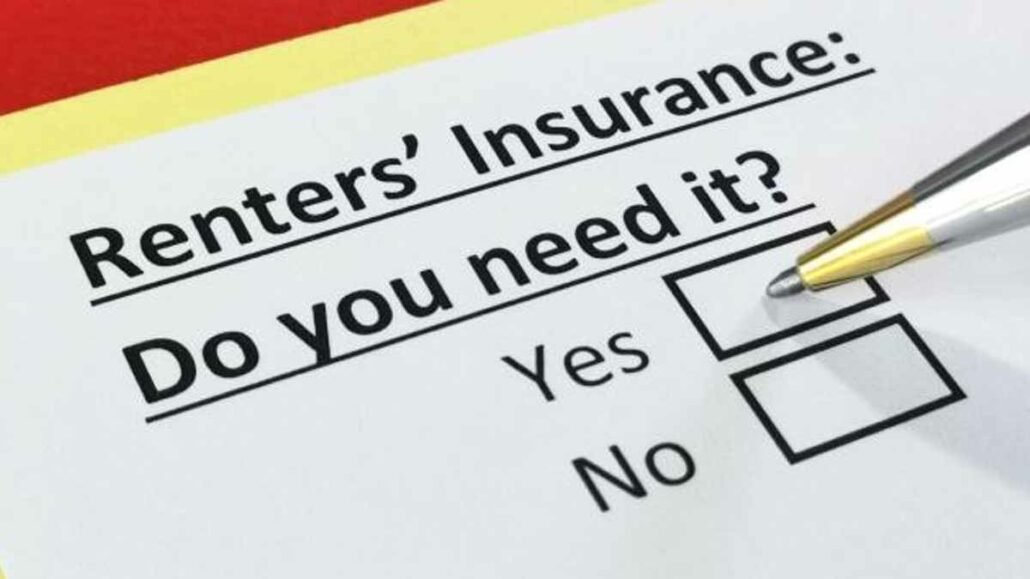
If you’ve ever wondered, “Does renters insurance cover personal injury?” you’re not alone. Renters insurance can cover personal injury, but it depends on the situation, the type of injury, and the exact wording in your policy. Insurance companies love details, and those details matter. For example, if your friend trips over your coffee table during game night and breaks an arm, that might be covered under your policy’s liability section. But if someone sues you for defamation over something you posted online, your coverage could vary widely.
Does Renters Insurance Cover Personal Injury

Personal injury coverage is about more than just medical bills. It can also involve legal defense, settlements, and protecting you from financial disaster if you’re held legally responsible for someone else’s harm. That’s why it’s so important to know exactly what your renters insurance covers and just as importantly, what it doesn’t.

How Much is Homeowners Insurance on a $150000 House
How Much Would a $1000 Payday Loan Cost
Mortgage Lenders have the Lowest Rates
Get a Loan- Find a Loan Lender
Housing Assistance Payments
Mortgage 30 Year Fixed Rate – Find the Best Rates & Info
Mortgage 0 Down – Buy a Home with No Down Payment
Loan Discharge – Understand Your Options & Eligibility
Loan Xpress Pay – Fast Online Personal Loans
Loan 3000 – Get a $3000 Loan Instantly
Loan to Pay Off Credit Cards – Consolidate Debt & Save Money
Mortgage 150k House – How Much House Can I Afford

Understanding Personal Injury in Renters Insurance

When we talk about “personal injury” in renters insurance, we’re not just talking about physical injuries like broken bones. The term has a broader meaning in the insurance world. In fact, many policies define personal injury as harm caused to someone else through:

  • Bodily injury (physical harm, illness, or disease)
  • Emotional distress
  • Libel, slander, or defamation
  • False arrest or wrongful eviction
  • Invasion of privacy

This means that personal injury isn’t always about someone falling or getting hurt physically, it can also cover reputational or emotional harm.

some insurance companies use “personal injury” and “bodily injury” differently. Bodily injury usually means physical harm, while personal injury can include non-physical harm. Depending on your policy, you might need an endorsement (add-on) to cover certain types of personal injury claims.

What Does Renters Insurance Cover?

At its core, renters insurance usually covers three main things:

  • Personal Property Coverage: Protects your belongings (furniture, electronics, clothes) from risks like fire, theft, or certain natural disasters.
  • Liability Coverage: Helps pay for injuries or damage you cause to others, including legal costs.
  • Additional Living Expenses: Covers extra costs if your rental becomes uninhabitable due to a covered event (like staying at a hotel while repairs are made).

Personal injury coverage often falls under liability coverage. That means if you’re legally responsible for hurting someone, physically, emotionally, or reputationally, your renters insurance might step in to help.

Example: If your dog bites a guest in your apartment, your liability coverage might pay for their medical bills and any legal costs if they sue you. On the other hand, if you accidentally injure yourself, your renters insurance won’t cover it, because it’s designed to protect others from harm you cause, not to cover your own injuries.

When Does Renters Insurance Cover Personal Injury?

There are many everyday situations where renters insurance can protect you from personal injury claims. Here are some common ones:

  • Slip-and-fall accidents in your home: If a guest trips over a rug and sprains their ankle.
  • Dog bites: If your pet bites someone, whether inside your rental or sometimes even off-premises.
  • Accidental damage during activities: If you’re playing catch in the hallway and accidentally hit someone in the face with a ball.
  • Defamation or libel: If someone claims you damaged their reputation through spoken or written words.
  • Accidental harm caused away from home: In some cases, your coverage may follow you outside your rental property.

The key thing to remember is that renters insurance covers accidents, not intentional harm. If you purposely hurt someone or cause damage, your policy won’t protect you.

When Renters Insurance Does NOT Cover Personal Injury

This is the part most people overlook, and it can be the most costly mistake. Renters insurance usually won’t cover personal injury in situations like:

  • Intentional acts: If you purposely hurt someone, there’s no coverage.
  • Injuries related to business activities: If you run a business from home and a client gets hurt, you need separate business insurance.
  • Motor vehicle accidents: Your renters policy won’t cover injuries from car accidents; that’s what auto insurance is for.
  • Injuries to you or your household members: It’s for protecting others, not you or your family.
  • Certain dog breeds: Some insurers exclude coverage for breeds they consider high-risk.

A common misconception is that renters insurance covers “any injury” that happens in your rental unit. That’s simply not true. The cause of the injury matters, and so does your policy’s wording.

Does Renters Insurance Cover Personal Liability?

A lot of people get confused between personal injury and personal liability. While they’re related, they’re not the same thing. Personal liability is the part of your renters insurance that helps pay if you’re legally responsible for someone else’s injury or property damage. Think of it as your financial safety net when accidents happen.

For example, let’s say a guest visits your apartment, trips over your laptop cord, and fractures their wrist. If they decide to sue you for medical expenses and lost wages, your personal liability coverage could step in to handle the legal costs and settlement, up to your policy’s limit. Without it, you’d be paying those costs out of pocket, which can easily run into tens of thousands of dollars.

Personal injury often falls under the personal liability section of your policy, but not always. Some policies list “personal injury” separately and require you to purchase additional coverage for things like defamation or invasion of privacy. The safest way to know is to check your declarations page (the summary page of your policy) and see if “personal injury” is listed.

Personal liability coverage is the backbone of how renters insurance protects you financially. If you’re unsure whether it includes personal injury, ask your insurer directly, don’t just assume. That one question could save you from a nasty surprise later.

Does Renters Insurance Cover Personal Injury Claims?

Yes, but only in certain situations and only if the claim falls within your policy’s rules. Filing a personal injury claim on renters insurance usually starts with you notifying your insurer as soon as the incident happens. Time is important here because most policies require you to report the event promptly.

Here’s how the process usually works:

  • Incident occurs: Someone gets hurt, either physically or through non-physical harm like defamation.
  • You report it: Contact your insurance company, explain what happened, and provide as many details as possible
  • Investigation: The insurer will investigate the claim, which may involve interviewing witnesses, reviewing photos, or checking police reports.
  • Decision: The insurer decides whether the claim is covered under your policy and, if so, how much they’ll pay.

One thing to note: personal injury claims can be trickier than straightforward property damage claims. With injury claims, there’s often more at stake, medical costs, lost income, emotional distress, and even legal fees. That’s why insurers take them seriously and may scrutinize them more closely.

If you’re going to file a personal injury claim, keep thorough records: medical bills, witness statements, text messages, anything that can support your case. The more evidence you have, the smoother the process will be.

Does Renters Insurance Cover Property Damage?

While personal injury is about harm to people, property damage coverage is about harm to things. Renters insurance typically covers property damage you cause to others, not damage to your own property (that’s covered under the personal property section).

Here’s an example:

  • You accidentally spill coffee on a friend’s expensive laptop during a study session at your apartment. That’s property damage to someone else’s belongings, and your renters insurance liability coverage might help pay for repairs or replacement.
  • On the flip side, if your TV gets knocked over by your cat, your liability coverage won’t help, you’d file under your personal property coverage instead.

Sometimes personal injury and property damage claims overlap. Let’s say a guest falls and breaks both their arm and their phone. Your renters insurance might pay for their medical bills (personal injury) and their phone replacement (property damage).

However, there are limits. Most policies exclude damage you cause intentionally, damage to property you own, or property damage related to a business you run from home. Also, certain high-value items like jewelry or fine art may have coverage caps unless you buy extra protection.

From an insurance standpoint, property damage claims are often simpler to handle than injury claims. But both rely heavily on the liability portion of your policy, so having enough coverage is key.

Does Renters Insurance Cover Injuries Inside a Rental Unit?

This is one of the most common questions renters ask and the answer is a mix of yes, but. Renters insurance can cover injuries that happen inside your rental unit if you are found legally responsible for the injury. That means someone has to show that your actions or negligence led to their harm.

For example, if a guest slips on a wet kitchen floor because you spilled water and didn’t clean it up, that’s potentially your fault. If they decide to seek compensation, your liability coverage could help with medical bills and legal fees.

But there’s an important distinction:

  • Guests or visitors: Your liability coverage applies.
  • You or your household members: Your renters insurance will not pay for your own injuries; that’s what health insurance is for.

Also, sometimes the landlord’s insurance comes into play. If the injury was caused by something the landlord should have fixed like a broken staircase railing the landlord’s liability policy might be responsible, not yours.

So, while renters insurance can protect you for injuries inside your rental, it all depends on fault. That’s why keeping your living space safe for visitors is not only polite but also financially smart.

Does Renters Insurance Cover Legal Fees and Settlement Costs?

One of the best hidden benefits of renters insurance is that it often covers legal defense costs if you’re sued over a covered event. This is huge, because hiring a lawyer, even for a simple case, can cost thousands of dollars.

If you’re sued for personal injury or property damage, your liability coverage may pay for:

  • Attorney fees
  • Court filing costs
  • Expert witness fees
  • Settlements or judgments

The great thing? These legal defense costs are usually paid in addition to your liability limit. So if you have $300,000 in liability coverage and your legal defense costs $50,000, that $50,000 typically doesn’t eat into your $300,000 limit (though this can vary by insurer).

For example, imagine you’re accused of causing emotional distress after a neighborly disagreement escalates. Even if the claim seems silly, you can’t just ignore it, legal action requires a defense. Your renters insurance could hire a lawyer for you and cover settlement costs if necessary.

However, be aware of exclusions: if the case involves intentional harm, criminal activity, or business-related incidents, you might be on your own. Always confirm what’s included before assuming you’re covered.

From my perspective, this is one of the most valuable parts of renters insurance, because it’s not just about paying for damages, it’s about protecting you from the crushing costs of the legal process itself.

What Type of Insurance Covers Personal Injury?

While renters insurance can cover some personal injury situations, it’s not the only type of insurance that does. In fact, depending on the nature of the injury, other insurance policies might be more appropriate, or even necessary, to fully protect yourself.

Here are the main types:

  • Renters Insurance: Covers certain personal injuries you cause to others, usually under the liability section.
  • Homeowners Insurance: Similar to renters insurance, but for property owners.
  • Umbrella Insurance: Offers extra liability coverage beyond your renters or homeowners policy limits. If you have high risk exposure or assets to protect, an umbrella policy is a smart move.
  • Health Insurance: Covers your own medical bills, but not someone else’s.
  • Landlord’s Liability Insurance: Covers injuries caused by property defects the landlord is responsible for fixing.
  • Specialty Insurance: Covers specific situations, like business liability insurance for work-related injuries in your home.

For example, if your dog bites a delivery driver, your renters insurance might cover it. But if your liability limit is $100,000 and the claim costs $300,000, an umbrella policy could cover the remaining $200,000. Without it, you’d pay the difference out of pocket.

The truth is, renters insurance is great for many everyday risks, but it’s not a one-size-fits-all solution. Just like you wouldn’t expect a raincoat to protect you in a snowstorm, you shouldn’t expect renters insurance to handle every type of personal injury claim. The smart approach is to layer your protection, having multiple policies that work together so you’re not left exposed.

If you’re unsure what combination of coverage you need, talking to an independent insurance agent can help you compare options. Sometimes the cost to upgrade your protection is surprisingly low compared to the potential financial disaster you’d face without it.

The Fine Print: Policy Terms You Should Read

I’ll be honest, insurance policies aren’t exactly beach reading. But if you want to avoid nasty surprises, you need to spend some time with the fine print. This is where insurers spell out exactly what’s covered, what’s excluded, and under what conditions they’ll pay.

Here are the key terms to look for in your renters insurance policy:

  • Definitions: How the policy defines “personal injury,” “bodily injury,” and “occurrence.” These definitions determine what’s covered.
  • Exclusions: A list of events or situations your policy won’t cover, like intentional acts or certain high-risk activities.
  • Coverage Limits: The maximum your insurer will pay for a claim.
  • Endorsements: Optional add-ons that expand your coverage, such as personal injury endorsements for defamation claims.
  • Conditions: Rules you must follow to keep coverage valid, like reporting incidents promptly.

For example, you might assume that your policy covers all dog bites, but the fine print could list certain breeds that are excluded. Or you might think emotional distress claims are covered, but your policy could limit them to situations involving libel or slander only.

If your policy language feels overwhelming, don’t hesitate to call your insurer for clarification. A good agent should be able to walk you through each section in plain English. The goal is to make sure your expectations match reality, before you need to file a claim.

Tips for Choosing the Right Renters Insurance

Picking a renters insurance policy shouldn’t be about finding the cheapest option, it’s about finding the right option for your needs. Here’s how I approach it:

  • Evaluate Your Risks: Do you have guests often? Own a pet? Work from home? Each factor can increase your liability exposure.
  • Check Coverage Limits: Many basic policies start at $100,000 in liability coverage, but I recommend at least $300,000 for better protection.
  • Look at Deductibles: Higher deductibles lower your monthly premium, but make sure you can afford them if you have to file a claim.
  • Ask About Personal Injury Endorsements: If your policy doesn’t already include non-physical injury coverage (like defamation), you can often add it for a small cost.
  • Compare Providers: Different insurers have different reputations for claims handling. Read reviews and ask friends for recommendations.

For instance, if you frequently host dinner parties, you might be more at risk for a guest slipping or tripping. That would make a higher liability limit a smart choice. On the other hand, if you rarely have visitors, you might prioritize personal property coverage instead.

Renters insurance is surprisingly affordable, often under $20 a month, so upgrading your coverage usually costs less than a single dinner out. And when you think about the financial protection it offers, that’s a trade-off most people are glad to make.

FAQs

What is personal injury on renters insurance?

Personal injury in renters insurance refers to harm you cause to someone else that’s not strictly about physical wounds. It can include things like defamation, libel, slander, false arrest, invasion of privacy, and sometimes emotional distress. Some policies also lump in bodily injuries, like broken bones or sprains, under the term “personal injury,” but many separate them. Always check your policy wording so you know what’s included.

What are three things that renters insurance typically does not cover?

Generally, renters insurance won’t cover:

  • Intentional harm you cause to someone or their property.
  • Business-related losses that happen while running a business from your home.
  • Certain high-risk events, like damage from floods or earthquakes (unless you buy extra coverage).

These exclusions vary by insurer, so your list might look a little different.

What type of insurance covers personal injury?

Renters insurance covers some personal injury claims, but other types like umbrella insurance, homeowners insurance, or even specialty liability insurance, may also apply. For injuries to you, you’d need health insurance. For injuries caused by your property’s condition (like faulty stairs), your landlord’s insurance might cover it instead.

What are two examples when renters insurance would not cover the event?

Example one: You punch someone during an argument. That’s intentional harm, no coverage.

Example two: A client visiting your home office trips and gets hurt. If you don’t have business liability insurance, your renters policy likely won’t cover it.

Does renters insurance cover personal liability?

Yes. Personal liability is a standard part of renters insurance. It helps pay for injuries or property damage you cause to others, including legal fees if they sue you, up to your policy limit.

Does renters insurance cover personal injury claims?

Yes, but only if the injury is covered under your policy and you’re legally responsible. Coverage can include medical bills, settlements, and legal defense costs. You’ll need to report the incident quickly and provide documentation.

Does renters insurance cover property damage?

Yes, for property damage you cause to other people’s belongings. If you spill coffee on a friend’s laptop, that might be covered. Damage to your own stuff falls under personal property coverage, not liability.

What does renters insurance cover?

Most renters insurance policies cover three main areas:

  • Personal property: Your belongings.
  • Liability: Injuries or property damage you cause to others
  • Additional living expenses: Hotel stays, meals, or other costs if your rental becomes uninhabitable due to a covered event.

Does renters insurance cover injuries inside a rental unit?

Yes, if you’re legally responsible for the injury. It won’t cover your own injuries or those of people who live with you. If the landlord’s negligence caused the injury, their insurance may be responsible instead.

Does renters insurance cover legal fees and settlement costs?

Yes. If you’re sued over a covered incident, your policy usually pays for legal defense, court costs, and settlements, sometimes even beyond your liability limit.

Does renters insurance cover dog bites?

Often, yes, but not always. Some policies exclude specific breeds, and there may be a payout cap for animal-related injuries. Always check your policy for details.

Is there a deductible for personal injury claims?

Most liability claims, including personal injury, don’t require you to pay a deductible. Deductibles usually apply to property damage claims under the personal property section.

Can renters insurance cover injuries that happen outside my home?

Sometimes, yes. If you accidentally hurt someone while away from your rental, like hitting them with a stray baseball, your renters insurance might still cover you.

Does renters insurance cover medical expenses for guests?

Many policies include “medical payments to others” coverage, which pays for small medical bills without requiring proof of fault. This is separate from full liability coverage.

Can my landlord require renters insurance with personal injury coverage?

Yes. Many landlords now make renters insurance a condition of the lease, and some require specific coverage limits or endorsements.

Conclusion

So, does renters insurance cover personal injury? Yes, but with limitations. It’s there to protect you financially if you’re responsible for harming someone else, whether that harm is physical, emotional, or reputational. The key is knowing exactly what your policy says, making sure you have high enough liability limits, and adding endorsements if you need broader coverage.

For just a few dollars a month, renters insurance can save you from paying thousands, or even hundreds of thousands, out of pocket. But only if you understand how it works and use it wisely.


When Do You Need Legal Insurance

0

When do you need legal insurance? For some, the first time they faced a situation where they needed a lawyer but didn’t have the thousands of dollars they usually charge ready in their bank account. Legal insurance, in the simplest terms, is like having a lawyer on retainer without paying lawyer-level fees every month. You pay a small premium, and in return, you get access to legal advice and representation when life throws those unpleasant curveballs at you.

When Do You Need Legal Insurance

We insure our homes, cars, health, and even our phones. But legal trouble? Most people cross their fingers and hope it never happens. The reality is that legal issues pop up more often than we’d like to admit. Whether it’s reviewing a contract before signing, settling a landlord dispute, or even handling a traffic violation, having the right legal backup can be a lifesaver,  financially and emotionally.

How Much is Homeowners Insurance on a $150000 House
How Much Would a $1000 Payday Loan Cost
Mortgage Lenders have the Lowest Rates
Get a Loan- Find a Loan Lender
Housing Assistance Payments
Mortgage 30 Year Fixed Rate – Find the Best Rates & Info
Mortgage 0 Down – Buy a Home with No Down Payment
Loan Discharge – Understand Your Options & Eligibility
Loan Xpress Pay – Fast Online Personal Loans
Loan 3000 – Get a $3000 Loan Instantly
Loan to Pay Off Credit Cards – Consolidate Debt & Save Money
Mortgage 150k House – How Much House Can I Afford

What is Legal Insurance?

Legal insurance, sometimes called “prepaid legal services,” is a type of coverage that helps you access affordable legal help when you need it. Instead of paying a lawyer hundreds of dollars per hour, you pay a small monthly or yearly premium to a legal insurance provider. In return, you can get consultations, document reviews, representation, and other legal services, often at no extra cost or a heavily discounted rate.

Imagine you have a gym membership. You pay a set monthly fee, and you can use the gym as much as you want without paying extra each time. Legal insurance works similarly. You pay the membership fee (premium), and when legal problems arise, you can “work out” your issues with a lawyer who’s already in your network.

What makes it different from other insurance types is that it’s not about replacing something you’ve lost (like car insurance after an accident). It’s about giving you access to a resource you might otherwise avoid because of the cost.

For example:

  • Need a lawyer to review an employment contract? Covered.
  • Want to draft a will or trust? Often covered.
  • Facing a landlord dispute over your security deposit? Covered.

However, legal insurance does have limits. Not every case or type of legal work will be fully included. Sometimes, certain situations like major criminal cases might only be partially covered, meaning you’ll still have to pay some costs. That’s why it’s important to read the fine print before signing up.

How Legal Insurance Works

If you’ve never had legal insurance before, the process is pretty straightforward, but there are a few things to know so you don’t get caught off guard.

  • You choose a plan: Just like health or car insurance, you pick a provider and a plan that suits your needs. Plans vary in price depending on coverage, the size of the lawyer network, and whether it’s for individual or family use.
  • You pay premiums: These are usually affordable, ranging from $15 to $50 per month, depending on the coverage level. Some employers even offer it as part of their benefits package.
  • You use their lawyer network: When you need help, you call your provider, explain your situation, and they connect you with a lawyer in their network. This is important because most legal insurance plans only work with their approved attorneys.
  • Coverage kicks in: Depending on your plan, the cost of services might be fully covered or significantly discounted. For instance, a 10-hour contract review might be free with your plan, but going to trial could still cost extra.

Imagine you’re buying your first home. The mountain of legal paperwork looks like it’s written in another language. With legal insurance, you can call a network attorney who will review the contracts, explain the terms, and make sure you’re not signing something that could cause headaches down the road, without getting slammed with a huge bill.

Common Situations Where You Might Need Legal Insurance

Let’s be honest, most people don’t think they’ll ever need a lawyer unless they commit a crime or get sued. But legal situations can sneak up on you in everyday life. Here are some examples where legal insurance can save the day:

  • Buying or Selling Property: Real estate transactions involve complex contracts. A lawyer can help ensure you’re not agreeing to something unfair or risky.
  • Family Issues: Divorce, child custody, and adoption are emotional and legal minefields. Having affordable access to legal advice makes a huge difference.
  • Employment Disputes: If you’re unfairly terminated, discriminated against, or denied benefits, legal insurance can give you the tools to fight back without draining your savings.
  • Criminal Defense: Even minor charges like traffic violations can benefit from legal representation.
  • Identity Theft: Some plans include support for restoring your identity if it’s stolen.

Benefits of Having Legal Insurance

There are other perks worth mentioning:

  • Financial Savings: Even a single legal case can cost thousands. Legal insurance can save you from that kind of financial shock.
  • Access to Quality Legal Advice: You’re connected to vetted professionals instead of randomly searching online for a lawyer.
  • Preventive Legal Help: Catching issues early can prevent bigger, more expensive problems later.
  • Confidence: Whether you’re signing a contract or negotiating a dispute, having a lawyer on your side makes you more confident in your decisions.

Legal insurance works the same way, it’s not about being paranoid, it’s about being smart.

When You Don’t Need Legal Insurance

Now, here’s the thing, legal insurance isn’t for everyone, and I think it’s only fair to talk about when you don’t really need it.

For example, if you already have free or low-cost access to legal help through your job, a union, or a professional association, you might not need a separate policy. Many large employers have legal assistance built into their employee benefits, and some credit unions or membership organizations offer it too.

Another time you might skip it is if you rarely face situations that require legal advice. If your life is fairly straightforward, no major property transactions, no business dealings, no custody battles, no legal gray areas, you might find you’ll never use the coverage enough to justify paying monthly premiums.

Also, if you already have a trusted lawyer you work with who offers affordable rates, you might not see much value in legal insurance. This is especially true if they already handle your needs at a reasonable flat fee rather than hourly billing.

But here’s my word of caution: life changes quickly. The problem with not having legal insurance is that when trouble does come, it usually comes fast and unexpectedly, like a letter in the mail summoning you to court or a sudden dispute over a contract you thought was fine. So, even if you decide you don’t need it now, it’s worth keeping on your radar for the future.

How to Choose the Right Legal Insurance Plan

If you’ve decided legal insurance might be worth it, the next step is finding a plan that actually works for you. This isn’t a “one-size-fits-all” situation.

Here are the things to look at:

  • Coverage Details: Does it cover the kind of legal help you might need? For example, if you’re a landlord, does it cover tenant disputes? If you’re a freelancer, does it include contract reviews?
  • Network Size: How many lawyers are in the plan’s network in your area? The last thing you want is to have coverage but no available attorney within 100 miles.
  • Exclusions: Read the fine print. Some plans exclude criminal defense or certain types of family law cases.
  • Cost: The cheapest isn’t always the best. Compare the premium against the value of the services you’re likely to use.
  • Customer Reviews: See what others say about the provider’s service. Are they easy to reach? Do they connect you to lawyers quickly?

If you’re anything like me, you might find comparing plans overwhelming. My advice? Make a short list of the legal situations you’re most likely to face, then compare only those parts of the coverage. That way, you avoid getting lost in a sea of benefits you’ll never use.

Cost of Legal Insurance

One of the biggest questions I hear is, “How much does legal insurance cost?” The good news is that compared to hiring a lawyer outright, the price is surprisingly reasonable.

On average, an individual plan costs between $15 and $50 per month, depending on the provider and the level of coverage. Family plans can range from $25 to $75 a month. If your employer offers it as a benefit, you might even pay less because they negotiate bulk rates.

To put this into perspective: hiring a lawyer without insurance can easily run $200 to $500 per hour, and that’s just for basic legal work, not going to trial. So, even if you use your plan just once or twice a year, you can often save more than you spend on premiums.

Of course, the real value depends on how much you actually use it. If you go years without calling a lawyer, you might feel like you wasted your money. But if you face just one major legal issue like drafting a will, defending against a lawsuit, or reviewing a complex contract, the plan can pay for itself many times over.

Legal Insurance vs. Malpractice Insurance

A lot of people confuse legal insurance with malpractice insurance, and I get why. Both involve lawyers and legal situations, but they’re completely different products.

  • Legal Insurance: Helps you as an individual (or business) get affordable access to legal advice and representation. It’s about using a lawyer.
  • Malpractice Insurance: Protects professionals, including lawyers and doctors, against claims that they made a mistake in their work. It’s about defending against lawsuits.

So, if you’re a doctor worried about being sued by a patient, you need malpractice insurance. If you’re a regular person who just wants affordable access to a lawyer for personal matters, you need legal insurance.

Think of it like this: malpractice insurance is for the people providing a service, while legal insurance is for the people receiving it.

Is Legal Insurance Worth the Cost?

This is the million-dollar question, isn’t it? Honestly, whether legal insurance is worth it depends on your lifestyle, your risk tolerance, and your budget.

If you’re someone who rarely deals with contracts, disputes, or legal documents, you might not get your money’s worth. But if you own property, run a business, have kids, or find yourself signing legally binding agreements often, legal insurance can be a game-changer.

Why You Should Enroll in Legal Insurance

If you’re still on the fence, let me be clear enrolling in legal insurance isn’t about expecting trouble. It’s about making sure you’re not caught off guard when life gets complicated.

The biggest reason I believe in having legal insurance is accessibility. Legal services are notoriously expensive, and many people avoid seeking help simply because they can’t afford it. That’s risky. Small issues left unchecked can snowball into legal nightmares that are far more costly and stressful.

Here’s the thing, you don’t have to wait until you’re knee-deep in a legal mess to use your coverage. Many legal insurance plans offer preventive services like contract reviews, will drafting, and consultations about upcoming decisions. Imagine the difference between reacting to a legal crisis versus preventing one in the first place.

Also, legal insurance can save you time. When you have a plan, you don’t waste hours Googling “lawyers near me” or trying to figure out who’s trustworthy. You simply call your provider, and they connect you to a vetted professional. That’s one less headache when you already have enough to worry about.

What to Expect After You Get Legal Insurance

Once you sign up for legal insurance, the first step is usually receiving your policy details and a list of network lawyers. Don’t just file it away, take time to read through what’s covered, what’s excluded, and how to make a claim.

Here’s what typically happens:

  • Identify your need: Whether it’s reviewing a lease, writing a will, or responding to a court notice.
  • Call your provider: They’ll confirm if your situation is covered and connect you to a network attorney.
  • Consult with your lawyer; Many plans cover the first consultation at no extra cost, and some include follow-up work.
  • Proceed with services: If it’s fully covered, you won’t pay anything extra. If it’s partially covered, you’ll pay the discounted rate.

One mistake I’ve seen people make is waiting too long to contact their legal insurance provider. Remember, it’s not just for emergencies. The sooner you involve your lawyer, the better your chances of avoiding big problems.

And here’s a tip, build a relationship with a lawyer in your network before you need them. That way, if a legal crisis comes up, they already know your situation and can jump in faster.

Frequently Asked Questions (FAQs)

What is legal insurance?

Legal insurance is a service you pay for monthly or annually that gives you access to legal advice and representation at reduced or no additional cost.

Should you buy legal insurance?

Yes, if you regularly face legal documents, contracts, disputes, or want peace of mind knowing you can call a lawyer without huge bills.

Why should you enroll in legal insurance?

Because it makes legal help affordable and accessible before problems get out of control.

Why do I need legal insurance?

To avoid the high costs of hiring a lawyer and to ensure you’re protected in legal situations.

Is legal insurance worth the cost?

For many people, yes, especially if you own property, run a business, or have ongoing legal needs.

What are the benefits of legal insurance?

It saves money, gives access to vetted lawyers, and helps prevent legal issues from escalating.

How expensive is legal insurance?

Typically between $15 and $50 per month for individuals and $25 to $75 for families.

Is legal insurance the same as malpractice insurance?

No, malpractice insurance protects professionals from lawsuits, while legal insurance helps individuals access affordable legal help.

What does legal mean in insurance?

In this context, “legal” refers to services and representation provided by licensed attorneys for covered issues.

Conclusion

When do you need legal insurance? In my opinion, the best time to get it is before you need it. Just like any other insurance, it’s not about predicting the future, it’s about being prepared for it.

Having legal insurance gives me confidence to face life’s unpredictable twists without worrying about the cost of calling a lawyer. It’s affordable compared to the alternative, and it turns legal help from a luxury into a tool anyone can use.

If you’ve ever hesitated to get legal advice because of the price, or if you’ve felt lost trying to navigate a legal situation alone, this coverage can be a real game-changer.

At the end of the day, it comes down to this: your legal health is just as important as your physical health, your financial health, and your home’s safety. If you wouldn’t go without car insurance, maybe it’s time to think twice about going without legal insurance, too.

Convenience Store Insurance – Cost & Reviews

0

What is Convenience Store Insurance?

Convenience store insurance is a specialized type of business insurance tailored for small retail stores that typically operate long hours and offer a wide variety of products. From snacks and soft drinks to alcohol, cigarettes, and even lottery tickets, these stores carry risks that not every standard business faces. If you run a small shop that serves a local neighborhood, you know how unpredictable things can get. That’s exactly why having convenience store insurance is not just smart, it’s essential.

Convenience Store Insurance

The keyword convenience store insurance fits right into this conversation because it’s something that safeguards both your store and your livelihood. Whether it’s a slip-and-fall accident, theft, fire, or damage from a burst pipe.

In today’s world, you’ve got to protect yourself from more than just physical damage. Even cyber attacks and data breaches can cripple your small shop.

How Much is Homeowners Insurance on a $150000 House
How Much Would a $1000 Payday Loan Cost
Mortgage Lenders have the Lowest Rates
Get a Loan- Find a Loan Lender
Housing Assistance Payments
Mortgage 30 Year Fixed Rate – Find the Best Rates & Info
Mortgage 0 Down – Buy a Home with No Down Payment
Loan Discharge – Understand Your Options & Eligibility
Loan Xpress Pay – Fast Online Personal Loans
Loan 3000 – Get a $3000 Loan Instantly
Loan to Pay Off Credit Cards – Consolidate Debt & Save Money
Mortgage 150k House – How Much House Can I Afford

Understanding the Risks Convenience Stores Face

Common Risks and Liabilities

Operating a convenience store might seem simple on the surface open the doors, sell stuff, restock. But beneath that simplicity is a tangle of risks waiting to surface. Let me walk you through some of the biggest ones seen happen to fellow store owners:

  • Slips, Trips, and Falls: Customers spilling coffee, tripping on a loose mat, or slipping on a freshly mopped floor are all classic liability claims.
  • Theft and Vandalism: Convenience stores are often targeted because of their long hours and the presence of cash or high-value items like cigarettes or lottery tickets.
  • Employee Injuries: Lifting heavy boxes, standing for hours, and dealing with heated customer disputes can lead to injury and lawsuits.
  • Fires and Electrical Hazards: Most stores have fridges, freezers, microwaves, and other electrical appliances. One short circuit can start a fire.
  • Natural Disasters: Floods, storms, and even heavy snow can cause damage that’s incredibly expensive to repair without insurance.

And it’s not just physical risk. If your point-of-sale (POS) system stores customer data, and that data gets breached? You’re looking at potentially huge costs in customer notifications, credit monitoring, and possible lawsuits.

Each of these risks represents a chunk of your income or, worse, your savings if you’re not protected. And the truth is, it’s not a matter of if something will happen. It’s a matter of when.

Types of Coverage You Need

General Liability Insurance

If you only get one type of insurance for your store, make it general liability insurance. This is the policy that steps in when someone sues you for injury or property damage that happens in your store.

Here’s what it covers:

  • Medical expenses if a customer gets injured inside your store.
  • Legal costs if someone files a lawsuit against your business.
  • Property damage caused to someone else’s belongings.

For example, if a customer slips on a wet floor and breaks their phone in the fall, this coverage helps you cover the costs. Even if the accident isn’t your fault, lawsuits can drain your savings just from attorney fees alone.

Most insurers recommend at least $1 million in general liability coverage for a retail store. And no, this isn’t overkill. In fact, it’s just about right for a business that sees dozens, if not hundreds, of customers each week.

Who Needs Convenience Store Insurance?

Small Independent Owners

Operating a cozy, independent convenience store in your neighborhood, convenience store insurance isn’t a luxury, it’s a lifeline. The reality is that even the smallest store can experience a mishap, such as a slip, a broken freezer, or a theft late at night, that could derail everything you’ve built.

Franchisees and Chain Locations

Now, if you’re part of a chain or a franchise, convenience store insurance takes on added importance. You might have brand requirements, uniform standards, and corporate oversight. I’ve seen franchisees who felt stuck with cookie-cutter policies, only to realize later that they didn’t match local risks, like crime around their particular location or specific city laws.

You need coverage that blends what corporate requires with what your location truly demands, maybe commercial auto insurance if you deliver goods, or extra property coverage if your area has frequent storms. In short, whether you’re flying solo or part of a bigger group, you still need tailored, smart coverage.

Cost of Convenience Store Insurance

How Much Is Insurance for a Small Retail Store?

Let’s talk numbers, because you deserve honesty, not guesses. For a small retail store, industry estimates show:

  • A Business Owner’s Policy (BOP) averages about $95 per month, around $1,136 a year
  • Convenience stores tend to cost more, averaging about $184 per month, so roughly $2,200 per year
  • Another source reports a BOP for a convenience store at $150/month, or $1,800/year

The price depends on store size, location, crime level, and coverage limits. Clearly, the more coverage and the higher the risk, the more you’ll pay, but that protection is invaluable.

How Much Is Vending Insurance?

If you add vending operations, maybe machines inside or outside your store, there’s extra cost.

  • General liability for vending businesses runs about $400–$500 per year (for sales under $100K)

That’s roughly $33–$42 per month.

Budget-Friendly Options and Ranges

To help you plan, here’s a breakdown:

Coverage TypeTypical Monthly Cost
Business Owner’s Policy (BOP)$95-$184 (small store)
General Liability (standalone)$42
Property Insurance$87
Worker’s Compensation$75-$86
Vending Liability (if applicable)$33-$42

How to Choose the Right Policy

Do You Need a Convenience Store Insurance Agent?

Honestly? Yes. If you’re thinking “Do I need an agent?”, I’d say it’s worth it, especially an independent one.

Independent agents work for you, not one insurer. They can compare quotes from multiple providers, understand your risks, and help you mix and match coverage: general liability, property insurance, crime, cyber, we’ve covered a lot already, right? An agent can guide you through that maze.

Comparing Quotes & Policies

Here’s how to walk through it:

  1. Gather quotes from at least three insurers or agents.
  2. Check what’s included in each quote, limits, deductibles, extra protections.
  3. Look at discounts for bundling some providers give 10% off if you buy liability, property, and workers’ comp together
  4. Ask about safety incentives alarms, fire suppression, employee training can lower your premium.
  5. Don’t just compare prices, compare the value of what you get. The cheapest policy might not cover the claim you fear most.

Do You Really Need It?

What Happens If You Don’t Have Convenience Store Insurance?

Imagine you come into work one morning and your front window is shattered. The till is gone, cigarettes and scratch cards cleared out, and your freezer’s compressor died in the chaos, spoiling $1,000 worth of stock. Now what?

If you don’t have convenience store insurance, everything I just mentioned is your financial burden. Every. Single. Dollar.

Without insurance:

  • You pay out of pocket for repairs and inventory losses.
  • You may face lawsuits from customers or employees and handle legal fees alone.
  • You might even lose your store altogether if you can’t afford the recovery costs.

For many small shop owners like us, there’s just no margin for error. One big loss without a safety net can wipe out months or years of hard work. And if you’re leasing your space, your landlord might require property insurance as part of your rental agreement.

Even worse? If a customer sues for an injury and you’re found liable, your personal assets could be at risk. We’re talking about your car, your savings, maybe even your home. That’s the kind of stress you don’t need.

So no, convenience store insurance isn’t some “extra.” It’s a non-negotiable. It’s your store’s seatbelt.

Getting Started With Convenience Store Insurance

How Do I Get Convenience Store Insurance?

If you’re asking “How do I get convenience store insurance?”, I’ve got you. Here’s the basic path to follow:

Assess Your Risks

Think about everything in your store inventory, fridges, alcohol sales, employees, late hours, neighborhood. Write it all down. The more detailed you are, the better your coverage can be.

Work With a Licensed Agent

Find an insurance agent who knows retail, preferably convenience stores. They’ll guide you through the different coverages, explain the fine print, and help you avoid the typical traps.

Gather Key Documents

You’ll likely need:

  • Business license
  • Store lease
  • Inventory list
  • Sales volume and revenue projections
  • Employee count
  • Equipment and asset values

Request Multiple Quotes

Don’t settle for the first offer. Let your agent shop around or use comparison tools online. Look at three policies before choosing one that offers good coverage without overpaying.

Choose Your Coverage Wisely

Focus on liability, property, and business interruption at a minimum. Then add extras like equipment breakdown or cyber coverage based on what’s important to you.

Review Annually

Your business will change. So should your insurance. Ensure you review your policy every year to make sure it still matches your risks and store setup.

Convenience Store vs Gas Station Insurance

Do You Offer Gas Station & Convenience Store Insurance?

Yes, there are providers out there who bundle coverage for both gas stations and convenience stores. Why? Because these two types of businesses share many overlapping risks property damage, customer injury, theft, and employee claims, but they also have key differences.

For example:

  • A gas station might need underground tank pollution coverage.
  • A convenience store that sells alcohol will need liquor liability.
  • Both need general liability, commercial property, and business interruption insurance.

So if you’re running a combo store like many do, make sure your insurer understands both worlds.

Similarities and Differences in Coverage

Here’s a quick comparison:

Coverage TypeConvenience StoreGas Station
General LiabilityYesYes
Property InsuranceYesYes
Business InterruptionYesYes
Equipment BreakdownYesYes
Liquor LiabilityOptionalRare
Underground Storage TanksNoYes
Pollution LiabilityNoYes

As you can see, you’ll want a package that covers both if you’ve got fuel pumps and snack racks side-by-side.

Tips for Lowering Your Insurance Costs

Bundling Policies

One of the easiest ways to reduce your premium? Bundling.

Instead of buying separate policies from multiple companies, you can combine.

  • General liability
  • Property insurance
  • Business interruption
  • Equipment breakdown

into one Business Owner’s Policy (BOP). This bundled package saved me about 15% compared to separate policies. Insurers love bundling because it simplifies things for them, and they reward you for it.

If you haven’t asked your provider about bundling, do it. You’ll be surprised how much it can shave off your bill.

Improving Store Safety

Another tip? Focus on safety. The safer your store, the less risky you appear to insurers, which means lower premiums.

Here’s what to do:

  • Installed security cameras inside and out.
  • Upgraded my locks and added motion-activated lighting.
  • Trained my employees in safety protocols, like mopping spills immediately and using wet floor signs.
  • Got a monitored fire alarm and fire extinguishers.

FAQs

Are convenience stores insured?

Yes, most convenience stores carry insurance to protect against customer injuries, property damage, theft, and other business-related risks. If they’re not insured, they’re taking a big financial gamble.

What kind of insurance does a retail store need?

At minimum: general liability, commercial property, and business interruption insurance. Add workers’ comp, liquor liability, and cyber coverage if needed.

How much is insurance for a small retail store?

Most small stores pay between $1,200 and $2,500 annually, depending on location, size, and coverage level.

How much is vending insurance?

Vending insurance typically runs $400–$600 per year, but can vary based on sales volume and number of machines.

Do you offer gas station & convenience store insurance?

Yes, many insurers bundle coverage for stores that also sell gas. Just be sure to ask about underground storage tank and pollution liability coverage.

What is convenience store insurance?

It’s a tailored insurance package that protects retail convenience stores from risks like theft, fires, lawsuits, employee injuries, and business interruptions.

Do you need business insurance for a convenience store?

Absolutely. Most landlords require it, and going without it leaves you open to lawsuits, repair costs, and massive financial losses.

How do I get convenience store insurance?

Contact a licensed agent who specializes in retail or small business insurance. Provide details about your store size, location, sales, and employees.

What happens if you don’t have convenience store insurance?

You could face lawsuits, pay out of pocket for damages or theft, and potentially lose your store entirely.

Do you need a convenience store insurance agent?

Yes, especially if you’re new to insurance or want tailored advice. Agents can compare quotes and help you avoid gaps in coverage.

Is insurance required by law for retail stores?

In many states, workers’ comp and liability insurance are legally required, especially if you have employees.

Does insurance cover customer injuries?

Yes, general liability insurance typically covers medical bills and legal fees if a customer is hurt on your premises.

Can I get coverage for 24/7 operations?

Definitely. Many insurers specialize in 24/7 convenience stores and will include protections for late-night risks.

Conclusion

Convenience store insurance isn’t just about checking a box, it’s about protecting your hard work, your investment, and your future. From slips and injuries to theft, fires, and cyber threats, your store faces more risks than you might realize. And if something goes wrong, the cost of not having coverage could be devastating.

Redpoint County Mutual Insurance – How to File a Claim

0

Redpoint County Mutual Insurance Company isn’t like the massive national names you see in TV ads. It’s more focused, more regional, and in many ways, more human. Redpoint operates in a space that caters mostly to Texans, yeah, that’s right. It’s a Texas-based mutual insurer, and that really shapes the way they do business.

Redpoint County Mutual Insurance

Redpoint County Mutual was formed specifically to serve the state of Texas. And unlike those big-name carriers that try to do everything everywhere, this company honed its craft in one place. That might sound limiting, but for me, it gave a sense of specialization, like they actually get the roads, the drivers, and even the laws around here.

How Much is Homeowners Insurance on a $150000 House
How Much Would a $1000 Payday Loan Cost
Mortgage Lenders have the Lowest Rates
Get a Loan- Find a Loan Lender
Housing Assistance Payments
Mortgage 30 Year Fixed Rate – Find the Best Rates & Info
Mortgage 0 Down – Buy a Home with No Down Payment
Loan Discharge – Understand Your Options & Eligibility
Loan Xpress Pay – Fast Online Personal Loans
Loan 3000 – Get a $3000 Loan Instantly
Loan to Pay Off Credit Cards – Consolidate Debt & Save Money
Mortgage 150k House – How Much House Can I Afford

What Does Redpoint County Mutual Insurance Offer?

What exactly does Redpoint County Mutual Insurance offer?

Redpoint County Mutual specializes in auto insurance. That’s it. They’re not selling you homeowners, renters, or life insurance policies. They stick to what they know best, that’s actually a good sign.

The company provides policies primarily for personal auto insurance. This includes basic liability, collision, and comprehensive coverage. So whether you’re at fault in an accident, hit a deer on a country road, or wake up to a cracked windshield, they’ve got you covered.

What makes them stand out is how they approach high-risk drivers. They don’t shy away from people who’ve had a few hiccups on the road. In fact, they’re known for offering non-standard auto insurance. That means they’re more likely to insure folks with driving records that might make other companies back away slowly. And trust me, we all make mistakes, right?

One thing to note: because Redpoint works through independent agents, your exact coverage and price can vary based on who you go through. So it pays to ask questions, shop around, and make sure the agent is clear about your needs.

Is Redpoint County Mutual Insurance Legit and Reliable?

You might be wondering, “Okay, this all sounds good, but is Redpoint County Mutual Insurance really legit?”. We’ve all seen those fly-by-night companies that seem great on paper but disappear when it’s time to file a claim.

Redpoint is the real deal. They’re fully licensed and regulated by the Texas Department of Insurance. That’s a big deal because it means they’re held to legal standards just like the major players. They can’t just take your money and run.

Also, they’re rated as financially stable through their partnership with State National Insurance Company, which underwrites their policies. That connection helps strengthen their foundation and gives policyholders more confidence in their ability to pay out claims when the time comes.

Who Owns Redpoint County Mutual Insurance?

Who owns Redpoint County Mutual Insurance? Well, technically speaking, Redpoint County Mutual is a mutual insurance company, which means it’s owned by its policyholders, not by shareholders. That’s one of the big differences between mutual insurers and stock companies. When you buy a policy, you’re not just a customer, you’re kind of like a stakeholder.

But don’t expect dividends or voting rights; it’s not that kind of ownership. It just means the company is structured to serve the people buying insurance rather than outside investors.

What’s interesting is their partnership with State National Insurance Company, which handles the underwriting. Think of State National as the financial backbone, while Redpoint handles the Texas-specific, customer-facing side of things. This relationship gives Redpoint stability and lets them focus on serving the market they know best, Texans.

So while you won’t see a famous billionaire CEO at the helm or a public stock ticker, what you will see is a company built to serve real drivers in the real world, that’s worth more than a corporate logo.

Where is Redpoint County Mutual Insurance Company Located?

So, let’s talk geography, because where a company is based actually says a lot about how it operates. Redpoint County Mutual Insurance is proudly headquartered in Austin, Texas, and yes, that Texas pride really runs deep through their business model. If you’re a Texan, you’ll probably appreciate how this company stays close to home and focuses entirely on your backyard.

What’s also unique is that Redpoint County Mutual doesn’t have a public-facing storefront or flashy national call center. You won’t find massive advertising campaigns or Super Bowl commercials. Instead, they operate through local, independent agents and managing general agencies (MGAs) all over Texas. That setup means they’re not necessarily sitting in a fancy glass building waiting to answer your call, they’re working with boots-on-the-ground partners who know your roads, your traffic patterns, and your local laws.

So while the central Redpoint County Mutual Insurance company is based in Austin, its real reach stretches across the entire Lone Star State thanks to its partnerships. And that’s a big win for drivers like us, who want real support and local insight, not just another customer service script.

How to Get Coverage from Redpoint County Mutual

Okay, let’s say you’re ready to sign up. You’ve read about the company, you like their Texas roots, and now you’re wondering, “How do I actually get coverage from Redpoint County Mutual Insurance?”

Well, here’s where it gets just a little different from your typical online insurance shopping experience. You can’t go directly to Redpoint’s website and plug in your zip code for a quote. Instead, Redpoint works through Managing General Agents (MGAs) and independent insurance agents across Texas.

So what does that mean for you? It means you’ll need to go through a licensed agent that’s affiliated with Redpoint. That might sound like a hassle, but honestly, it’s kind of a blessing in disguise. These agents know the ins and outs of both Redpoint’s offerings and your local area. They can help you find the right coverage based on your driving history, the kind of car you have, and even the area where you live.

Does Redpoint County Mutual Insurance Offer Online Car Insurance?

Let’s get this straight: in today’s world, everyone wants to do everything online, from ordering groceries to buying a car. So it’s fair to ask, does Redpoint County Mutual Insurance offer online car insurance?

The short answer? Not exactly. You won’t find a “Get a Quote” button on their website, and you won’t be able to create an account or download an app to manage your policy directly through Redpoint. That’s because, as I mentioned earlier, Redpoint doesn’t sell policies directly to customers. Instead, they distribute through a network of agents and managing general agencies (MGAs).

Now, before you roll your eyes and think this sounds old-school, let me tell you something that surprised me. While Redpoint itself doesn’t offer a slick online platform, many of the agents who represent Redpoint do have online systems where you can request a quote, view documents, or even make payments. So, in a way, you do get an online experience, it’s just filtered through your agent.

If you’re all about that 100% digital insurance experience, Redpoint might feel a bit clunky. But if you’re okay with working through a tech-savvy agent who handles the online side for you, then you’ll still get that convenience you’re looking for.

Redpoint County Mutual and High-Risk Car Insurance

If you’ve ever been labeled a “high-risk driver,” you know how hard it can be to find affordable insurance. Maybe you’ve had a few tickets, maybe an accident or two, or maybe you’re just a new driver. Whatever the case, most big insurance companies don’t exactly roll out the red carpet. But here’s where Redpoint County Mutual Insurance comes through.

Redpoint has carved out a space in what’s known as the non-standard auto insurance market. That means they specialize in insuring folks that other companies turn away.

What makes Redpoint different is their willingness to take on these higher-risk policies without jacking up your premiums to sky-high levels. They work with agents who understand these situations and know how to build coverage that meets state requirements without breaking your budget.

They also provide SR-22 filings, which you might need if your license was suspended or you were caught driving without insurance. For me, that option alone made Redpoint worth considering.

If your driving record isn’t perfect, or you’re just getting back on the road after a bump in the road, Redpoint is one of the few companies that still treats you like a human instead of a liability.

How Do I File a Claim at Redpoint County Mutual Insurance Company?

Nobody wants to deal with insurance claims, but when you do, you need the process to be simple, fair, and fast. That’s exactly what I wanted to find out when I asked myself, “How do I file a claim at Redpoint County Mutual Insurance Company?”

The process, as it turns out, is handled mostly through your independent insurance agent or the Managing General Agent (MGA) who issued your policy. This may sound like an extra step, but it actually means you get a more personal experience. Instead of waiting on hold with some faceless call center, you’re usually dealing with someone who already knows your situation.

If you ever need to file a claim with Redpoint, just remember: start with your agent, and they’ll take it from there. The process might not be instant, but it’s smooth and human, and in a world full of automated replies, that’s something I’ll always appreciate.

Pros and Cons of Redpoint County Mutual Insurance

Let me give it to you straight no company is perfect. Every insurance provider has its ups and downs, and Redpoint County Mutual Insurance is no exception. After looking into it and personally digging through reviews, policies, and conversations with agents, here’s what stood out for me: the good and the not-so-good.

The Good Stuff:

  • High-Risk Coverage: If you’re a driver who’s had a couple of slip-ups tickets, accidents, or even an SR-22 requirement, Redpoint is one of the few who won’t turn you away. That alone makes them a lifesaver for many.
  • Local Expertise: Since Redpoint is Texas-based, everything about their coverage is designed with Texas drivers in mind. That means better understanding of local driving laws, risks, and even weather-related issues.
  • Independent Agents: They work with local agents who are actually helpful. You’re not calling a robot or dealing with someone who barely knows your name.
  • Financial Backing: Their partnership with State National Insurance Company gives them a solid backbone, so you don’t have to worry about whether your claims will be paid.

The Not-So-Good:

  • No Direct Online Access: This is a big one. You can’t manage your policy or get a quote directly through Redpoint’s website. It’s all done through third-party agents, which could feel old-school if you’re used to managing everything through an app.
  • Limited Info Online: Trying to research Redpoint can feel like a bit of a mystery hunt. They don’t have as much online transparency as other insurers, and you’ll rely a lot on what your agent tells you.
  • Availability: They only operate in Texas, so if you move out of state, you’re going to need new coverage.

If you’re okay working through a local agent and not glued to a mobile app, Redpoint is a great option, especially if your driving history isn’t squeaky clean.

Frequently Asked Questions (FAQs)

Is Redpoint County Mutual Insurance?

Yes, Redpoint County Mutual Insurance is a legitimate entity, it’s a Texas‑domiciled, mutual auto insurance company. It was formerly known as Safeway County Mutual before being acquired by Redpoint Insurance Group in 2015.

Who owns Redpoint County Mutual Insurance?

It’s owned by Redpoint Insurance Group, which acquired Safeway County Mutual Insurance Co. (now Redpoint County Mutual) in July 2015.

What are the disadvantages of a mutual insurance company?

Mutual insurers like Redpoint are policyholder-owned, meaning they don’t rely on external investors. While this often translates to customer-centric operations, it can limit access to capital, expansion, and tech investments. As a result, their digital tools and product range can be less robust than larger, investor-backed insurers.

Who owns Texas County Mutual?

These are often separate entities. But in this context, Safeway County Mutual (now Redpoint) is owned by Redpoint Insurance Group. If you’re referring to “Texas County Mutual,” it’s likely just a different company altogether.

Where is Redpoint County Mutual Insurance Company located?

They’re headquartered in Dallas, Texas, with administrative offices in Austin.

Does Redpoint County Mutual Insurance Company offer online car insurance?

Not directly. They don’t have a consumer-facing portal for quotes or policy management. But, many of their independent agents or MGAs do offer online tools and portals, so the process still feels digital in practice.

Does Redpoint County Mutual Insurance offer high-risk car insurance?

Absolutely. They specialize in non-standard auto insurance, which means they’re more willing to insure drivers with less-than-perfect records—including those who need SR‑22 filings.

How do I file a claim at Redpoint County Mutual Insurance Company?

Claims are handled by the MGA or third-party administrator that issued your policy, not directly by Redpoint. So you’d work through your agent, who routes your claim to the proper handlers.

Who owns Redpoint Insurance?

Redpoint Insurance Group is the holding company, it owns Redpoint County Mutual and other affiliates. There’s no public shareholder structure; it’s privately held.

How is Redpoint County Mutual Insurance rated?

Redpoint doesn’t have public financial ratings like AM Best, but their underwriter, State National Insurance, is rated “A (Excellent)”. And anecdotal reviews note that experiences vary based on the agent/MGA involved.

Conclusion

If you’re a Texas driver, especially one with a few marks on your driving record or a tight budget, Redpoint could be your best option. They offer solid coverage through agents who actually listen, and they’re not afraid to insure drivers others won’t even quote.

Sure, the tech side could be better. And no, they’re not winning any branding awards. But they show up when it counts, especially during claims and tough driving situations.

To me, that’s what real insurance is about. It’s not how flashy your commercials are. It’s how well you protect people when they need it. And on that front, Redpoint County Mutual Insurance delivers.

Travel Insurance for Moldova

0

Planning a trip to Moldova? Before you zip up your suitcase, let’s talk about travel insurance for Moldova, something you may not think about until you’re stuck at the airport, dealing with a medical emergency, or your luggage decides to take a detour to another country.

Travel Insurance for Moldova

When you’re heading to Moldova, especially if it’s your first time, it’s smart to protect yourself from the unexpected. Flights get canceled, bags get lost, and medical care abroad? That can cost a fortune. Moldova may be a hidden gem in Eastern Europe, but it still comes with risks, just like any destination.

Whether you’re just visiting Chișinău for a weekend or backpacking across the countryside for a month, travel insurance gives you peace of mind. You’re not just buying a policy, you’re buying backup. So let’s break this down step by step, using simple language and real-life examples.

Why You Should Never Travel to Moldova Without Insurance

You might think, “But Moldova is relatively safe, right?” Sure, crime rates are lower than in some European cities, and most people are friendly and helpful. But you still have to consider:

  • Medical issues: Moldova has both public and private healthcare, but foreigners often have to pay upfront. And emergencies? They can cost hundreds, if not thousands.
  • Lost luggage: Ever landed in Chișinău and realized your suitcase is in Frankfurt? Been there, done that.
  • Travel delays or cancellations: Weather, strikes, or even local political events can mess with your plans.
  • Theft or pickpocketing: It’s not rampant, but it happens—especially in crowded places or on public transport.
  • Having travel insurance for Moldova means you’re covered when life throws a curveball. It’s not about expecting the worst, it’s about being smart enough to prepare for it.

Types of Travel Insurance for Moldova

Choosing the right kind of travel insurance can feel like reading another language. But don’t worry, I’ll break it down the way I wish someone had done for me years ago. Depending on your travel style, there’s a plan that fits.

Single Trip vs. Annual Multi-Trip Insurance

This is one of the first questions you’ll face. Are you just heading to Moldova once, or is it part of multiple trips this year?

  • Single trip: Perfect if you’re going to Moldova and back without any other major travel plans. It’s cheaper upfront and covers just that journey.
  • Multi-trip/Annual plan: If you’re like me and hop between countries a few times a year, this saves money in the long run. It covers multiple trips (usually up to 30–60 days each) throughout the year.

Backpacker Insurance for Long-Term Stays

Planning to explore Moldova for a few months or use it as a base to travel across Eastern Europe? Then backpacker insurance is your friend.

It usually includes:

  • Long trip duration (up to 12 months)
  • Budget-friendly plans for young travelers
  • Coverage for lost gear, emergency repatriation, and sometimes work/study abroad options

Schengen-Compliant Travel Insurance (For Transiting Travelers)

Now, Moldova isn’t in the EU or Schengen zone, but if you’re transiting through Schengen countries (Romania or Hungary, for instance), some visa types require Schengen-compliant insurance.

That means:

  • At least €30,000 medical coverage
  • Coverage across all Schengen countries
  • Proof of insurance for your visa application

Even if you don’t need a visa, having this level of coverage gives you a safety net while moving around the region.

What Travel Insurance Typically Covers

Let’s talk about what you’re actually buying when you get travel insurance for Moldova. Because not all plans are created equal, and some only cover the basics. Here’s what solid travel insurance usually includes:

Medical Emergencies

This is the big one. If you break a bone, get food poisoning, or need hospital treatment, insurance helps you avoid hefty bills. In Moldova, even private hospitals may require cash upfront. Your policy should cover:

  • Emergency doctor visits
  • Hospital stays
  • Ambulance transport
  • Prescription medications
  • Emergency dental treatment

Trust me, this alone is worth the cost.

Trip Cancellation or Delay

Sometimes life happens. You might get sick before your trip or a family emergency changes everything. With the right plan, you can get reimbursed for:

  • Non-refundable hotel bookings
  • Flights and transportation
  • Tour packages
  • Even delays can be covered, including meals and accommodation during long layovers.

Lost or Stolen Luggage and Documents

Ever had your bag disappear? It’s not fun. Good insurance gives you a lump sum to replace:

  • Clothes and essentials
  • Electronics (phones, cameras, etc.)
  • Lost passports or ID replacements

Emergency Evacuation & Repatriation

This sounds dramatic, but it’s important. If something serious happens and you need to be flown home for treatment, insurance can cover that too, including air ambulance and coordination.

What Travel Insurance for Moldova Usually Doesn’t Cover

Now, before you go thinking travel insurance is a magic wand, let’s get real about what it doesn’t cover.

Pre-existing Medical Conditions

If you’ve got something like asthma, diabetes, or a heart condition, standard travel insurance might not cover it. That means if you need treatment related to your condition while in Moldova, you could be footing the bill yourself.

Some providers do offer add-ons or special coverage for pre-existing conditions, but you’ll need to declare them upfront. If you don’t? You risk your entire policy being invalid. That’s a risk you don’t want to take.

Tip: Always be honest about your health history when buying travel insurance for Moldova. The truth might cost a little more, but lying could cost a fortune.

High-Risk Activities or Adventure Sports

Planning to go hiking in the Codru Forest, skiing in nearby Carpathian peaks, or paragliding on a weekend getaway? Basic travel insurance probably won’t cover you if you get injured.

Most policies exclude:

  • Skydiving
  • Scuba diving
  • Off-road biking
  • Mountaineering
  • Winter sports (unless specifically included)

Look for adventure or sports add-ons if your trip includes any adrenaline-pumping fun. It’s better to spend a little extra than end up paying thousands for a twisted ankle or worse.

Traveling Against Government Advice

Always check your government’s travel advisory before heading to Moldova. If the area you’re visiting is under a “Do Not Travel” warning and you go anyway, your insurance may not be valid.

For example, during times of civil unrest or border tension, some parts of Moldova (like Transnistria) might be flagged. Your insurer has every right to deny claims if you travel against official advice.

So check those advisories. They’re not just red tape, they can affect your claim’s validity.

How to Choose the Right Travel Insurance for Moldova

Choosing travel insurance shouldn’t feel like cracking a secret code. Yet most websites throw a hundred policies at you and leave you more confused than before. I’ll walk you through what I personally look for when shopping for a plan.

Key Features to Look For

Here are some non-negotiables your plan should have:

  • Medical cover: At least $100,000 for overseas medical expenses
  • Emergency evacuation: Including repatriation (getting you home safely)
  • Trip cancellation/interruption: Refunds for flights, hotels, or tours
  • Baggage loss or delay: Coverage for essentials if your luggage goes missing
  • 24/7 support: You need someone to call at 3 a.m. in Chișinău if things go south

Tailoring the Plan to Your Trip Type

Are you:

  • A digital nomad?
  • A student studying abroad?
  • Traveling solo?
  • Part of a tour group?

Each situation has its own risks. If you’re traveling for business, look for coverage on work devices. If you’re a backpacker, you’ll want long-term coverage and more flexibility.

Pro tip: Think about how you’ll actually spend your time in Moldova. Then pick a policy that fits, not just the cheapest one.

Comparing Different Providers

Comparison tools are your best friend. Sites like:

  • Squaremouth
  • InsureMyTrip
  • TravelInsurance.com

…let you filter policies by destination, budget, coverage, and extras. Make sure you read reviews too, not just the price tag. A $10 policy with bad customer service isn’t worth it.

Travel Health Insurance in Moldova

Moldova’s a beautiful place, but if you get sick or injured, you might be in for a shock, especially if you don’t understand the healthcare system there. Let me break it down.

Health System in Moldova: What to Expect

Moldova has both public and private medical facilities. Public hospitals can be hit or miss, depending on the region. In cities like Chișinău, the quality is better, but rural areas might lack essential services.

Most doctors speak some English, but not all. Waiting times can be long, and in many cases, you’ll need to pay upfront and claim later with your insurer.

Private clinics offer faster service and better conditions, but they also come with Western-style prices. A single visit to a private doctor could cost $40–$100. Hospital stays can run much higher.

Do I Need Additional Health Coverage?

If your travel insurance includes comprehensive medical coverage, you might not need extra health insurance. But for peace of mind, some travelers (especially those with pre-existing conditions or longer stays) buy additional international health insurance.

This usually includes:

  • Routine doctor visits
  • Specialist appointments
  • Regular prescription
  • Maternity care (if applicable)

These aren’t always covered by basic travel plans.

Medical Costs in Moldova and Coverage Tips

Here’s a quick glance at average medical costs in Moldova:

Medical ServiceEstimated Cost (USD)
General doctor visit$30-$60
Private clinic visit$60-$120
Hospital room (per day)$100-$250
Ambulance service$50-$150

To avoid surprise bills:

  • Always carry your travel insurance card or proof
  • Know your policy’s emergency contact
  • Keep receipts and paperwork for claims

Is Travel Insurance Mandatory for Moldova?

You might be wondering, “Is travel insurance something I have to buy before going to Moldova?” Well, it depends on your passport and your travel plans.

Visa Requirements and Insurance Proof

If you’re from the EU, UK, US, Canada, Australia, or New Zealand, you can enter Moldova visa-free for up to 90 days. Travel insurance isn’t required by law, but it’s still highly recommended.

If you’re applying for a visa, then yes, travel insurance is usually mandatory. Moldova’s consulates often require proof of medical coverage (minimum €30,000) before granting a visa.

Rules for EU/Non-EU Citizens

EU citizens: Not required to have insurance, but should still consider it since EHIC/Global Health Cards don’t work in Moldova.

Non-EU citizens: Depending on your visa status, you might need to show proof of insurance at the border or during application.

COVID-19 Coverage Requirement

While Moldova has relaxed many COVID-19 restrictions, some entry protocols may still exist for travelers from high-risk countries. And most insurers now include COVID-19 coverage, but always check.

Make sure your policy covers:

  • COVID-related cancellations
  • Quarantine expenses
  • Medical treatment and testing

How Much Does Travel Insurance for Moldova Cost?

You’re probably wondering, how much does it cost to get travel insurance for Moldova? I get asked this a lot, and honestly, the answer is: it depends. But don’t worry, I’ll break it down in plain English and real numbers.

Factors That Affect the Price

Several things impact how much you’ll pay for coverage:

  • Your age: The older you are, the higher the premium. A 25-year-old will pay less than a 65-year-old.
  • Trip length: A two-week holiday costs less to insure than a three-month adventure.
  • Coverage level: Basic plans are cheaper but offer limited protection. Comprehensive plans cost more but cover way more scenarios.
  • Pre-existing conditions: If you need to declare a medical issue, your premium will likely go up.
  • Activities: Planning on skiing, hiking, or cycling through the countryside? That’ll add a few dollars to your policy.

Cheap vs. Comprehensive Plans

If you’re just doing a short city break to Chișinău, a basic plan costing $15–$25 might be enough. But be careful, cheap plans usually come with higher deductibles and limited medical coverage.

Comprehensive plans for longer trips (think 30+ days) usually range from $40 to $120, depending on age and risk level. These often include:

  • $100,000+ medical coverage
  • Trip cancellation/interruption
  • Personal liability
  • Baggage protection
  • 24/7 emergency assistance

Average Cost Breakdown by Trip Length

Let’s break it down:

Trip DurationBudget PlanMid-Tier PlanPremium Plan
7 Days$10-$15$20-$35$40-$50
14 Days$15-$25$35-$50$60-$80
30 Days$25-$40$50-$75$80-$120
90 Days (Backpacker)$70-$120$130-$200$250+

Tips to Save Money on Your Moldova Travel Insurance

We all love a good deal, right? Travel insurance can feel like an annoying extra expense, but there are plenty of ways to save a few bucks without sacrificing protection.

Buy Early and Online

Why? Because some coverage (like trip cancellation) kicks in right away. Plus, prices can go up the closer you get to your travel date.

Online providers usually offer cheaper rates than travel agencies. And it only takes a few minutes to compare and buy.

Use Price Comparison Sites

Sites like these have saved me hundreds over the years:

  • TravelInsurance.com
  • InsureMyTrip
  • Squaremouth

They let you compare side-by-side based on coverage, ratings, and price. You can even filter by what’s important to you, like emergency medical or adventure activities.

Combine Coverage (Multi-Trip or Family Plans)

If you’re planning more than one trip this year, consider an annual multi-trip policy. I saved over $200 last year just by switching from two single-trip policies to a 12-month plan.

Traveling with your spouse or kids? Look for family bundle policies, they’re almost always cheaper than buying individual plans.

Common Mistakes to Avoid When Buying Travel Insurance for Moldova

If you’re like me, you’ve probably rushed through buying travel insurance without reading the fine print. Big mistake. Here are the most common errors seen and made.

Not Reading the Fine Print

Policies can be sneaky. Always check:

  • What’s actually covered (and what’s not)
  • Limits on coverage (like only $500 for baggage loss)
  • Deductibles or out-of-pocket costs
  • Claim time limits and documentation requirements

Assuming Credit Card Insurance Is Enough

Yes, some credit cards offer travel insurance perks, but they usually only apply if you booked the trip with that card. And the coverage is often barebones.

Before relying on your card’s coverage, ask:

  • Does it cover international medical expenses?
  • Are cancellations and delays included?
  • Is baggage loss included?
  • How do you file a claim?

If you don’t like what you see, get a standalone policy.

Ignoring Adventure Activity Exclusions

If you’re planning anything beyond sipping wine and sightseeing, make sure it’s covered. That includes:

  • Hiking
  • Mountain biking
  • Skiing
  • Kayaking
  • Horseback riding

Always check if there’s an “adventure activities” or “sports” add-on. If it’s not clear, ask the provider before you buy.

Best Travel Insurance Providers for Moldova (2025 Updated)

There are dozens of companies out there, but only a handful of them require trust for traveling to places like Moldova. These ones consistently score well on price, reliability, and claim service.

Top 5 Providers With Pros & Cons

ProviderProsCons
World NomadsGreat for backpackers & adventurersNot ideal for short trips
SafetyWingAffordable for nomads & long-termBasic plan lacks cancellation
Allianz TravelGlobal reputation, wide networkHigher price than some options
AXA AssistanceExcellent medical coverageWebsite is clunky to navigate
IMG GlobalTons of customization optionsMore paperwork during claims

How to File a Claim from Moldova

So, let’s say something does go wrong on your trip to Moldova. Maybe your bag gets stolen, you get sick, or you have to cancel your return flight. What now?

Filing a claim can sound intimidating, but if you follow the right steps, it’s actually pretty straightforward.

Step-by-Step Process

  1. Contact Your Insurance Provider ASAP
  2. Most insurers have a 24/7 helpline or mobile app.
  3. Report your issue immediately, especially if it’s a medical emergency or theft.
  4. Get Documentation
  5. You’ll need proof of everything.
  6. For medical issues: doctor’s report, medical bills, and prescriptions.
  7. For theft: police report within 24 hours of the incident.
  8. For trip cancellations: flight cancellations or hotel cancellation proof.
  9. Keep Receipts
  10. This is crucial. Don’t throw away anything.
  11. Every bottle of meds, cab to the hospital, or new toothbrush you buy needs a receipt.
  12. Fill Out the Claim Form
  13. Most insurers have online forms now (thank goodness).
  14. Fill it out completely and accurately. If you lie or exaggerate, they can reject your claim.
  15. Wait for Processing
  16. Claims usually take 2–4 weeks, sometimes longer if it’s complicated.
  17. You’ll get paid by direct deposit or check, depending on your setup.

Required Documents

Here’s a quick checklist:

  • Travel insurance policy number
  • Passport copy and visa (if applicable)
  • Boarding passes and trip invoices
  • Medical reports or police statements
  • Original receipts of expenses
  • Claim form

How Long It Takes to Get Paid

If all your documents are in order, you’ll usually hear back within a week or two. Payments might take a few more days. In my case, I got reimbursed for dental work in 11 days.

Take photos of everything. Your receipts, your hospital visit, your boarding pass. You never know what will come in handy.

FAQs

How much does it cost to get travel insurance?

The cost varies based on your age, trip duration, and coverage level, but on average, it’s around 4–6% of your total trip cost. For a two-week trip to Moldova, expect to pay $20 to $60 for a decent plan.

How much is travel insurance for travelling?

For standard travel, a basic policy starts at $10–$20 for a week. More comprehensive options (including cancellation and baggage) can go up to $80+, especially for longer or high-risk trips.

How much is health insurance in Moldova?

If you’re a tourist, private health care costs can vary. A visit to a private clinic may cost between $50–$100. International health insurance plans can cost $40 to $200/month, depending on the provider and your coverage needs.

What insurance do I need to go travelling?

You should at least have:

  • Medical coverage for emergencies
  • Trip cancellation/interruption
  • Baggage protection
  • 24/7 emergency assistance

If you’re doing adventure activities, make sure to get a plan that includes sports or adventure coverage.

Do I need travel insurance if I have an EHIC?

Yes. Moldova is not in the EU, and the EHIC (European Health Insurance Card) is not valid there. You’ll need separate travel insurance for Moldova.

Can I buy insurance after I’ve started my trip?

Some providers like SafetyWing or World Nomads allow it, but most require you to purchase before your trip begins. If you’ve already left, your options may be limited.

Does travel insurance cover political unrest in Moldova?

Generally, yes, but only if the unrest starts after you purchase your policy. If your government issues a travel warning before you buy, you likely won’t be covered for related cancellations.

Conclusion

Travel insurance for Moldova isn’t just a checkbox on your to-do list, it’s your lifeline when things go wrong. And believe me, things can go wrong, even in the most peaceful destinations.

Whether you’re exploring ancient monasteries, sipping Moldovan wine, or getting lost in Chișinău’s vibrant streets, having insurance means you can enjoy every moment without that nagging “what if” in the back of your mind.

From medical emergencies to trip delays, stolen luggage to lost passports, travel insurance has your back. And when the unexpected hits, you’ll be glad you spent that extra $30.

5 Essential Reasons Why Your Business Need Insurance

0

5 Essential Reasons Why Your Business Need Insurance. Running a business comes with a fair share of surprises. Some are good, like a sudden spike in sales, while others can knock the wind right out of you. That’s exactly why your business needs insurance. Trust me, the safety net insurance provides isn’t just comforting, it’s essential. Whether you’re a solopreneur hustling from your kitchen or managing a growing team in a co-working space, insurance isn’t just for the big guys. It’s a lifeline for your business.

5 Essential Reasons Why Your Business Need Insurance

In this article, I’ll walk you through the five essential reasons why your business needs insurance. Each one is backed by real-world experiences, relatable insights, and practical tips. So if you’re on the fence about whether business insurance is worth it, let’s clear that up right now.

How Much is Homeowners Insurance on a $150000 House
How Much Would a $1000 Payday Loan Cost
Mortgage Lenders have the Lowest Rates
Get a Loan- Find a Loan Lender
Housing Assistance Payments
Mortgage 30 Year Fixed Rate – Find the Best Rates & Info
Mortgage 0 Down – Buy a Home with No Down Payment
Loan Discharge – Understand Your Options & Eligibility
Loan Xpress Pay – Fast Online Personal Loans
Loan 3000 – Get a $3000 Loan Instantly
Loan to Pay Off Credit Cards – Consolidate Debt & Save Money
Mortgage 150k House – How Much House Can I Afford

5 Essential Reasons Why Your Business Need Insurance

1. Protects Your Business From Unexpected Losses

Accidents, Natural Disasters, and Lawsuits Can Hit Anytime

You know that feeling when something totally unexpected happens and you’re not even close to ready? Imagine a pipe bursting in your office overnight or a client slipping and falling during a visit. These things happen more often than we like to admit. I’ve heard horror stories from fellow entrepreneurs who lost everything because they didn’t have coverage when disaster struck.

Business insurance acts like a buffer. It catches you when the unexpected hits. Natural disasters like floods or fires? Covered. Equipment stolen from your workspace? Covered. A customer files a lawsuit claiming negligence? You guessed it, covered.

The problem is, we often underestimate the risks until it’s too late. I used to think, “I’m careful, I don’t need this right now.” But the truth is, being careful doesn’t stop a freak accident or an angry client from knocking on your door with legal papers. And when that happens, you’ll want an insurance company by your side to handle the fallout.

Types of Coverage That Help Mitigate Risks

Different types of business insurance protect against different threats. Let’s break it down:

  • General Liability Insurance: This is the most basic and essential coverage. It protects you from legal claims if someone gets hurt on your premises or if your product causes damage.
  • Property Insurance: If you have a physical location or expensive equipment, this is your go-to. It covers damage or loss due to fire, theft, or vandalism.
  • Professional Liability Insurance: Also known as errors and omissions insurance, it covers you in case a client claims that your work caused them financial harm.
  • Business Interruption Insurance: Think about this one as your financial cushion. If something forces you to pause operations like a fire or a global crisis it helps cover lost income and ongoing expenses.

Getting insurance is like installing airbags in your business. You hope you’ll never need them, but if you do, they can mean the difference between survival and total collapse.

2. Helps You Build Trust With Clients and Customers

Insurance Reflects Professionalism

Have you ever hesitated to hire someone because they didn’t seem fully legit? Clients think the same way. One of the quickest ways to show you’re serious about your work is by having business insurance. It’s a trust signal.

Would you hire a contractor who didn’t have insurance? Probably not. Why? Because it tells you they’re cutting corners. And if they’re cutting corners there, what else are they skipping?

Gives Clients a Sense of Security

It’s not just about your reputation, it’s about your clients feeling safe. When a customer knows you’re insured, it reduces their anxiety about doing business with you. They feel protected, too.

In many B2B contracts, especially with larger companies, insurance is a non-negotiable. It’s often written into agreements. No insurance, no deal. Clients want to know that if something goes sideways, they won’t be left holding the bag.

Plus, insurance helps in industries where mistakes can be costly, consulting, marketing, legal advice, and beyond. If your client knows that they’re covered if something goes wrong, they’re more likely to sign on the dotted line. And hey, who doesn’t want that?

3. Keeps You Legally Compliant

Insurance Requirements Vary by Industry

Not having the right insurance can actually land you in legal trouble. Different states, cities, and industries have different legal requirements when it comes to insurance. Some require general liability. Others demand workers’ comp. Skip it, and you could be slapped with fines or even forced to shut down.

If you’re not sure what’s required in your area or field, reach out to a local business bureau or an insurance advisor. It’s better to ask now than to explain it to a judge later.

Workers’ Compensation and Other Mandatory Policies

If you have employees, even just one, many states legally require you to carry workers’ compensation insurance. This protects your team if they get hurt or fall ill on the job. And it protects you from lawsuits.

There are also niche requirements depending on what you do. If you transport goods, you may need commercial auto insurance. If you handle sensitive data, cyber liability insurance might be mandatory depending on your contracts.

Bottom line? Being insured isn’t just smart, it’s the law in many cases. And staying compliant means fewer headaches down the line.

4. Safeguards Your Employees

Your Team is Your Biggest Asset

You can rebuild a website or replace a broken laptop, but your employees? They’re irreplaceable. If you ask me, one of the most important reasons why your business needs insurance is to protect the people who help you run it every single day.

When someone on your team gets hurt or falls sick, the emotional toll is already high. But if you don’t have insurance, the financial strain on both of you can be devastating. Workers’ compensation ensures that your employees get medical care, lost wages, and support without draining your savings or shutting you down.

Benefits Boost Employee Morale and Retention

Even something as simple as providing access to disability insurance or group health plans shows your employees that you’ve got their back. It turns a job into a career. And in today’s world, where talented people have options, that’s a competitive edge you don’t want to lose.

You’re not just buying coverage. You’re investing in your people and in turn, they’ll invest in your business.

5. Makes Business Continuity Possible

Insurance Ensures Recovery After Setbacks

Let’s say your store floods after a storm, or a fire destroys your warehouse. What would happen next? Without insurance, you might be forced to close shop permanently. But with the right policies in place, you’ll have the resources to bounce back.

That’s where business interruption insurance comes in. It’s the unsung hero of the insurance world. It helps cover lost income, rent, employee wages, and even temporary relocation costs. That way, even if you hit pause, your business doesn’t flatline.

Keeps Revenue Flowing Even When You’re Down

You don’t have to be a Fortune 500 company to have a continuity plan. Even as a one-person operation, you rely on a steady income to pay your bills. Insurance helps keep that income going, even when circumstances beyond your control try to derail you.

Imagine having a policy that covers your income while you rebuild or wait for equipment replacement. That’s the kind of support that keeps dreams alive.

Bonus Insight: It’s an Investment, Not an Expense

How Insurance Pays Off in the Long Run

Business insurance isn’t just an expense, it’s an investment. And if you play it smart, it’s one of the best ones you’ll ever make.

Would you drive a car without insurance? Of course not. Yet so many of us are willing to run a business our livelihood, our future without a safety net.

Here’s where insurance really earns its keep:

  • Avoids bankruptcy: One lawsuit, one disaster, one costly mistake can drain your business bank account. Insurance steps in and covers the costs, keeping your business alive.
  • Protects your personal assets: If you’re a sole proprietor and you get sued, your personal savings, home, or car could be on the line. With the right policy, you create a barrier between your business and your personal life.
  • Improves access to funding: Lenders and investors love businesses that manage risk. If you’re insured, you’re more likely to qualify for loans or attract serious investors. Why? Because you’ve shown you’re prepared.
  • Boosts partnerships and vendor trust: Insurance can make you a more attractive partner in the eyes of other businesses. It shows responsibility and reliability, two traits that open doors.

The premiums can sting at first, especially when cash flow is tight. But in the long run? Insurance doesn’t just protect your business, it helps it grow.

How to Choose the Right Business Insurance

Analyze Your Risks and Industry Standards

Not every business needs the same kind of insurance. A freelance web designer doesn’t face the same risks as someone who runs a trucking company or owns a gym. That’s why choosing the right business insurance starts with a simple question: What can go wrong in your line of work?

Start by looking at your:

  • Industry: What are the common claims or disasters in your field?
  • Assets: Do you own property, equipment, inventory, or data?
  • Client contracts: Do they require any specific types of coverage?
  • Staff: Do you have employees, contractors, or vendors?

Once you have a clear picture, it’s easier to decide what type of insurance fits your business like a glove. There’s no one-size-fits-all here. In fact, underinsuring can be just as risky as having no insurance at all.

For example:

  • If you’re in tech, cyber liability insurance is key.
  • For event planners, professional liability is critical.
  • Retail owners? You’ll definitely need general liability and property insurance.

Work With a Trusted Insurance Agent or Broker

Insurance can be confusing. And trying to Google your way through every policy term can leave you overwhelmed and misinformed. That’s why working with a knowledgeable insurance agent or broker is a game changer.

They’re not there just to sell you a policy, they’re there to help you figure out what you need, explain the fine print, and find you the best deal. Think of them as your guide through the insurance maze.

A good agent will:

  • Ask the right questions about your business
  • Break down what each policy actually covers
  • Recommend bundles or discounts
  • Be there when you need to file a claim

Don’t just pick the cheapest plan. Look for value, customer support, and claims service. A couple of extra bucks a month could save you thousands, or your business entirely, down the road.

Common Misconceptions About Business Insurance

“It’s Too Expensive”

Let’s squash this myth right now. I hear this all the time: “I can’t afford insurance.” But the truth? You can’t afford NOT to have it.

Most basic business insurance policies are surprisingly affordable, especially for small businesses or solopreneurs. For example, general liability insurance can cost as little as $30 to $50 a month. That’s less than what most of us spend on coffee in a week!

Plus, the cost of insurance is almost always a fraction of what an actual claim could cost you. A customer slip-and-fall could lead to a $20,000 lawsuit. A cyberattack? Easily $50,000 or more. Without coverage, that’s coming out of your pocket.

Not to mention, many premiums are tax-deductible as business expenses. So, you’re not just protecting your business, you’re also lowering your tax bill.

“I’m Too Small to Need Insurance”

I’ve heard solo business owners say this one a lot. And I get it, it feels like you’re flying under the radar. But reality check: no business is too small to face risk.

Even if you work from home, meet clients at cafes, or sell products online, you’re still open to lawsuits, damage, and theft. In fact, small businesses are often hit harder when disaster strikes, because they have fewer resources to recover.

Whether you’re a freelance designer, home-based baker, or Etsy shop owner, there’s a policy that can help you stay protected without breaking the bank. Your size doesn’t make you safe, it just makes your margins thinner. That’s all the more reason to be covered.

FAQs

What is the most important reason for insurance?

The most important reason for insurance is protection against unexpected losses that could financially cripple or shut down your business.

What is the main purpose of an insurance company?

An insurance company provides financial protection and risk management by pooling resources to compensate policyholders in times of loss or damage.

What insurance is most important for a business?

General liability insurance is often considered the most important because it protects against common risks like injuries, property damage, and lawsuits.

What are the functions of insurance in business studies?

Functions include risk transfer, financial protection, legal compliance, employee protection, and promoting business continuity and growth.

Why do small businesses need liability insurance?

Liability insurance protects small businesses from lawsuits that can arise from accidents, injuries, or service/product issues, which can be financially devastating.

What happens if I don’t insure my business?

You could face fines, lawsuits, asset loss, and even be forced to shut down operations due to legal or financial problems.

Is business insurance tax-deductible?

Yes, in most cases, business insurance premiums are considered a deductible business expense by the IRS.

How much insurance coverage does a business really need?

It depends on your industry, size, location, and risk exposure. A professional insurance advisor can help tailor the right coverage for you.

Conclusion

If you’ve made it this far, you probably understand just how vital business insurance really is. It’s not just some boring paperwork or a monthly cost you dread. It’s the shield that stands between your business and the chaos life can throw at it.

From protecting your assets and team to making sure your reputation and income stay intact, the reasons are crystal clear. Whether you’re just starting out or scaling fast, your business needs insurance to stay strong, stay legal, and stay open for the long haul.

I get it, it feels like just another thing on your plate. But trust me, you’ll sleep better knowing your business has that safety net. In fact, why your business needs insurance becomes painfully obvious the moment something goes wrong. Don’t wait until then.

Can I Cancel Avid Self-storage Insurance Premium

0

Can I cancel Avid Self‑storage insurance premium? Yes, you can, but the process, options, and implications deserve a close look. In this article, I walk you through how to cancel, what to expect, and whether canceling makes sense for you.

Can I Cancel Avid Self-storage Insurance Premium

“Can I cancel my Avid Self‑storage insurance premium?”, the answer depends on timing, usage, and whether you still need protection for stored belongings.

How Much is Homeowners Insurance on a $150000 House
How Much Would a $1000 Payday Loan Cost
Mortgage Lenders have the Lowest Rates
Get a Loan- Find a Loan Lender
Housing Assistance Payments
Mortgage 30 Year Fixed Rate – Find the Best Rates & Info
Mortgage 0 Down – Buy a Home with No Down Payment
Loan Discharge – Understand Your Options & Eligibility
Loan Xpress Pay – Fast Online Personal Loans
Loan 3000 – Get a $3000 Loan Instantly
Loan to Pay Off Credit Cards – Consolidate Debt & Save Money
Mortgage 150k House – How Much House Can I Afford

Why You Might Want to Cancel

Cost considerations

If you’re thinking, “Can I cancel my Avid Self‑storage insurance premium?”, chances are you’re weighing the cost. Insurance premiums add up, particularly if you’ve got minimal items in storage or none at all.

No longer using the storage

You moved items out of or closed your storage unit early. If your storage unit is empty or cancelled, continuing the insurance just increases expense with no benefit. Asking yourself the question “Can I cancel my insurance premium?” usually aligns with not needing the service any longer.

Alternative insurance coverage

Sometimes your homeowners or renters insurance covers storage units. When you check your policy and realized certain high‑value items were already covered. That’s another valid reason to cancel: no duplication of coverage. If you’re covered elsewhere, continuing Avid’s insurance can feel redundant.

Understanding Avid Self‑storage Insurance

What’s included

The Avid insurance typically covers damage to stored personal property caused by fire, theft, or certain disasters. The policy details include: standard perils cover, some liability coverage if someone is injured at the facility, plus a base limit. Understanding what’s insured helps you assess whether you need it.

How auto‑renewal works

Most users miss the auto‑renew option. It renews automatically each month or year (depending on your plan) unless you cancel prior to the renewal date. That means money keeps coming out of your account unless you actively opt out. So, before auto‑renew kicks in again, you might ask: “Can I cancel my insurance premium before it renews?” The answer is yes, if you act early enough.

How to Cancel Your Insurance Premium

Step‑by‑step cancellation process

  1. Check your billing cycle: Look at the date the premium is charged.
  2. Log into your Avid Self‑storage account: Go to the insurance or billing section.
  3. Select cancellation: There’s usually a “Cancel” or “Stop auto‑renewal” option.
  4. Confirm cancellation: A confirmation prompt or email should follow.
  5. Save confirmation: Keep proof in case of disputes.

Contact details and timing

If online cancellation isn’t available, call customer service. Then, provide the necessary information and ask “Can I cancel my Avid Self‑storage insurance premium?”, and they will handle it over the phone.

What Happens After Cancellation

Coverage end date

Coverage stops either on your next billing date or at the end of your already‑paid period. For example, if you pay monthly and cancel in the middle, you remain protected until the period ends, but not beyond.

Refund policies

Refunds vary. Some plans refund unused days, others don’t once the period has started.

Common Cancellation Scenarios

Cancelling mid-term

Sometimes plans change halfway through the month. You might ask, “Can I cancel my Avid Self-storage insurance premium mid-term?” The short answer is yes, but the results vary depending on when you cancel. Some storage facilities under Avid allow pro-rata refunds, but others stick to a strict “no refunds once the month starts” rule.

Always double-check your policy or ask customer service.

Cancelling before auto-renewal

This is where you have more control. When I asked, “Can I cancel before the auto-renewal kicks in?” the rep confirmed it’s the best way to avoid unnecessary charges. You can usually cancel through your account settings or by contacting them directly before your billing cycle restarts.

The benefit? No extra fees. And you avoid that awful moment when you check your bank account and see a charge you forgot was coming. Been there, done that.

Potential Consequences

Exposure to loss

Once you cancel, you’re uninsured. That means if someone breaks into your storage unit or there’s a fire, you’re out of luck, unless you have another policy that covers those losses.

So, before canceling, ask yourself: can I afford to lose what’s in storage? If the answer is no, hold off on cancelling until you’re sure your stuff is safe through another plan.

Late fees or penalties

The good news? Canceling usually doesn’t come with a penalty. But missing payments can trigger late fees. If you ignore the renewal notices and let the charge bounce, you could face both a lapse in coverage and extra fees.

Best practice: Set a reminder to review or cancel your policy before the billing date. It saves you stress, and maybe even money.

Alternatives to Cancellation

Transferring your policy

Can you transfer your Avid insurance if you’re moving to a new storage facility? Sometimes, yes. If you relocate to a different city and move your storage. Avid lets you update your policy info rather than cancel and reapply. It saves time and helps you stay covered without restarting the process.

Reach out to support and ask if your policy can follow you to the new location. If they allow it, this option is a lot smoother than canceling outright.

Adjusting coverage instead

If the premium feels too high but you still need coverage, consider lowering your coverage level. Avid typically offers tiered plans.

So before jumping to cancel, explore whether scaling down is a better fit for your current situation. It’s less risky and still gives you peace of mind.

How to Avoid Repeating the Same Mistake

Set Reminders for Renewal Dates

You’ve probably forgotten about a subscription until money vanished from your account. That’s why one of the smartest things you can do after cancelling your Avid Self‑storage insurance premium is to set a calendar reminder. Whether it’s on your phone, Google Calendar, or even a sticky note on the fridge, remind yourself a few days before the auto-renewal date. This little habit can save you from frustration and unwanted charges.

Use a Dedicated Email for Subscriptions

Don’t let those Avid renewal notices get buried under piles of spam in your main inbox. Create a separate email for all your subscriptions. That way, anything related to billing, cancellations, or policy changes is easily accessible.

Being organized helps you take control of your finances and avoid sneaky renewals. Trust me, staying one step ahead can prevent a lot of unnecessary headaches.

Does Canceling Affect Your Storage Unit?

Not Always, But It Depends on the Facility

Canceling your Avid Self-storage insurance premium won’t necessarily affect your storage unit rental, but be careful. Some storage facilities require active insurance coverage at all times.

Before canceling, check with your storage provider. Ask if they require continuous insurance and whether you need to provide documentation. That way, you won’t accidentally breach your rental agreement.

Comparing Avid With Other Storage Insurance Providers

What Makes Avid Different?

Avid is convenient because it partners directly with many storage providers. But when compared with competitors like Bader or Safestor, Avid wasn’t always the cheapest or the most comprehensive. Some alternatives offered better coverage at lower prices, while others had faster customer service.

So if you’re canceling because of dissatisfaction, don’t just stop there. Explore your options.

Read the Fine Print

This part’s boring but critical. Every insurance plan comes with exclusions, conditions, and small print. Always know what you’re signing up for, and what you’re walking away from.

Your Rights as a Policyholder

Can They Deny Your Cancellation Request?

What if I missed the window to cancel? Can Avid say no? Turns out, no, they can’t deny your cancellation as long as you follow the terms. As a policyholder, you have the right to stop coverage at any time. Just make sure to cancel before the billing cycle renews to avoid being charged again.

Always Get Written Confirmation

Always, always get written proof. When cancelling, make sure to receive an email stating the date of cancellation and confirmation that no further charges will be made. This is your safety net in case any disputes arise.

If you cancel over the phone, ask them to send that same confirmation by email or letter. Otherwise, you might be stuck proving it later.

FAQs

Can I cancel my Avid subscription?

Yes, you can cancel through your online account or by contacting customer service before your next billing date. Make sure you get confirmation of the cancellation.

Does Avid offer a subscription plan?

Yes, Avid offers monthly and yearly insurance subscription plans, typically auto-renewed unless canceled manually.

Can I change my auto-renewal preferences in my Avid account?

Absolutely. Log into your account, go to the billing or insurance section, and you should see an option to manage auto-renewal settings.

What happens if I let my Avid subscription lapse?

Your insurance coverage ends, and you may be left unprotected in case of theft, fire, or damage. It can also lead to additional fees or denied claims if not reinstated quickly.

What happens if I fail to pay Avid subscription fees?

Failure to pay could result in immediate cancellation of your policy. This means your belongings won’t be covered until you settle the account or re-enroll.

Can I re-enroll after canceling Avid insurance?

Yes, most of the time you can sign up again. But any events that happened during the gap in coverage won’t be covered retroactively.

Is Avid insurance required by all storage facilities?

Not all. Some facilities require proof of any insurance, not necessarily Avid. Others may offer Avid as a default plan.

Can I get a refund after canceling Avid insurance?

Refund policies vary. Some offer pro-rated refunds, others don’t refund if you cancel after the billing period has started.

Does canceling Avid insurance affect my storage unit lease?

It might. Some facilities require proof of insurance. If you cancel Avid, you may need to provide an alternative or risk fees or even default on your lease terms.

Can I get a refund if I cancel early?

It depends on Avid’s policy. Some users report receiving pro-rata refunds, while others were denied refunds once the billing cycle had started.

Can I re-enroll in Avid after canceling?

Yes. You can always sign back up, but keep in mind any gaps in coverage won’t be retroactively protected.

Is Avid insurance necessary if I already have renters or homeowners insurance?

Maybe not. Check your existing policy, you may already be covered. If so, Avid’s insurance could be redundant.

Can I transfer my Avid insurance to another storage location?

Sometimes. Contact customer service to see if your policy can be updated with a new facility’s information instead of canceling and starting over.

Conclusion

So, can I cancel Avid Self‑storage insurance premium? Yes. Paying for something you no longer need or already covered by another policy, it’s worth taking the time to cancel it properly. From checking your renewal date to confirming cancellation via email, these small steps can make a big difference.

Canceling isn’t about being cheap, it’s about being smart. Take control of your subscriptions, ask the right questions, and don’t be afraid to make changes that benefit you. Just remember to protect your stuff one way or another, because life has a funny way of surprising us.

Cross Country Mortgage Reviews

0

​Cross Country Mortgage Reviews matter if you’re shopping for a mortgage. In this Cross Country Mortgage Reviews article, I want to walk you through everything I’ve learned, from how the company works, to loan options, to whether it’s a good lender for your needs.

Cross Country Mortgage Reviews

How Much is Homeowners Insurance on a $150000 House
How Much Would a $1000 Payday Loan Cost
Mortgage Lenders have the Lowest Rates
Get a Loan- Find a Loan Lender
Housing Assistance Payments
Mortgage 30 Year Fixed Rate – Find the Best Rates & Info
Mortgage 0 Down – Buy a Home with No Down Payment
Loan Discharge – Understand Your Options & Eligibility
Loan Xpress Pay – Fast Online Personal Loans
Loan 3000 – Get a $3000 Loan Instantly
Loan to Pay Off Credit Cards – Consolidate Debt & Save Money
Mortgage 150k House – How Much House Can I Afford

About CrossCountry Mortgage – Company Background

History and national presence

CrossCountry Mortgage began in 2003 and is based in Cleveland, Ohio. They’ve grown big: they’re now a top‑10 retail mortgage lender in the U.S., with over 500–700 branches across all 50 states.

They’re not a bank, they’re a non‑bank direct lender focused only on home loans. That gives them a sharp focus, but also means customer experiences can vary by region.

Core values and organizational mission

CrossCountry brands itself as “dedicated to getting it done,” offering efficient closings, personal loan officers, and help for buyers who might not fit the traditional mold. They emphasize speed (with approval-to-close timelines as fast as ten days via FastTrack) and flexibility especially for people with self‑employment or non‑traditional credit profiles.

Loan Products Offered by CrossCountry Mortgage

Conventional loans (purchase & refinance)

You can choose standard fixed‑rate or adjustable‑rate mortgages if you’re buying or refinancing. They offer down‑payment options as low as 3% for conventional loans

That makes them accessible, especially if you’re putting less down.

FHA, VA, USDA, jumbo, renovation, reverse, HELOC, non‑QM

CrossCountry covers almost every kind of mortgage out there:

  • FHA loans accept credit scores as low as 580 (sometimes 500 with larger down payment)
  • VA loans also accept 500 credit score minimum, and no down payment
  • USDA loans typically let you borrow with no down payment and require credit around 620+
  • Jumbo loans for properties exceeding federal conforming limits usually require credit of at least about 660
  • They also offer 203(k) renovation loans, manufactured home loans, reverse mortgages, HELOCs, home equity loans, and non‑QM loans like bank‑statement or debt‑service‑coverage requests for investors

First‑time homebuyer assistance programs

They have programs like CCM Smart Start and Community Promise that provide up to $5,250 or $6,000 toward your down payment or closing costs, depending on the metro area and income eligibility. They also provide Freddie Mac’s BorrowSmart Access grants for eligible first-time homebuyers ($4,000)

How The Mortgage Process Works with CrossCountry Mortgage

Pre‑approval process and documentation needed

CrossCountry requires a hard credit check and verification of income documents like W‑2s, tax returns, bank statements even your 1099s if you’re self‑employed. There’s no instant online pre‑approval button; you fill out a form, and a loan officer contacts you, usually within 3 business days, with a pre‑approval letter.

Application, underwriting, and closing timeline

Once you move forward, underwriting typically takes 1–2 days to start reviewing after you submit everything. Then closing timelines vary, but most closings happen in about 21 days, faster than the industry average ~30–45 days

FastTrack approval option

If you qualify for their FastTrack program, you can close in as few as 10 days once your purchase offer is accepted. That’s impressive, especially if you’re in a competitive market where speed matters.

Rates, Fees & Affordability

Transparency and lack of online rate quotes

The first thing you want to know when comparing lenders is, “What’s the rate?” Unfortunately, CrossCountry Mortgage doesn’t make that easy. They don’t publish rates on their website like some other lenders do. You need to speak with a loan officer to get a personalized quote. While that sounds reasonable (because mortgage rates vary based on credit score, loan type, and location), it also makes it harder to shop around quickly.

Origination fees and closing costs

CrossCountry charges standard origination fees, these are usually around 0.5% to 1% of your loan amount. Add in appraisal fees, title insurance, escrow, and taxes, and your closing costs could end up totaling 2–5% of your purchase price.

What you’ll pay specifically depends on your location, loan product, and how you structure your mortgage. Some users online reported slightly higher fees compared to other lenders, especially when working with certain local branches. It’s always wise to get a Loan Estimate from multiple lenders to compare apples to apples.

Down payment requirements and assistance

If you’re tight on savings, CrossCountry might actually work in your favor. They offer loans with low or even no down payment for FHA, VA, and USDA programs. Plus, their down payment assistance options like CCM Smart Start or Community Promise can give you thousands in cash help if you qualify.

That makes a real difference when you’re scraping together funds for a home. I’ve seen people get up to $6,000 in help, which can mean the difference between waiting another year or buying now.

Comparison to other lenders

Compared to Rocket Mortgage, Wells Fargo, or local credit unions, CrossCountry sits somewhere in the middle. They’re not the cheapest, but they’re also not the most expensive. The difference is, you’re getting more flexibility with loan programs especially non-QM loans that many mainstream lenders don’t offer.

So if you’re self-employed, have irregular income, or just need help getting approved, that added flexibility may justify the higher fees.

Credit Score & Borrower Requirements

Conventional, FHA, VA, Jumbo, non‑QM minimums

Your credit score is a big deal, right? It influences not just your approval, but the rate you get. CrossCountry spells out their credit score requirements clearly:

  • Conventional loans: Typically need 620+
  • FHA loans: As low as 580 (or 500 with a 10% down payment)
  • VA loans: Accept 500+
  • USDA loans: Usually require 620+
  • Jumbo loans: Expect 660–680 minimum
  • Non-QM loans: Often start at 620 or higher but can vary

So what does that mean for you? If your credit is average or slightly below average, CrossCountry might still be an option. That’s a big deal. Not all lenders are this flexible.

What counts as a good credit score and why it matters

A “good” credit score is usually anything above 700. The higher your score, the lower your rate. That’s because lenders see you as less risky. Here’s a quick breakdown:

Credit Score RangeRatingImpact on Mortgage
760-850ExcellentBest rates
660-699FairOK rates
620-659PoorHigher rates
<620Very poorLimited options

If your score is under 620, you’ll want to look at FHA, VA, or other non-conventional products. Thankfully, CrossCountry offers those and will guide you toward the best match. Just don’t expect luxury rates with a low score.

Customer Experience & Reputation

Positive feedback: helpful loan officers, smooth closings

You know what stands out? A lot of customers praise their loan officers. They describe them as responsive, patient, and helpful, especially for first-time homebuyers. Some reviews mentioned getting fast approvals and closings under tight deadlines. I’ve seen comments like, “They made me feel like I wasn’t just a number,” which, honestly, goes a long way when buying a house.

Local branches seem to make a big difference. In many cases, you’re working with people who know your area and genuinely care about helping you get approved. That personal touch is often missing with big online lenders.

Negative feedback: poor communication, hidden fees, complaints

Now for the flip side: not all CrossCountry experiences are glowing. On Trustpilot, Better Business Bureau (BBB), and other review sites, there are complaints about:

  • Inconsistent communication
  • Unexpected fees at closing
  • Delays in the underwriting process
  • Rate locks expiring without notice

One reviewer mentioned they were quoted a lower rate, only to find out their actual rate at closing was 0.5% higher. Another talked about delays that nearly cost them the house. That’s stressful, no matter who you are.

Ratings on Trustpilot, BBB, Bankrate, J.D. Power, others

Let’s break down the numbers:

  • Trustpilot: Mixed reviews, averaging around 3.5–4 stars
  • BBB: A+ rating but with 300+ complaints in the past 3 years
  • Google reviews: Varies widely by branch; some 5-star, some 2-star
  • J.D. Power: Not ranked among top lenders in 2024

These ratings suggest that your experience will depend heavily on the branch and loan officer you’re assigned. That’s not necessarily a bad thing, but it does mean you should read local reviews, not just national ones.

Pros and Cons of Choosing CrossCountry Mortgage

Pros: loan variety, speed, down‑payment help, local support

  • Wide range of loans, including non-traditional and first-time buyer options
  • Fast closings, especially with FastTrack
  • Down payment assistance programs up to $6,000
  • Loan officers you can meet in person, if you prefer face-to-face help
  • Available in all 50 states

This mix makes CrossCountry especially good for buyers who need help navigating the process, or who don’t qualify with stricter lenders.

Cons: higher fees, opaque rates, mixed reviews

Here’s what to watch out for:

  • Rates not listed online
  • Origination and closing fees may be higher than some competitors
  • Customer experience varies by location
  • Some users report lack of follow-through or transparency

So, is CrossCountry the best mortgage company? That really depends on your needs. If you’re looking for the absolute lowest cost, maybe not. But if you’re someone who values hand-holding, flexibility, and speed—this could be a strong option.

How Good Is a CrossCountry Mortgage for You? (User Perspective)

First‑time buyers vs seasoned buyers

If this is your first home, I’d say CrossCountry is very beginner-friendly. Their local loan officers help explain every step, and the down payment assistance makes it more attainable.

Seasoned buyers, on the other hand, might find better rates or faster digital experiences with other lenders like Rocket Mortgage or SoFi. Still, if you’re looking for a niche loan, or you’re buying in a competitive market and need speed, they’re worth a look.

Self‑employed or unusual credit history applicants

If you’re self-employed, 1099, or have inconsistent income, you know the mortgage process can be a pain. This is where CrossCountry shines. Their non-QM loans let you use bank statements or asset-based underwriting, which a lot of big banks won’t touch.

I’ve seen people with non-traditional income streams (like gig workers or entrepreneurs) get approved when they were turned away elsewhere. You’ll likely pay a higher rate, but if it gets you in the door? That could be worth it.

CrossCountry Mortgage in the Market – Revenue & Scale

Revenue figures and employees

CrossCountry Mortgage isn’t a small-time lender. They’ve become a national powerhouse over the past two decades. In recent reports, CrossCountry was said to generate more than $1.5 billion in annual revenue and handles tens of thousands of mortgage loans each year. That’s a serious footprint.

They employ over 7,000 people nationwide, including thousands of loan officers. That means even though they’re a national brand, your experience might still feel local depending on the branch you use. They’ve invested heavily in growing their sales team, expanding their presence into both major cities and smaller communities across the U.S.

Rank among U.S. lenders

In terms of market share, CrossCountry Mortgage consistently ranks in the top 10 U.S. retail mortgage lenders. According to data from the Mortgage Bankers Association and other industry sources, they’re in the same conversation as names like Guaranteed Rate, Fairway Independent Mortgage, and loanDepot.

What does that tell you? Well, it means they’re doing something right. You don’t make it into the top 10 by luck alone. It comes from closing loans, serving customers, and adapting fast in a very competitive space.

Alternatives to CrossCountry Mortgage

Other national lenders vs specialty lenders

If you’re shopping around, and I highly recommend you do, there are a few names you should consider alongside CrossCountry:

  • Rocket Mortgage: Known for speed and full-digital application process
  • Better Mortgage: Fee-free, online-first experience
  • loanDepot: Also offers a wide range of products like CrossCountry
  • Chase, Wells Fargo, Bank of America: Solid for traditional borrowers

Each of these has pros and cons. Rocket is fast but not personal. Big banks have low rates but stricter credit rules. CrossCountry stands out by offering flexibility and personalized help, especially for folks with unique credit or income situations.

When another lender may save you more

Sometimes another lender might beat CrossCountry on fees or rates. If you have excellent credit and a big down payment, you might be better off with a bank or credit union that offers ultra-low origination fees and interest rates.

But if you’re struggling with credit, need help with a down payment, or prefer working with someone face-to-face, CrossCountry’s strengths start to shine. Just be sure to get a Loan Estimate from at least 3 lenders so you can compare apples to apples.

Tips If You’re Considering CrossCountry Mortgage

How to prepare (credit, documents)

Before you even call a loan officer, here’s what you should do:

  1. Check your credit score. You can get a free version from sites like Credit Karma or AnnualCreditReport.com.
  2. Gather your income documents. That includes tax returns, W-2s, 1099s, pay stubs, and bank statements.
  3. List your debts and assets. They’ll ask about your monthly expenses and current savings.
  4. Know your budget. Use an online mortgage calculator to estimate what you can afford comfortably.

Having this info upfront makes the process smoother. It also shows the lender you’re serious—and ready.

How to shop quotes and compare offers

Here’s my biggest piece of advice: don’t go with the first offer you get. Just because CrossCountry pre-approves you doesn’t mean they’re your best option. Always compare the Loan Estimates from at least 2 or 3 lenders. Look at:

  • Interest rate
  • APR (includes fees)
  • Total monthly payment
  • Total paid over life of the loan
  • Estimated closing costs

Sometimes, a slightly higher rate from one lender can end up being cheaper if they’re waiving fees. That’s why you need to look at the full picture, not just the rate.

FAQs

How good is a CrossCountry Mortgage?

It’s generally considered a good lender, especially if you’re a first-time buyer or have unique financial circumstances. It’s not always the cheapest, but it offers more loan flexibility than many competitors.

Who is the best mortgage company to go through?

There’s no one-size-fits-all answer. If you want digital speed, go with Rocket. For low fees, try Better. If you need personalized service or non-traditional loans, CrossCountry is a strong choice.

Can I pay a CrossCountry Mortgage online?

Yes! CrossCountry offers an online payment portal where you can set up recurring payments, view your balance, and manage your loan.

What is the revenue of CrossCountry Mortgage?

CrossCountry Mortgage generates over $1.5 billion in revenue annually and ranks among the top 10 U.S. mortgage lenders.

Is CrossCountry Mortgage a good lender?

Yes, especially for buyers who need guidance, low credit options, or down payment help. But like any lender, it has both strong reviews and a few negative ones, so research your local branch.

What credit score do you need for a CrossCountry mortgage?

Minimum scores range from 500 (for VA or FHA loans) to 620 for conventional. Jumbo and other specialty loans may require 660+.

How long does it take to get a CrossCountry mortgage?

On average, it takes about 21–30 days to close a loan. With FastTrack, some buyers close in as little as 10 days.

Is CrossCountry a good place to buy a home?

They’re not a real estate company, but as a lender, they offer useful tools and support that can help you buy a home with confidence.

How do I contact CrossCountry mortgage customer service?

You can call their customer service hotline or reach out to your local loan officer through the contact form on their website.

How do I find CrossCountry mortgage rates?

You won’t find them online. You’ll need to speak with a loan officer who can give you a custom quote based on your credit, loan amount, and location.

What are the down payment assistance options at CrossCountry?

Programs like Smart Start and Community Promise can provide $5,250–$6,000 in help. They also offer Freddie Mac BorrowSmart grants.

Does CrossCountry Mortgage offer HELOCs or refinance loans?

Yes. They offer a variety of refinancing options, home equity loans, and HELOCs for qualifying borrowers.

Are there CrossCountry Mortgage branches in every state?

Yes, they operate in all 50 states with hundreds of branches across the country.

Conclusion

At the end of the day, Cross Country Mortgage Reviews paint a picture of a lender with a lot of flexibility, helpful programs, and real human support, but also some inconsistencies and higher-than-average fees in certain branches.

If you’re looking for a mortgage lender that’s willing to work with you even if your credit isn’t perfect or your income is non-traditional CrossCountry Mortgage could be the right fit. Just be sure to compare offers and check your local branch’s reputation. Your experience might be amazing or just okay depending on who you work with.

MySoonerCare Login​ – Step-by-Step Login Process

0

Logging into MySoonerCare might sound like a small task, but it’s your golden ticket to managing your Oklahoma Medicaid benefits with ease. If you like keeping track of doctor visits, prescriptions, and renewal dates can feel like a full-time job. That’s where MySoonerCare Login steps in. From checking your eligibility to making sure your health services are up to date, this online portal makes everything easier.

MySoonerCare Login

Now, if you’ve ever tried to navigate a government website, you already know it’s not always sunshine and rainbows. That’s why I’ve put together this friendly, easy-to-understand guide, because nobody should need a Ph.D. just to log in and manage their healthcare.

In this guide, I’ll walk you through the MySoonerCare login process, how to set up your account, what to do if you hit a snag, and why SoonerCare is such a valuable resource for Oklahomans like you and me.

What is SoonerCare & How Does It Work?

Before we get into the login steps, let’s clear up what SoonerCare actually is, because if you’re going to manage it online, it helps to know what you’re dealing with.

SoonerCare is Oklahoma’s version of Medicaid, a state and federally funded program that provides low-cost or free healthcare to eligible residents. The name “SoonerCare” is just a branded label Oklahoma uses, but at its core, it works just like Medicaid does in other states.

This program is designed to help families, children, pregnant women, seniors, and people with disabilities access necessary health services without going broke.

Is SoonerCare the Same as Medicaid in Oklahoma?

Great question. The answer is: Yes. SoonerCare is Medicaid in Oklahoma. It just has a local name and is managed by the Oklahoma Health Care Authority (OHCA). Whenever someone mentions Medicaid in Oklahoma, they’re basically talking about SoonerCare.

How Does It Actually Work?

Once you’re approved for SoonerCare, you get access to a wide range of health services like:

  • Doctor visits
  • Emergency care
  • Lab tests
  • Hospital stays
  • Mental health services
  • Prescription drugs
  • Preventive screenings

It works like regular insurance, except you’re either not paying out of pocket or paying a very small amount. You use your SoonerCare member ID just like a health insurance card.

Who Qualifies for SoonerCare?

Eligibility is mostly based on:

  • Income
  • Household size
  • Citizenship or immigration status
  • Age and medical conditions

To give you a ballpark, a family of four in Oklahoma generally needs to earn under $4,375 per month (gross income) to qualify, but this can vary depending on specific circumstances like pregnancy or disability. (We’ll get into income limits more deeply later.)

How to Register a SoonerCare Account

Filling out government forms can be a pain. But setting up your MySoonerCare account is actually easier than you might think.

Step-by-Step Registration Guide

Here’s how to get your account set up:

  1. Go to the MySoonerCare Website. Open your browser and go to www.mysoonercare.org or you may be redirected from www.oklahoma.gov.
  2. Click on “Create an Account”. You’ll usually find this at the top right of the screen. It may also say “Apply for Benefits” or “New User Registration.”
  3. Enter Your Information. You’ll need basic details like:
  4. Full name
  5. Date of birth
  6. Social Security number
  7. Address
  8. Email and phone number
  9. Create a Username and Password. Make sure it’s something you’ll remember but also secure. You’ll use this for your MySoonerCare login every time.
  10. Answer Security Questions. This is for account recovery if you ever forget your password.
  11. Submit and Confirm. After submitting, you may receive an email confirmation or prompt to verify your identity.

Documents You May Need

Have these on hand just in case:

  • Proof of income (like pay stubs or tax returns)
  • Social Security numbers for everyone in your household
  • Proof of citizenship or legal residency
  • Health insurance policy numbers if you already have coverage

Common Mistakes to Avoid

  • Typos in your SSN or email can delay your application
  • Using a shared email (like a spouse’s) might block your account
  • Skipping the security questions could leave you locked out later

Take your time. Double-check everything. It’s worth doing right the first time.

MySoonerCare Login: Step-by-Step Login Process

Okay, you’ve got your account. Now let’s get into how to actually log in to MySoonerCare and start using your benefits.

  1. Visit the MySoonerCare Login Page. Head back to www.mysoonercare.org and click on the “Sign In” button. This will take you to the official login portal.
  2. Enter Your Username and Password. You created these when you registered. Enter both carefully, remember, usernames and passwords are case-sensitive.
  3. Click “Login”. Once your credentials are in, click that button and wait a few seconds. You’ll be taken straight to your dashboard where you can:
  4. Check your benefits
  5. View your medical history
  6. Update personal information
  7. Renew your coverage
  8. Print your SoonerCare ID card

Forgot Your Password or Username?

Happens to the best of us. Just click on “Forgot Password?” or “Forgot Username?” and follow the prompts. You’ll need to answer your security questions or verify via email.

Common Login Issues and Fixes

ProblemSolution
Forgot passwordUse “Forgot Password” link and reset via email
Can’t remember usernameUse “Forgot Username” link
Locked out after too many triesWait 15 minutes and try again
Site won’t loadClear your browser cache or try a different browser

If you’re still stuck, don’t worry, we’re covering how to contact SoonerCare support next.

How to Contact SoonerCare

Whether it’s a login issue or a question about coverage, sometimes you just need to talk to a real person.

Call the SoonerCare Helpline

  • Phone Number
  • Hours: Monday through Friday, 8 a.m. to 5 p.m. (CST)

Call early in the morning to avoid long hold times.

Email Support

  • You can also reach out via email if you’re not in a rush

Make sure to include:

  • Your full name
  • SoonerCare ID (if available)
  • A detailed explanation of your issue

Mailing Address

If you prefer to mail documents:

  • Oklahoma Health Care Authority 
  • 4345 N. Lincoln Blvd. 
  • Oklahoma City, OK 73105

Live Chat (if available)

Some users report seeing a live chat option during business hours. If you see it on the website, definitely use it, it’s the fastest way to talk to someone.

How to Check Your SoonerCare Renewal Date

Most of us forget to keep track of our health insurance renewal dates. But with SoonerCare, staying updated is actually pretty simple if you know where to look.

Why Renewal Dates Matter

SoonerCare benefits don’t last forever. They usually expire after 12 months, and if you don’t renew on time, you risk losing your coverage. That could mean out-of-pocket costs for doctor visits, prescriptions, or even hospital stays. Trust me, it’s not worth the stress.

How to Check Online

Here’s how to check:

  1. Log in to your MySoonerCare account. Go to the MySoonerCare Login page and enter your username and password.
  2. Navigate to ‘Member Information’ or ‘Account Details’. Once you’re in, there’s usually a section on the dashboard that shows your current status.
  3. Look for ‘Renewal Date’ or ‘Eligibility End Date’. This tells you the exact day your coverage ends. Mark it on your calendar, set a reminder on your phone, or even stick a note on your fridge. Just don’t forget it.

Can’t Log In?

If you’re locked out or don’t have access to your account, call SoonerCare and ask for your renewal date. They’ll verify your identity and provide the info you need.

Early Renewal Tips

SoonerCare usually lets you start the renewal process 90 days before your current benefits expire. Don’t wait until the last minute, especially if your income or family size has changed. Updating your information early can help prevent coverage gaps.

Can I Print My Oklahoma Medicaid Card Online?

Yes, you absolutely can!

Steps to Print Your SoonerCare (Medicaid) Card

  1. Log in to your MySoonerCare account. Visit the MySoonerCare login portal.
  2. Find the section labeled ‘Member ID’ or ‘ID Card’. Some accounts list it under “Documents” or “Coverage Info.”
  3. Click ‘View’ or ‘Download’. You’ll see a digital version of your card.
  4. Print it or Save as PDF. You can save a copy on your phone too, just in case you lose the paper one again.

When You Might Need It

  • Doctor visits
  • Hospital check-ins
  • Picking up prescriptions
  • Proof of insurance for applications

Having a printed or digital copy ensures you never get denied service due to missing paperwork.

Can I Order a New Physical Card?

Yes, but it takes time. Call the SoonerCare helpline or request a new one from your dashboard. It’ll be mailed to your registered address, but printing one online is definitely the faster option.

What is the Monthly Income Limit for SoonerCare in Oklahoma?

Understanding the income eligibility is a big deal if you’re applying or renewing.

General Income Guidelines (as of 2025)

Household SizeMonthly Income Limit (Approx.)
1$1,676
2$2,268
3$2,860
4$3,452
5$4,043
6$4,635

These numbers are gross monthly income limits and are subject to change yearly.

Special Cases

  • Pregnant women and children may qualify with slightly higher limits.
  • If you’re receiving SSI, TANF, or SNAP, you’re more likely to qualify.
  • Disabled individuals and seniors may have different thresholds based on medical expenses.

Where to Check the Most Current Limits

Always refer to the Oklahoma Health Care Authority for the latest numbers. They update the chart every year to reflect federal poverty guidelines.

SoonerRide: How to Get a Ride on SoonerCare

Did you know SoonerCare can help you get to your doctor’s appointments?

What Is SoonerRide?

SoonerRide is a free, non-emergency transportation service for SoonerCare members. It covers rides to and from medical appointments, therapy, dental care, or even picking up prescriptions if medically necessary.

How to Schedule a Ride

  1. Call SoonerRide. Call at least 3 business days in advance to schedule your ride.
  2. Provide Required Info. Name, SoonerCare ID, pick-up address, appointment location, time, and date.
  3. Confirm the Ride. You’ll get a confirmation with pickup time. Be ready at least 15 minutes early.

You Can Also Schedule Online

Go to the SoonerRide Website and request a ride there. It’s handy if you hate waiting on hold like I do.

Who Can Use It?

  • All SoonerCare members with eligible appointments
  • Children (with an adult escort)
  • Seniors and people with disabilities

It’s perfect if you live in rural Oklahoma or don’t have access to reliable transportation. No more missing appointments because of logistics!

Does SoonerCare Cover Additional Services?

Yes, and this part actually surprised me! SoonerCare doesn’t just handle the basics like doctor visits and ER trips, it covers way more than I expected.

Covered Services Include:

  • Mental Health Care. Counseling, therapy, psychiatric evaluations
  • Dental Services. Exams, cleanings, fillings, extractions (especially for children and pregnant women)
  • Vision Care. Eye exams and glasses (especially for kids under 21)
  • Hearing Services. Screenings and hearing aids
  • Physical, Speech, and Occupational Therapy. Depending on diagnosis and age
  • Prescription Medications. Most common meds covered with minimal or no copay
  • Family Planning. Birth control, screenings, pregnancy-related care

What’s Not Covered?

  • Cosmetic procedures
  • Some brand-name medications without generic alternatives
  • Non-medically necessary services

How to Confirm if a Service is Covered

You can check directly from your MySoonerCare account or call the helpline. Your provider’s office may also verify it for you.

How to Use the MySoonerCare Dashboard

Overview of the Dashboard

Once you’re logged into your account, your dashboard is the central hub for everything. Here’s what you can typically find:

  • Eligibility Summary: Tells you if you’re active, pending, or need to renew.
  • Renewal Status: See how many days until your coverage expires.
  • Personal Info: View and update your contact information.
  • Documents: Upload or download files, ID cards, and approval letters.
  • Medical History: Track visits, services used, and medications.
  • Children/Dependents: Manage their accounts and benefits, if applicable.

Why the Dashboard is So Helpful

It’s like having your SoonerCare file cabinet, appointment tracker, and renewal assistant all in one place.

Pro Tips for Using It Effectively

  • Bookmark it in your browser so it’s easy to access.
  • Update your phone number if it changes SoonerCare sends alerts.
  • Always review notices and messages these often warn you if your coverage is at risk of lapsing.

This dashboard is your best friend when it comes to staying on top of your benefits, so don’t ignore it.

How to Update Personal Information in MySoonerCare

Life changes, new baby, new job, new address. And when it does, you need to make sure your SoonerCare info matches reality. Trust me, keeping this up to date can save you from a mountain of headaches later.

What You Can Update Yourself

  • Phone number and email
  • Mailing address
  • Household members
  • Income information
  • Employer details

How to Make Changes Online

  1. Log in to MySoonerCare
  2. Navigate to the ‘Account Info’ or ‘Report a Change’ section.
  3. Choose the type of change you’re making.
  4. Submit any supporting documents if needed (like pay stubs or lease agreements).
  5. Hit submit and wait for confirmation.

When to Report Changes

SoonerCare requires that you notify them within 10 days of any significant life change. That includes:

  • Moving to a new address
  • Adding a new baby or dependent
  • Getting a job or losing one
  • Changes in marital status

What Happens After You Update Info

SoonerCare reviews your update and either approves it automatically or asks for more documentation. You’ll get an email or letter explaining your new eligibility, if it changes.

Don’t delay this stuff, late updates can lead to loss of coverage or even repayment demands.

Mobile Access: Using MySoonerCare on Your Phone

We’re all glued to our phones, so why not manage your SoonerCare on the go? While there isn’t a dedicated MySoonerCare mobile app (yet), the website works surprisingly well on mobile browsers.

How to Log In from Your Phone

  1. Open your browser (Safari, Chrome, etc.)
  2. Visit www.mysoonercare.org
  3. Tap on “Sign In
  4. Enter your login credentials
  5. Access the full dashboard as you would on a computer

What You Can Do on Mobile

  • Check your eligibility status
  • Upload documents (by taking pictures)
  • View or print your ID card
  • Update contact information
  • Schedule transportation (SoonerRide)

Tips for Smooth Mobile Experience

  • Keep your username/password saved using a password manager.
  • Use Wi-Fi when uploading large files.
  • Screenshot or save important messages so you can reference them later.

Mobile access is great for when you’re on the move or don’t have a computer handy.

Security and Privacy: How Safe Is Your MySoonerCare Info?

One of my first questions when I signed up was—is my personal and medical info safe? The answer is yes. The Oklahoma Health Care Authority takes your privacy seriously and uses multiple layers of protection to keep your account secure.

Security Features

  • Encrypted data: All personal information is encrypted during transmission.
  • Two-factor authentication: Some account features require an extra security step.
  • Timed logout: If you leave your screen open too long, you’ll be logged out automatically.

How to Protect Yourself

Even with top-level security on their end, it’s still up to you to stay cautious:

  • Don’t share your username or password with anyone.
  • Always log out after using a public computer.
  • Use a strong password with letters, numbers, and symbols.
  • Check your account regularly for any unusual activity.

By following these best practices, you can make sure your MySoonerCare experience is safe and stress-free.

Benefits of Using the MySoonerCare Login Portal

You might be wondering, is it really worth signing in regularly? From my own experience, absolutely yes. The MySoonerCare portal gives you control, convenience, and clarity over your healthcare.

Key Benefits

  • Saves Time: No need to call for every little question.
  • Real-Time Updates: Know immediately if something changes in your account.
  • 24/7 Access: Manage your care anytime, anywhere.
  • Better Record Keeping: Everything in one place, no more lost paperwork.
  • Faster Renewals: Submit applications and documents directly.

FAQs

What is the monthly income limit for SoonerCare in Oklahoma?

It depends on your household size. For one person, it’s around $1,676/month. For a family of four, it’s about $3,452. These numbers change yearly, so always check the latest chart on the Oklahoma Health Care Authority website.

Can I print my Oklahoma Medicaid card online?

Yes! Just log into your MySoonerCare account, find the “ID Card” section, and click “Download” or “Print.”

How do I contact Medicaid in Oklahoma?

You can call SoonerCare or email. Their customer service is available Monday to Friday, 8 a.m. to 5 p.m.

Is Medicaid the same as SoonerCare in Oklahoma?

Yes. SoonerCare is simply the name for Oklahoma’s Medicaid program. Same benefits, different branding.

How do I register a SoonerCare account?

Visit www.mysoonercare.org, click on “Create Account,” and follow the steps. You’ll need your personal details, SSN, and proof of income.

How do I contact SoonerCare?

Call for support or use the contact form on the MySoonerCare site. You can also reach out by mail or email.

How do I check my SoonerCare renewal date?

Log into your MySoonerCare account and check under “Member Information” or call customer service to ask directly.

Does SoonerCare cover additional services?

Yes. It includes mental health, dental, vision, therapy, family planning, and more especially for kids and pregnant women.

What is SoonerCare & how does it work?

SoonerCare is Oklahoma’s Medicaid program. It provides free or low-cost healthcare services to eligible individuals and families based on income, age, and medical need.

How do I get a ride on SoonerCare?

Call at least three days in advance. It’s a free service for medical appointments.

Conclusion

If you live in Oklahoma and qualify for Medicaid, the MySoonerCare login portal is a game-changer. It puts the power of your healthcare back in your hands, from applying and renewing, to scheduling rides and printing ID cards. It’s easy to use, mobile-friendly, and built to make your life easier.

This portal helps you stay informed, proactive, and prepared for whatever life throws your way. So if you haven’t already signed up, now’s the time. And if you’re already a member, keep logging in. Keep checking. Keep managing your health, your way.

Slide Insurance Reviews

0

Slide Insurance Reviews are all over the internet, but how many of them actually tell you what you need to know in plain English? I’m here to break it down for you, based on my own research. Slide Insurance is a newer player in the home insurance industry, but don’t let that fool you. This company has quickly grown to become one of the more talked-about names in the Florida homeowners insurance market. Their main focus? Making the process of buying and managing home insurance as smooth and, well, as “sliding” as possible. Pretty on-brand, right?

Slide Insurance Reviews

If you live in a state like Florida where weather-related claims are a constant concern, you’ve probably heard of Slide. They offer policies for homeowners and property owners, particularly in high-risk areas. But are they reliable? That’s the million-dollar question. And I’m going to help you answer it, no jargon, no fluff, just straight-up facts with a personal touch.

How Much is Homeowners Insurance on a $150000 House
How Much Would a $1000 Payday Loan Cost
Mortgage Lenders have the Lowest Rates
Get a Loan- Find a Loan Lender
Housing Assistance Payments
Mortgage 30 Year Fixed Rate – Find the Best Rates & Info
Mortgage 0 Down – Buy a Home with No Down Payment
Loan Discharge – Understand Your Options & Eligibility
Loan Xpress Pay – Fast Online Personal Loans
Loan 3000 – Get a $3000 Loan Instantly
Loan to Pay Off Credit Cards – Consolidate Debt & Save Money
Mortgage 150k House – How Much House Can I Afford

Company Background and History

Who Owns Slide Insurance?

If you’re going to hand over thousands of dollars in premiums, you better know who’s holding the other end of that check, right? Slide Insurance was founded by Bruce Lucas, a former CEO of Heritage Insurance. He’s not new to this game. In fact, he’s pretty well known in the insurance industry, especially in Florida. That’s a good thing because experience matters, especially in a market as tricky and volatile as Florida’s.

Slide is what you’d call an “insurtech” company. That means they use technology to make insurance more efficient, transparent, and hopefully cheaper for us, the customers. They’re not a century-old brand like State Farm or Allstate, but they’re building fast and gaining traction.

How Long Has Slide Insurance Been in Business?

Slide Insurance was founded in 2021. Yep, it’s new, but not inexperienced. A lot of the leadership team comes from other big-name insurance providers. They’ve also acquired policies and assets from companies like St. Johns Insurance and UPC Insurance. That move instantly gave them a larger customer base, especially in Florida. While the company name might not be decades old, the people running it definitely know what they’re doing.

What Types of Insurance Does Slide Offer?

Slide’s Homeowners Insurance

The bread and butter of Slide is homeowners insurance. That’s their main focus, and they’re putting a lot of effort into making it simple and digital-first. Slide covers the usual stuff you’d expect damage from hurricanes, fires, theft, liability protection, and temporary housing if your home becomes unlivable after a claim.

What makes Slide stand out is how they use tech to customize your quote. Instead of filling out 20 forms, you answer a few quick questions and get a pretty accurate quote in minutes. It felt refreshingly simple, especially compared to the paperwork nightmare.

Other Coverage Options (If Any)

At the moment, Slide is mainly focused on homeowners and dwelling fire policies, particularly in catastrophe-prone areas like Florida. You won’t find auto, renters, or life insurance here at least not yet. They’ve hinted at expanding their offerings in the future, but for now, they’re staying in their lane. And honestly, I respect that. It’s better to be great at one thing than mediocre at many.

Slide Insurance Coverage Details

What’s Included in a Standard Policy?

A standard Slide Insurance policy typically includes:

  • Dwelling coverage: pays to repair or rebuild your home if it’s damaged by covered events like storms or fire.
  • Personal property coverage: protects your belongings inside the house (furniture, electronics, clothes).
  • Loss of use: covers hotel stays or rentals if your home becomes uninhabitable.
  • Liability protection: covers legal costs if someone gets hurt on your property.
  • Medical payments: pays small medical bills for injuries that happen on your property, regardless of who’s at fault.

These are pretty standard, but Slide adds a modern twist. Their tech-driven underwriting pulls data from public records and satellite imagery to tailor coverage and rates. It feels like they actually try to understand your property, instead of just guessing.

Optional Add-ons and Customizations

Slide also offers endorsements fancy word for add-ons. You can increase limits on valuables like jewelry or electronics, and even add flood insurance (though that often depends on your location). One thing I liked was how easy it was to tweak these options during the quote process. You don’t need to call an agent or wait days. It’s all right there online, and it updates in real time. Simple and effective.

Slide Insurance Pricing and Affordability

How Much Does Slide Insurance Cost?

This is the question everyone wants answered: How much are we talking here? Now, prices vary wildly depending on where you live, your home’s value, and your claims history. But generally speaking, Slide isn’t the cheapest nor is it the most expensive. For my 3-bedroom home in Tampa, Florida, Slide quoted me around $2,600 annually. That’s slightly higher than what I paid with my previous provider, but the coverage was more comprehensive.

Is It Cheaper or More Expensive Than Competitors?

Compared to big names like State Farm or Allstate, Slide sits in the middle. But the extra you pay could be worth it if you value tech-friendly service and modern coverage. It all depends on what you need. If budget is your top priority, Slide might not be the absolute cheapest. But if you want digital convenience, strong customer support, and tailored protection, the value is definitely there.

Customer Experience with Slide Insurance

How Easy Is the Signup Process?

One of the first things I noticed and appreciated was how smooth the signup process was with Slide Insurance. If you’ve ever had to fill out endless forms just to get a quote, you’ll know how exhausting traditional insurance shopping can be. Slide takes a completely different approach. You go online, enter your address, answer a few basic questions about your home, and boom your quote is ready in minutes.

What’s impressive is how much Slide automates behind the scenes. Instead of asking you to input square footage, year built, roof type, etc., they pull all that from public records. If something seems off, you can easily update it. It feels like the company respects your time, which I really appreciated.

They even let you bind the policy (that means officially buying it) right from the website no paperwork, no phone calls, no unnecessary delays. It’s super intuitive, especially if you’re used to modern digital services like mobile banking or online shopping. Slide’s platform feels like it was made in this century, and that’s more than I can say for most of their competitors.

What’s It Like to File a Claim with Slide?

Now here’s where things really matter. Any insurance company can make big promises when selling you a policy, but how do they handle claims? That’s where the truth comes out.

Slide’s claims process gets mixed feedback. Some users said their claims were handled fast and fairly adjusters showed up quickly, and payments were prompt. Others said there were delays or lack of communication. One common issue seemed to be growing pains Slide expanded rapidly in Florida after taking over thousands of policies, and their support team may have been overwhelmed.

But the tech-first model helps. You can file a claim online or through their customer portal. They assign a claims adjuster, and from there, it’s supposed to be a straightforward process. The good news is that Slide appears to be responding to feedback and improving communication.

Keep documentation. Upload everything to the portal photos, videos, receipts. That’s standard advice with any insurer, but especially helpful when dealing with newer companies.

Slide Insurance Reviews and Ratings

Real Customer Feedback and Testimonials

Let’s talk about what real people are saying about Slide Insurance. Because while my experience has been decent, yours might be different, and it’s always a smart move to look at the bigger picture.

Here’s what I found after going through various forums, review sites, and even Reddit:

Positive Reviews

Customers often praised Slide’s easy-to-use platform, quick quote process, and modern feel. People liked how everything could be done online, including policy changes and payments. Some homeowners who filed claims after hurricanes reported a surprisingly fast response and payout.

Negative Reviews

On the flip side, several customers complained about long hold times, slow response from adjusters, or confusion during the claim process. Others were frustrated when Slide acquired their previous policy (like from St. Johns or UPC) and suddenly became their new provider without much warning.

Overall, Slide seems to be averaging between 3.5 to 4 stars on most consumer review platforms. It’s not perfect, but for a new insurer growing quickly, that’s not bad at all.

BBB Rating and Trustpilot Ratings

Let’s talk numbers. Slide Insurance currently holds a Better Business Bureau (BBB) rating, though it’s important to know that BBB scores often reflect customer complaints more than positive feedback.

As of now, Slide’s BBB profile shows a moderate number of complaints, most related to delays in claims processing or billing transitions after taking over policies from defunct insurers. What impressed me, though, is that Slide is actively responding to these complaints. That shows they’re not ignoring the feedback, which builds a little trust in my book.

On Trustpilot, Slide has mixed but mostly positive reviews. Customers rave about the digital experience but note the company’s need for more seasoned customer service reps. It seems like Slide’s biggest challenge right now is scaling their operations to match their rapid growth.

Comparing Slide with Other Providers

Slide vs State Farm, Allstate, and Others

So how does Slide stack up against the big dogs like State Farm, Allstate, or even newer competitors like Lemonade?

Here’s a quick breakdown:

FeaturesInsuranceState FarmAllstateLemonade
Years in Business3 years (founded 2021)100+ years90+ years7 years
Homeowners FocusYes (main product)YesYesNo (mainly renters)
Digital ExperienceExcellentDecentDecentExcellent
Claims ExperienceMixedStrongStrongMixed
Florida PresenceStrongMediumMediumLow

Slide wins in the tech and convenience department. Their interface is smoother, the quotes are faster, and you can manage almost everything online. But they still have some catching up to do in terms of customer service and claims turnaround when compared to legacy providers.

What Sets Slide Apart?

Honestly? It’s the digital-first approach and focus on Florida. Most national insurers are pulling out of high-risk areas like coastal Florida. Slide, on the other hand, is doubling down on this market. They’ve taken over large policy groups and are actively looking to fill the gap left by others. If you’re a Florida homeowner, that’s a big deal.

Another standout is the customizable coverage. While other insurers push cookie-cutter plans, Slide’s tech allows for personalized quotes based on your home’s exact risk profile. That means you’re more likely to pay a fair price, not overpay based on general ZIP-code risk averages.

Slide Insurance in Florida

How Many Policies Does Slide Have in Florida?

If you live in Florida, you’ve probably heard about Slide Insurance taking over thousands of policies in recent years. After companies like St. Johns Insurance and UPC Insurance exited the market or went under, Slide stepped in and took over more than 300,000 policies across the state. That’s a huge leap for such a young company.

They’ve become one of the top 5 homeowners insurance providers in Florida by policy count. This tells you two things: First, that Slide is serious about expanding. Second, that a lot of homeowners (either by choice or takeover) are now trusting them with their coverage.

That’s both good and bad. Good because it shows market confidence. Bad because rapid growth often comes with customer service growing pains.

Why It’s Popular (or Not) in Florida

Let’s be honest: Florida is a nightmare for insurance companies. Hurricanes, rising sea levels, strict state regulations, it’s a mess. Big-name insurers like Progressive and Allstate are pulling back, leaving a lot of homeowners scrambling.

Slide Insurance, however, is doing the opposite. They’re stepping up where others are retreating, and that alone makes them popular, sometimes by necessity. If you’ve had your policy dropped or your rates skyrocket, Slide might be one of the few willing to offer you coverage.

They also work closely with Florida’s Citizens Property Insurance Corporation, taking on policies in an attempt to reduce state-backed exposure. This isn’t just a business move, it’s a signal that they’re in it for the long haul.

Pros and Cons of Slide Insurance

Major Advantages

Here’s what amazing about Slide Insurance:

  • User-Friendly Digital Experience: Everything from quotes to claims is online and fast.
  • Focused on High-Risk Areas: Especially helpful if you live in coastal or disaster-prone states like Florida.
  • Customizable Policies: You’re not locked into cookie-cutter plans.
  • New, But Experienced: Leadership has deep roots in the insurance world.
  • Quick Quotes: No annoying calls or long forms just to get a ballpark price.

For people who are tired of dealing with old-school insurers, Slide feels like a breath of fresh air.

Common Complaints

Of course, no company is perfect. Some downsides worth noting:

  • Claims Response Times: Especially after natural disasters, delays have been reported.
  • Customer Support Growing Pains:They’re expanding fast, and that comes with some hiccups.
  • Lack of National Coverage: Mostly focused on Florida for now.
  • New Player Risk: Less time-tested than legacy companies.

That said, many of these issues seem tied to their rapid growth. I’m hopeful they’ll stabilize as the company matures.

Is Slide Insurance Going Out of Business?

Financial Stability and Recent News

When you see headlines about insurance companies in Florida going bankrupt or pulling out of the market, it’s natural to worry. So you might be wondering, “Is Slide Insurance going out of business?” As of now, there’s no indication that Slide is in financial trouble. In fact, all signs point to growth, not decline.

Slide has taken over hundreds of thousands of policies from companies that did go under, like St. Johns Insurance and UPC Insurance. That kind of expansion doesn’t happen unless a company has strong capital backing and regulatory approval. They’ve also secured substantial reinsurance, which means they’ve got backup funds from other insurers to pay claims in case of large-scale disasters.

Florida’s Office of Insurance Regulation wouldn’t let a shaky company take on so many policies without strict oversight. So while the industry is certainly volatile, Slide appears to be in good standing financially and operationally.

Still, it’s worth keeping an eye on. If you choose Slide, check their updates, look for financial strength ratings (like from AM Best), and don’t be afraid to ask your agent questions.

Should You Be Concerned?

New company, unpredictable weather, and a shaky market, it’s enough to make anyone cautious. But I’ll say this: Slide is one of the few companies actually expanding in Florida right now. Most others are reducing exposure or exiting altogether. That alone gives me some confidence.

Should you still do your homework? Absolutely. But should you avoid Slide just because they’re new? Not necessarily. Every company starts somewhere. The important thing is how they handle claims, communicate with customers, and maintain financial strength and so far, Slide is holding up fairly well.

How to Contact and Work with Slide Insurance

Customer Support Options

If you’re like me, you probably dread calling customer support. The long waits, the transfers, the hold music, ugh. Luckily, Slide seems to have heard those complaints loud and clear.

You can reach them via:

  • Phone: Available during business hours.
  • Email: For non-urgent questions.
  • Online portal: My favorite method. You can view your policy, make payments, file claims, and upload documents.
  • Live Chat (Coming Soon): They’ve teased this in some updates.

Now, Slide’s phone support does get mixed reviews. Some people say they waited too long to speak with a rep, especially during hurricane season.

The portal, though? That’s where Slide shines. Everything is clean, simple, and efficient.

Digital Experience and App Usability

Slide is clearly betting on a tech-first approach, and it shows. Their website and customer dashboard are sleek and intuitive. It’s the kind of interface that makes you wonder why other insurance companies are still stuck in 2005.

Right now, there’s no official mobile app, but their site is mobile-friendly. You can do the following digitally:

  • File a claim
  • Upload photos/documents
  • Download policy documents
  • Make payments
  • View renewal details
  • Chat with customer support

The digital aspect is a big reason why I’d consider sticking with Slide long-term. It makes managing your home insurance less of a chore.

Who Should Consider Slide Insurance?

Ideal Customer Profile

So who’s Slide actually good for? From what I’ve seen, Slide is best suited for:

  • Florida homeowners looking for reliable coverage in a tough market
  • People who prefer online everything quotes, claims, payments, you name it
  • Homeowners with tech-savvy needs, like managing multiple properties or digital records
  • Anyone tired of old-school insurance red tape

If you’re someone who values convenience and doesn’t want to play phone tag with agents, you’ll probably enjoy Slide. Their whole system is designed to be user-centric.

Who Might Want to Look Elsewhere?

That said, Slide isn’t for everyone.

  • If you’re someone who prefers face-to-face service, a local agent might be more your style.
  • People with complex coverage needs (like bundling auto, life, and homeowners) may find Slide too limited.
  • If you’ve had issues with insurers in the past and want guaranteed personalized service, one of the legacy brands might give you more peace of mind.

Basically, if you’re super risk-averse or need more hand-holding, you may want to shop around. Slide is ideal for digital-first users who want speed and simplicity.

Final Verdict: Is Slide a Good Insurance Company?

So, is Slide Insurance a good company? In my opinion, yes, with a few caveats.

Slide brings something fresh to the table. Their digital tools are top-notch, their policies are easy to understand, and they’re willing to insure homes in places other companies are avoiding. For a newer insurer, they’re doing a lot right.

That said, they’re still growing. You might run into some customer service hiccups. Claims handling can be hit or miss depending on your situation. But let’s be honest, that happens with nearly every insurance company.

For me, Slide Insurance has been a solid choice. I appreciate the convenience, the clarity, and the fact that I can manage everything online without headaches.

Would I recommend it? If you’re in Florida and struggling to find reliable, fair-priced homeowners insurance, Slide is definitely worth considering. Just go in with realistic expectations, and you’ll probably be pleasantly surprised.

Would I Recommend Slide to You?

If you’re the kind of person who values tech-driven convenience, hates paperwork, and wants quick access to policy info then Slide Insurance might be perfect for you.

If you need extensive bundling, expect hand-holding through claims, or are concerned about newer companies, you might be better off with a more traditional provider.

Either way, now you’ve got the full picture, and I hope it helps you make a decision that protects your home and your peace of mind.

FAQs

Is Slide good insurance?

Yes, Slide Insurance is considered good by many users, especially those who value digital convenience and quick access to policy management. However, claims experience can vary, like with any insurer.

Who is the most trusted insurance company?

Companies like State Farm, USAA, and Amica Mutual consistently rank high in customer trust and satisfaction across the U.S.

What insurance company has the most complaints?

While it changes yearly, some of the most complained-about companies include Liberty Mutual and Allstate, according to NAIC reports.

How many policies does Slide Insurance have in Florida?

Slide has over 300,000 policies in Florida, making it one of the largest home insurers in the state.

Who is Slide Insurance?

Slide Insurance is a digital-first home insurance company founded in 2021, focused primarily on serving homeowners in catastrophe-prone areas like Florida.

Is Slide a good insurance company?

Overall, yes. Slide offers customizable policies, strong tech features, and has filled a critical gap in Florida’s insurance market.

Should you choose Slide Insurance as your home insurance provider?

If you live in a high-risk area and want digital convenience, Slide could be a smart choice. But compare with others to ensure it fits your specific needs.

What are customer reviews for Slide Insurance?

Reviews are mixed but mostly positive. Customers love the digital ease but report some delays in claims processing.

Is Slide Insurance going out of business?

No, there is no evidence that Slide is going out of business. They are expanding rapidly and have secured financial backing.

Does Slide Insurance have a BBB rating?

Yes, Slide Insurance has a profile with the Better Business Bureau and has responded to most complaints actively, which is a good sign of transparency.

Conclusion

Slide Insurance Reviews have become a hot topic lately, especially for homeowners in high-risk states like Florida. Slide Insurance offers a modern, tech-savvy alternative to the outdated systems of old-school insurers. While not without its flaws, the company’s commitment to digital simplicity, rapid growth, and customer-centered innovation makes it a solid contender.

So, whether you’re switching insurers or looking for your first policy, Slide is worth a look. Just make sure you go in informed, and now, you are.