Home Blog Page 7

Are Credit Unions FDIC Insured

0

When you think about keeping your money safe, the first thing that usually comes to mind is deposit insurance. If you’ve ever wondered, “Are credit unions FDIC insured?” you’re not alone. It’s one of the most common questions I hear whenever people consider moving their money from a big traditional bank to a local credit union. While banks are generally insured by the FDIC (Federal Deposit Insurance Corporation), credit unions fall under a different type of protection. Understanding who protects your money, and how, can make a huge difference in how safe and confident you feel about your savings.

Are Credit Unions FDIC Insured

How Much is Homeowners Insurance on a $150000 House
How Much Would a $1000 Payday Loan Cost
Mortgage Lenders have the Lowest Rates
Get a Loan- Find a Loan Lender
Housing Assistance Payments
Mortgage 30 Year Fixed Rate – Find the Best Rates & Info
Mortgage 0 Down – Buy a Home with No Down Payment
Loan Discharge – Understand Your Options & Eligibility
Loan Xpress Pay – Fast Online Personal Loans
Loan 3000 – Get a $3000 Loan Instantly
Loan to Pay Off Credit Cards – Consolidate Debt & Save Money
Mortgage 150k House – How Much House Can I Afford

Why Deposit Insurance Matters for Your Money

No matter how trustworthy a financial institution seems, things can go wrong. Banks and credit unions can face financial crises, mismanagement, or unexpected closures. That’s why deposit insurance exists, to protect your money even if your institution fails.

Deposit insurance is like a safety net under a tightrope walker. Without it, putting your life savings in a bank or credit union would be a massive gamble. With it, you know that even if the institution collapses, you’ll still get your money back, up to certain limits. This is where FDIC and NCUA come into play, and understanding them is crucial.

Understanding the FDIC

What Does FDIC Stand For?

The FDIC stands for the Federal Deposit Insurance Corporation. It was created during the Great Depression in 1933 when countless banks were failing and people were losing their savings overnight. The government stepped in and formed the FDIC to restore trust in the financial system. Since then, not a single penny of insured deposits has been lost in an FDIC-insured bank. That’s a track record that speaks volumes.

The Role of the FDIC in Protecting Bank Customers

The FDIC’s job is simple yet powerful: if a bank fails, it makes sure customers don’t lose their insured money. The standard insurance coverage is $250,000 per depositor, per insured bank, per account category. That means if you have $200,000 in a savings account and $50,000 in a checking account at the same FDIC-insured bank, you’re fully covered.

The FDIC also examines and supervises banks to ensure they follow safe financial practices. Think of it like a watchdog making sure banks aren’t being reckless with your deposits.

Common Misconceptions About FDIC and Credit Unions

Here’s where confusion often sets in: many people assume that the FDIC also insures credit unions. That’s not true. The FDIC only insures banks and savings associations. Credit unions, on the other hand, are insured by a completely different organization: the NCUA. So when someone asks, “Are credit unions FDIC insured?” the straightforward answer is no, but they are insured under an equally strong system.

Who Insures Credit Unions?

The Role of the National Credit Union Administration (NCUA)

Instead of the FDIC, credit unions are backed by the National Credit Union Administration (NCUA). It’s a federal agency created in 1970 specifically to regulate and insure credit unions. The NCUA runs the National Credit Union Share Insurance Fund (NCUSIF), which protects members’ deposits in federally insured credit unions.

So, if you’re part of a credit union and it’s federally insured, your money is just as safe as it would be in an FDIC-insured bank.

How NCUA Insurance Works Compared to FDIC

The NCUA insurance mirrors the FDIC in almost every way. It covers up to $250,000 per depositor, per credit union, per ownership category. For example, if you have $250,000 in a checking account and $250,000 in a joint savings account with your spouse at the same credit union, both accounts are fully insured.

The insurance doesn’t cover investments like stocks, bonds, mutual funds, or annuities, but your basic deposit accounts are fully protected.

Limits of Deposit Insurance in Credit Unions

One thing to be aware of is that not every credit union is federally insured. The vast majority are, but a small number of state-chartered credit unions might rely on private insurance instead. That’s why it’s always wise to double-check if your credit union carries NCUA coverage before you deposit large amounts of money.

FDIC vs NCUA – The Key Differences

What is the Difference Between FDIC & NCUA?

While FDIC and NCUA serve the same purpose protecting deposits they differ in who they cover. FDIC is for banks, NCUA is for credit unions. Both insure up to $250,000 per depositor per ownership category.

You could think of them as two different brands of the same product. If you buy a Toyota or a Honda, both are cars designed to get you from point A to point B safely. Similarly, FDIC and NCUA both exist to keep your money safe, just for different types of institutions.

Which One is Safer for Your Deposits?

Honestly, neither is “safer” than the other. Both are backed by the U.S. government, and both have never let depositors lose insured funds. The level of protection is identical, so whether your money is in a bank or a credit union, you can feel equally secure.

Coverage Limits Explained in Detail

Both FDIC and NCUA insurance apply per ownership category. That includes:

  • Single Accounts: $250,000 per person
  • Joint Accounts:  $250,000 per co-owner
  • Retirement Accounts (IRAs, etc: $250,000
  • Trust Accounts: Coverage depends on number of beneficiaries

This means you could have over $1 million insured at the same institution if your accounts are structured properly.

Are Credit Unions FDIC Insured or Not?

Straightforward Answer to the Question

Here’s the simple truth: credit unions are not FDIC insured. Instead, they’re insured by the NCUA. That means if you’re depositing money into a credit union, you won’t see the FDIC logo, but you should see the NCUA logo proudly displayed.

Why People Often Get Confused

The confusion comes from the fact that banks and credit unions offer similar services, checking accounts, savings accounts, loans, and credit cards. So naturally, people assume they must be covered by the same insurance. But that’s like assuming all cars use the same type of fuel. Both protect you, but the source is different.

Real-Life Example of Credit Union Insurance Protection

Imagine you’re a member of a federally insured credit union and have $150,000 in savings. If that credit union suddenly fails, the NCUA steps in and guarantees you’ll get every penny of that $150,000 back. If you also had a joint account with your spouse worth $200,000, that too would be insured separately.

In other words, you don’t have to worry about losing your money just because you’re with a credit union instead of a bank.

How Much Deposit Insurance Does a Credit Union Offer?

Standard Coverage Amount

When it comes to protection, credit unions don’t fall short. The standard deposit insurance coverage offered by the NCUA is $250,000 per depositor, per credit union, per account ownership category. That means if you have one account in your own name, you’re covered up to $250,000.

But here’s where it gets interesting: the coverage applies separately to different categories of accounts. For example, if you have a personal savings account and a joint account with your spouse, both are insured independently. This effectively doubles or even triples the protection depending on how your accounts are structured.

The point is, you’re not limited to a flat $250,000 for everything you have. Instead, the NCUA gives you multiple ways to stretch that coverage, which makes it very flexible.

How Coverage is Calculated for Different Accounts

Coverage is calculated based on ownership categories. These include:

  • Single Accounts: Owned by one person only. Coverage up to $250,000.
  • Joint Accounts: Owned by two or more people. Each co-owner gets up to $250,000 coverage.
  • Retirement Accounts (IRAs, Roth IRAs, etc.): Covered up to $250,000 separately.
  • Trust Accounts: Coverage depends on how many beneficiaries are named.

Let’s say you have $250,000 in a savings account, $250,000 in a joint account with your partner, and $250,000 in an IRA. That adds up to $750,000 in fully insured deposits, all at the same credit union. That’s powerful protection.

Situations Where Additional Coverage Applies

There are also unique cases where you can expand your coverage further. For instance:

  • If you open accounts in different credit unions, each one provides up to $250,000 coverage separately.
  • If you hold accounts in different ownership categories within the same credit union, you get multiple layers of coverage.
  • Business accounts, trust accounts, and custodial accounts all have their own coverage rules.

The key takeaway is this: if you plan wisely, you can easily insure well over a million dollars at one credit union without worrying about losing a dime.

The Safety of Credit Unions

Are Credit Unions Safe During Financial Crises?

It’s natural to ask, “Sure, credit unions are insured, but are they really safe in a crisis?” The short answer: yes. Credit unions have a long history of stability, especially during times of financial stress.

For example, during the 2008 financial crisis, while many banks were making headlines for collapsing, most credit unions continued serving their members with little disruption. That’s partly because credit unions are member-focused and not driven by high-risk investments or aggressive profit-making strategies.

And in the rare case that a credit union does fail, the NCUA immediately steps in to protect your deposits.

Historical Evidence of Credit Union Stability

Credit unions tend to be conservative in how they manage money. They don’t usually take the same big risks that some banks do with investments. Historically, fewer credit unions fail compared to banks, and when they do, members are swiftly protected.

According to NCUA reports, insured credit unions that have failed still resulted in no losses to depositors under the $250,000 insurance limit. That kind of track record should give you peace of mind.

Comparing Credit Union Safety to Banks

Both banks and credit unions are safe places to keep your money, thanks to FDIC and NCUA insurance. But if you’re comparing their financial approach, credit unions often come out as more conservative, which makes them slightly less likely to take big risks.

In simple terms: whether you’re at a bank or a credit union, your deposits are safe. But credit unions might give you the added comfort of knowing they’re run with a “people over profit” mentality.

Benefits of Banking with a Credit Union

Lower Fees and Better Rates

One of the first things you’ll notice when switching to a credit union is how much money you save on fees. Many credit unions offer free checking accounts, no minimum balance requirements, and lower overdraft charges compared to banks.

On top of that, interest rates on savings accounts and certificates of deposit (CDs) are often higher. When it comes to loans, whether it’s an auto loan, mortgage, or personal loan, you’ll usually get a lower interest rate than you would at a big bank.

It feels like credit unions genuinely want to see their members succeed financially, rather than squeezing every dollar out of them.

Member-Owned Model Explained

Unlike banks, which are owned by shareholders who expect profits, credit unions are owned by their members. That means if you’re part of a credit union, you’re not just a customer, you’re also a co-owner.

Every member has a say in how the credit union operates, usually through voting rights. It’s like being part of a financial cooperative where the goal is to serve you, not outside investors.

This member-first structure is why credit unions can afford to offer better rates and fewer fees. Instead of profits going to shareholders, they go back into member benefits.

Personalized Customer Service

If you’ve ever felt like just another number at a big bank, you’ll probably appreciate the personal touch of a credit union. Because they’re smaller and community-focused, credit unions tend to know their members by name.

They’re often more flexible when it comes to approving loans, too. For example, if your credit history isn’t perfect, a bank might flat-out deny you. But a credit union might look at your overall financial picture and work with you.

That sense of community and personal attention is one of the biggest reasons people fall in love with credit unions.

Downsides of Banking with a Credit Union

Limited Physical Locations and ATMs

Here’s the catch: credit unions usually don’t have as many branches as big national banks. That means if you travel a lot or live far from your credit union’s nearest branch, accessing your money in person can be tricky.

That said, many credit unions participate in shared branching networks and ATM cooperatives, which let you use other credit unions’ ATMs without extra fees. Still, it’s not as convenient as a major bank that has branches in every city.

Smaller Range of Services Compared to Big Banks

Credit unions excel at basic banking, checking, savings, loans, and credit cards, but they might not offer as many specialized services as big banks. For example, you may not find extensive investment services, international banking options, or high-tech financial tools at every credit union.

If you like all-in-one financial solutions under one roof, a large bank may have an advantage in that area.

Membership Restrictions

Unlike banks, where anyone can walk in and open an account, credit unions often have membership requirements. Some are based on where you live, work, or go to school. Others are tied to specific employers, unions, or community groups.

The good news is that membership requirements have become more flexible over time, and many credit unions now allow anyone to join through partner organizations or donations. Still, it’s an extra step compared to opening an account at a regular bank.

How to Verify if Your Credit Union is Federally Insured

Checking the NCUA Logo

One of the easiest ways to confirm your credit union is federally insured is to look for the NCUA logo. Just like FDIC-insured banks display the FDIC logo, federally insured credit unions proudly display the NCUA logo on their websites, branches, and account documents.

If you don’t see it, that should raise a red flag.

Using the NCUA’s Online Tools

The NCUA also provides an online tool called the Credit Union Locator, where you can search for your credit union and confirm whether it’s federally insured. It’s quick, free, and reliable.

This is especially important if you’re considering joining a new or lesser-known credit union.

Questions to Ask Your Credit Union

If you’re still unsure, don’t be afraid to ask your credit union directly:

  • Are you federally insured by the NCUA?
  • What is the maximum insurance coverage on my deposits?
  • Do you participate in any private insurance programs?

A trustworthy credit union will have no problem answering these questions clearly.

Alternatives to Federally Insured Credit Unions

State-Chartered Credit Unions Without Federal Insurance

Not all credit unions are insured by the NCUA. Some state-chartered credit unions choose to insure their deposits through private insurers instead. While this isn’t very common, it’s worth mentioning because it could affect how safe your money is.

The problem with privately insured credit unions is that they don’t carry the “full faith and credit of the U.S. government.” In other words, if the private insurer runs into financial trouble, there’s no federal guarantee backing your deposits.

So while these credit unions might still be safe and well-managed, the level of assurance is simply not the same as federally insured ones.

Private Insurance Options for Credit Unions

Some credit unions rely on companies like American Share Insurance (ASI), which is one of the few private insurers left in the United States. These insurers promise to cover members’ deposits if a credit union fails, but they don’t have the same government support that NCUA does.

If you’re thinking about joining a credit union with private insurance, do your homework. Ask how the insurance works, check the company’s financial strength, and make sure you’re comfortable with the potential risks.

Pros and Cons of Private Deposit Insurance

Pros:

  • Sometimes, private insurers offer coverage beyond $250,000.
  • Credit unions using private insurance may be smaller, more community-focused institutions.

Cons:

  • No federal government backing.
  • Less transparency and fewer guarantees compared to NCUA.
  • Fewer consumer protections if something goes wrong.
  • For most people, federally insured credit unions are the safest choice.

What Happens if a Credit Union Fails?

The Role of the NCUA in Liquidation

If a federally insured credit union fails, the NCUA immediately takes over as a sort of “financial guardian.” Its first priority is to protect members’ deposits. The agency will either arrange for another healthy credit union to absorb the failing one or directly issue checks to members for their insured balances.

This process ensures that members don’t lose confidence in the system and can continue accessing their money with minimal disruption.

How Members’ Deposits Are Returned

In most cases, if your credit union fails, you’ll get your money back within a matter of days. Either the NCUA transfers your deposits to another credit union (so you don’t even have to lift a finger) or it mails you a check for your insured amount.

For balances above the insurance limit ($250,000), recovery is less certain. You might receive some of it back depending on the liquidation process, but it isn’t guaranteed.

Timeframes and Recovery Process

Historically, the NCUA has been very quick in returning deposits. Most members receive access to their insured funds within 3–5 business days of a credit union’s closure. That’s much faster than many people expect.

This speed is one of the biggest reassurances about choosing a federally insured credit union—you don’t have to worry about being without your money for long if something goes wrong.

How to Maximize Your Deposit Insurance Coverage

Using Multiple Accounts and Ownership Categories

One of the smartest strategies for protecting your money is to use different account ownership categories. For example, if you hold:

  • A single account ($250,000 insured)
  • A joint account with a spouse ($250,000 insured per co-owner)
  • An IRA account ($250,000 insured separately)

…you’ve already expanded your insured protection well beyond $250,000 at the same credit union.

Depositing Across Multiple Institutions

Another way to boost your coverage is to spread your money across multiple credit unions or banks. Since insurance applies per institution, each new account at a different insured financial institution gives you another $250,000 in coverage.

So if you have $1 million, instead of parking it all in one place, you could split it across four insured institutions and have it all fully covered.

Planning for Families and Business Accounts

Families can maximize coverage by opening joint accounts and naming beneficiaries on trust accounts. Business owners can also benefit because business accounts are insured separately from personal ones.

By strategically planning your accounts, you can keep every dollar protected without ever going over the insurance limit.

FAQs

What is the difference between FDIC & NCUA?

The FDIC insures banks, while the NCUA insures credit unions. Both offer up to $250,000 in deposit insurance per depositor, per institution, per ownership category, and both are backed by the U.S. government.

Who insures a credit union?

Credit unions are insured by the National Credit Union Administration (NCUA), not the FDIC.

Are credit unions FDIC-insured?

No. Credit unions are not FDIC-insured, but they are insured by the NCUA, which provides the same level of protection.

Is a Credit Union insured by the FDIC?

No. Credit unions are not covered by the FDIC. Instead, they’re federally insured by the NCUA.

What does the FDIC do for credit unions?

Nothing directly. The FDIC only insures banks. For credit unions, the NCUA provides deposit insurance and regulatory oversight.

How much deposit insurance does a credit union offer?

Federally insured credit unions offer $250,000 per depositor, per ownership category, just like FDIC-insured banks.

Conclusion

So, let’s clear this up once and for all: credit unions are not FDIC insured. Instead, they’re insured by the NCUA, which provides the same level of protection as the FDIC, $250,000 per depositor, per institution, per account category.

That means whether you keep your money in a bank or a credit union, your deposits are equally safe as long as you’re within the insurance limits. The real differences come down to what kind of banking experience you want, banks often have more convenience and services, while credit unions offer lower fees, better rates, and a personal touch.

At the end of the day, you don’t need to lose sleep over whether your money is safe in a credit union. If it’s federally insured by the NCUA, you can rest easy knowing that your deposits are just as protected as they would be in any FDIC-insured bank.

How Much is a Vasectomy with Insurance​

0

If you’ve ever wondered how much is a vasectomy costs with insurance, you’re definitely not alone. It’s a fair concern; money plays a huge role in health decisions, and nobody wants to be surprised by unexpected bills later. A vasectomy isn’t just a quick doctor’s visit; it’s a medical procedure that comes with varying costs depending on where you live, what clinic you go to, and most importantly, what kind of health insurance you have.

How Much is a Vasectomy with Insurance​

In this article, I’ll break everything down in plain, simple English. We’ll talk about how much vasectomies typically cost, what insurance usually covers, whether there are hidden fees you should prepare for, and how location can change the price. By the end, you’ll have a clear picture of what to expect financially and emotionally if you’re considering this procedure.

How Much is Homeowners Insurance on a $150000 House
How Much Would a $1000 Payday Loan Cost
Mortgage Lenders have the Lowest Rates
Get a Loan- Find a Loan Lender
Housing Assistance Payments
Mortgage 30 Year Fixed Rate – Find the Best Rates & Info
Mortgage 0 Down – Buy a Home with No Down Payment
Loan Discharge – Understand Your Options & Eligibility
Loan Xpress Pay – Fast Online Personal Loans
Loan 3000 – Get a $3000 Loan Instantly
Loan to Pay Off Credit Cards – Consolidate Debt & Save Money
Mortgage 150k House – How Much House Can I Afford

Understanding What a Vasectomy Is

Before diving deep into numbers, it helps to understand exactly what a vasectomy is.

A Quick Explanation of the Procedure

A vasectomy is a minor surgical procedure for men that permanently prevents pregnancy. To put it simply, the doctor cuts or blocks the tubes (called vas deferens) that carry sperm from your testicles to your semen. Without sperm in your semen, pregnancy can’t happen.

The procedure usually takes less than 30 minutes and is often done in a doctor’s office or outpatient clinic. You don’t need to be put under full anesthesia, most men get local anesthesia to numb the area, and some clinics even offer mild sedation for extra comfort.

There are two main types:

  • Traditional vasectomy: involves making small cuts in the scrotum.
  • No-scalpel vasectomy: uses a tiny puncture instead of cuts, which often means less pain and quicker recovery.

Both methods are highly effective, with success rates of over 99%.

Why Men Choose Vasectomy as Birth Control

Why would a guy choose to go through this instead of leaving contraception to his partner? Well, there are a few reasons:

  • Permanence: Unlike condoms or birth control pills, a vasectomy is a one-time solution. Once it’s done, you don’t have to think about it again.
  • Less burden on women: Many men feel it’s fair to take responsibility rather than leaving it all on their partner.
  • Cost-effectiveness: Over time, it can be cheaper than buying condoms, pills, or paying for IUD insertions.
  • Peace of mind: No more “oops” moments worrying about missed pills or broken condoms.

Of course, it’s not for everyone. If you’re not 100% sure you don’t want more (or any) kids in the future, you might want to wait or explore other options.

The Real Cost of a Vasectomy Without Insurance

Now, let’s get into numbers, because that’s probably what you’re most curious about.

Average Price Range in the U.S.

In the United States, the average cost of a vasectomy without insurance ranges between $1,000 and $3,000. That might sound like a big spread, but it really depends on where you live and the clinic you choose.

For example, some community health centers or Planned Parenthood clinics may offer vasectomies at the lower end of the range, while private urology practices in big cities can charge at the higher end.

Factors That Influence the Cost

Several things affect how much you’ll pay out-of-pocket:

  • Location: A vasectomy in New York City will probably cost more than one in a small town.
  • Type of procedure: The no-scalpel method can sometimes cost slightly more, though recovery may be easier.
  • Doctor’s fees: Experienced urologists may charge higher fees.
  • Facility fees: If the procedure is done in a hospital instead of a clinic, costs increase.
  • Follow-up care: Some clinics include follow-up semen analysis in the cost; others charge separately.

Think of it like buying a car: you’re not just paying for the car itself, but also for the dealership, location, and extra features.

How Much is a Vasectomy with Insurance

Now here’s the part that could save you a lot of money, insurance coverage.

What Insurance Typically Covers

The good news is that many health insurance plans do cover vasectomies, at least partially. Coverage often depends on your provider and your specific plan, but in many cases, you’ll only need to pay a copay or meet your deductible.

Some insurance companies consider a vasectomy a form of preventive care, while others see it as elective. That classification makes a big difference in whether the procedure is fully covered or only partially covered.

Copayments, Deductibles, and Out-of-Pocket Costs

Even if your insurance covers the vasectomy, you may still have expenses like:

  • Copay: A fixed amount you pay at the time of service, usually anywhere from $20 to $100.
  • Deductible: The amount you need to pay before your insurance kicks in. If your deductible is $1,500 and you haven’t met it yet, you may have to cover the vasectomy cost yourself.
  • Coinsurance: A percentage of the bill you’re responsible for after meeting your deductible.

So, in some cases, the final bill could be just $50… or as high as $1,000 if you haven’t met your deductible.

Talking to Your Insurance Provider

  • “Does my plan cover vasectomy?”
  • “If yes, how much will I owe out-of-pocket?”
  • “Is the procedure only covered at certain clinics or hospitals?”

By asking these questions ahead of time, you avoid surprises and can budget properly.

Does Health Insurance Cover Vasectomies?

You might be wondering if insurance always covers vasectomies, and the short answer is: not always.

Differences Between Private Insurance and Medicaid

If you have private insurance through your employer or marketplace, chances are good that vasectomy is at least partially covered. But if you’re on Medicaid, coverage depends on your state. Some states cover vasectomies fully, while others don’t.

Coverage Under the Affordable Care Act (ACA)

The Affordable Care Act (ACA) requires insurance plans to cover women’s birth control without cost-sharing. But for men? It’s different. The ACA does not mandate vasectomy coverage nationwide. That’s why some insurers cover it, and others don’t.

Exceptions and Limitations in Coverage

Some plans may only cover the traditional vasectomy but not the no-scalpel version. Others might cover the surgery but not semen analysis afterward. This is why reading the fine print and asking your provider is so important.

Comparing Vasectomy Costs by Location

Even with insurance, the price of a vasectomy can vary widely depending on where you live. Just like groceries, rent, and gas prices, medical costs shift from city to city and state to state.

Urban vs. Rural Pricing Differences

If you live in a major metropolitan area like Los Angeles, Chicago, or New York, expect to see higher vasectomy prices. Why? Because everything from clinic overhead costs to doctor salaries is higher in those regions. That cost eventually gets passed down to you, the patient.

In contrast, if you live in a smaller town or rural area, you may find much lower prices. Community health centers and smaller clinics often provide vasectomies at reduced rates. However, the trade-off might be fewer options when it comes to doctors or available facilities.

To put it in perspective:

  • Big city clinics: $1,500 to $3,000 (before insurance).
  • Small town clinics: $800 to $1,500 (before insurance).

Even with insurance, your out-of-pocket cost can change based on these base fees.

How Much Does a Vasectomy Cost in Charleston?

Let’s take a real example. How much does a vasectomy cost in Charleston, South Carolina? On average, the cost there without insurance runs between $900 and $1,400. With insurance, many men report paying anywhere from just a small copay to a few hundred dollars, depending on their deductible.

So, if you live in Charleston and you’ve met your deductible for the year, you might only owe a small copay. But if you haven’t, you could be looking at a bill closer to $700–$900.

This is why location matters so much, you could pay nearly double in one city compared to another.

Does Health Insurance Cover Vasectomy Reversals?

Here’s a tough reality: while many insurance plans cover vasectomies, very few cover vasectomy reversals.

Why Reversals Are Treated Differently

Insurance companies see vasectomy as a preventive measure, which in some cases falls under reproductive health benefits. A reversal, however, is usually considered an elective or “lifestyle” procedure. That means insurance views it as something you choose rather than a necessary medical treatment.

Because of this, if you decide later in life that you want kids again, you’ll likely have to pay out-of-pocket for a reversal.

Average Costs of a Vasectomy Reversal

A vasectomy reversal is a much more complex surgery than the original procedure. It can take several hours and often requires general anesthesia in a hospital setting. That complexity drives the cost way up.

On average, a reversal costs between $6,000 and $15,000. And unfortunately, because insurance rarely covers it, that amount usually comes straight from your pocket.

Financial Options for Reversal Procedures

If you ever find yourself considering a reversal, there are a few ways to manage the cost:

  • Payment plans offered by some clinics.
  • Medical financing services like CareCredit.
  • Health savings accounts (HSA) or flexible spending accounts (FSA), if allowed.

Still, it’s a big financial commitment, which is why most doctors recommend being absolutely certain about not wanting more kids before choosing vasectomy.

Out-of-Pocket Cost Breakdown for Vasectomy

Even with insurance, there are times when you’ll face some out-of-pocket expenses. Let’s break them down so you know what to expect.

Clinic Fees, Anesthesia, and Follow-Up Care

When you pay for a vasectomy, the bill may include more than just the surgery itself:

  • Doctor’s fee: The cost of the actual procedure.
  • Facility fee: If it’s done in a hospital instead of a small clinic, this can add hundreds to the bill.
  • Anesthesia or sedation: Local anesthesia is usually included, but sedation or general anesthesia (if chosen) will cost more.
  • Follow-up semen analysis: This test confirms whether the procedure worked. Some clinics bundle it into the price, others bill separately.

Hidden Costs You Should Be Aware Of

There are also little costs that catch people by surprise, like:

  • Prescription medications (pain relievers or antibiotics).
  • Extra follow-up visits if complications occur.
  • Lost wages if you need a few days off work to recover.

While the surgery itself might be affordable, these extras can add $50 to $300 on top of your total bill.

Using an HSA or FSA for Vasectomy

If your insurance doesn’t fully cover the procedure, don’t worry, you may still have another option: using a Health Savings Account (HSA) or Flexible Spending Account (FSA).

How Health Savings Accounts Work

An HSA is a special type of account you can use to pay for qualified medical expenses, including vasectomies. The money you put into an HSA isn’t taxed, which means you save money just by using it.

For example, if your vasectomy costs $1,000 and you use HSA funds, that’s $1,000 you don’t pay income tax on. If you’re in the 22% tax bracket, that’s like saving $220 right off the bat.

Tax Advantages of Using HSA/FSA

The same goes for FSAs, though they’re usually offered through employers. By using pre-tax dollars, you’re reducing the actual financial hit of the procedure.

So even if insurance doesn’t fully pay for it, combining partial coverage with HSA/FSA funds can make the procedure much more affordable.

Is a Vasectomy Worth the Cost?

When you’re sitting there, calculator in hand, trying to figure out “is this really worth it?”, I get it, money is a big deal. But with vasectomy, the question goes beyond dollars.

Comparing Vasectomy to Other Birth Control Methods

Think about how much money is spent on other forms of birth control over time:

Condoms: $10–$20 a box, potentially thousands of dollars over the years.

  • Birth control pills: Around $20–$50 per month without insurance, which adds up to $240–$600 a year.
  • IUDs: Around $1,000 upfront, plus replacement costs every 3–10 years.
  • Implants or injections: Costs vary but still run into hundreds or thousands over time.

Now compare that to a vasectomy, a one-time cost of about $1,000 (or much less with insurance). Once it’s done, that’s it. No repeat prescriptions, no clinic visits every few months, no ongoing expense.

Over the course of 10–20 years, a vasectomy can save thousands compared to other options.

Long-Term Savings vs. Short-Term Expense

Sure, paying $500–$1,000 upfront might sting in the moment. But when you think long-term, it’s like buying an appliance that lasts decades instead of renting one month by month.

So, financially speaking, yes, a vasectomy is often worth every penny. And if your insurance helps cover it, you’re saving even more.

Emotional and Psychological Considerations

Money aside, there’s another side of the coin: how you feel about the procedure. Because let’s face it, getting a vasectomy isn’t just about costs, it’s about life choices.

Common Concerns Before the Procedure

  • Will it hurt?
  • What if I change my mind later?
  • Will it affect my masculinity or sex life?

These are super common fears. The good news is that most men report the procedure is quick, recovery is fairly easy, and it doesn’t affect sex drive or performance at all.

But the decision is still permanent (at least practically speaking), so it’s normal to feel nervous.

Life After a Vasectomy – What to Expect

After recovery, life goes back to normal, except without the stress of worrying about unplanned pregnancies. Many men say the mental relief is even more valuable than the financial savings.

Of course, the psychological weight can feel different for everyone. That’s why it’s important to talk openly with your partner, consider counseling if you’re unsure, and make the decision carefully.

How to Prepare Financially for a Vasectomy

Even if you have insurance, planning ahead financially is smart.

Talking to Your Partner About Costs

If you’re in a relationship, it’s worth sitting down with your partner and discussing not just the emotional side but the financial side too. Talk about:

  • How much the procedure will cost.
  • What insurance will cover.
  • Whether to use savings, credit, or an HSA/FSA.

It’s a shared decision, so being upfront avoids stress later.

Checking with Multiple Clinics Before Deciding

Don’t just call one doctor and accept the price. Get quotes from multiple clinics. Some may bundle follow-ups, others may not. Some may charge facility fees, others don’t.

This is just like shopping for any big purchase, you wouldn’t buy the first car you test-drove, right? Do the same with your vasectomy.

Questions to Ask Before Scheduling a Vasectomy

Before you book your appointment, arm yourself with questions.

Medical Questions for Your Urologist

  • Which type of vasectomy do you perform (traditional or no-scalpel)?
  • How long is recovery time?
  • What are the risks and side effects?
  • Do you offer sedation, or just local anesthesia?

Financial Questions for Your Insurance Provider

  • Is vasectomy covered under my plan?
  • What is my out-of-pocket responsibility?
  • Are follow-up semen analysis tests included?
  • Do I need to use specific in-network clinics?

By asking these upfront, you can avoid surprise bills and feel confident about your decision.

FAQs

How much does a vasectomy cost with insurance?

With insurance, a vasectomy can cost anywhere from a small copay (around $20–$100) up to a few hundred dollars, depending on your deductible and coinsurance.

Does health insurance cover vasectomies?

Many insurance plans cover vasectomies, but not all. Private insurance often does, while Medicaid coverage varies by state.

Does health insurance cover vasectomy reversals?

In most cases, no. Vasectomy reversals are usually considered elective and are not covered by insurance.

How much does a vasectomy reversal cost?

A reversal can cost between $6,000 and $15,000, depending on the complexity and the clinic.

Can a health savings account pay for a vasectomy?

Yes! You can use an HSA or FSA to cover vasectomy costs, often saving money thanks to tax benefits.

How much does a vasectomy cost in Charleston?

In Charleston, the cost ranges from about $900 to $1,400 without insurance. With insurance, many men pay significantly less, depending on their plan.

Conclusion

So, how much is a vasectomy with insurance? The answer is: it depends. Without insurance, you could be looking at $1,000–$3,000. With insurance, though, you may only owe a small copay or a portion of your deductible. The actual number varies based on your location, your doctor, and your health plan.

At the end of the day, a vasectomy isn’t just about cost, it’s about peace of mind, long-term savings, and taking control of your reproductive health. If you’re considering it, the best step is to call your insurance provider, compare clinics, and talk openly with your partner. Once you’ve done that, you’ll know exactly what to expect, both financially and emotionally.

How Much are X Rays Without Insurance

0

How much are X Rays without insurance? The truth is, X-rays are one of the most common medical imaging tests, and while they may seem routine, the cost can feel overwhelming when you’re paying out of pocket. If you’re like me, you probably want to know exactly what you’re dealing with before stepping into a hospital or clinic.

How Much are X Rays Without Insurance

In the United States, the price of an X-ray without insurance can range anywhere from $100 to over $1,500, depending on the type of scan and where you go. That’s a big gap, and it often leaves people wondering whether they’re being charged fairly. In this guide, I’ll walk you through why X-rays cost what they do, how you can find the best price, and what alternatives you might have if you’re uninsured. My goal is to break this down in simple, everyday language so you don’t get lost in confusing medical jargon. After all, health is important, but so is your wallet.

How Much is Homeowners Insurance on a $150000 House
How Much Would a $1000 Payday Loan Cost
Mortgage Lenders have the Lowest Rates
Get a Loan- Find a Loan Lender
Housing Assistance Payments
Mortgage 30 Year Fixed Rate – Find the Best Rates & Info
Mortgage 0 Down – Buy a Home with No Down Payment
Loan Discharge – Understand Your Options & Eligibility
Loan Xpress Pay – Fast Online Personal Loans
Loan 3000 – Get a $3000 Loan Instantly
Loan to Pay Off Credit Cards – Consolidate Debt & Save Money
Mortgage 150k House – How Much House Can I Afford

Why X-Rays Are Important for Diagnosis

Think of X-rays as a camera that sees what the naked eye can’t. For example:

  • If you break your wrist in a fall, the doctor won’t rely only on touch or swelling; they’ll need an X-ray to confirm the fracture.
  • If you have a persistent cough that doesn’t go away, a chest X-ray can help reveal pneumonia or another lung issue.
  • For dental care, X-rays show cavities and wisdom teeth that aren’t visible during a normal exam.

Different types of X-rays are used depending on what the doctor is looking for. Chest X-rays are common for lung issues, while abdominal X-rays are used to check the stomach and intestines. Dental X-rays are small and quick but just as essential for diagnosing oral health problems. Each type has a different price tag, which is why knowing what you need can help you estimate the cost better.

Factors That Influence the Cost of X-Rays Without Insurance

A lot of things come into play, and knowing them can help you understand why you might be quoted $150 in one place and $1,000 in another.

Here are the main factors that influence cost:

  • Location of the Facility: Hospitals are usually the most expensive. If you go to a hospital emergency room, expect to pay top dollar because of extra facility fees. Urgent care clinics and independent imaging centers tend to be more affordable.
  • Type of X-Ray: A simple finger X-ray won’t cost as much as a chest or spinal X-ray. Complex areas of the body often need multiple images, which increases the price.
  • Radiologist Fees: This is something many people don’t realize. The cost of the X-ray often includes not just the image itself but also the radiologist’s interpretation. That’s the specialist who reads the scan and provides a report to your doctor.
  • Geographical Differences: Just like rent and groceries, healthcare costs vary by state. For example, an X-ray in Texas might cost less than the same X-ray in California or New York.
  • Additional Services: Sometimes, clinics tack on extra fees, like consultation costs, facility charges, or follow-up visits. These can make your final bill higher than you expected.

Knowing these factors ahead of time can help you ask the right questions before agreeing to an X-ray. Instead of being surprised by the bill, you can plan and maybe even negotiate a better price.

Average Cost of X-Rays Without Insurance in the U.S.

So, how much are X rays without insurance across the country? On average, you can expect to pay between $100 and $1,500, but the actual price depends heavily on what type of X-ray you need and where you go. Let’s break it down further.

  • Chest X-ray: $150 – $450
  • Dental X-ray: $75 – $250
  • Hand or wrist X-ray: $100 – $250
  • Leg or foot X-ray: $150 – $400
  • Spinal X-ray: $250 – $1,500 (depending on how many images are needed)

Hospitals usually charge at the higher end of these ranges, while freestanding imaging centers or urgent care clinics tend to charge less. For example, when I had a chest X-ray done at an independent imaging center, I paid $220. A friend of mine went to an ER for the same test and was billed over $1,000. Same scan, very different prices.

This shows why shopping around matters. Many clinics are willing to give you a price estimate if you ask upfront, especially if you mention that you’re paying out of pocket. Some even offer discounts for self-pay patients.

How Much Does a Chest X-Ray Cost Without Insurance?

A chest X-ray is one of the most common scans, especially if you’re dealing with breathing issues, chest pain, or a stubborn cough. On average, a chest X-ray without insurance costs $150 to $450 in the U.S. But keep in mind, if you go to an ER, that number can skyrocket to $1,000 or more once facility fees are added.

The price depends on:

  • Whether you need one image or multiple angles
  • The facility type (hospital vs. urgent care vs. imaging center)
  • Your location (big cities usually cost more than small towns)

For instance, you can pay $200 for a chest X-ray at a walk-in clinic. Meanwhile, someone in New York might be charged nearly $600 for the same thing at a hospital. That’s why calling around before you go can save you a lot of money.

How Much Does a Chest X-Ray Cost in Texas?

Now, let’s get specific. If you live in Texas, you’ll probably pay less than someone in New York or California. The average cost of a chest X-ray in Texas without insurance ranges from $100 to $350. Texas has a lot of independent imaging centers, which are usually cheaper than hospital settings.

For example, some Houston and Dallas imaging centers advertise self-pay X-rays starting at $125. But if you end up in a hospital ER, expect to see much higher bills, often above $500.

The good news is, Texas also has many urgent care clinics that accept walk-in patients for chest X-rays at lower prices. If you’re uninsured, choosing one of these centers instead of a hospital could save you hundreds of dollars.

Comparing Costs of Different Types of X-Rays

When people ask, “How much do X-rays cost?” they’re usually thinking of one type, like a chest scan. But the truth is, X-rays come in many forms, and each has its own price tag. If you’ve ever had dental work done, you probably noticed how different that bill looked compared to a wrist X-ray after a fall. Let me walk you through some common types so you have a clearer idea.

  • Dental X-rays: These are among the cheapest, usually between $75 and $250 without insurance. Dentists often include them in a new patient exam, and some clinics offer discounted rates for cash payments.
  • Hand and wrist X-rays: If you’ve ever sprained your wrist, you know how painful it is. A wrist or hand X-ray typically costs between $100 and $250. Most urgent care clinics can handle these quickly.
  • Leg and foot X-rays: These cost slightly more because they may require multiple angles. Expect $150 to $400. If you go through a hospital, the bill can double.
  • Spinal -rays: These are on the higher end. Depending on how many images are needed, the cost ranges from $250 to $1,500. Since the spine is complex, doctors often request several images from different angles.

To put it simply: the more detailed or complex the scan, the higher the price. What shocked me the first time I compared bills was how two people could pay vastly different amounts for the same X-ray, just because one went to a hospital and the other chose an imaging center. It’s like buying a soda at the gas station versus the airport. Same product, very different cost.

Do I Need Insurance for an X-Ray?

Here’s the short answer: No, you don’t need insurance to get an X-ray. If you don’t have insurance, most clinics and imaging centers will still treat you as long as you can pay upfront or arrange a payment plan.

What usually happens is this:

  • You walk into the clinic or urgent care.
  • They ask for your personal details and payment method.
  • Instead of billing insurance, they either charge you upfront or set up a self-pay agreement.

Now, while you can get an X-ray without insurance, the real question is: should you? If you only need one test, it may not be worth paying expensive premiums every month just to cover that one scan. On the other hand, if you expect to need frequent medical care, having insurance might save you money in the long run.

How Insurance Affects X-Ray Costs

Insurance changes everything when it comes to X-rays. Here’s how it usually works:

  • With insurance: You pay a small copay or a percentage after your deductible. Your insurer covers the rest.
  • Without insurance: You’re stuck paying the full “list price,” which can be several times higher.

Interestingly, there are times when paying cash is cheaper than using insurance. Some imaging centers offer special “self-pay” rates that are actually lower than what insurance would bill.

So, does insurance make X-rays cheaper? Most of the time, yes. But if you’re uninsured, don’t panic, there are still ways to keep the cost manageable, which I’ll get into next.

Ways to Save Money on X-Rays Without Insurance

  • Ask for self-pay discounts: Many clinics and imaging centers offer 20–50% discounts if you pay upfront in cash. They’d rather get guaranteed payment than deal with unpaid bills later.
  • Use independent imaging centers: These are usually much cheaper than hospitals. Instead of $1,000, you might pay $150 to $300.
  • Telemedicine referrals: Sometimes online doctors can refer you to affordable imaging centers, and the visit itself costs much less than going straight to urgent care.
  • Shop around: Call two or three clinics before you go. You’ll be surprised how much prices vary in the same city.
  • Negotiate the bill afterward: If you get a shockingly high bill, don’t panic. Many providers will work with you on payment plans or even reduce the total if you explain your situation.

Low-Cost and Free Options for X-Rays

  • Community health clinics: Many local clinics offer sliding-scale fees based on income. Some even provide free imaging for those who qualify.
  • Nonprofit organizations: Certain charities cover medical imaging costs for low-income patients.
  • State and federal assistance programs: Depending on where you live, programs like Medicaid may cover the cost if you meet eligibility requirements.
  • Teaching hospitals: Hospitals affiliated with medical schools sometimes offer lower rates because they’re used for training purposes.

While it might take extra phone calls and paperwork, these options can make the difference between getting the care you need and putting it off because of cost.

What to Expect When You Walk Into a Clinic Without Insurance

Here’s what usually happens step by step:

  1. Check-In Process: When you arrive, the receptionist will ask for your ID and basic details. Instead of asking for your insurance card, they’ll ask how you plan to pay.
  2. Upfront Payment or Deposit: Most clinics will ask for payment upfront if you don’t have insurance. This could be the full cost of the X-ray or a deposit, depending on the facility. For example, I once had to pay $200 at check-in, with the balance billed later.
  3. The X-Ray Itself: The process doesn’t change whether you have insurance or not. You’ll be taken into the imaging room, positioned by a technician, and the scan usually takes only a few minutes.
  4. Radiologist Review: After the X-ray is taken, a radiologist reviews the image and sends a report. This may add extra charges, so always ask if the radiologist’s fee is included in the price.
  5. Receiving Results: Without insurance, you may not have a regular doctor to interpret the results. Some clinics will give you the report directly; others may require you to follow up with a physician.
  6. Payment Plans: If you can’t afford the entire bill, ask about payment options. Many facilities allow monthly installments, which can make the cost more manageable.

The key here is communication. Be upfront about not having insurance and ask about self-pay rates and discounts right away.

Alternatives to Traditional X-Rays

Sometimes, you may not even need a standard X-ray. Depending on your condition, your doctor might suggest an alternative imaging method that could be more cost-effective, or more expensive. Knowing the differences can help you decide.

  • Ultrasound: Instead of radiation, ultrasounds use sound waves to create images. They’re often cheaper, averaging $100 to $400 without insurance. For issues like soft tissue injuries or abdominal pain, an ultrasound may be a better option.
  • CT Scan – A CT scan is a more detailed type of X-ray that shows cross-sectional images of the body. These are much pricier, usually ranging from $300 to over $3,000 without insurance.
  • MRI – MRIs don’t use radiation at all, but they’re among the most expensive scans, often $1,000 to $5,000. However, they provide detailed images of soft tissues, making them essential for certain diagnoses.

Doctors don’t usually order these alternatives unless they’re necessary, but if cost is a big concern, you can ask whether a regular X-ray would work just as well for your condition.

FAQs

How much does an X-ray cost if you don’t have insurance?

On average, an X-ray without insurance can cost between $100 and $1,500, depending on the type and location of the scan. Independent imaging centers usually charge less than hospitals.

How much does a chest X-ray cost without insurance?

A chest X-ray typically costs $150 to $450 without insurance. In emergency rooms, it can cost $1,000 or more once additional fees are included.

How much do X-rays cost?

X-ray costs vary widely. Dental X-rays can be as low as $75, while complex spinal X-rays can run up to $1,500. The average range for most common scans is $100 to $400.

How much does a chest X-ray cost in Texas?

In Texas, a chest X-ray without insurance generally costs between $100 and $350, with independent imaging centers being the most affordable option.

Do I need insurance for an X-ray?

No, you don’t need insurance to get an X-ray. Clinics, urgent care centers, and imaging facilities will usually treat uninsured patients if they pay upfront or arrange a payment plan.

How does insurance affect X-ray costs?

With insurance, patients typically pay a small copay or deductible, while the insurance company covers the rest. Without insurance, patients are responsible for the full bill, though self-pay discounts may reduce the price.

How to Upload Insurance Documents to Google Business Profile

0

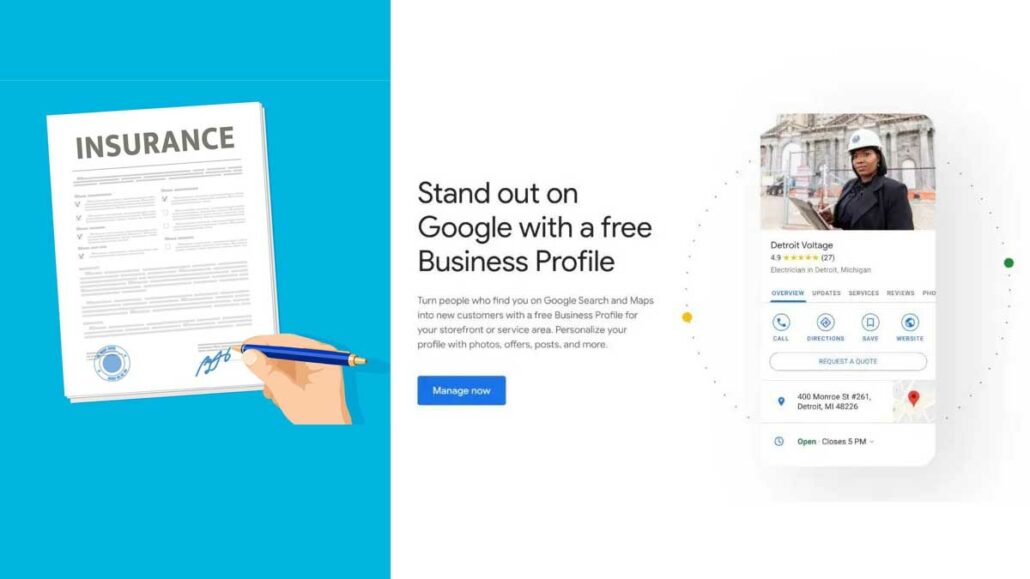
Figuring out how to upload insurance documents to Google Business Profile was something I had to figure out myself. As I realised more and more customers wanted to see proof of insurance before doing business with you. If you’re running any kind of business where trust is key, like healthcare, auto rentals, construction, or even personal services, showing your insurance coverage directly on your Google Business Profile is a game changer. It reassures customers that you’re legitimate, responsible, and fully covered if anything goes wrong.

How to Upload Insurance Documents to Google Business Profile

When someone searches for a business online, they usually check reviews, hours, and contact information. But what if they could also see that you’re insured, right there on your profile? That little detail could make all the difference in whether they choose you or your competitor. Plus, Google is pushing businesses to provide as much transparent information as possible, so uploading insurance details isn’t just about safety, it’s about visibility and ranking too.

How Much is Homeowners Insurance on a $150000 House
How Much Would a $1000 Payday Loan Cost
Mortgage Lenders have the Lowest Rates
Get a Loan- Find a Loan Lender
Housing Assistance Payments
Mortgage 30 Year Fixed Rate – Find the Best Rates & Info
Mortgage 0 Down – Buy a Home with No Down Payment
Loan Discharge – Understand Your Options & Eligibility
Loan Xpress Pay – Fast Online Personal Loans
Loan 3000 – Get a $3000 Loan Instantly
Loan to Pay Off Credit Cards – Consolidate Debt & Save Money
Mortgage 150k House – How Much House Can I Afford

Benefits of showcasing insurance details to customers

The biggest benefit is credibility. Customers see you as more professional and reliable. On top of that, it sets you apart from competitors who don’t bother adding insurance details. From a customer’s point of view, if two businesses offer the same service but only one shows proof of insurance, which one would you choose? Exactly, the insured one.

Not only that, but uploading your insurance documents helps with search rankings too. Google rewards businesses that provide complete and verified information. This means your profile could show up higher when people search for services like yours. So it’s not just about making customers feel safe, it’s about showing Google you’re serious about running a trustworthy business.

Preparing Your Insurance Documents

Now, before jumping into the actual uploading part, let’s talk about preparation. Uploading the wrong type of file, an outdated policy, or a blurry image won’t do you any good. Google is strict about this stuff, and so are customers who check your profile.

What kind of insurance documents can you upload?

Typically, you’ll want to upload proof of liability insurance, professional insurance, or health insurance if you’re in the medical field. For example:

  • Health clinics can upload their medical liability insurance
  • Car rental services can upload their vehicle insurance policies
  • Contractors can upload general liability or workers’ compensation proof

Basically, any document that shows you’re covered and safe to do business with is a good fit.

Format requirements (PDF, JPG, PNG, etc.)

Google accepts standard file formats like PDF, JPG, and PNG. The key here is clarity. Don’t just snap a dark photo of your insurance paper with your phone. Instead, scan the document or take a high-quality picture so that everything is easy to read. Remember, this is about trust, so blurry, half-visible documents might turn potential customers away instead of drawing them in.

Ensuring authenticity and up-to-date documents

This part is crucial. Uploading expired or fake documents can actually hurt your profile. Customers might call you out in reviews, or worse, Google might suspend your business listing. Always make sure the documents are valid and current. If your policy renews yearly, set a reminder to update your Google Business Profile at the same time. That way, you won’t accidentally display outdated information.

Think of it this way: insurance documents on Google are like an open handshake with your customers. You’re saying, “Here’s proof I’ve got your back if anything goes wrong.” And nobody wants a weak handshake.

Step-by-Step Guide: Uploading Insurance Documents

Alright, let’s dive into the main part: actually uploading your insurance documents to Google Business Profile. It’s easier than you might think, but you’ve got to follow the right steps.

Logging into Google Business Profile

First, head over to Google Business Profile Manager. Log in with the Google account you used to create your business listing. If you don’t have a profile yet, you’ll need to create one before you can upload anything.

Navigating to the “Insurance” section

Once you’re in your dashboard, look for the option that says “Edit profile.” Under services or business details, you should see an option related to insurance. Depending on your industry, this may appear differently. For healthcare providers, for example, there’s usually a specific “Insurance” section where you can add accepted insurance providers or upload documents.

Uploading your insurance documents

Click “Add insurance information” or “Upload documents.” Select the file from your computer (PDF, JPG, or PNG). Once it uploads, check that the preview looks clear and legible. If Google can’t read the text properly, it may not accept the file.

Verifying that the upload was successful

After you upload, you’ll see a confirmation. Sometimes, Google may take a couple of days to review your document before it becomes visible on your profile. Don’t panic if you don’t see it right away, it’s just part of Google’s verification process.

Check your profile as a customer would by searching for your business on Google. That way, you’ll see exactly what others are seeing and can confirm if the insurance info is live.

Editing and Managing Insurance Information

Okay, so you’ve uploaded your insurance documents, but what happens when your policy expires, or you need to make updates? That’s where editing and managing your insurance info comes in.

How to update expired insurance documents

When your policy renews, log back into your Google Business Profile, go to the insurance section, and replace the old document with the new one. Don’t just leave expired documents sitting there because customers will notice. An expired insurance certificate can be just as bad as having no insurance at all.

Editing business profile insurance details

If your business accepts multiple insurance providers, you can add or edit those details in the insurance section. For example, a healthcare clinic might want to list accepted insurance carriers alongside their uploaded policy certificate. This makes it easier for patients to know if their insurance will work with you.

Deleting old or incorrect insurance files

Mistakes happen. Maybe you uploaded the wrong file, or maybe the document had missing pages. Don’t worry, you can always delete it and re-upload the correct one. It’s better to fix mistakes quickly than to leave incorrect information sitting on your profile.

By keeping everything accurate and up to date, you’re not only following Google’s guidelines but also showing customers that you’re professional and reliable.

Why Uploading Insurance Documents Matters

Builds trust with customers

Think about it from your customer’s perspective. Let’s say you’re choosing between two home repair services. Both have good reviews, both have similar prices, but only one shows proof of liability insurance. Which one do you think the average customer will feel safer booking? Of course, the one with insurance displayed. People like peace of mind, and insurance documents provide exactly that.

Helps with Google’s ranking and visibility

Google is all about transparency and providing the best information to users. Profiles that are complete, detailed, and verified tend to rank higher in search results. By uploading your insurance documents, you’re giving Google more reasons to trust your business listing. The more Google trusts you, the more likely it is to push your profile higher up when people search for businesses like yours.

Differentiates your business from competitors

Not every business owner takes the time to upload insurance documents. Some don’t know how, while others just don’t bother. This is where you can stand out. By doing something as simple as uploading your insurance documents, you’re setting yourself apart. Customers browsing between two similar profiles will naturally lean toward the one that feels more professional, transparent, and safe.

Common Issues When Uploading Insurance Documents

Let’s talk about the most common problems people face and how to fix them.

File not uploading properly

Sometimes, you’ll select a document, hit upload, and it just won’t go through. The most common reasons are:

  • The file is too large.
  • The file format isn’t supported.
  • The internet connection dropped mid-upload.

The fix? Make sure your file is under Google’s size limits, use a supported format (PDF, JPG, PNG), and try again on a stable connection.

Verification issues

Google often reviews uploaded documents before they’re visible on your profile. If your document isn’t clear or looks suspicious, Google may reject it. I’ve seen cases where blurry photos or cropped screenshots didn’t make the cut. Always upload clean, professional-looking documents.

How to resolve common problems

  • If your document gets rejected, scan it again in higher quality.
  • Double-check that the document is up-to-date.
  • Contact Google Business Profile support if you’re stuck, they usually respond within a couple of days.

Don’t wait until the last minute. If your insurance is about to expire, update your documents early so you don’t risk having no coverage displayed while waiting for Google to approve your new upload.

Best Practices for Managing Insurance on Google Business Profile

Uploading your insurance document once and forgetting about it isn’t enough. To really get the benefits, you need to manage it properly.

Keep everything updated

Set reminders for when your insurance renews. As soon as you get your updated certificate, upload it to your profile. An expired insurance document looks careless and might even push customers away.

Use professional-quality scanned documents

Don’t just snap a dark, wrinkled copy of your insurance certificate on your kitchen table. Take the time to scan it or use a document-scanning app that makes it look sharp and professional. Remember, you’re showing this to customers, and presentation matters.

Always double-check details before publishing

Sometimes little mistakes sneak in. Maybe the uploaded document has the wrong date, or maybe it doesn’t clearly show your business name. Before hitting publish, always preview your document to make sure everything is correct. Customers don’t want confusion, they want clarity.

SEO Benefits of Adding Insurance Information

Boosts local SEO rankings

Local SEO is all about proving to Google that your business is real, trustworthy, and relevant. Every detail you add to your Google Business Profile, including insurance, counts as a trust signal. The more complete your profile, the better your chances of ranking in the top spots.

Improves user trust signals

Google pays attention to how users interact with your profile. If customers see your insurance details and click to call you, that tells Google your profile is useful. Over time, this can push your ranking higher.

Encourages click-through from Google Maps & Search

Imagine a customer scrolling through Google Maps looking for a healthcare provider or contractor. They see a bunch of listings, but only one shows insurance details. Chances are, they’ll click that one first. More clicks = more leads, and more leads = more business.

From an SEO standpoint, uploading insurance isn’t just about compliance, it’s about building a stronger, more competitive profile that Google wants to show off.

Security and Privacy Concerns

After all, insurance documents often contain sensitive information. But with the right precautions, you can protect yourself while still showing customers what they need to see.

What information should not be shared

You don’t need to upload your entire policy with every detail. In fact, that could expose private or unnecessary information. Stick to certificates of insurance or proof-of-coverage documents that confirm you’re insured without revealing personal details.

Protecting sensitive business data

Before uploading, review the document carefully. If it contains things like account numbers, personal addresses, or other sensitive info, black them out or request a simplified version from your insurance provider. Customers don’t need to see all the fine print, just enough to know you’re covered.

Google’s security measures for uploaded documents

Google uses encryption and secure servers to store uploaded files. While nothing online is 100% risk-free, your insurance documents are as safe on Google Business Profile as your photos, reviews, or business details. Still, it’s always smart to upload only the essentials.

By balancing transparency with privacy, you can give customers confidence without putting your business at risk.

Examples of Businesses That Benefit

Health clinics and hospitals

Healthcare is one of the most sensitive industries. Patients want to know their health providers are legitimate, covered, and compliant with regulations. When a clinic lists its insurance on Google, it reassures patients that the facility is professional and trustworthy. If you’re running a clinic or even a private practice, showing proof of insurance can also help patients check if their own health insurance is accepted, which saves them from calling in to ask.

Car rental and transportation businesses

Insurance is everything in the transportation industry. Whether you’re renting cars, running a taxi service, or operating a trucking company, customers want assurance that they’re safe. Imagine someone booking a rental car, they’ll definitely feel more confident if they see proof of insurance on your Google profile before they even step foot in your office.

Insurance agents themselves

This one might sound obvious, but if you’re selling insurance, it’s a no-brainer to upload your own coverage details. It shows clients that you practice what you preach. An uninsured insurance agent would sound ridiculous, right? Having proof on your profile gives you a professional edge and helps build immediate trust with potential clients.

Tips for Small Business Owners

Why even small businesses need insurance online

If you’re a small business owner, whether you’re a landscaper, plumber, beautician, or personal trainer, insurance is one of the strongest ways to show you’re serious. Having it displayed online levels the playing field between you and bigger competitors. Customers won’t automatically assume you’re “too small to trust” because they’ll see you’re covered.

Leveraging insurance information to attract customers

You can even mention in your profile description: “We are fully insured to provide safe and reliable services.” That little sentence combined with uploaded proof makes a huge impact. Customers want assurance, and small details like this can win them over instantly.

Using insurance proof to stand out

Lots of small businesses don’t bother uploading their documents, which means you can instantly stand out by doing so. Think of it as a spotlight on your professionalism. When people see that you’ve taken the extra step, it makes you appear more reliable than the competition.

Alternatives to Uploading Insurance on Google Business Profile

Maybe you’re not ready to upload documents directly to Google Business Profile, or maybe your industry doesn’t yet have that option. That’s okay. There are other ways to show customers you’re insured.

Using your website for detailed insurance information

One of the simplest alternatives is to put your insurance details on your business website. You can create a dedicated page titled “Insurance and Safety” and include scanned certificates there. Then, in your Google profile, you can link to that page. This way, customers still get the information they need without relying on Google’s upload system.

Linking to external insurance verification portals

Some insurance companies provide online portals where customers can verify coverage. If your provider offers this, you can add a link in your Google Business Profile description or website link. That way, customers can double-check directly with the insurer.

Offline methods to inform customers

Don’t underestimate traditional methods either. You can include your insurance information in email signatures, invoices, or even on printed brochures. And when customers call or visit, you can reassure them verbally that your business is fully insured.

While uploading directly to Google is the most powerful option, these alternatives ensure you’re not leaving customers in the dark.

FAQs

Do Google Business Profiles provide health insurance check information?

Yes, Google has started rolling out features where healthcare providers can display accepted health insurance plans. Patients can check directly on your profile whether their insurance is accepted.

How do I add insurance to my business profile?

Log into your Google Business Profile Manager, go to Edit profile → Business information → Insurance, and upload your documents.

How do I edit my insurance information?

Simply go back into the insurance section of your profile, remove outdated documents, and upload the updated versions.

How do I check if my business accepts health insurance?

From the customer side, they can view the “Insurance” section on your Google Business Profile. From the business side, make sure you’ve listed all accepted insurance providers.

How can I find my insurance agency online?

Most insurance agencies have websites and Google Business Profiles of their own. You can search them by name in Google Maps or Google Search to get their contact info and verify details.

How do I add a business to my Google account?

Go to Google Business Profile Manager, click “Add business,” and follow the steps to create your listing.

Conclusion

Learning how to upload insurance documents to Google Business Profile has been one of the most valuable steps. It’s not just about compliance, it’s about building trust, improving visibility, and showing professionalism. Customers want to know they’re dealing with a safe and reliable business, and insurance proof gives them that peace of mind.

Whether you’re running a healthcare clinic, a car rental business, or even a small service company, uploading insurance details helps you stand out in a crowded market. Google rewards businesses that provide complete, transparent information, so this step can even boost your SEO and rankings.

How Much is Gap Insurance

0

How much is gap insurance? That’s probably the exact question running through your mind if you just bought a car or you’re planning to finance one. If you don’t want to spend money blindly, you want to know what you’re paying for and whether it’s truly worth it.

How Much is Gap Insurance

Gap insurance is one of those things that sounds complicated at first, but when you break it down in simple terms, it makes a lot of sense. The main reason people ask about cost is that the price can vary depending on where you buy it, what type of car you own, and even how you choose to pay. And let’s be real, when you’re already dealing with car payments, interest rates, and auto insurance premiums, the last thing you want is to pay more than you should.

In this article, I’m going to walk you through everything you need to know about gap insurance, what it is, how much it costs, where to get it, and whether you even need it.

How Much is Homeowners Insurance on a $150000 House
How Much Would a $1000 Payday Loan Cost
Mortgage Lenders have the Lowest Rates
Get a Loan- Find a Loan Lender
Housing Assistance Payments
Mortgage 30 Year Fixed Rate – Find the Best Rates & Info
Mortgage 0 Down – Buy a Home with No Down Payment
Loan Discharge – Understand Your Options & Eligibility
Loan Xpress Pay – Fast Online Personal Loans
Loan 3000 – Get a $3000 Loan Instantly
Loan to Pay Off Credit Cards – Consolidate Debt & Save Money
Mortgage 150k House – How Much House Can I Afford

What is Gap Insurance and Why Does It Matter?

Imagine you just bought a car for $30,000. You drove it off the lot, and suddenly its market value dropped to around $26,000 (cars lose value fast, especially in the first year). Now, let’s say you financed the car with a loan and you still owe $29,000 on it. Unfortunately, if you get into an accident tomorrow and the car is totalled, your auto insurance will only pay you the car’s current value $26,000. That leaves you with a $3,000 “gap” that you still owe the lender, even though your car is gone.

That’s where gap insurance comes in. Gap stands for “Guaranteed Asset Protection.” It’s an optional coverage that pays the difference between your car’s current market value and the amount you still owe on your loan or lease. Without it, you’d be stuck paying that gap out of pocket.

It’s not fun to be upside down on a car loan. Most people don’t realize how quickly their car depreciates, and without gap insurance, a bad accident could leave you paying for a vehicle you don’t even own anymore. That’s why gap insurance matters: it protects you financially from owing thousands of dollars that your standard car insurance won’t cover.

You probably don’t need it forever, though. Typically, gap insurance makes sense if you put down a small down payment, if your loan has a long term, or if you’re leasing instead of buying. Once you’ve paid enough of your loan and the car’s value is close to or more than what you owe, you can usually drop the coverage.

How Much is Gap Insurance on Average?

Now let’s get into the big question: how much is gap insurance on average? The cost can vary, but here’s a general breakdown:

  • If you buy it through your auto insurance company, it usually costs $20 to $40 per year as an add-on to your existing policy. That’s honestly pretty affordable.
  • If you buy it through a dealership, the price can skyrocket. Dealerships often charge $400 to $800 as a one-time fee, and they usually roll that cost into your car loan. That means you not only pay more upfront, but you also pay interest on it over the life of your loan.
  • If you get it through a bank or lender, it can fall somewhere in between sometimes a flat fee of $200 to $500.

On average, gap insurance might cost you anywhere from $20 a year to $800 upfront, depending on where you buy it. Quite a big difference, right? That’s why knowing your options matters.

Buying gap insurance from your insurance company is like buying a cup of coffee once a month, while buying it from the dealership is like buying a fancy espresso machine you didn’t really need. Both technically give you coffee, but one is way more budget-friendly.

The Different Ways to Buy Gap Insurance

  • Through a Dealership: This is the most common way people end up buying gap insurance, mainly because dealers push it hard during financing. The convenience is there, they just add it to your paperwork, but the downside is the cost. Dealerships are notorious for charging the highest prices.
  • Through Your Auto Insurance Company: This is usually the cheapest and easiest option. Most major insurers offer gap insurance as an add-on to your policy. It’s billed monthly or yearly along with your regular premium, and in most cases, it’s far more affordable than the dealership.
  • Through a Bank or Lender: Some banks or credit unions that finance your car loan may also offer gap insurance. The price varies, but it often falls in the middle, cheaper than a dealership but not always cheaper than your insurer.

If you ask me, going through your insurance company usually makes the most sense. It’s easy, flexible, and doesn’t inflate your car loan. But if you’re the kind of person who likes everything bundled into one payment, the dealership or lender option might feel more convenient (though you’ll likely pay more in the long run).

Factors That Affect the Price of Gap Insurance

Just like your regular car insurance, the cost of gap insurance depends on a few personal factors. Here are some of the biggest ones:

  • The Type of Car You Drive: Expensive cars or cars that lose value quickly (like luxury vehicles) usually make gap insurance more expensive.
  • Loan Terms and Interest Rates: If you finance your car over a long period or with a small down payment, you’ll be “upside down” longer, so gap insurance might cost more.
  • Where You Buy It: As I mentioned earlier, the dealership will almost always charge more than your insurance company.
  • Your Insurance Company’s Pricing Model: Some insurers bundle it with other coverage, while others price it separately.

I’ve noticed that the biggest deciding factor really comes down to where you buy it. Two people with the same car and loan might pay completely different amounts depending on whether they bought gap insurance at the dealership or through their insurer.

So, if you want to save money, the smartest move is to shop around. Don’t let the dealership pressure you into signing on the spot. Take a little time to compare your options, you’ll thank yourself later.

Dealership Gap Insurance vs. Insurance Company Gap Insurance

Dealership Gap Insurance:

  • Usually costs between $400 and $800 upfront.
  • It gets rolled into your loan, which means you’re paying interest on it too.
  • You can’t easily cancel it once it’s bundled into your financing.
  • The finance manager often earns a commission for selling it to you.

Insurance Company Gap Insurance:

  • Usually costs $20 to $40 per year as part of your policy.
  • Easy to add or remove from your coverage.
  • Much cheaper in the long run compared to the dealership option.
  • More transparent pricing, since you can shop around.

To put it in perspective, buying gap insurance from a dealership is like paying full price for bottled water at an airport; it’s overpriced because of convenience. Meanwhile, buying it through your insurer is like filling up your reusable bottle for pennies. Both quench your thirst, but one hits your wallet harder.

If you ask me, unless you absolutely can’t get gap insurance through your insurer for some reason, you should avoid the dealership option. It’s just not worth the extra cost when the same coverage is available at a fraction of the price.

Is Gap Insurance a One-Time Fee or Monthly Payment?

This is where a lot of people get confused because the answer depends on where you buy it. Let’s break it down.

  • Dealerships: They usually sell gap insurance as a one-time fee, which gets rolled into your loan. For example, if your car loan is $25,000 and the dealer charges $600 for gap insurance, your new loan becomes $25,600. That means you’re not only paying $600 but also interest on that $600 over the life of the loan.
  • Insurance Companies: They typically add gap insurance as a monthly or annual premium. For instance, it could be an extra $2 to $5 per month on top of your regular auto insurance. It feels lighter on your wallet, and the best part is, you can drop it anytime once you no longer need it.
  • Banks or Lenders: They may charge either a flat one-time fee or a built-in monthly cost. It really depends on the lender’s policy.

Paying monthly through your insurance company keeps things flexible. If you pay it all upfront at a dealership, you’re stuck with it, even if you sell your car or pay off your loan early. With monthly payments, you can adjust based on your needs.

While a one-time fee may sound appealing at first (you pay once and forget about it), in most cases, the monthly option saves you more money and gives you more freedom.

Do You Really Need Gap Insurance?

This is the million-dollar question, or maybe the thousand-dollar one in this case. Gap insurance isn’t something everyone needs, but for the right person, it can be a financial lifesaver. Let me give you a few scenarios.

You probably need gap insurance if:

  • You made a small down payment (less than 20%) on your car.
  • You have a long-term loan (60 months or more).
  • You’re leasing your car (most lease contracts require it).
  • You bought a vehicle that depreciates quickly (like a luxury car or new model year).

You might not need gap insurance if:

  • You made a large down payment (20% or more).
  • You paid cash for your car (no loan, no gap to worry about).
  • Your loan balance is already lower than your car’s market value.
  • You drive an older car that’s already lost most of its value.

So, ask yourself: if your car got totaled tomorrow, would your insurance payout be enough to cover your loan? If the answer is no, then gap insurance is worth considering.

How to Save Money on Gap Insurance

Nobody likes paying more than they have to, and gap insurance is no exception. The good news is there are a few ways you can save money while still getting the protection you need.

  1. Buy it from Your Insurance Company: This is usually the cheapest option. Most insurers charge just a few dollars a month, which adds up to way less than what the dealership charges.
  2. Compare Quotes: Just like with regular car insurance, not all companies charge the same. A quick round of comparison shopping could save you $50 or more a year.
  3. Avoid the Dealership Pitch: The finance manager may make it sound like you have to buy gap insurance right then and there, but you don’t. Politely decline, and then call your insurance provider to add it.
  4. Make a Larger Down Payment: If you can, putting more money down upfront reduces your loan balance faster and may shorten the time you actually need gap coverage.
  5. Pay Off Your Loan Faster: The sooner your loan balance drops below your car’s market value, the sooner you can cancel gap insurance altogether.

The less upside down you are on your loan, the less you’ll need gap insurance. By keeping your loan balance closer to your car’s actual value, you reduce the risk that gap insurance is designed to cover.

Pros and Cons of Buying Gap Insurance

Like most financial products, gap insurance has its upsides and downsides. Let’s break them down honestly so you can decide if it’s worth it for you.

Pros:

  • Peace of mind: You won’t be stuck paying thousands out of pocket if your car is totaled.
  • Low cost (through insurers): For just a few dollars a month, you get valuable protection.
  • Flexibility: With most insurance companies, you can add or drop it anytime.
  • Required for leases: If you’re leasing, having it means you’re compliant with your contract.

Cons:

  • Dealership pricing is inflated: Buying it at the dealership is rarely worth the money.
  • Not always necessary: If you owe less than your car’s value, gap insurance doesn’t really help you.
  • Temporary need: You’ll probably only need it for a few years until your loan balance catches up.

I personally lean toward the pros outweighing the cons, if you buy it at the right place. The cost through an insurance company is low enough that it’s worth the protection, especially in the early years of your loan. But if you’re only offered it at a steep price from the dealership, the cons might tip the scale.

Alternatives to Gap Insurance

Maybe you don’t want gap insurance. Or maybe your insurer doesn’t offer it. Either way, there are a few alternatives that can give you similar peace of mind.

  1. Loan/Lease Payoff Coverage: Some insurance companies offer this instead of traditional gap insurance. It works almost the same way, covering the difference between your loan balance and car’s value. The only catch is that it sometimes covers up to a certain percentage (like 25% of your car’s actual cash value), not the full gap.
  2. Making a Larger Down Payment: If you put more money down when you buy your car, you won’t owe as much compared to its market value. This reduces or even eliminates the need for gap insurance altogether.
  3. Shorter Loan Terms: A shorter loan means you pay off your car faster, so you’re less likely to be upside down. Yes, the monthly payments will be higher, but you save money on interest and reduce risk.
  4. Paying Extra Toward the Loan:Even a little extra each month can shrink your loan balance quicker, helping you get out of that “upside-down” situation sooner.

Think of gap insurance as one tool in the toolbox. If you don’t want it, you can still protect yourself financially in other ways, it just requires more discipline in how you handle your loan and payments.

Expert Tips Before You Buy Gap Insurance

If you’re considering buying gap insurance, here are a few insider tips I’ve picked up along the way:

  1. Always check with your insurer first. Don’t let the dealership pressure you before you’ve compared prices.
  2. Review your loan regularly. Once you owe less than your car’s value, cancel gap insurance to save money.
  3. Ask if it’s included. Some leases already come with gap insurance built-in, so you may not need to buy it separately.
  4. Don’t finance the cost. If you do buy it at the dealership, try to pay the fee upfront instead of rolling it into your loan.
  5. Know the limits. Gap insurance only covers the loan difference, it won’t pay for late fees, extended warranties, or other add-ons.

At the end of the day, buying gap insurance is about protecting yourself from financial headaches. A little research upfront can save you hundreds of dollars and a lot of stress down the road.

FAQs

How much does it cost to get a gap?

It usually costs between $20 and $40 per year if you add it to your auto insurance policy. If you buy it at a dealership, expect $400 to $800 as a one-time fee.

What is the average price of Gap?

The average price depends on where you buy it, but generally, $20–$40 annually with insurers versus several hundred dollars at dealerships.

What is the most gap insurance will pay?

Gap insurance typically covers the entire difference between your loan balance and your car’s actual value at the time of loss. Some policies have limits (like 25% of the car’s value), so always check your policy details.

Can I cancel gap insurance if I change my mind?

Yes. If you bought it through your insurer, you can usually cancel anytime. If you bought it at a dealership and rolled it into your loan, it’s harder to cancel, but still possible if you request a refund.

Is gap insurance included in full coverage?

No. Full coverage generally includes liability, collision, and comprehensive insurance, but not gap insurance. It has to be added separately.

Conclusion

How much is gap insurance? The truth is, it depends on where you buy it. At a dealership, you could pay hundreds of dollars upfront, often rolled into your loan. Through an insurance company, though, it might only cost you $20 to $40 per year, which is far more reasonable.

The peace of mind gap insurance offers can be worth it, especially if you’re financing with a small down payment or a long-term loan. But the key is to buy it smart. Don’t fall for dealership pressure, and don’t keep it longer than you need.

If you take anything away from this, let it be this: gap insurance isn’t about protecting your car, it’s about protecting your wallet.

How Much Does Urgent Care Cost Without Insurance

0

How much does urgent care cost without insurance? If you’ve ever been in the same boat feeling sick, injured, or worried but hesitant to step foot in a hospital because of the bill, you’re not alone. Urgent care clinics have become a go-to option for people like you, especially when waiting weeks for a primary care appointment isn’t an option and rushing to the ER feels too extreme.

How Much Does Urgent Care Cost Without Insurance

The truth is, urgent care clinics fill a very real gap. They’re faster than most doctor’s offices, more affordable than the emergency room, and open at times when regular clinics are closed. But here’s the kicker: the cost can vary widely, especially if you don’t have insurance. I know that uncertainty can make you think twice before walking through those doors. That’s why I want to break it down in the simplest way possible. Just a clear look at what you might pay, why it costs what it does, and how you can keep the bill from spiraling out of control.

How Much is Homeowners Insurance on a $150000 House
How Much Would a $1000 Payday Loan Cost
Mortgage Lenders have the Lowest Rates
Get a Loan- Find a Loan Lender
Housing Assistance Payments
Mortgage 30 Year Fixed Rate – Find the Best Rates & Info
Mortgage 0 Down – Buy a Home with No Down Payment
Loan Discharge – Understand Your Options & Eligibility
Loan Xpress Pay – Fast Online Personal Loans
Loan 3000 – Get a $3000 Loan Instantly
Loan to Pay Off Credit Cards – Consolidate Debt & Save Money
Mortgage 150k House – How Much House Can I Afford

Understanding Urgent Care Centers

Before we get into the numbers, let’s take a step back and make sure we’re on the same page about what urgent care centers actually do. Think of urgent care as the middle ground between your family doctor and the ER. They’re designed for situations that aren’t life-threatening but still can’t wait until your next check-up.

Let’s say you cut your hand while cooking. It’s bleeding, it’s deep, but it’s not like your life is in danger. Do you really want to sit in an ER waiting room for four hours and walk out with a $1,500 bill? Probably not. That’s where urgent care comes in. You can get stitches, an X-ray if needed, and walk out with a prescription, all in under an hour in most cases.

Urgent care centers are usually staffed by doctors, nurse practitioners, and physician assistants who can handle everything from sore throats to sprains, minor infections, or even broken bones (as long as they don’t require surgery). They’re open evenings, weekends, and holidays when your regular doctor isn’t. That’s a lifesaver when you need quick help.

What makes them different from ERs is the level of emergency they handle. Urgent care won’t treat heart attacks, strokes, or major traumas, those still need the ER. On the flip side, they’re also different from primary care doctors, who know your history but can’t always see you quickly. So urgent care sits in that sweet spot: affordable, accessible, and practical for everyday health hiccups.

The Average Cost of Urgent Care Without Insurance

On average, an urgent care visit without insurance can run anywhere from $100 to $250 just for the basic visit fee. That’s what you pay to be seen by the provider, kind of like the entry ticket. But that’s just the starting point.

If you need extra services, the bill climbs. For example:

  • A flu test might add $20 to $80.
  • An X-ray can range from $100 to $250.
  • Blood work might tack on another $50 to $150.
  • If you need stitches or a splint, expect $75 to $200 more.

So depending on your situation, a visit could be as little as $100 or climb to $600+ in one sitting. That might sound like a lot, but here’s the perspective: a trip to the ER for the exact same issue could easily cost you $1,500 to $3,000 without insurance. Suddenly, urgent care doesn’t look too bad.

What I’ve noticed is that clinics don’t always post their prices upfront, which makes it stressful for uninsured patients. But many urgent care centers will give you a ballpark figure if you call ahead. Some even have price lists online now. Taking a few minutes to check could save you a financial headache later.

Factors That Affect the Cost of Urgent Care

There’s no “one-size-fits-all” price for urgent care. The final bill depends on several factors, and I’ll walk you through the main ones.

1. Location, Location, Location

Just like rent or gas, healthcare costs vary depending on where you live. An urgent care visit in New York City is going to be more expensive than one in a small town in the Midwest. The higher the cost of living, the higher the medical bill.

2. The Type of Treatment You Need

Walking in for a sore throat is a lot cheaper than walking in with a broken wrist. Simple consultations cost less, but the moment you need tests, imaging, or procedures, the charges add up.

3. Severity of the Issue

Urgent care clinics price visits based on complexity. A “Level 1” visit might be a quick exam for allergies, while a “Level 4” could involve multiple tests, injections, and follow-up care. The more complex, the higher the bill.

4. Time of Day or Weekend Visits

Some clinics charge more for after-hours or holiday visits. If you show up on Christmas Eve with a nasty flu, don’t be surprised if the price is a little higher than a weekday morning check-in.

5. Extra Services You Didn’t Expect

This one gets a lot of people. You might walk in thinking you’ll just need an exam, but then they order a chest X-ray “just to be safe.” Suddenly, your bill doubles. It’s not always unnecessary, but it’s good to ask up front what each test will cost if you’re uninsured.

While the average urgent care visit without insurance might be $150 to $250, the final number really depends on your situation. Knowing these factors helps you prepare and make smarter choices when it comes to your care.

Typical Services and Their Prices at Urgent Care Clinics

If you’re uninsured, one of the biggest worries is not knowing what each service will cost. To make it easier, let me break down some of the most common urgent care services and their typical price ranges when you don’t have coverage:

  • Basic Office Visit (Consultation Fee): $100 – $250
  • Lab Tests:
  • Urinalysis: $20 – $50
  • Strep/Flu Test: $20 – $80
  • Blood Tests: $50 – $150
  • Imaging:
  • X-rays: $100 – $250
  • EKG: $50 – $100
  • Procedures:
  • Stitches: $75 – $200 (depending on complexity)
  • Splints or Casts: $100 – $300
  • Wound Care: $50 – $150
  • Medications Onsite: $20 – $100 (for injections or IV fluids)

What’s helpful is that some clinics bundle services. For example, if you come in with flu symptoms, they might offer a “flu package” that includes the exam, test, and prescription for a flat fee. Not all clinics do this, but it’s worth asking.

Comparing Urgent Care Costs to the Emergency Room

One of the most important comparisons to make when you’re uninsured is urgent care versus the emergency room. Let me tell you, this is where the numbers really open your eyes.

A typical ER visit without insurance can start around $800 to $1,500 just for walking in the door. That’s before you’ve even had tests or treatment. Add an X-ray, blood work, or IV fluids, and the bill can shoot past $3,000 to $5,000 in no time.

Now compare that to urgent care. Even on the high end, an urgent care visit with multiple tests might cost $500 to $600 total. That’s a massive difference. So, unless your situation is truly life-threatening, like chest pain, severe bleeding, or difficulty breathing, urgent care is the more wallet-friendly option.

Here’s a quick side-by-side to make it clear:

ServiceUrgent Care (No Insurance)ER (No Insurance)
Basic Consultation$100 – $250$800 – $1,500+
X-ray$100 – $250$500 – $1,000+
Blood Tests$50 – $150$300 – $600+
Stitches$75 – $200$500 – $1,200+
IV Fluids & Medications$100 – $200$800 – $2,000+

Seeing the numbers side by side makes it obvious why uninsured patients often lean toward urgent care. It’s not just about convenience, it’s about avoiding bills that can haunt you for years.

Payment Options for Uninsured Patients

Okay, so you walk into urgent care, you don’t have insurance, and you’re bracing for the bill. What happens next? Thankfully, you’re not left without options. Many urgent care centers actually expect uninsured patients and have payment systems in place.

1. Out-of-Pocket Payment (Self-Pay):

Most urgent care centers let you pay directly at the time of service. Some even offer discounts for paying in cash upfront.

2. Payment Plans:

If your bill is higher than expected, many clinics allow you to break it down into smaller monthly payments. It’s not interest-free everywhere, but it’s better than being stuck with a huge one-time charge.

3. Medical Credit Cards:

There are special healthcare credit cards (like CareCredit) that some clinics accept. Be careful with these, though, they can be helpful in emergencies but may have high interest if you don’t pay them off quickly.

4. Discounts and Sliding Scales:

Some clinics base their fees on income. If you’re making below a certain amount, you might qualify for a reduced rate. Not all urgent care centers do this, but community-based ones often do.

Negotiating and Reducing Your Bill

Here’s something a lot of people don’t realize, you can actually negotiate your medical bill, even at urgent care. I know it feels strange, like you’re bargaining at a flea market, but trust me, it works more often than you’d think.

1. Ask for a Self-Pay Discount:

If you’re paying out of pocket, many clinics will automatically lower your bill by 10% to 40%. They’d rather get paid directly than deal with the hassle of insurance paperwork.

2. Review the Bill for Errors:

Medical billing mistakes happen all the time. If you see something that doesn’t make sense—like a test you never had, bring it up. I once got charged for an X-ray I never received, and just pointing it out saved me $120.

3. Talk to the Billing Department:

Instead of just paying whatever they hand you, ask to speak with billing. Sometimes they’ll remove late fees, waive small charges, or set up a no-interest payment plan.

4. Apply for Financial Assistance:

Some urgent care centers have hardship programs for uninsured patients. If your income qualifies, you could get part of your bill reduced or even forgiven.

5. Negotiate Before You Leave:

The best time to ask for a discount is while you’re still at the clinic, before the bill goes to collections or gets finalized. That’s when they’re most willing to work with you.

Remember, your bill isn’t always set in stone. A five-minute conversation could mean the difference between a manageable charge and months of debt.

Alternative Affordable Healthcare Options

What if even urgent care feels out of reach financially? Don’t worry, you still have alternatives.

1. Community Health Clinics:

These clinics often run on a sliding scale, meaning you pay based on your income. Some visits might cost as little as $20. They’re not always as fast as urgent care, but they’re much more affordable.

2. Retail Clinics (CVS, Walgreens, Walmart):

These are the “mini-clinics” inside big pharmacies. They handle things like colds, flu shots, and minor infections. Visits usually cost around $75 to $125 without insurance, which is cheaper than urgent care.

3. Telemedicine (Virtual Visits):

Many doctors now offer phone or video consultations. These often cost $40 to $80 without insurance, and you don’t even have to leave home. Perfect for basic issues like rashes, sinus infections, or prescription refills.

4. Free Clinics and Nonprofits:

Some cities have free clinics funded by nonprofits or charities. They usually have limited hours and services, but if you qualify, you could get care at no cost.

5. Urgent Care Membership Plans:

Some urgent care centers now offer memberships, basically, you pay a monthly fee (like $50–$100) and get discounted or free visits. If you need care often, this can be worth it.

It’s reassuring to know that urgent care isn’t your only option. Even if you’re uninsured, you still have ways to see a doctor without draining your bank account.

Does Insurance Cover Urgent Care?

If you’re lucky enough to have insurance, you might be wondering how it applies to urgent care visits. The short answer is yes, most insurance plans do cover urgent care, but the out-of-pocket cost depends on your specific policy.

Here’s how it usually works:

  • Copays: Many insurance plans charge a set copay for urgent care, often between $30 and $75. This means no matter what the visit costs, you pay that flat amount.
  • Coinsurance: Some plans use coinsurance instead. That means you pay a percentage of the visit instead of a flat fee. For example, if your coinsurance is 20% and the visit costs $200, you’d pay $40.
  • Deductibles: If you haven’t met your deductible yet, you may need to pay the full urgent care bill until you do. This is where many people get caught off guard.
  • In-Network vs. Out-of-Network: If the urgent care center is “in-network,” you’ll pay less. Out-of-network centers can be much pricier, so it’s smart to check before going if you can.

Yes, insurance does cover urgent care, but how much you pay can vary a lot. If you’re uninsured, of course, you’ll be paying the self-pay rates we’ve been talking about. But if you do have coverage, urgent care is usually a much cheaper option than the ER.

Can You Visit an Urgent Care Without Insurance?

This is a question I hear a lot: Can you walk into urgent care if you don’t have insurance? The answer is a solid yes. Unlike some specialists or primary care doctors who require insurance information upfront, urgent care clinics are built for walk-ins.

Here’s what usually happens:

  • Check-In: You fill out paperwork with your name, contact info, and a brief description of your symptoms. If you don’t have insurance, you simply check the “self-pay” box.
  • Deposit: Some clinics may ask for a deposit upfront, usually around $100 to $150. This goes toward your final bill.
  • Visit & Treatment: You’ll be seen by a provider just like any other patient. The provider might recommend tests or treatments, and you can ask about the costs before agreeing.
  • Final Bill: At checkout, you’ll get your total. Sometimes they’ll want payment right away, while other times you can set up a payment plan.

The only real difference between you and someone with insurance is how the bill gets handled. They send theirs to the insurance company, you handle yours directly. But either way, urgent care centers won’t turn you away just because you’re uninsured.

Tips to Save Money on Urgent Care Visits

1. Call Ahead and Ask for Prices:

Not all urgent care centers are priced the same. Call a few nearby clinics and ask for their self-pay rates. Sometimes the difference is $50–$100 for the exact same visit.

2. Ask About Bundled Pricing:

Some clinics have flat rates for common issues, like a “flu package” or a “sprain package.” This can be cheaper than paying for each test and procedure separately.

3. Go During Regular Hours:

If you can, avoid late-night or holiday visits. After-hours pricing can sometimes bump your bill up by 20% or more.

4. Bring Your Own Prescription:

If the provider recommends medication, ask if they can write a prescription instead of giving it to you onsite. Buying meds at a pharmacy (especially with a discount card like GoodRx) is usually cheaper.

5. Use Telehealth First:

If your issue is minor, start with a virtual visit. It costs less, and if the provider thinks you need in-person care, at least you’ll go in more prepared.

With a little planning and a few questions, you can shave quite a bit off your urgent care costs, even without insurance.

Urgent Care vs. Other Healthcare Settings

To really understand your options, it helps to compare urgent care with other healthcare choices. Each has its strengths and weaknesses depending on your needs.

Urgent Care vs. Primary Care:

  • Primary care is best for long-term health management and routine check-ups.
  • Urgent care is better for immediate issues that can’t wait days or weeks for an appointment.
  • Without insurance, primary care visits can sometimes be cheaper (around $100 to $200), but availability is often limited.

Urgent Care vs. Retail Clinics:

  • Retail clinics (inside CVS, Walgreens, Walmart) are cheaper, usually $75 to $125 without insurance.
  • But they only handle very simple issues like minor infections, vaccines, and screenings.
  • Urgent care covers a broader range of conditions, from broken bones to cuts that need stitches.

Urgent Care vs. Telehealth:

  • Telehealth is the cheapest around $40 to $80 for a video visit.
  • But you can’t get tests, imaging, or hands-on care virtually.
  • Urgent care gives you full service but costs more.

Think of it this way: retail clinics and telehealth are good for “quick fixes,” primary care is for long-term health, and urgent care is the middle ground when something can’t wait but isn’t life-threatening.

FAQs

How much does an urgent care visit cost without insurance?

On average, between $100 and $250 for the visit itself, but costs can rise to $600 or more if tests, imaging, or procedures are needed.

How much does urgent care cost?

With insurance, many patients pay only a copay (around $30–$75). Without insurance, the cost ranges from $100 to $600, depending on the treatment.

Can uninsured patients visit an urgent care center?

Yes, absolutely. Urgent care centers accept uninsured patients. You’ll be considered “self-pay” and will pay directly for services.

Is urgent care free if you’re uninsured?

No, urgent care is not free without insurance. However, some clinics offer discounts, payment plans, or sliding-scale fees based on income.

Does insurance cover urgent care?

Yes, most insurance plans cover urgent care, though costs vary depending on copays, deductibles, and whether the clinic is in-network.

Can you visit an urgent care without insurance?

Yes, you can. You’ll simply pay the self-pay rate out-of-pocket, and clinics won’t turn you away for not having coverage.

Conclusion

So, how much does urgent care cost without insurance? The truth is, it depends on your situation, but generally, you’re looking at $100 to $250 for a basic visit and up to $600 or more if you need tests or treatment. While that’s not pocket change, it’s still a fraction of what you’d pay at the emergency room.

The good news is that urgent care clinics don’t turn you away for being uninsured. You can pay out-of-pocket, ask for self-pay discounts, and even set up payment plans if needed. And if urgent care still feels too expensive, you’ve got alternatives like community clinics, retail clinics, or telehealth.

At the end of the day, your health is too important to ignore just because you don’t have insurance. With a little planning and some smart choices, you can get the care you need without drowning in medical debt.

How Much Does a Filling Cost Without Insurance

0

​How much does a filling cost without insurance? That’s the very first question that crossed the mind of people when they find themself sitting in the dentist’s chair with a cavity that needed fixing, and no dental coverage to back up. Millions of people across the U.S. are in the same boat, trying to figure out how to balance dental health with tight budgets.

How Much Does a Filling Cost Without Insurance

Dental care is expensive. When you don’t have insurance, even something as routine as a filling can feel like a big financial decision. But here’s the truth: avoiding a filling because of cost usually ends up being more expensive in the long run. That small cavity you’re worried about today can easily turn into a bigger problem tomorrow, like a root canal or crown, that could cost hundreds or even thousands more.

The good news? You’re not powerless. Understanding the average cost of fillings, what factors affect the price, and what options you have to save money can help you make a smarter choice for both your wallet and your health.

In this article, I’ll walk you through everything you need to know, from the types of fillings and their prices, to hidden costs you might not expect, and even practical tips on how to cut down your dental expenses.

How Much is Homeowners Insurance on a $150000 House
How Much Would a $1000 Payday Loan Cost
Mortgage Lenders have the Lowest Rates
Get a Loan- Find a Loan Lender
Housing Assistance Payments
Mortgage 30 Year Fixed Rate – Find the Best Rates & Info
Mortgage 0 Down – Buy a Home with No Down Payment
Loan Discharge – Understand Your Options & Eligibility
Loan Xpress Pay – Fast Online Personal Loans
Loan 3000 – Get a $3000 Loan Instantly
Loan to Pay Off Credit Cards – Consolidate Debt & Save Money
Mortgage 150k House – How Much House Can I Afford

Understanding What a Dental Filling Is

Before diving into numbers, it helps to know exactly what a dental filling is and why it’s such a common procedure. A filling is basically a repair job for your tooth. When a cavity forms, it eats away at your tooth structure. If left untreated, it keeps spreading until it reaches the inner nerves, causing serious pain and bigger health issues. That’s where a filling comes in, it stops the damage in its tracks.

The dentist removes the decayed part of the tooth and replaces it with a material that restores the shape and function. Think of it like patching a hole in your wall: you scrape away the damaged part and seal it up so it doesn’t spread or weaken the rest of the structure.

Now, not all fillings are the same. Dentists use different materials depending on your needs, budget, and cosmetic preference:

  • Amalgam fillings: Silver-colored, very strong, and usually the cheapest.
  • Composite fillings: Tooth-colored, blend in naturally, moderately priced.
  • Gold fillings: Durable and long-lasting, but costly.
  • Porcelain fillings: Natural-looking, resistant to staining, but also pricey.

Each type comes with its pros and cons, and of course, the price tag changes depending on what you choose.

Fillings aren’t just about fixing cavities. They’re about preventing future damage. Without one, a simple cavity can turn into a much bigger and more painful issue. So yes, while the upfront cost may sting a little without insurance, it’s still one of the most important investments you can make for your oral health.

Factors That Affect the Cost of a Filling Without Insurance

So, how much will you really pay? The answer isn’t one-size-fits-all. The cost of a filling without insurance depends on several factors, and knowing them can help you understand your dentist’s bill better.

  1. Type of Filling Material: The biggest factor is what material you and your dentist decide to use. Amalgam fillings are usually the least expensive, while porcelain and gold fillings are on the higher end. Composite falls somewhere in between.
  2. Size and Location of the Cavity: A small cavity on a back tooth will usually cost less than a large cavity on a visible front tooth. Larger fillings require more material and time, which increases the price.
  3. Dentist’s Experience and Location: Just like everything else, location plays a role. Dentists in big cities often charge more than those in smaller towns. Plus, highly experienced dentists or cosmetic specialists may have higher fees.
  4. Additional Procedures: Sometimes it’s not just the filling you’re paying for. You might need X-rays, numbing injections, or even a temporary filling if the decay is severe. All of these add to your total bill.

Think of it like going to a mechanic. If you just need a quick fix, the cost is lower. But if they discover more damage while repairing your car, the bill goes up. The same principle applies to dental fillings.

Average Cost of a Filling Without Insurance

On average, the cost of a filling without insurance in the U.S. ranges between $100 to $600 per tooth. But remember, the type of filling material makes a big difference:

  • Amalgam fillings: $100 – $250 per tooth
  • Composite fillings: $150 – $450 per tooth
  • Gold fillings: $250 – $4,500 (depending on size and gold prices)
  • Porcelain fillings: $300 – $1,500 per tooth

You’ll also notice a price difference depending on where you live. In major cities like New York or Los Angeles, the same filling could cost almost double what it might in a smaller town.

But here’s what really matters: a filling is still way cheaper than what you’d pay if you ignored a cavity. A root canal can cost anywhere from $800 to $1,500 without insurance, and a dental crown can add another $1,000 on top of that. Suddenly, that $200 filling doesn’t sound so bad, right?

Comparing Types of Dental Fillings and Their Costs

Let’s take a closer look at each type of filling and what you’re really paying for:

  • Amalgam Fillings (Silver): These have been around for over a century. They’re strong, durable, and the cheapest option. The downside? They’re noticeable in your mouth, so if you’re concerned about looks, they’re not the best choice.
  • Composite Fillings (White/Tooth-Colored): These are popular because they blend in naturally with your teeth. They’re a bit more expensive than amalgam but look better, especially for front teeth.
  • Gold Fillings: If you want durability, gold is king. These fillings can last decades, but the price can be shockingly high since it depends on gold market prices.
  • Porcelain Fillings (Ceramic/Inlays): These look very natural and resist staining better than composites. But they’re also expensive and may require more than one visit to complete.

The right choice really comes down to balancing cost, durability, and appearance. If money is tight, you might choose amalgam for back teeth (where nobody sees them) and composite for front teeth.

Additional Expenses You Might Face Without Insurance

When you’re calculating how much a filling costs without insurance, it’s easy to only think about the filling itself. But here’s the truth: the final bill is usually more than just that number your dentist first mentions. Let me break it down with the common “extras” that sneak their way onto your bill.

  1. X-rays: Before a dentist can even decide how deep your cavity is, they often need to take X-rays. These aren’t free, and without insurance, a single set of bitewing X-rays can cost anywhere from $25 to $100. If you need a panoramic X-ray (the one that shows your whole mouth), it could run you $100 to $200.
  2. Exams and Consultations: A filling isn’t just about showing up and sitting in the chair. The dentist usually does a full exam first, which might cost another $50 to $150. If it’s been a while since you’ve been to the dentist, they may also suggest a cleaning, which adds more to the tab.
  3. Numbing or Anesthesia: Most fillings require local anesthesia. Without insurance, this could be around $25 to $75. If you have dental anxiety and request nitrous oxide (“laughing gas”), that’s another $50 to $100 added on top.
  4. Temporary Fillings or Complications: Sometimes the cavity is too deep, and the dentist can’t finish the job in one visit. That means a temporary filling, which can cost extra. And if the cavity is close to the nerve, you might need extra treatment that pushes the bill higher.
  5. Follow-up Visits: If something feels off with your bite after the filling, you may need to go back. Adjustments are usually minor, but without insurance, even a quick appointment can cost money.

In other words, think of the cost of a filling as more of a package deal. The filling itself might be $200, but by the time you add an exam, an X-ray, and anesthesia, you’re easily looking at $300 to $500 for the whole process.

Cost-Saving Options for Fillings Without Insurance

The good news, you’re not doomed to paying top-dollar for a filling just because you don’t have insurance. There are ways to make dental care more affordable.

  1. Dental Schools: This is my favorite money-saving tip. Dental schools often offer fillings at a huge discount because the work is done by students (under the supervision of licensed dentists). You’ll spend more time in the chair, but you can save 50% or more on the cost.
  2. Low-Cost or Community Clinics: Many towns and cities have clinics that operate on a sliding scale, meaning they charge based on your income. This can make a $200 filling drop to under $100.
  3. Dental Membership Plans: Some dentists offer their own “in-house insurance” plans. You pay a yearly fee (around $150 to $300) and get discounted rates on fillings, cleanings, and other services.
  4. Charitable Programs: Believe it or not, some nonprofits and organizations host free dental days. It’s worth checking with your local community health centers to see if you qualify.
  5. Negotiating with Your Dentist: Dentists know fillings are expensive without insurance. Many are willing to work out payment plans or even give discounts if you pay upfront in cash. It doesn’t hurt to ask, you’d be surprised how often you can shave off a chunk of the cost just by having a conversation.

Why It’s Cheaper to Get a Filling Early

Waiting too long to fix a cavity is like ignoring a small leak in your roof. At first, it’s just a drip and doesn’t seem like a big deal. But give it a few months, and suddenly you’re dealing with a whole flood that costs thousands to repair.

Here’s why:

  • Small Cavities = Small Bills: If your cavity is caught early, it’s usually shallow and quick to fix. That means less drilling, less material, and a cheaper bill.
  • Bigger Cavities = Bigger Problems: If you wait, the cavity spreads deeper. Now you’re looking at a bigger filling, possibly a root canal, or even a crown. Without insurance, that can mean $1,500 to $3,000 compared to a $200 filling.
  • Emergency Dental Costs: Tooth pain doesn’t wait for payday. If you put it off until it becomes unbearable, you may end up in an emergency clinic where costs are even higher.

In other words, skipping a $200 filling today could mean a $2,000 procedure tomorrow.

Alternatives to Paying Out-of-Pocket for a Filling

If the idea of dropping several hundred dollars at once feels impossible, you do have alternatives. These don’t replace insurance, but they can soften the blow.

  1. Payment Plans: Many dental offices offer financing where you pay monthly instead of all at once. Some even have interest-free options if you pay within a certain timeframe.
  2. Discount Dental Programs: These are not insurance, but membership-based savings plans. You pay a small fee per year and get discounted rates at participating dentists.
  3. Health Savings Accounts (HSA) or Flexible Spending Accounts (FSA): If you have one through work, you can use pre-tax money to cover your filling. It doesn’t make the filling cheaper, but it does lower your taxable income, which feels like a discount.
  4. Short-Term Dental Insurance: If you anticipate needing more dental work, you might look into a short-term dental insurance plan. Just be careful, many have waiting periods for restorative treatments like fillings.
  5. Credit Options: Companies like CareCredit offer medical and dental credit lines. While this spreads the cost out, remember it’s still debt, so only use it if you’re confident you can pay it back.

Tips for Managing Dental Costs Without Insurance

  • Focus on Prevention First: The cheapest filling is the one you never need. Brushing twice a day, flossing, using fluoride mouthwash, and keeping sugar intake low can save you from cavities in the first place. It sounds simple, but preventive care is truly the biggest money-saver.
  • Ask for an Upfront Estimate: Don’t be shy about asking your dentist for a written breakdown before they start drilling. It not only gives you peace of mind, but it also helps you compare costs with other clinics if you want to shop around.
  • Compare Prices: This one blew my mind when I first tried it. The same filling that cost nearly $500 at one clinic was only $280 at another office across town. Dental pricing is not universal, so making a few phone calls can save you hundreds.
  • Look Into Dental Savings Plans: If you know you’ll need more dental work in the future, enrolling in a discount plan can bring down the cost significantly. These are especially helpful if you need multiple fillings.
  • Consider Tele-Dentistry for Consultations: Sometimes you don’t need to pay $100+ just to ask a dentist if something looks serious. Many online dental platforms allow video consultations at a fraction of the cost, which can help you decide if you need urgent care or if it can wait.
  • Don’t Ignore Small Problems: That tiny dark spot you notice on your tooth? Get it checked sooner rather than later.

These little strategies may seem small, but combined, they can cut your dental expenses in half. The goal is to stay proactive, because once you’re reactive (waiting until the pain forces you in), the costs skyrocket.

Emotional and Practical Side of Paying for Fillings Without Insurance

Paying for dental work without insurance is more than just a financial headache. It’s emotional, too. feeling.

  • Financial Stress: When you’re already juggling rent, groceries, and bills, dropping $400 on a filling feels overwhelming. It’s not just the money, it’s the fear of more costs piling up later.
  • Embarrassment or Guilt: Some people avoid the dentist because they’re embarrassed about how long it’s been since their last visit or worried about being judged.
  • Delaying Care = More Stress: The emotional load gets heavier the longer you put it off. That small cavity keeps nagging at the back of your mind, and when it finally hurts, you end up panicking.

Dental care without insurance is tough, but it’s manageable if you plan ahead and give yourself grace. After all, taking care of your teeth isn’t just about avoiding pain; it’s about giving yourself peace of mind.

What Happens If You Don’t Get a Filling Because of Cost

  • Cavity Progression: A cavity never stays the same. It spreads, and the longer you wait, the more tooth structure gets destroyed.
  • Increased Pain: What starts as sensitivity turns into sharp, throbbing pain that’s hard to ignore.
  • Infections: If decay reaches the pulp of your tooth, you risk an infection or abscess, which is not only painful but dangerous for your overall health.
  • Cost Explosion: That $200 filling you put off might eventually require a $1,200 root canal and a $1,000 crown. Suddenly, the cost isn’t just doubled, it’s ten times more.
  • Tooth Loss: If the damage gets too bad, extraction may be the only option. Replacing a tooth with an implant or bridge can cost thousands.

In short, not getting a filling because of cost is like trying to save money by ignoring a leaky pipe in your house. Sure, you save a little now, but you’ll pay a lot more later when the damage spreads.

Expert Opinions and Dentist Recommendations

Dentists see uninsured patients every single day, so they know the struggles firsthand. Many of them emphasize the same advice: get cavities treated early, and don’t let fear of the bill keep you away from the dentist.

  • Choose the Right Filling for the Right Tooth: Dentists often suggest using amalgam for back molars (since they aren’t visible) and composite for front teeth. This balances cost and appearance.
  • Don’t Skip Exams: They insist that regular checkups are cheaper in the long run than waiting for problems to get severe.
  • Talk About Payment Options: Dentists would rather work with you on a payment plan than have you avoid care altogether. Many even offer discounts if you pay cash upfront.
  • Know That You’re Not Alone: Statistics show that nearly 74 million Americans don’t have dental insurance. Dentists understand that finances are a barrier, so they’re more open to working with patients than people realize.

Hearing it straight from professionals reassures me that while the system isn’t perfect, there are still ways to manage dental care without going broke.

FAQs

How much is a cavity filling out of pocket?

Out of pocket, a cavity filling usually costs between $100 and $600 per tooth. The final price depends on the type of material used and any additional procedures like X-rays or anesthesia.

What is the standard cost of filling?

The standard cost varies by material: amalgam is the cheapest ($100–$250), composite averages $150–$450, porcelain ranges $300–$1,500, and gold can go up to several thousand dollars.

Is a composite filling worth the extra cost?

Yes, if appearance matters to you. Composite fillings blend naturally with your teeth, making them almost invisible. They cost more than amalgam but are worth it for front teeth where aesthetics matter.

Can I get a filling without insurance at a dental school?

Absolutely. Dental schools are one of the best options for affordable fillings. You’ll be treated by supervised students, and the cost can be 50% less than a private practice.

Do dentists allow payment plans for fillings?

Many do. Dentists often offer financing or installment plans, especially for uninsured patients. It never hurts to ask if they’re willing to spread out the payments.

Conclusion

Now, how much does a filling cost without insurance? The honest answer is, it depends. But on average, you’re looking at $100 to $600 per tooth, with the price varying based on the type of material used, the size of the cavity, and the location of the dental office. Once you add in X-rays, exams, and anesthesia, the total can climb to $300–$500 or more.

How Long Does an Accident Stay on Your Insurance

0

If you’ve ever been in a car crash, the first thought after making sure everyone’s okay usually is, “How long does an accident stay on your insurance?” Trust me, I’ve asked myself that same question. It’s one of those things that feels a bit like a shadow following you around, you know it’s there, but you’re not exactly sure how long it’ll stick. And the truth is, it’s not the same for everyone.

How Long Does an Accident Stay on Your Insurance

Car insurance companies keep track of your driving history, and accidents are one of the big things that can make your rates go up. But here’s the thing: accidents don’t stay on your insurance record forever. They stick around for a set period depending on where you live, the type of accident, and even which insurance company you’re with.

How Much is Homeowners Insurance on a $150000 House
How Much Would a $1000 Payday Loan Cost
Mortgage Lenders have the Lowest Rates
Get a Loan- Find a Loan Lender
Housing Assistance Payments
Mortgage 30 Year Fixed Rate – Find the Best Rates & Info
Mortgage 0 Down – Buy a Home with No Down Payment
Loan Discharge – Understand Your Options & Eligibility
Loan Xpress Pay – Fast Online Personal Loans
Loan 3000 – Get a $3000 Loan Instantly
Loan to Pay Off Credit Cards – Consolidate Debt & Save Money
Mortgage 150k House – How Much House Can I Afford

The Immediate Impact of an Accident on Insurance

When dealing with police reports, damage estimates, maybe even medical bills. But once the dust settles, your insurance company is going to review everything and make some decisions that can impact your wallet for years.

Here’s how it usually works:

  • You file a claim. After an accident, you report it to your insurer, and they investigate.
  • They determine fault. If you’re at fault, chances are your rates will go up. If not, the impact might be smaller or sometimes none at all.
  • They adjust your premium. Insurance companies look at your driving history, the severity of the accident, and your claim record before deciding how much to raise your rates.

From experience, the first rate hike feels like a slap in the face. Even if the accident was something small, like a fender bender, your insurer could still see you as “riskier” and bump your premium.

For example, a minor accident might increase your rates by about 20–30%, while a major one could spike them by 50% or more. And here’s the kicker, those increases usually last several years. So, while the accident itself may have been over in a few seconds, the financial effects can stick around for a long time.

How Long Does an Accident Stay on Your Insurance Record?

This is the big question and unfortunately, the answer is, “It depends.” On average, an accident stays on your insurance record for three to five years. Some companies are stricter, while others may cut you some slack sooner if you’ve been a safe driver.

  • Minor accidents usually stay for around 3 years.
  • Serious accidents (involving injury or DUI) can stay for up to 7 years in some states.

Insurance companies use your CLUE report (Comprehensive Loss Underwriting Exchange), which records all claims you’ve made. That’s what they look at when deciding how long to keep that accident hanging over your head.

Now, here’s something interesting: accidents don’t just affect your premium while they’re on your record. Some insurers might also use them to decide whether to renew your policy or even drop you as a customer if they think you’re too risky.

So while the “official” timeline might be 3–5 years, the real impact could feel longer if you don’t manage your driving habits.

State-Specific Rules for Accident Records

Different states have different rules when it comes to accident reporting. That’s why if you’ve ever Googled this topic, you’ll see variations depending on where you live.

  • How long do accidents stay on record in GA? In Georgia, most accidents stay on your insurance record for 3 years. However, more serious ones, like DUI-related accidents, can hang around for up to 5 years.
  • How long does an accident stay on your record in Mass? In Massachusetts, the system is a bit stricter. An accident can affect your record for up to 6 years, especially if you were found at fault. That’s one of the longest periods in the U.S.
  • Other states. Some states are more lenient. For example, in California, most accidents stay for 3 years, while in New York, it’s usually around 4 years.

The point is: your state matters a lot. So when someone asks me, “How long does an accident stay on your insurance?” my first response is always, “Well, where do you live?”

At-Fault vs. Not-At-Fault Accidents

Not all accidents are treated the same way, and this is where it gets a little tricky.

  • If you’re at fault: Your rates will almost definitely go up. On average, insurance premiums rise by 31% nationwide after an at-fault accident. In some cases, it can be much higher, especially if injuries or multiple vehicles were involved.
  • If you’re not at fault: The good news is, your rates might not increase at all. But and this is a frustrating “but” sometimes insurers raise rates anyway, because you were still “involved” in an accident.
  • In no-fault states: Things work differently. In states like Florida or Michigan, each driver’s insurance covers their own damages regardless of who’s at fault. Even then, your premium might go up, but usually not as much as if you were directly responsible.

Factors That Determine How Long an Accident Stays on Your Insurance

Now that we’ve covered the basics of how long an accident can remain on your insurance record, let’s dig deeper into what actually determines that timeline. Because here’s the truth, it’s not always black and white. Sometimes two people in the same type of accident, in the same state, can face totally different insurance outcomes. Why? Because insurance companies look at more than just the crash itself.

Here are the main factors that come into play:

1. The Severity of the Accident

A tiny fender bender where the damage costs less than $500 is not the same as a multi-car collision with injuries. The bigger the claim amount, the longer the insurance company will keep it on your record. A small scrape might fall off after three years, while a serious wreck can stay on for up to seven.

Think of it this way, if you spill a glass of water on the floor, it dries quickly. But if you flood the entire kitchen, you’ll be cleaning it up for a long time. Accidents work the same way.

2. Your Driving History

Insurance companies look at your track record like a teacher reviewing a student’s grades. If you’ve been a careful driver with no accidents for years, one mistake might not weigh as heavily. But if you’ve had multiple claims or traffic violations, even a small accident can feel like the straw that breaks the camel’s back.

3. Insurance Company Policies

Not all insurers treat accidents the same way. Some companies offer “accident forgiveness” programs, meaning your first accident won’t affect your rates at all. Others don’t give any leeway. It really depends on the fine print in your policy.

This is why it pays to shop around after an accident. You might find another company that doesn’t penalize you as much, or even forgives the incident altogether.

Minor Accidents vs. Major Accidents

It’s worth talking about this separately because many drivers confuse the impact of minor versus major accidents on insurance.

  • Minor Accidents: These include low-speed bumps, parking lot dings, or accidents with less than $1,000 in damage. Usually, these stay on your record for about 3 years. If your insurance has an accident forgiveness option, they might not affect your premium at all.
  • Major Accidents: These are the ones involving injuries, multiple vehicles, or total loss claims. They can remain on your insurance record for 5–7 years, depending on state law. And here’s the kicker, your premiums might stay elevated the entire time.

Here’s an example: A friend of mine tapped a car’s bumper in traffic, causing about $600 worth of damage. His rates went up slightly for two years, then returned to normal. Meanwhile, another acquaintance totaled her SUV in a serious crash. Her rates skyrocketed, and five years later, she was still paying more than she did before the accident.

So when you’re asking, “How long does an accident stay on your insurance?” remember, it depends not just on the time frame, but on how serious that accident was.

The Role of Insurance Companies in Accident Records

Here’s something most people don’t realize: your insurance company isn’t the only one keeping track of your accidents. In fact, there’s an entire system behind the scenes that records and shares your claim history with any insurer you might apply to in the future.

The biggest player here is the CLUE report (Comprehensive Loss Underwriting Exchange). This database is run by LexisNexis and keeps track of every claim you file. So even if you switch companies, your new insurer can pull your report and see your accident history.

  • How long do they keep it? Most accidents stay in the CLUE database for seven years, even if your insurance company only penalizes you for three to five years.
  • What does it include? Claim amounts, accident details, and whether you were at fault or not.
  • Why does it matter? Because you can’t really “hide” an accident from a new insurer. They’ll see it even if your current company has already forgiven it.

So, while your insurer plays a huge role in how long an accident stays on your record, these nationwide reporting systems make sure your history follows you around no matter what.

How to Reduce the Impact of an Accident on Insurance

Okay, so we’ve talked about how long accidents can stay on your record and how bad they can sting your wallet. But here’s the good news: you’re not totally powerless. There are ways to lessen the impact, and I’ve personally used some of these strategies myself.

1. Safe Driving Discounts

Many companies reward good behavior. If you avoid accidents or tickets for a certain period, you can earn discounts that slowly offset the increase from your accident.

2. Accident Forgiveness Programs

If you haven’t had an accident in years, your insurer might forgive your first one. That means it won’t raise your rates at all. But here’s the catch, you usually have to qualify by being accident-free for 3–5 years before the forgiveness kicks in.

3. Shopping Around

One of the best moves after an accident is to get quotes from different insurers. Some companies weigh accidents less heavily than others, so you might save money by switching.

4. Defensive Driving Courses

In many states, taking a certified driving course can reduce points on your license and sometimes lower your insurance premium. It’s like showing your insurer that you’re making an effort to be safer.

Ways to Lower Your Premium After an Accident

If you’re feeling the financial pinch after an accident, there are a few practical steps you can take:

  • Increase your deductible. If you’re comfortable paying more out of pocket in the event of another accident, your premium will usually drop.
  • Bundle policies. Insuring your car and home (or renters insurance) with the same company can score you a multi-policy discount.
  • Use telematics programs. Some insurers offer discounts if you install a device or app that monitors your driving habits. Drive safely, and you’ll earn savings, even with an accident on your record.

The key is this: while you can’t erase the past, you can take control of the future. With a little effort, you can make sure that accident doesn’t define your financial life for years to come.

Can You Remove an Accident from Your Insurance Record?

This is the million-dollar question, right? After an accident, many of us wonder if there’s some magic trick to wipe it clean from our insurance record.

1. Expungement Rules by State

Some states have laws that limit how long accidents stay on your driving record (which is slightly different from your insurance record). For example, in California, minor accidents often disappear from your driving record after three years. But remember, your insurance company might still keep it on file longer, especially if you filed a claim.

2. Negotiating with Insurers

Believe it or not, sometimes you can actually talk to your insurance company about reducing or removing the impact of an accident. If you’ve been a loyal customer with a clean history, they might reconsider the surcharge. It’s a bit like asking for a second chance.

3. Accident Forgiveness

We touched on this earlier, but it’s worth repeating. Many companies offer accident forgiveness programs, which basically erase your first accident from affecting your premiums. But there are limits:

  • It usually applies to one accident only.
  • You often need to be accident-free for several years before you qualify.
  • It doesn’t erase the accident from databases like CLUE; it just stops your insurer from charging you more.

4. Practical Limitations

Here’s the bottom line, you can’t just call up and have an accident “deleted” like an embarrassing text message. Once it’s reported, it becomes part of your record. The best you can do is reduce how much it affects your insurance through forgiveness, safe driving, and shopping around.

The Long-Term Impact of Accidents on Insurance

Now, let’s talk about what happens long after the accident fades into the background. Because while your rates might eventually return to normal, accidents can still leave a lasting mark on more than just your bank account.

1. Financial Consequences

Even after the surcharge ends, the money you’ve paid during those years adds up. If your insurance jumped by $600 per year for three years, that’s $1,800 gone. For more serious accidents, it could easily be double or triple that amount.

On top of that, if you try to get new insurance, companies may look at your history and still consider you “high risk.” That means you might not always qualify for the cheapest rates right away.

2. Emotional and Lifestyle Effects

It’s not just about money. Accidents can change the way you feel about driving. I know after my accident, I was way more cautious behind the wheel. Some people even feel anxious or fearful when driving again. That mindset can stick with you long after the insurance penalties are gone.

3. Importance of Maintaining a Clean Record

Here’s the silver lining: one accident won’t ruin your driving life forever. If you keep your record clean afterward, insurers eventually see you as trustworthy again. Think of it as rebuilding your credit score you make good choices, and over time, the impact of past mistakes fades.

The key lesson is this: accidents have both short-term and long-term impacts, but neither one is permanent if you take steps to move forward responsibly.

Tips for Avoiding Accidents in the Future

Let’s end on a positive note, because the best way to deal with accidents on your insurance is to avoid having them in the first place. Nobody’s perfect, but there are definitely steps you can take to lower your chances of being in another crash.

1. Practice Safe Driving Habits

  • Don’t tailgate. Leaving extra space gives you time to react.
  • Avoid distractions. That text can wait.
  • Watch your speed. Not only does it prevent tickets, but it also reduces accident risks.

2. Preventive Vehicle Maintenance

Sometimes accidents aren’t caused by bad driving, they’re caused by bad cars.

  • Keep your brakes in top condition.
  • Check your tires regularly for wear and tear.
  • Make sure all your lights work.

3. Stay Insured Properly

Driving without the right coverage is like walking on a tightrope without a safety net. If something happens, you’ll pay way more out of pocket, and the financial hit could last years. Always make sure your policy fits your needs.

The bottom line? While accidents are sometimes unavoidable, being a cautious driver and maintaining your vehicle can drastically reduce your risk. And fewer accidents mean less stress, fewer financial hits, and a cleaner insurance record.

FAQs

How long will an accident affect insurance?

Usually three to five years, depending on the severity of the accident and state laws.

How long do accidents stay on record in GA?

In Georgia, most accidents remain for about three years, though serious ones can last longer.

How long does an accident stay on your record in Mass?

In Massachusetts, accidents can stay on your record for up to six years if you’re at fault.

How much does insurance go up by if you’re at fault?

On average, insurance premiums increase by about 31% nationwide after an at-fault accident.

Can accident forgiveness erase the record completely?

No, it only prevents your current insurer from raising your rates. Other insurers may still see the accident.

Conclusion

So, how long does an accident stay on your insurance? For most people, the answer is three to five years. In Georgia, it’s usually around three years, while in Massachusetts, it can stretch up to six. The exact timeline depends on your state, your insurer, and whether you were at fault.

Accidents are stressful, but they don’t define you forever. Yes, your premiums may rise, and yes, the financial sting can last a few years. But with safe driving, accident forgiveness programs, and smart insurance shopping, you can bounce back faster than you think.

If there’s one thing I’ve learned, it’s that accidents are just a chapter in your driving story, not the whole book. Drive safe, stay informed, and remember, your record can and will improve over time.

How to Get Insurance to Pay for Eyelid Surgery​

0

When I first started researching how to get insurance to pay for eyelid surgery, I realized most people think of it as just a cosmetic procedure, something you do because you want to look younger or fresher. But here’s the truth: for many of us, it’s about much more than vanity. Droopy eyelids can block your vision, make everyday tasks like driving dangerous, and even cause headaches from constantly raising your eyebrows to see better.

How to Get Insurance to Pay for Eyelid Surgery​

The challenge is that insurance companies see eyelid surgery (also called blepharoplasty) through two lenses, pun intended. One is cosmetic, meaning they don’t see it as medically necessary, and the other is functional, meaning it’s required for your health. Your goal is to prove that your surgery falls into the second category. And trust me, it takes more than just saying, “My eyelids bother me.”

How Much is Homeowners Insurance on a $150000 House
How Much Would a $1000 Payday Loan Cost
Mortgage Lenders have the Lowest Rates
Get a Loan- Find a Loan Lender
Housing Assistance Payments
Mortgage 30 Year Fixed Rate – Find the Best Rates & Info
Mortgage 0 Down – Buy a Home with No Down Payment
Loan Discharge – Understand Your Options & Eligibility
Loan Xpress Pay – Fast Online Personal Loans
Loan 3000 – Get a $3000 Loan Instantly
Loan to Pay Off Credit Cards – Consolidate Debt & Save Money
Mortgage 150k House – How Much House Can I Afford

The Functional Side of Eyelid Surgery

Think of your eyelids as curtains. When they’re in good shape, they open wide, letting you see the full stage in front of you. But when the curtains sag, they block the view, sometimes so much that you can’t see traffic lights, pedestrians, or the words on a computer screen.

Functional eyelid surgery is done to improve that “field of vision” and reduce strain on your eyes and forehead. It can also help if you get frequent eye infections because your lids don’t close properly. Insurance companies often consider this type of surgery necessary if a vision test shows your upper eyelids are blocking a significant part of your sight.

Why Insurance Coverage Can Be Tricky

The tricky part is that eyelid surgery sits in a gray area. One person might get it for cosmetic reasons, while another needs it to stop bumping into door frames. Unfortunately, insurance companies default to thinking it’s cosmetic unless you can prove otherwise with medical evidence.

Even if your eyelids are clearly interfering with your life, you have to jump through hoops eye exams, photos, letters from specialists to make them see it from your perspective. That’s why knowing the rules, terms, and process is so important before you even make your first call to the insurance provider.

Understanding Eyelid Surgery (Blepharoplasty)

Before you can get insurance to pay, you have to understand what you’re asking them to cover. Eyelid surgery, medically known as blepharoplasty, comes in a few variations depending on what part of the eye area needs help.

Upper Eyelid Surgery vs. Lower Eyelid Surgery

Upper eyelid surgery is the one most often covered by insurance when there’s a medical need. It removes excess skin that droops down over the eyelashes and into your line of sight.

Lower eyelid surgery, on the other hand, is almost always seen as cosmetic because it’s typically done to reduce under-eye bags or wrinkles. That’s not to say it’s never covered, but it’s rare unless it’s part of reconstructive surgery after an accident or illness.

When you speak to your insurance company, be clear about which type you need. Mixing them up could delay your approval.

Cosmetic vs. Medically Necessary Procedures

Here’s a simple way to understand the difference:

  • Cosmetic surgery: Done to improve appearance only. Example: tightening the skin to look younger.
  • Medically necessary surgery: Done to fix a health problem. Example: lifting sagging eyelids so you can see better.

Insurance companies don’t care if your eyelids make you look tired, they care if they make you unsafe behind the wheel. That’s why framing your surgery as a medical necessity is the golden ticket.

When Eyelid Surgery Becomes Medically Necessary

For insurance to consider paying, your surgery has to meet certain medical criteria. This usually means proving that your eyelids interfere with your vision or cause physical problems.

Signs and Symptoms That May Qualify

You might qualify for insurance coverage if you have:

  • Trouble seeing objects in your upper field of vision.
  • Needing to tilt your head back or lift your brows to see clearly.
  • Frequent headaches or forehead pain from straining your muscles.
  • Eye irritation or infections from excess skin rubbing.

If any of these sound familiar, start writing them down in detail. The more you can describe how they affect your daily life, the stronger your case will be.

Common Medical Conditions Leading to Eyelid Surgery

Some conditions make it more likely insurance will approve coverage, including:

  • Dermatochalasis: Excess eyelid skin that droops.
  • Ptosis: Weak eyelid muscles causing the lid to fall over the eye.
  • Entropion/Ectropion: Eyelid turning inward or outward, causing irritation.

Your doctor’s diagnosis will need to match one of these or a similar condition for insurance to consider it necessary.

How Doctors Determine Medical Necessity

A big part of this process is the visual field test. It’s a simple test where you look into a machine and press a button whenever you see lights in your side vision. If your results show blocked vision from droopy lids, that’s powerful evidence.

Doctors will also take before photos, often with your eyelids taped up to show the difference in your vision. These photos, combined with test results, become your “proof package” when your insurance company reviews your case.

What Insurance Companies Look for Before Approving Eyelid Surgery

Getting insurance to pay isn’t about luck, it’s about meeting their checklist. If you don’t hit every item, there’s a good chance you’ll be denied.

The Role of Vision Tests

Insurance companies often require a visual field test showing that your upper eyelids block a certain percentage (often 20–30%) of your peripheral vision. Without this, your claim may be rejected automatically.

Medical Documentation and Evidence

Your medical file should include:

  • Detailed notes from your eye doctor or plastic surgeon.
  • Official diagnosis codes that match your condition.
  • Written explanation of how surgery will improve your daily life.

Photographic Proof Requirements

Most insurers require high-quality, color photos showing your eyes in both natural and lifted positions. The goal is to visually prove how much your eyelids block your sight. Without these, even a strong case can fall apart.

Step-by-Step Guide to Getting Insurance Approval

Now that you know what insurance companies need, let’s go through the exact process I recommend.

Step 1 – Schedule an Eye Exam with a Specialist

Start with a visit to an ophthalmologist or oculoplastic surgeon. Tell them about your symptoms, but be specific, don’t just say, “My eyelids are heavy.” Instead, say, “I can’t see the top half of street signs unless I raise my eyebrows.”

This initial visit is where you’ll get your first round of medical evidence, including the vision test and professional notes.

Step 2 – Collect the Right Medical Records

Ask for copies of:

  • Vision test results.
  • Doctor’s notes.
  • Any past medical records related to eye problems.
  • Keep everything organized, you’ll need it for your insurance claim.

Step 3 – Submit the Pre-Authorization Request

Your doctor’s office usually helps with this, but you’ll want to double-check that they’ve included:

  • Photos.
  • Test results.
  • Diagnosis codes.
  • A letter of medical necessity.

Step 4 – Follow Up and Handle Possible Denials

Insurance companies are known for “losing” paperwork or taking weeks to respond. Follow up regularly, and if they deny your claim, don’t panic, you can appeal.

Working with Your Doctor to Build a Strong Case

One of the biggest mistakes people make when trying to get insurance to pay for eyelid surgery is not fully involving their doctor in the process. Your doctor is your number-one ally here, they’re the one whose notes, tests, and professional opinion will either make or break your claim.

How to Communicate Your Symptoms Effectively

Insurance companies need measurable, documented problems.

Instead, try describing:

  • Specific situations where your eyelids interfere with your life (“I have to tilt my head back to see the traffic light.”)
  • Safety concerns (“I can’t see my child running toward me from the side.”)
  • Physical discomfort (“By the end of the day, my forehead aches from constantly raising my eyebrows.”)

The more detail you give, the more compelling your doctor’s notes will be.

The Importance of Detailed Medical Notes

A short, vague note from your doctor like “Patient has droopy eyelids” isn’t going to convince anyone. What you want is a detailed record that includes:

  • Medical diagnosis with the correct ICD-10 code.
  • Vision field test results, with numbers and percentages.
  • A statement connecting the eyelid issue to reduced vision.
  • Notes on any secondary issues (eye irritation, headaches, etc.).

Doctors are busy, so sometimes you have to politely insist that these details make it into your file. Remember, you’re not being difficult, you’re being thorough.

What to Do If Your Claim Gets Denied

Even if you’ve done everything right, denials happen. Sometimes it’s because the insurance company didn’t get all the documents. Sometimes it’s because they misread your case. Either way, a denial is not the end of the road.

Understanding the Denial Letter

If you get that dreaded denial letter, don’t just crumple it up in frustration. Read it carefully. It will usually tell you exactly why your claim was rejected, lack of medical necessity, missing photos, unclear test results, etc.

Once you know their reason, you can fix it.

Filing an Appeal with Stronger Evidence

An appeal is your chance to basically say, “Here’s why you’re wrong.” In your appeal:

  • Address the denial reason directly.
  • Provide any missing documents or clearer evidence.
  • Include a stronger letter from your doctor if needed.
  • Add your own written statement explaining how your vision is affected.

Insurance companies don’t like spending money, so you have to make your case airtight. I’ve seen people get approved on the second or even third try, it’s about persistence.

Medicaid and Eyelid Surgery Coverage

Medicaid is a different animal compared to private insurance. It’s stricter in some ways but can still cover eyelid surgery if the need is well-documented.

When Medicaid May Approve Eyelid Surgery

Medicaid may say yes if:

  • Your visual field test shows significant impairment.
  • Your doctor provides strong evidence of daily life limitations.
  • The procedure is essential to protect your eye health.
  • The approval process is often slower, so expect extra patience.

State-by-State Variations

Here’s where it gets tricky: Medicaid rules vary by state. In some states, they’ll approve upper eyelid surgery with the right tests. In others, they almost never cover it.

The best approach? Call your state’s Medicaid office directly and ask for their specific requirements before even starting the paperwork.

How Much You Might Still Have to Pay (Even with Insurance)

Just because insurance says yes doesn’t mean it’s completely free. You’ll still have your share of the costs.

Deductibles, Copays, and Coinsurance Explained

  • Deductible: The amount you pay before your insurance starts covering costs.
  • Copay: A fixed amount you pay for medical visits.
  • Coinsurance: A percentage of the bill you’re responsible for after your deductible is met.

Example: If your coinsurance rate is 20% and your surgery costs $4,000, you’ll owe $800 out of pocket—even with approval.

Average Out-of-Pocket Costs

For approved eyelid surgeries, I’ve seen people pay anywhere from $200 to $1,500 after insurance, depending on their plan and deductible status. Always get a written estimate before scheduling the surgery so you’re not blindsided.

Tips to Improve Your Chances of Getting Coverage

By now, you know the process is part medical, part paperwork battle. Here are some ways to tip the odds in your favor.

Avoiding Common Mistakes in the Application Process

  • Not taking the vision test seriously.
  • Forgetting to include photos.
  • Submitting vague medical notes.
  • Not following up with the insurance company.

Getting Multiple Medical Opinions

Sometimes a second specialist can strengthen your case. If two doctors agree you need the surgery for medical reasons, that’s harder for an insurance company to argue against.

FAQs

Does insurance cover eyelid surgery?

Yes, insurance can cover eyelid surgery if it’s deemed medically necessary—usually when droopy lids significantly affect your vision. Cosmetic cases, however, are typically not covered.

Does insurance cover lower eyelid blepharoplasty?

Rarely. Lower eyelid surgery is mostly considered cosmetic unless it’s part of reconstructive surgery after trauma or illness.

Does insurance cover sagging eyelids?

Yes, if the sagging impacts your field of vision or causes medical issues like eye irritation. You’ll need proof through vision tests and photos.

Does Medicaid cover eyelid surgery?

It can, depending on your state and if you meet strict medical necessity requirements. Always check your state’s Medicaid rules before applying.

Does insurance cover upper lid surgery?

Yes, upper eyelid surgery is the type most often approved when medical necessity is proven with tests, photos, and a doctor’s letter.

What is a coinsurance rate for eyelid surgery?

Your coinsurance rate is the percentage you pay after meeting your deductible. For example, if your coinsurance is 20% and surgery costs $3,000, you pay $600 out of pocket.

Conclusion

Learning how to get insurance to pay for eyelid surgery isn’t just about filling out forms, it’s about building a strong case that shows this is about your health, not just appearance. From the first doctor’s visit to possible appeals, the process takes persistence, but the payoff, clearer vision and a better quality of life, is absolutely worth it.

How to Switch Car Insurance

0

When I first learned how to switch car insurance, I’ll admit, I thought it was going to be a paperwork nightmare. The truth? It’s actually a lot simpler than most people think, and it can save you a serious amount of money. Switching car insurance isn’t just about chasing the cheapest rate; it’s about making sure you have the right coverage for your current lifestyle and budget.

How to Switch Car Insurance

You’d be surprised how many drivers stick with the same company for years simply because they think switching is too much hassle. But here’s the thing car insurance is not a “set it and forget it” kind of deal. Your life changes, and so should your insurance. Whether you’ve bought a new car, moved to a different neighbourhood, improved your credit score, or even just gotten older (yes, age affects your rates), you could be missing out on better options.

In this guide, I’m going to walk you through everything, from figuring out the best time to make the move, to comparing policies, to making the actual switch without leaving any coverage gaps. We’ll keep the language simple, the advice practical, and the steps crystal clear.

How Much is Homeowners Insurance on a $150000 House
How Much Would a $1000 Payday Loan Cost
Mortgage Lenders have the Lowest Rates
Get a Loan- Find a Loan Lender
Housing Assistance Payments
Mortgage 30 Year Fixed Rate – Find the Best Rates & Info
Mortgage 0 Down – Buy a Home with No Down Payment
Loan Discharge – Understand Your Options & Eligibility
Loan Xpress Pay – Fast Online Personal Loans
Loan 3000 – Get a $3000 Loan Instantly
Loan to Pay Off Credit Cards – Consolidate Debt & Save Money
Mortgage 150k House – How Much House Can I Afford

Understanding the Basics of Car Insurance Switching

Switching car insurance simply means replacing your current insurance policy with a new one from another provider. It’s not as intimidating as it sounds, it’s basically the same as changing your internet service provider or switching mobile carriers, except with a few more details to handle.

Here’s why people often decide to make the switch:

  • Lower Premiums: The most obvious reason. Different insurers calculate risk differently, so one company might offer you a significantly better rate for the same coverage.
  • Better Coverage: Maybe you found a policy that includes roadside assistance, rental car coverage, or higher liability limits without costing much more.
  • Life Changes: Moving to a safer neighborhood, getting married, or even improving your driving record can open the door to better deals elsewhere.
  • Poor Customer Service: If your current insurer takes ages to handle claims or has confusing billing practices, it might be time to find one that treats you better.

The biggest myth I hear is that switching is “too complicated” or that you’ll have a period where you’re uninsured during the transition. In reality, if you follow the right steps, you can switch without missing a single day of coverage. Plus, most states don’t have any restrictions on when you can change, you’re not stuck waiting until your policy renewal date unless your contract has a cancellation fee (and even then, the savings might still outweigh the cost).

When is the Best Time to Switch Car Insurance?

There’s no single “perfect” time for everyone to switch, but there are moments when it makes the most sense and when you can maximize your benefits.

  1. At Renewal: This is the most convenient time because your current policy is about to end, so there’s no need to deal with cancellation fees. You can shop around a month or two before renewal and set up your new policy to start immediately after the old one ends.
  2. After a Major Life Change: Life events like moving to a new state, buying a different car, adding a teen driver, or even getting married can drastically change your rates. Insurers calculate premiums based on risk factors, and these changes can work in your favor.
  3. When Rates Increase: If you notice a sudden bump in your premium without a good explanation, that’s a red flag to shop around.
  4. When Your Credit Score Improves: In many states, insurers use credit scores as part of their pricing formula. An improved score can unlock lower premiums elsewhere.

Avoiding Penalties:

If you switch mid-policy, you might face a small cancellation fee. However, many insurers refund the unused portion of your premium, so it often works out in your favor. Always check your current policy’s terms before making the move.

Step-by-Step Guide on How to Switch Car Insurance

Step 1 – Review Your Current Policy

Before you can make a smart switch, you need to know exactly what you’re working with right now. Pull out your current policy (or log into your insurer’s online portal) and review:

  • Coverage Levels: Liability, collision, comprehensive, uninsured motorist coverage, etc.
  • Deductibles: How much you pay out of pocket before insurance kicks in.
  • Extra Perks: Things like roadside assistance, rental car reimbursement, or accident forgiveness.
  • Renewal Date & Cancellation Policy: Know when your policy ends and whether there’s a fee to end it early.

By understanding your current setup, you can avoid downgrading important coverage just to save a few bucks.

Step 2 – Compare Car Insurance Quotes

Now comes the fun part shopping around. But don’t just look at the price tag.

Here’s what to check when comparing:

  • Coverage Match: Make sure you’re comparing apples to apples. A policy that’s $20 cheaper but has half the coverage isn’t a deal.
  • Company Reputation: Check reviews, claims handling speed, and customer satisfaction ratings.
  • Discount Opportunities: Bundling home and auto, safe driver discounts, good student discounts, etc.

You can use online comparison sites, call insurers directly, or work with an independent insurance agent who can shop multiple carriers for you. Personally, I like to get at least three quotes before making a decision.

Step 3 – Choose the Right Policy for Your Needs

Once you’ve got your shortlist, it’s decision time. This isn’t just about picking the cheapest option, it’s about finding the right balance between protection and affordability.

Ask yourself:

  • Does this policy give me peace of mind?
  • Is the deductible reasonable for my budget?
  • Do I feel confident in this company’s claims process?

Remember, a good insurance policy is like a good umbrella: you don’t think about it much until it’s pouring rain and then you’re glad you have it.

Step 4 – Overlap Your Coverage to Avoid Gaps

One of the biggest mistakes I see people make when they switch car insurance is canceling their old policy before the new one starts. Even a single day without coverage can be a disaster not just legally, but financially. If something happens during that gap, you could be stuck paying out of pocket for damages, medical bills, or even legal fees.

The safest approach is to overlap your coverage by a few days. Here’s how to handle it:

  1. Confirm the Start Date of the New Policy: Make sure you have written confirmation (email is fine) from your new insurer.
  2. Schedule Your Cancellation: Call your old insurer and set the cancellation date for at least 24–48 hours after the new policy begins.
  3. Get Written Proof of Cancellation: This protects you in case your old insurer tries to bill you later.

Overlapping coverage might cost you a few extra dollars, but it’s worth it for the peace of mind. Think of it as paying for insurance on your insurance, you’re making sure there’s no dangerous gap that could put your finances at risk.

Step 5 – Cancel Your Old Policy the Right Way

When you’re ready to cancel your old policy, don’t just stop paying your premium and assume that’s the end of it. That can lead to missed payments showing up on your credit report or even being sent to collections.

Instead:

  • Call Your Insurer: Let them know you’re switching, and give them the exact date your new coverage starts.
  • Provide Proof of New Coverage: Some companies require it before they officially cancel your policy.
  • Ask About Refunds: If you’ve prepaid for your policy, you might be entitled to a refund for the unused portion.
  • Keep Documentation: Save all emails, letters, and cancellation confirmations in case of future disputes.

Step 6 – Update Your Vehicle Registration and Lender (If Applicable)

If your car is financed or leased, your lender will require proof of insurance. Whenever you switch insurers, make sure your lender gets a copy of the new policy right away. This prevents them from adding expensive “lender-placed insurance” to your account which is usually way pricier than what you can get yourself.

Also, in many states, your vehicle registration is tied to your insurance record. That means your state’s DMV needs up-to-date information about your coverage. If your new insurer doesn’t handle this automatically, it’s your responsibility to send them proof.

Failing to update this can cause problems if you get pulled over or need to renew your registration. It’s one of those small tasks that’s easy to overlook but can lead to big headaches later.

Step 7 – Check for Discounts with Your New Insurer

This is a step a lot of people skip and they end up leaving money on the table. Most insurers offer a variety of discounts, but they don’t always apply them automatically unless you ask.

Some common ones include:

  • Multi-Policy Discount: Bundling home, renters, or life insurance.
  • Safe Driver Discount: No accidents or violations in the past 3–5 years.
  • Good Student Discount: For drivers under 25 with high grades.
  • Low Mileage Discount: Driving fewer miles per year can save you money.

Step 8 – Monitor Your First Billing Cycle

I recommend setting up online account access right away so you can:

  • Verify your billing schedule
  • Check that all agreed discounts are applied
  • Update payment information if needed

Catching any errors early means they’re easier to fix. Plus, it sets a good habit for keeping tabs on your insurance in the future.

Step 9 – Review Your Policy Annually

Switching car insurance isn’t a one-and-done task.

check:

  • If your coverage still matches your current needs
  • Whether new discounts have become available
  • If other insurers are offering better deals

Step 10 – Understand the Impact on Your Credit and Driving Record

One thing people don’t always realize is that car insurance companies often run a soft credit check when you apply for coverage. This doesn’t hurt your credit score, but it can influence the rate you’re offered.

On the other hand, your driving record plays a huge role in your premiums. If you’ve had accidents or tickets in the past, waiting until those drop off your record before switching can lead to much better rates.

Step 11 – Keep All Your Old Policy Documents

Even after switching, always keep a copy of your old insurance documents for at least a year sometimes longer. Why? Because you might still need them if:

  • You file a claim for an incident that happened before you switched
  • You need proof of continuous coverage
  • There’s a dispute about your driving history

Common Mistakes to Avoid When Switching Car Insurance

From what I’ve seen, these are the biggest slip-ups people make:

  • Canceling before securing a new policy: This leaves you uninsured.
  • Choosing only based on price: Lower premiums aren’t worth it if coverage is lacking.
  • Forgetting to update your lender or DMV: This can lead to fines or extra fees.
  • Not reading the fine print: You might miss exclusions or coverage limits.

Avoiding these pitfalls makes the switch smooth and stress-free.

Should You Switch Car Insurance After a Major Life Change?

Absolutely. In fact, a major life change is one of the best times to shop around for a new policy. Things like getting married, moving to a safer neighborhood, changing jobs (especially if you drive less), or even improving your credit score can dramatically change the rate you qualify for.

Anytime something significant changes in your life even something as simple as parking in a garage instead of on the street it’s worth getting a few quotes. You might be surprised at how much you can save.

Benefits of Switching Car Insurance

Switching car insurance isn’t just about saving money (though that’s a big one). The other benefits include:

  • Better customer service: If your old insurer was slow or unhelpful, you can find one that values its customers more.
  • More flexible payment options: Some insurers let you pick your payment date or offer better online tools.
  • Updated coverage options: New policies might include benefits like accident forgiveness or roadside assistance at no extra charge.

The peace of mind I get from knowing I have the right coverage at the right price is worth the effort every single time.

FAQs

Can I switch car insurance immediately?

Yes. You can switch at any time, even mid-policy. Just make sure your new policy is active before canceling the old one.

How difficult is it to change car insurance?

It’s easier than most people think especially if you gather your current policy details before shopping around.

Do I need to cancel car insurance when switching?

Yes. Your old insurer won’t automatically cancel your policy just because you stopped paying. Always cancel formally.

Is it cheaper to switch car insurance companies?

Often, yes especially if your circumstances have changed or you’ve improved your driving record or credit score.

Why should I switch car insurance companies?

Lower rates, better coverage, improved service, or new discounts are all good reasons.

How do I switch car insurance?

Review your current policy, get multiple quotes, choose the best one, overlap coverage, and then cancel your old policy.

Can I cancel my car insurance if I switch insurance companies?

Yes, but make sure the new policy is active first to avoid a coverage gap.

Should I switch to a new car insurance company?

If you can get better rates, coverage, or service, it’s worth considering.

What should I do if I switch insurance providers?

Update your lender, DMV, and keep proof of your old policy in case you need it later.

Should I switch car insurance if I’ve had a major life change?

Yes, life changes often lead to lower rates or better coverage options.

Conclusion

Learning how to switch car insurance is all about preparation and timing. By reviewing your current policy, comparing quotes carefully, overlapping coverage to avoid gaps, and following the right steps for cancellation, you can make the transition smoothly and confidently.

Conclusion

Learning how to switch car insurance is all about preparation and timing. By reviewing your current policy, comparing quotes carefully, overlapping coverage to avoid gaps, and following the right steps for cancellation, you can make the transition smoothly and confidently.

For me, the biggest takeaway is that switching isn’t as intimidating as it sounds and the potential savings are too good to ignore.

If you’ve been thinking about making the switch, take an hour this week to review your coverage and grab a few quotes. You might just find that better protection and lower costs are only a phone call or click away.