Home Blog Page 32

What Does Renters Insurance Cover And What Is Renters Insurance?

0

What does renters insurance cover? Exploring various renters insurance coverage is a good option in selecting the best renters insurance that suits you. Before purchasing any insurance policy, the need for better understanding of what it covers and what it does not cover is required. This gives you an insight into what coverage will be included in your policy. Understand that renters insurance is different from landlord insurance and will not only offer you renter insurance when you rent an apartment or room.
What Does Renters Insurance Cover And What Is Renters Insurance?

The difference between renters insurance and landlord insurance is that the coverage includes property that includes insurance for the building and not your personal property. For instance, if your item was stolen, the landlord will not be responsible to cover the loss of the item. But with a renters insurance policy coverage, the insurance company will pay for the replacement of your belongings and not the landlord.

Initially, renters insurance is not mandatory like auto insurance, but most landlords require renters insurance before you can rent an apartment or room. Hence, in your renters insurance policy, you need to know what it covers and what it does not cover. This will determine whether they will be a need for optional renters insurance coverage.

What is renters insurance?

Renters insurance is a type of insurance that cover your personal belongings in case of any unforeseen event including theft, fire, and other disasters. Similar to the way insurance works, it helps to cover the expense of the items if you’re used for causing harm to others. A genuine renters insurance policy includes three types of coverage that not only protect your personal belongings. But also you can your living arrangement after a covered loss.

Renters insurance can also be called tenants insurance or an HO-4 policy, and have the same policy as homeowners insurance, only that it is meant for people who do not own their own place. Also, renter insurance is affordable compared to homeowners insurance and costs about $14 a month.

What does renters insurance cover?

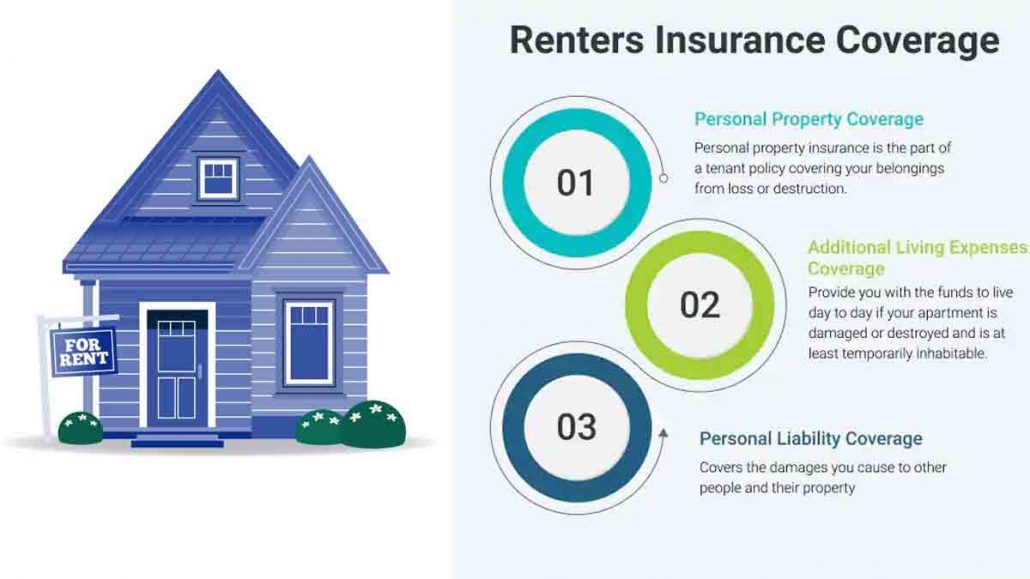
Just like I mentioned earlier, a genuine renters policy includes three types of coverage. But we will be providing you with four types of coverage including a standard renters policy. This includes:

Personal property

You will be covered for the loss of items and other personal belongings due to unforeseen events that include the following:

  • Fire or lightning
  • Windstorm or hail
  • Theft
  • Vandalism or malicious mischief
  • Volcanic eruption
  • A falling object
  • Smoke
  • Riot or civil commotion
  • Explosion
  • Damage caused by vehicles
  • Damage caused by aircraft.
  • The weight of ice, snow or sleet, and more.

Liability coverage

Another coverage that renters insurance offers is liability coverage. This helps in protecting you from financial loss if as a result someone gets injured on your property and visa versa. Let’s take, for instance, your guest slips and fall in your apartment, and the person decides to sue you for medical expenses. However, you don’t have to worry about covering the medical bill as your renters insurance will take care of the cost.

Additional living expenses coverage

Perhaps something unfortunate resulted in you leaving your apartment because it became unlivable due to a covered loss like fire or server storm damage. With your renters insurance policy, you don’t have to pay for living in another place as your policy covers your additional living expenses some of which include temporary accommodation, meals, and other necessary expenses.  

Theft and vandalism coverage

Your renters insurance policy also includes coverage for theft and vandalism. For instance, if someone breaks into your apartment and steals your personal belongings or damages your property, your insurance covers the cost by providing you with financial protection.

Natural disasters coverage  

Just as the policy covers common perils such as fire and theft, it also offers coverage for natural disasters. Actually, this varies on your policy, some might offer coverage for natural disasters like windstorms, hail, lightning, and more. While some might only include floods and earthquakes, you might be required to purchase separate policies or endorsements.

Loss of use

If you can’t live in your home due to any of the following events mentioned above and you have to stay in a hotel. Your renters insurance policy will cover your expenses such as hotel bills, restaurant meals, and other costs.

Coverage for water damage

Water damage is significant in any renter insurance policy. It offers coverage for water damage which help to cover the costs of repairs and replacing damaged belongings regardless of the situation whether the damage resulted from a burst pipe or a faulty appliance or a leaking roof.

Coverage for fire damage

If peradventure there was a fire outbreak that destroy your rented property and your belongings. Renters insurance includes fire damage coverage that helps to cover the cost of replacement or repair of damaged items and also temporary housing if needed.

Pet-related incidents coverage

If you have a pet, you might be wondering does renter insurance covers pets also. While coverage may vary, there are policies that include pet-related incident coverage which is known as liability coverage.

Common exclusions in renters insurance policies

Almost all insurance policy including auto insurance does not cover everything. However, there are some aspects that renter insurance does not cover. Here are the following things that your insurance policy won’t pay for:

  • Flood damage
  • Earthquake damage
  • Infestations
  • Your roommate’s belongings.

If the following events cause damage to your personal belongings or property, your policy won’t cover the expenses for the damage or loss of items.

Benefits of having renters insurance

Now, that you have explored the coverage includes renters insurance, and not is not included. Let’s dive into some benefits it offers tenants like you.

  • It protects your personal belongings.
  • With liability protection and peace of mind, you don’t have to worry about having to spend money on medical bills if someone gets injured on your rented property or you accidentally injured someone.
  • It’s an affordable, and cost-effective way to financially protect your belongings and yourself. Lots of insurance companies offer you a wide range of policy options that you can customize to your preference and budget.
  • Importantly it helps to pay for additional living expenses if as a result, your apartment is inhabitable due to fire or severe water damage.

Factors to consider when choosing renters insurance

First of all, before purchasing renters insurance, you need to choose which is the best among the wide range of insurance companies we have. Here are some of the tips to help in narrowing down the right insurance policy best for you:

  1. Coverage limits: estimate the worthiness of your personal belongings and select the right coverage limit that adequately protects your belongings.
  2. Deductibles: read and understand the deductible you have in your policy. a higher deductible equals lower premiums, but this comes with the price of paying more out of pocket.
  3. Additional coverage: check if you need additional coverage for expensive items like jewelry, artwork, or electronics that might be above the normal policy limits.
  4. Discount: ask about available discounts. Most insurance providers offer multi-policy discounts or reduced rates when you have a safety feature installed in your apartment.
  5. Policy exclusions: inquire about any exclusions or limitations in your policy.

When you take note of these following factors and also inquire more from an experienced insurance agent, you can get the best policy that you need.

How to file a claim for renters insurance

If you do experience a loss, and you need to file for a renters insurance claim, this is very simple. here are some of the tips your need:

  • Firstly, ensure that you document the damage or loss thoroughly
  • Take photos or videos
  • Keep receipts for any damaged items
  • Make sure to file your claim as soon as possible

In addition, you can work with your insurance provider for better insight into the claims process and any requirements to start your claim.

FAQs

Does renters insurance cover theft?

Yes, your renters insurance policy also includes theft of your personal belongings even if you were not at home. For instance, if you lost your phone or it was stolen from your pocket. You are covered by the insurance company to pay for your loss.

Does renters insurance cover water damage?

Yes, renters insurance covers water damage, but it actually depends only if the cause of the water damage is a peril included in your policy. For example, if due to a burst pipe your property got damaged. You will have coverage, but if due to flood, you won’t.

Does renters insurance cover theft from car?

However, if your car was stolen, you need to file a claim under the auto insurance company insuring your car and not your renter policy. But if any items were stolen in your car like laptops and others. Then it will be covered by your renters policy.

Does renters insurance cover storage units?

Yes, renters insurance covers a storage unit. Similar to the fact that your renters policy protects your personal property while you travel. It also offers protection when you place your belongings at your friend’s place or somewhere besides your home.

Does renters insurance cover broken windows?

Yes, renters insurance covers broken windows, but it depends. For instance, if your bedroom window was broken due to a falling object like a falling tree branch in a strong wind, then you’re covered. But if caused due to some play by doing catch and fetch with your dog, it does not cover.

Does renters insurance cover pet damage?

These vary on your coverage and also the type of damage. For instance, if your dog goes playing in your neighbor’s house and mistakenly knocks over a valuable item with his tail, you should be covered by liability insurance. But if it was damaged by its fluffy claws. Then you would have to pay for damages. If your policy includes pet damage coverage, you’re covered.

Does renters insurance cover dog bites?

Yes, renters insurance cover dog bites on someone outside your household. Your insurance policy will pay for the medical bills. But some insurance companies do not include dog bite coverage. This is because of certain breeds of animals that have a history of aggression.


Why GEICO Motorcycle Insurance is the Best Choice for Riders

0

Is GEICO a good option for motorcycle insurance or which company has the best motorcycle insurance? First of all, there is a wide range of good motorcycle insurance companies that offers good insurance coverage at a good rate. But most time, it’s quite difficult to select from the link of the best motorcycle insurance company.

GEICO Motorcycle Insurance - Is GEICO Motorcycle Insurance Good

According to reports and statistics shows that Progress, Markel, Allstate, and GEICO are some of the top insurance companies in the world that offer members full coverage motorcycle insurance. Learn more about GEICO motorcycle insurance and also how to get started with the service.

Furthermore, GEICO allows you to save money on your motorcycle insurance by offering a better insurance quote that suits your preference. Regardless of the type of motorcycle insurance you own, you can enjoy amazing free online quote offers by GEICO which allows enables you to save more with no new policy.

Motorcycle insurance covers sport bikes, cruisers, modes, standards, and a lot more. Majorly, GEICO offers members with amazing coverage and also a cheap insurance rate. It is quite different from other motorcycle insurance companies based on the benefits and quotes offered to members.

Why choose GEICO for motorcycle insurance?

There are so many reasons why one should choose GEICO for motorcycle insurance. Here is the following reason why you need to choose GEICO Motorcycle insurance:

  • It offers you a competing coverage that required no skimp to afford a great price.
  • You also enjoy additional accessories coverage for the factor you’ve put in to make the ride your own.
  • Also, gain access to a unique set of knowledgeable and idealistic teams of authorized motorcycle agents to enlighten you about bikes.

These are some of the following reasons why you need to consider Geico when selecting suitable motorcycle insurance coverage for your budget.

Types of GEICO motorcycle insurance coverage

There are various coverage options provided by Geico for motorcycle insurance. Under the type of coverage, you can find the perfect coverage that suits your need.

Liability coverage: protecting you from legal liabilities  

This is a kind of insurance coverage that is very important and it provides you with financial protection against an accident caused by your own fault that resulted in damaging property or bodily injury.

Collison coverage: safeguarding your bike against accidents

This type of coverage offers protection for your motorcycle when you collide with another vehicle or object no matter whether the fault is yours or not. It got you covered on the costs of repairing or replacing your bike.

Comprehensive coverage: guarding against non-collision incidents

Comprehensive coverage is an extension of collision protection and it covers damage done to your motorcycle as a result of certain factors such as theft, vandalism, natural disasters, or falling objects.

Medical payments coverage: ensuring your well-being

In ensuring your well-being, this type of coverage got you covered on medical expenses from injuries obtained in a covered accident, regardless of fault.

Uninsured/underinsured motorist coverage: shielding against unforeseen situations

This coverage shields you against unforeseen events like accidents caused by a driver with no insurance policy or who doesn’t have enough coverage to cover damages or injuries.

Factors affecting Geico motorcycle insurance premiums

GEICO is considered one of the cheapest insurance companies, but there are several factors that affect the cost of insurance premiums. These include the following:

  1. Motorcycle Type: the make, model, and year of the motorcycle play a vital role in the insurance rates. Mostly sports bikes tend to have a high rate because of their increased speed and performance capabilities.
  2. Rider’s Age and Experience: someone young and with less experience in riding a bike generally face a higher insurance rate because of the high likelihood of accidents. However, tips to save more or reduce your insurance rate is to have a clean riding record.
  3. Rider’s Location: the location where you often ride your bike and store also affects your insurance rate. Urban areas with high records of traffic and theft rates can cause a higher premium.
  4. Annual Mileage: the number of miles you often ride in a year is also considered a factor that affects your insurance cost.
  5. Safety features: having safety features including anti-theft devices, alarm systems, and ABS brakes implemented on your motorcycle can help reduce your insurance rate.

Getting a Geico motorcycle insurance quote

Getting GEICO motorcycle insurance is a simple and straightforward process. You can choose to obtain a quote online by visiting the website and providing the necessary information about your motorcycle, personal details, and coverage preference.

Another option to obtaining the quote is by calling the toll-free number and connecting with a GEICO representative who will provide you the assistance you need and also answer your question.

Geico motorcycle insurance discounts and benefits

When your purchase motorcycle insurance with GEICO, you automatically gain access to lots of discounts and benefits that can help to reduce your premium. These are the following discount:

  • Up to 10% discount when you move from your current insurer to GEICO
  • Up to 10% discount if you insure multiple motorcycles
  • 10% discount for experienced riders
  • Up to 10% discount when renewing your policy with GEICO
  • Up to 10% discount when you complete the Motorcycle Safety Foundation or Military Safety Course
  • 20% discount when you are a current Motorcycle Safety Foundation Instructor
  • 5% discount on your policy if you also insure your car with GEICO

Tips for saving money on GEICO motorcycle insurance

Similar to the fact that there are factors that influence the cost of insurance rate. However, you can use this to your advantage with the following helpful tips to save more money on your insurance policy:

  • Make efficient use of available discounts
  • Bundle motorcycle insurance with other policies
  • Choose a higher deductible
  • Keep a clan riding record
  • Join the motorcycle rider association for potential discounts.

Geico motorcycle insurance claims process

Get to know the smooth motorcycle insurance claims process at Geico and ensure a hassle-free experience. There are several ways how to file a claim with GEICO. Simply, go through the website or call their claims hotline. You might be prompt to provide certain information, ensure that you provide the right information. Once the claim is filed, a claims adjuster will guide you through the process, assess the damages, and help you with repairs or settlements.

How much does motorcycle insurance require?

First of all, motorcycle insurance is essential in most states in the United States. The offers rider an amazing benefit from the coverage offered notwithstanding the local requirement. The cost of motorcycle insurance is affected by certain factors that include the state and others.

According to reports, the average cost of motorcycle insurance is about $721. But Geico is among the list of the largest insurance company that offers cheap insurance quotes. Therefore, you can definitely find a suitable and affordable motorcycle insurance policy.

Home Insurance Cost Utah – Find Affordable Rates

0

Utah, known for its stunning landscapes and vibrant communities, offers a unique blend of urban and rural living. As a result, home insurance costs can vary significantly depending on various factors. This comprehensive guide will delve into the key factors influencing home insurance premiums in Utah, providing you with valuable insights to make informed decisions about protecting your most significant investment. Find out how to Get a free quote on home insurance in Utah online. Compare home insurance cost in Utah from top-rated insurers and find the best coverage for your home.

Home Insurance Cost Utah

Compare the Best Homeowners Insurance Companies in Utah

When selecting the best homeowners insurance company in Utah, it’s crucial to consider factors such as coverage, cost, customer service, and financial stability. Here’s a comparison of some of the top-rated companies in the state:

  • State Farm: Known for its extensive network of agents, State Farm offers competitive rates and a wide range of coverage options. They also provide discounts for bundling home and auto insurance.  
  • Farmers: Farmers is another popular choice in Utah, offering customizable policies and a strong reputation for customer service. They also provide discounts for various factors, such as home security systems.  
  • American Family: American Family is known for its affordable rates and excellent customer satisfaction. They offer a variety of coverage options and discounts for bundling policies.  
  • Allstate: Allstate is a well-established insurance company with a strong presence in Utah. They offer a wide range of coverage options and discounts for various factors, such as home security systems.  
  • USAA: USAA is primarily for military members and their families, but they also offer competitive homeowners insurance rates in Utah. They are known for their excellent customer service and financial stability.  
CompanyBest Known ForAverage Annual CostCoverage OptionsCustomer ServiceFinancial Strength
State FarmOverall value$1,246Comprehensive coverage, including personal liabilityExcellent reputation for customer serviceStrong financial rating
USAAMilitary-focused$1,140Competitive rates for military members and their familiesHigh-quality customer serviceExcellent financial rating
NationwideBundling discounts$1,220Variety of coverage options, including earthquake and floodAbove-average customer satisfactionStrong financial rating
AllstateShort-term rental coverage$1,350Specialized coverage for homeowners with rental propertiesGood customer service reputationStrong financial rating
American FamilyLow rates$1,000Competitive pricing and good coverage optionsAbove-average customer satisfactionStrong financial rating

Remember: The best company for you will depend on your specific needs and preferences. It’s essential to get quotes from multiple companies and compare their coverage options and prices before making a decision.

How Much is Homeowners Insurance in Utah?

The average cost of homeowners insurance in Utah is around $1,140 per year. However, this figure can vary significantly based on several factors, including:

  • Location: Homeowners insurance costs can differ depending on the specific city or town in Utah. Areas with higher crime rates, natural disaster risks (like wildfires or earthquakes), or proximity to bodies of water may have higher premiums.  
  • Home value: The more expensive your home is, the more coverage you’ll need, which can lead to higher premiums.
  • Coverage limits: The amount of coverage you choose for your home and belongings will affect your premium. Higher limits mean higher costs.  
  • Deductibles: A higher deductible (the amount you pay out of pocket before your insurance coverage kicks in) can lower your premium, but it also means you’ll have to pay more in case of a claim.  
  • Insurance company: Different insurance companies offer varying rates and coverage options. It’s essential to compare quotes from multiple providers to find the best deal for your specific needs.  

For the most accurate and up-to-date information, it’s recommended to get quotes from several insurance companies in Utah. They can provide you with a personalized estimate based on your specific circumstances.

Common Home Insurance Coverage Options in Utah

  • Dwelling Coverage: Protects the structure of your home, including the foundation, walls, roof, and attached structures.
  • Contents Coverage: Covers personal belongings inside your home, such as furniture, electronics, and clothing.
  • Liability Coverage: Protects you from lawsuits if someone is injured on your property or if you accidentally damage someone else’s property.  
  • Additional Living Expenses: Covers temporary housing costs if your home becomes uninhabitable due to a covered loss.  

How to Buy Home Owners Insurance in Utah

Purchasing homeowners insurance in Utah is essential to protect your significant investment. Here’s a step-by-step guide to help you navigate the process:

1. Assess Your Needs:

  • Determine Coverage: Identify the type and amount of coverage you need. Consider factors like the value of your home, personal belongings, and potential liabilities.
  • Evaluate Risks: Assess your specific risks, such as natural disasters (earthquakes, wildfires), theft, or liability claims.

2. Gather Information:

  • Home Details: Collect information about your home, including its square footage, age, construction materials, and any recent renovations.
  • Insurance History: Gather information about your previous insurance claims and coverage.

3. Get Quotes:

  • Contact Multiple Companies: Reach out to several reputable insurance companies in Utah. You can find them online, through referrals, or by contacting your local insurance agent.
  • Provide Information: Be prepared to answer questions about your home, coverage needs, and insurance history.
  • Compare Quotes: Carefully compare premiums, coverage options, customer service, and financial stability.

4. Review Coverage Options:

  • Understand Policies: Review the terms and conditions of each policy to ensure it meets your specific needs.
  • Consider Add-Ons: Evaluate additional coverage options like earthquake insurance, flood insurance, or personal liability coverage.

5. Choose a Policy:

  • Evaluate Value: Select the policy that offers the best value based on your needs and budget.
  • Consider Customer Service: Choose a company with a strong reputation for customer service.

6. Pay Premiums:

  • Set Up Payments: Determine your preferred payment method (monthly, quarterly, or annually).
  • Review Payment Options: Explore any available payment plans or discounts.

7. Review Your Policy Regularly:

  • Annual Review: Review your policy annually to ensure it still meets your needs and make necessary adjustments.
  • Update Information: Keep your insurance company informed of any changes to your home, coverage needs, or contact information.

Following these steps, you can effectively purchase homeowners insurance in Utah that provides adequate protection for your valuable asset.

Frequently Asked Questions

What is the average home insurance cost in Utah?

The average home insurance cost in Utah can vary widely depending on the factors mentioned above. However, you can expect to pay somewhere between $1,000 and $2,000 per year for a standard policy.

How can I get a discount on my home insurance in Utah?

There are several ways to get discounts on your home insurance, including:

  • Bundling policies: Combining your home insurance with other policies like auto insurance can often result in discounts.
  • Installing safety features: Having home security measures can lower your premium.
  • Taking online courses: Some insurance companies offer discounts for completing online courses on home safety.

What should I look for when choosing a home insurance company in Utah?

  • Financial stability: Ensure the company has a strong financial rating to guarantee they can pay claims.
  • Customer service: Look for a company with a good reputation for customer service.
  • Coverage options: Make sure the company offers the coverage you need.
  • Claims process: Understand the company’s claims process to ensure a smooth experience in case of a loss.

How often should I review my home insurance policy?

It’s recommended to review your home insurance policy annually to ensure it still meets your needs and that you’re getting the best possible value. Significant life events like buying new furniture, remodeling, or adding a pool can impact your coverage requirements.

Can I cancel my home insurance policy at any time?

Yes, you can usually cancel your home insurance policy at any time. However, there may be cancellation fees or penalties depending on your policy terms.

Conclusion

Understanding the factors that influence home insurance costs in Utah can help you make informed decisions and find the most affordable coverage for your needs. By comparing quotes, reviewing your coverage needs, and taking advantage of available discounts, you can secure a home insurance policy that provides adequate protection while fitting within your budget.

Umbrella Insurance For Small Business

0

In the dynamic world of small business, unexpected events can pose significant financial threats. While traditional business insurance policies offer coverage for common risks, they may not be sufficient to protect your enterprise from catastrophic losses. This is where umbrella insurance comes into play. Umbrella insurance acts as an additional layer of protection, providing coverage beyond the limits of your primary liability policies. By investing in umbrella insurance, small business owners can safeguard their assets and ensure the long-term viability of their ventures.

Umbrella Insurance For Small Business

Why is Umbrella Insurance Essential for Small Businesses?

Umbrella insurance is essential for small businesses due to several compelling reasons:

1. Enhanced Financial Protection:

  • Catastrophic Events: Umbrella insurance provides substantial coverage for unexpected events like lawsuits, accidents, or property damage that could result in massive financial losses.
  • Exceeding Policy Limits: If a claim exceeds the limits of your primary liability insurance, umbrella insurance can cover the excess costs, preventing you from incurring significant out-of-pocket expenses.

2. Peace of Mind and Risk Mitigation:

  • Reduced Stress: Knowing that your business is protected against major financial risks can alleviate stress and allow you to focus on running your operations.
  • Risk Management: Umbrella insurance acts as a valuable risk management tool, helping you to mitigate potential liabilities and protect your business’s reputation.

3. Competitive Advantage:

  • Client Confidence: Demonstrating that your business has comprehensive insurance coverage can enhance your credibility and build trust with clients and partners.
  • Business Growth: Umbrella insurance can provide the financial security needed to pursue growth opportunities and expand your operations.

4. Affordable Protection:

  • Cost-Effective: Umbrella insurance is often surprisingly affordable despite its significant benefits, making it a worthwhile investment for small businesses.
  • Tailored Coverage: You can customize your umbrella insurance policy to meet your specific needs and budget, ensuring you receive the protection you require.

Also, umbrella insurance is a vital component of small businesses’ comprehensive risk management strategy. By investing in this essential coverage, you can safeguard your assets, and protect your business’s reputation.

How Much Does Umbrella Insurance Cost for a Small Business?

The cost of umbrella insurance for a small business can vary depending on several factors, including:

  • Your business’s industry: Some industries, such as construction or healthcare, may have higher risk profiles and therefore require more expensive insurance.
  • The size of your business: Larger businesses generally need more comprehensive coverage and may face higher premiums.
  • Your business’s location: Businesses in areas with higher crime rates or natural disaster risks may also have increased insurance costs.
  • Your business’s claims history: A clean claims history can lead to lower premiums, while a history of claims may result in higher costs.
  • The amount of coverage you need: The higher the coverage limit, the more you’ll typically pay for your umbrella insurance.

Generally, umbrella insurance for small businesses can range from a few hundred to several thousand dollars per year. It’s important to get quotes from multiple insurers to compare prices and find the best deal for your specific needs.

What Does Umbrella Insurance Cover for Small Businesses?

Umbrella insurance for small businesses provides an extra layer of protection beyond your primary liability policies. It can cover a wide range of unexpected events that could result in significant financial losses, such as:

1. Lawsuits:

  • Product liability: If your products cause harm to consumers.
  • Professional malpractice: If your services result in errors or omissions.
  • Employment practices liability: If you are involved in wrongful termination, discrimination, or harassment lawsuits.
  • Personal injury: If your business or employees cause physical harm to others.

2. Accidents:

  • Vehicle accidents: If your business vehicles are involved in accidents.
  • Property damage: If your business property is damaged due to accidents or negligence.

3. Other unexpected events:

  • Defamation: If your business makes false statements that harm someone’s reputation.
  • Advertising injury: If your advertising infringes on someone’s rights.
  • Copyright infringement: If your business uses copyrighted material without permission.

Umbrella insurance can cover a wide range of potential liabilities that could have a devastating impact on your small business.

Factors to Consider When Purchasing Umbrella Insurance

  • Underlying Coverage: Your umbrella policy’s effectiveness depends on the strength of your underlying CGL insurance. Ensure your primary policy provides adequate coverage for your specific business operations.
  • Coverage Limits: Choose an umbrella policy with a high enough limit to address potential risks associated with your business. Consider factors such as the nature of your business, industry standards, and the potential value of claims.
  • Exclusions: Be aware of any exclusions or limitations in your umbrella policy. Some policies may exclude certain types of claims, such as intentional acts or environmental pollution.
  • Premium Costs: Compare premiums from different insurers to find the most affordable option that meets your coverage needs. Factors like your business’s risk profile, location, and claims history can influence premium costs.

Common Scenarios Where Umbrella Insurance Can Be Beneficial

  • Product Liability: If your business manufactures or sells products, umbrella insurance can protect you from claims related to product defects or injuries.
  • Professional Liability: For businesses providing professional services, umbrella insurance can cover claims arising from errors, omissions, or negligence.
  • Employment Practices Liability: If your business employs staff, umbrella insurance can help protect you from claims related to wrongful termination, discrimination, or harassment.
  • Property Damage: In the event of a catastrophic event that causes extensive property damage, umbrella insurance can provide additional coverage beyond your primary property insurance.

Tips for Maximizing Your Umbrella Insurance Coverage

  • Regular Review: Periodically review your umbrella insurance policy to ensure it aligns with your business’s evolving needs and risk profile.
  • Consult with an Insurance Professional: Seek advice from a qualified insurance agent or broker who can help you understand your specific needs and recommend appropriate coverage.
  • Consider Additional Endorsements: Explore available endorsements that can enhance your umbrella insurance coverage, such as those for personal injury or cyber liability.

Frequently Asked Questions (FAQs)

Do I need both CGL and umbrella insurance?

Yes, CGL insurance is the foundation for your business liability coverage. However, an umbrella policy provides additional protection when your CGL limits are insufficient.

How much coverage do I need?

The appropriate amount of coverage depends on your business’s specific risks and financial situation. Consulting with an insurance professional can help you determine the right level of protection.

Can I get umbrella insurance if I have a bad insurance history?

Your insurance history can influence your eligibility for umbrella insurance. However, there may be options available for businesses with less-than-perfect records.

How much does umbrella insurance cost?

The cost of umbrella insurance varies based on factors like your business’s industry, size, risk profile, and the amount of coverage you need.

Can I customize my umbrella insurance policy?

Yes, you can often customize your umbrella policy to meet your specific needs and address potential risks.

What is the difference between personal and commercial umbrella insurance?

Personal umbrella insurance protects your personal assets, while commercial umbrella insurance safeguards your business’s assets.

Can umbrella insurance cover environmental pollution claims?

Depending on the specific terms of your policy, umbrella insurance may provide coverage for environmental pollution claims.

Conclusion

Umbrella insurance is a valuable tool for small businesses seeking enhanced protection against significant liability risks. By understanding the benefits and considering your specific needs, you can make an informed decision about whether an umbrella policy is right for your business.

What Determines Home Insurance Cost

0

What Determines Home Insurance Cost? The cost of home insurance is determined by a variety of factors, including the location of your home, the age and condition of your home, the coverage you choose, and your claims history. Homeowners insurance premiums vary widely from company to company, so it is important to shop around and compare rates from several different insurers.  

What Determines Home Insurance Cost

In addition to the factors listed above, other factors that can affect the cost of home insurance include the type of construction of your home, the presence of safety features such as a security system or smoke detectors, and your credit score (in some states). Homeowners insurance premiums also tend to increase with age, as older homes are more likely to need repairs and maintenance.

Factors That Determines Home Insurance Cost

These are some of the factors that determines home insurance cost:

Location:

  • Natural Disaster Risk: Areas prone to hurricanes, earthquakes, wildfires, or floods typically have higher insurance premiums.
  • Crime Rates: Regions with higher crime rates may also have elevated insurance costs due to the increased risk of theft and vandalism.
  • Proximity to Fire Stations and Hospitals: Homes located closer to emergency services often have lower premiums.

Home Characteristics:

  • Age: Older homes may require more maintenance and have outdated safety features, leading to higher insurance costs.
  • Size: Larger homes generally have higher premiums due to the increased value of the property and belongings.
  • Construction Materials: Homes built with fire-resistant materials or impact-resistant windows can qualify for discounts.
  • Roof Condition: A well-maintained roof can help lower your insurance premium.

Coverage Limits:

  • Dwelling Coverage: This covers the cost of rebuilding your home in case of damage. Higher coverage limits typically result in higher premiums.
  • Personal Property Coverage: This protects your belongings inside the home. Increasing your coverage can affect your premium.
  • Liability Coverage: This covers your legal expenses if someone is injured on your property. Higher limits may increase your premium.

Deductible:

  • Amount: A higher deductible means you pay more out-of-pocket in case of a claim. In exchange, you may receive a lower premium.

Discounts:

  • Bundle Discounts: Insurance companies often offer discounts when you bundle home and auto insurance policies.
  • Safety Features: Homes with security systems, smoke detectors, and fire sprinklers may qualify for discounts.
  • Loyalty Discounts: Some insurers reward long-term customers with lower premiums.
  • Claims History: A clean claims history can result in lower premiums.

Additional Considerations

  • Flood Insurance: Flood insurance is typically not included in standard home insurance policies. If you live in a flood-prone area, consider purchasing separate flood insurance.
  • Earthquake Insurance: Similarly, earthquake insurance is often an optional coverage. If you live in an earthquake-prone region, assess the risk and consider purchasing this coverage.
  • Replacement Cost Coverage: This coverage reimburses you for the cost of replacing your damaged property with new items of similar quality, rather than the depreciated value.

How to Lower Home Insurance Costs

Here are some strategies to help you reduce your home insurance premiums:

  1. Increase Your Deductible: Opting for a higher deductible means you’ll pay more out-of-pocket in case of a claim, but it can significantly lower your premium.  
  2. Improve Home Security: Installing security systems, such as alarms, surveillance cameras, or smart locks, can make your home less attractive to burglars and lead to lower insurance rates.
  3. Upgrade Your Roof: A newer, more durable roof can reduce the risk of damage and lower your premium.
  4. Bundle Policies: Combining your home insurance with other policies, like auto insurance, from the same insurer can often result in discounts.
  5. Shop Around: Don’t be afraid to compare quotes from multiple insurance companies. This can help you find the best deal for your specific needs.
  6. Consider Discounts: Many insurance companies offer discounts for various reasons, such as being a homeowner, having a good driving record, or being a member of certain organizations.
  7. Maintain a Clean Home: A well-maintained home with no recent claims can lower your insurance premium.
  8. Consider a Home Insurance Inspection: Some insurers offer discounts for homes that have been inspected and found to be in good condition.
  9. Be Aware of Your Coverage Needs: Avoid over-insuring your home, as this can lead to higher premiums. Ensure your coverage is adequate but not excessive.
  10. Stay Informed: Keep up-to-date on changes in the insurance market and consider adjusting your coverage as needed.

By implementing these tips, you can potentially lower your home insurance costs and enjoy greater financial security.

Frequently Asked Questions (FAQs)

How often should I review my home insurance policy?

It’s recommended to review your home insurance policy annually to ensure it still meets your needs and that you’re taking advantage of any available discounts.

Can I increase my deductible to lower my premium?

Yes, increasing your deductible can lower your premium. However, be prepared to pay more out-of-pocket if you need to file a claim.

What should I do if I’m considering moving to a different area?

Get quotes from multiple insurance companies to compare premiums based on your new location.

How can I improve my home’s security and potentially lower my insurance premium?

Consider installing a security system, upgrading locks, and adding outdoor lighting.

Is it worth it to bundle my home insurance with other policies?

Bundling can often lead to discounts, so it’s worth exploring this option.

What factors should I consider when choosing an insurance company?

Look at the company’s financial strength, customer satisfaction ratings, and claims handling process.

Best Health Insurance in Texas For Young Adults

0

As a young adult in Texas, finding affordable and comprehensive health insurance can be a daunting task. With so many options available, it’s essential to understand your specific needs and preferences. Here’s a guide to help you navigate the Best Health Insurance in Texas For Young Adults in the market and find the best plan for your situation.

Best Health Insurance in Texas For Young Adults

Understanding Texas Health Insurance Market

Texas has a diverse health insurance market, with both public and private insurers offering a variety of plans. Young adults typically have a few options to consider:

  • Employer-Sponsored Plans: If you’re employed, your employer may offer a health insurance plan. These plans often provide good coverage, but the specific benefits and premiums can vary widely.
  • Individual Market: If you’re not eligible for employer-sponsored coverage or public programs, you can purchase individual health insurance plans through the Health Insurance Marketplace (healthcare.gov).
  • Public Programs: Depending on your income and other factors, you may qualify for public programs like Medicaid or the Children’s Health Insurance Program (CHIP).

Factors to Consider When Choosing a Health Insurance Plan

When selecting a health insurance plan, consider the following factors:

  • Coverage: Assess the types of coverage offered, including inpatient and outpatient services, prescription drugs, mental health services, and preventive care.
  • Deductibles and Co-pays: Understand the out-of-pocket costs you’ll be responsible for, such as deductibles, co-pays, and co-insurance.
  • Network: Check the plan’s network of doctors and hospitals to ensure they meet your needs and preferences.
  • Premiums: Compare the monthly premiums of different plans to find the most affordable option.
  • Additional Benefits: Some plans may offer additional benefits like telehealth services, vision and dental coverage, or wellness programs.

Best Health Insurance Options for Young Adults in Texas

While the best health insurance plan for you will depend on your individual circumstances, here are some popular options for young adults in Texas:

  • Medicaid: If you meet the income eligibility requirements, Medicaid can provide affordable health insurance coverage.
  • CHIP: For children and young adults under 26, CHIP offers comprehensive health insurance at low or no cost.
  • Individual Market Plans: The Health Insurance Marketplace offers a variety of individual health insurance plans, including options with subsidies for those who qualify.
  • Employer-Sponsored Plans: If your employer offers a health insurance plan, it’s worth considering as it may provide good coverage at a lower cost.

How To Get Health Insurance for Young Adults?

As a young adult, it’s important to have health insurance to protect yourself against unexpected medical expenses. Here are some common ways to obtain coverage:

1. Through Your Employer

Check with your employer: Many employers offer group health insurance plans as part of their benefits package. If your employer does, you may be eligible to enroll at a lower cost than purchasing individual coverage.

2. Individual Health Insurance Marketplace

Explore the Marketplace: The Health Insurance Marketplace (.gov) is a government-run website that allows you to compare and purchase individual health insurance plans. You may qualify for subsidies or tax credits to help lower your costs.

3. Parental Coverage

Stay on your parents’ plan: If you’re under 26, you can usually stay on your parents’ health insurance plan as a dependent.

4. State-Specific Programs

Research state programs: Some states offer affordable health insurance options for young adults, such as Medicaid or subsidized plans through the Marketplace.

Best Health Insurance Companies in Texas

Choosing the right health insurance company in Texas is crucial for your well-being and financial security. Here are some of the top-rated companies known for their reliable coverage, extensive networks, and competitive pricing:

1. Blue Cross Blue Shield of Texas

  • Reputation: One of the largest insurers in Texas, offering a wide range of plans.
  • Benefits: Extensive provider networks, various plan options, and strong customer service.

2. UnitedHealthcare

  • Reputation: A national leader in health insurance, known for its innovative products.
  • Benefits: Comprehensive coverage, advanced technology, and a focus on preventative care.

3. Aetna

  • Reputation: A well-established insurer with a strong presence in Texas.
  • Benefits: Competitive pricing, reliable customer support, and a focus on quality care.

4. Humana:

  • Reputation: Offers a variety of plans, including Medicare Advantage and individual plans.
  • Benefits: Strong provider networks, wellness programs, and personalized care.

5. Cigna

  • Reputation: Known for its global reach and focus on health and well-being.
  • Benefits: Extensive provider networks, innovative programs, and a commitment to customer satisfaction.

Tips for Saving on Health Insurance

  • Shop Around: Compare plans from different insurers to find the best deal.
  • Consider a High-Deductible Health Plan (HDHP): HDHPs often have lower premiums but require you to pay a higher deductible. If you’re healthy and can afford the upfront costs, an HDHP can be a good option.
  • Take Advantage of Employer Contributions: If your employer offers health insurance subsidies or contributions, maximize your savings.
  • Utilize Preventive Care: Many health insurance plans cover preventive services at no cost. Taking advantage of these services can help you stay healthy and avoid costly medical treatments.

FAQs

What is the best health insurance for young adults in Texas?

The best health insurance plan for you depends on your individual needs, budget, and lifestyle. Consider factors such as coverage, cost, and network.

How can I find affordable health insurance in Texas?

Several options can help you find affordable health insurance:

  • Marketplace: Visit healthcare.gov to explore plans offered through the Affordable Care Act (ACA).
  • Employer-sponsored plans: If you work for a company, inquire about their health insurance options.
  • Individual plans: You can purchase individual health insurance directly from insurance companies.

Do I need health insurance if I’m under 26?

If you’re under 26, you may be eligible to stay on your parent’s health insurance plan. However, it’s essential to check with your parents’ insurance provider to confirm eligibility.

What are the benefits of having health insurance?

Health insurance provides financial protection against unexpected medical expenses. It can also give you access to preventive care services, such as regular check-ups and screenings.

How can I save money on health insurance?

Here are some tips for saving money on health insurance:

  • Compare plans: Shop around and compare quotes from different insurers.
  • Choose a high deductible plan: HDHPs with HSAs can be more affordable in the long run.
  • Take advantage of discounts: Some insurers offer discounts for healthy lifestyle choices or group memberships.

Conclusion

Choosing the right health insurance plan is crucial for your overall well-being and financial security. By carefully considering your needs and options, you can find a plan that provides adequate coverage at an affordable price. Remember to shop around, compare plans, and don’t hesitate to seek assistance from a qualified insurance agent or broker if needed.

Life Insurance AARP – Guide to Affordable Coverage

0

AARP Life Insurance offers a valuable financial safety net for individuals seeking affordable and reliable coverage. As a leading organization dedicated to the well-being of older adults, AARP has partnered with reputable insurance providers to deliver a range of life insurance options tailored to the specific needs of its members. Whether you’re looking to protect your loved ones from financial hardship or secure your own future, AARP Life Insurance provides a comprehensive solution.

Life Insurance AARP

By leveraging the collective bargaining power of millions of members, AARP is able to negotiate competitive rates and flexible terms for its life insurance products. This means that AARP members can potentially benefit from lower premiums and broader coverage options compared to individual policies. With AARP Life Insurance, you can rest assured that you’re getting a quality product backed by a trusted organization.

Types of AARP Life Insurance

AARP has partnered with New York Life to provide its members with a variety of life insurance options. These policies are tailored to the specific needs of older individuals, offering flexibility, affordability, and peace of mind.

Term Life Insurance

This type of insurance provides coverage for a specific period. If you pass away during the term, your beneficiaries receive a death benefit. Term life insurance is often more affordable than permanent options, making it a popular choice for temporary coverage.

Permanent Life Insurance

Also known as whole life insurance, this type covers your entire life. In addition to a death benefit, permanent policies can also accumulate cash value over time. This cash value can be used for various purposes, such as loans or withdrawals.

Guaranteed Acceptance of Life Insurance

This type of insurance offers coverage regardless of your health condition. While the death benefit may be limited, it can provide essential protection for those not qualifying for traditional life insurance policies.

AARP Life Insurance Pros and Cons

Pros:

  • Affordable Rates: AARP’s collective bargaining power often translates into competitive pricing for its life insurance products.
  • Wide Range of Options: AARP offers various life insurance policies to suit different needs and budgets, including term life, whole life, and universal life.
  • Trusted Organization: AARP’s reputation as a reliable and consumer-focused organization can provide peace of mind for policyholders.
  • Additional Benefits: Some AARP life insurance plans may include additional features or benefits, such as accidental death and dismemberment coverage or living benefits.
  • Member Discounts: AARP members may be eligible for exclusive discounts or promotions on life insurance products.

Cons:

  • Limited Availability: AARP life insurance may not be available in all states or regions.
  • Specific Requirements: Some AARP life insurance plans may have specific eligibility requirements, such as age restrictions or health conditions.
  • Potential for Higher Premiums: While AARP often offers competitive rates, individual factors such as age, health, and policy type can influence premium costs.
  • Limited Customization: AARP life insurance policies may have fewer customization options compared to individual policies.

How Much Is AARP Life Insurance?

The cost of AARP life insurance can vary depending on several factors, including:

  • Age: Generally, older individuals will pay higher premiums than younger individuals.
  • Health: Your overall health and any existing medical conditions can affect your premium.
  • Policy Type: The type of life insurance you choose (e.g., term life, whole life) will influence the cost.
  • Coverage Amount: The amount of coverage you purchase will directly impact your premium.
  • State: Premiums can vary by state due to differences in regulations and demographics.

Comparing AARP Life Insurance with Others

When considering life insurance options, it’s essential to compare AARP’s offerings with those provided by other reputable insurers. Here are some key factors to consider:

1. Cost:

  • AARP’s Competitive Rates: AARP often leverages its large membership base to negotiate competitive premiums.
  • Other Insurer’s Pricing: Compare rates from other insurers to ensure you’re getting the best value.
  • Individual Factors: Your age, health, and policy type can significantly impact premium costs across different insurers.

2. Coverage Options:

  • AARP’s Range: AARP offers a variety of life insurance products, including term life, whole life, and universal life.
  • Other Insurer’s Offerings: Evaluate the range of coverage options available from other insurers to find the best fit for your needs.
  • Customization: Consider the level of customization available in each insurer’s policies.

3. Additional Benefits:

  • AARP’s Features: AARP may offer additional benefits such as accidental death and dismemberment coverage or living benefits.
  • Other Insurer’s Extras: Compare the additional features and benefits offered by other insurers.
  • Value: Assess the overall value of the additional features in relation to the premium cost.

4. Customer Service:

  • AARP’s Reputation: AARP is known for its commitment to customer satisfaction.
  • Other Insurer’s Service: Research the reputation of other insurers for customer service and claims handling.
  • Accessibility: Consider the ease of contacting customer service and the responsiveness of agents.

5. Financial Stability:

  • AARP’s Backing: AARP’s partnership with reputable insurance providers can provide financial stability.
  • Other Insurer’s Strength: Evaluate the financial strength and stability of other insurers.
  • Ratings: Consider the insurer’s financial ratings from organizations like A.M. Best.

FAQs

Am I eligible for AARP life insurance?

Generally, you must be an AARP member to qualify for their life insurance products. However, specific eligibility criteria may vary depending on the policy type.

How much coverage do I need?

The amount of coverage you need depends on your financial situation, family responsibilities, and desired legacy. A financial advisor can help you determine the appropriate amount.

Can I get life insurance without a medical exam?

In some cases, AARP may offer life insurance options that do not require a medical exam. However, this can impact your premium and coverage options.

Can I change my beneficiary?

Yes, you can change your beneficiary at any time. It’s important to review your beneficiary designation regularly to ensure it reflects your current wishes.

What happens if I outlive my life insurance policy?

If you purchase a term life insurance policy and outlive the coverage period, the policy will expire, and you will no longer receive a death benefit. However, whole life insurance policies offer permanent coverage, so you will continue to be insured for your entire life.

Conclusion

AARP life insurance provides a valuable way to protect your loved ones and ensure their financial security. By understanding the different types of coverage available and considering your specific needs, you can make an informed decision about the best policy for you.

Diversity Visa – Requirements And Application Process

0

The Diversity Visa Program, also known as the Green Card Lottery, is a unique immigration opportunity offered by the United States government. Designed to diversify the immigrant population, this program annually grants permanent residency (green cards) to 55,000 individuals from countries with historically low immigration rates to the U.S. This lottery-based system provides a chance for people from underrepresented nations to build a new life in America, regardless of their family or employment ties. Learn about the Diversity Visa Lottery and how to apply for a green card to live and work in the United States. Discover your eligibility and find resources to help you in the application process.

Diversity Visa

The Diversity Visa Program was established to foster cultural exchange and economic growth. By selecting applicants from a wide range of countries, the U.S. government aims to enrich its society with diverse perspectives and skills. This program offers a lifeline to individuals seeking better opportunities and a chance to contribute to the American dream.

How Does it Work?

  • Registration Period: Every year, the U.S. Department of State announces a specific registration period. During this time, eligible applicants can submit their entries online through the official DV website.
  • Random Selection: After the registration period closes, a computer program randomly selects a certain number of entries. These selected applicants are considered potential Diversity Visa recipients.
  • Verification and Interview: If you are selected, you will need to provide additional documentation to verify your eligibility. This may include proof of education, employment, and family relationships. You may also be required to attend an interview at a U.S. embassy or consulate.
  • Issuance of Green Card: If you successfully pass all the necessary steps, you will be eligible to receive a green card, which allows you to live and work permanently in the United States.

Benefits of the Diversity Lottery Visa

The Diversity Visa Program offers several significant benefits to those who are selected. First and foremost, it provides a pathway to permanent residency in the United States. This status grants individuals the right to live, work, and study in the country without restrictions.

Second, the program opens doors to a wide range of employment and educational opportunities. With a permanent resident visa, individuals can pursue careers in various fields and access quality education institutions. This can lead to professional growth and personal development.

Third, the Diversity Visa Program allows for family reunification. Eligible family members of the primary visa holder can join them in the United States, strengthening family bonds and creating a more stable life.

Finally, obtaining a Diversity Visa can be a stepping stone toward U.S. citizenship. After a certain period of residency, permanent residents may become eligible to apply for citizenship, granting them full rights and privileges as American citizens.

Documents Required for a Diversity Visa

To apply for a Diversity Visa, applicants must submit a comprehensive set of documents. While the specific requirements may vary slightly from year to year, the following documents are generally essential:

  • DS-260 Immigrant Visa Application: This is the primary application form that must be completed online.
  • Birth Certificate: A certified copy of the applicant’s birth certificate is required.
  • Passport: A valid passport with a blank visa page.
  • Photographs: Two passport-sized photographs.
  • Civil Documents: Depending on the applicant’s country of origin, they may need to provide additional civil documents, such as marriage certificates or divorce decrees.
  • Financial Documents: Applicants may be asked to provide evidence of financial stability, such as bank statements or tax returns.

It is crucial to review the official guidelines and instructions from the U.S. Department of State to ensure that all necessary documents are submitted accurately and on time.

Eligibility Requirements for Diversity Lottery

To be eligible for the Diversity Visa Program, applicants must meet several specific criteria:

Nationality

Applicants must be a native of one of the designated countries with historically low immigration rates to the United States. The eligible countries change annually, so it’s essential to check the most recent list.

Education or Work Experience

Applicants must have at least a high school education or equivalent. Alternatively, they must have two years of work experience within the past five years in an occupation that requires at least two years of training or experience.  

Family Size

The applicant’s family size does not directly affect eligibility. However, the number of family members who can accompany the primary visa recipient is limited.

Income Level

There are no specific income requirements for the Diversity Visa Program. However, applicants may need to demonstrate financial stability to support themselves and their family members in the United States.

Application Process for a Diversity Lottery Visa

The Diversity Visa Program, also known as the Green Card Lottery, is a unique immigration opportunity. Here’s a step-by-step guide on how to apply:

1. Registering for the Lottery

  • Timing: The registration period for the Diversity Visa Program opens annually and typically lasts for a few weeks. Keep an eye on the official website of the U.S. Department of State for announcements.
  • Eligibility: Ensure you meet the eligibility criteria, which include nationality, education or work experience, and family size.
  • Online Registration: Visit the official website and complete the online registration form.

2. Completing the Application Form

  • Accuracy: Provide accurate and truthful information in the application form.
  • Supporting Documents: Gather the necessary supporting documents, such as birth certificates, passports, and photographs.
  • Review and Submit: Carefully review your application before submitting it.

3. Submitting Required Documents

  • Upload or Mail: Depending on the instructions, you may need to upload your documents online or mail them to a designated address.
  • Completeness: Ensure all required documents are submitted on time.

4. Interview Process

  • Notification: If selected, you will receive a notification and be invited to attend an interview at a U.S. embassy or consulate in your home country.
  • Preparation: Prepare for the interview by reviewing your application and gathering any additional documents that may be requested.
  • Interview: Answer all questions honestly and comprehensively.

Common Mistakes to Avoid When Applying for a Diversity Visa

The Diversity Visa Program, while offering a valuable opportunity, can be competitive. To increase your chances of success, it’s essential to avoid common mistakes:

  1. Late Registration: The registration period for the Diversity Visa Program is typically limited. Ensure you submit your application on time to avoid missing the deadline.
  2. Incomplete or Inaccurate Information: Provide accurate and complete information in your application. Any discrepancies or omissions can lead to rejection.
  3. Incorrect Documentation: Submit all required documents in the correct format and within the specified timeframe. Missing or incorrect documents can delay the process.
  4. Lack of Preparation for the Interview: Prepare thoroughly for your visa interview by reviewing your application, understanding the process, and practicing potential questions.
  5. Misunderstanding Eligibility Requirements: Carefully review the eligibility criteria and ensure you meet all the necessary requirements. Any discrepancies can disqualify you.
  6. Ignoring Updates: Stay informed about any changes or updates to the Diversity Visa Program. Regularly check the official website for the latest information.

By avoiding these common mistakes and following the application process diligently, you can significantly improve your chances of obtaining a Diversity Visa.

FAQs

Is there a fee to apply for the DV Program?

No, there is no fee to apply for the DV Program.

Can I apply for the DV Program if I am already married?

Yes, you can apply for the DV Program even if you are married. Your spouse and unmarried children under 21 years old may be eligible to accompany you.

How long does it take to get a DV visa?

The processing time for DV visas can vary depending on various factors, but it typically takes several months to a year.

Can I choose where I want to live in the United States after winning the DV lottery?

No, the DV Program does not guarantee a specific location in the United States. You will need to indicate your preferred location during the visa interview, but the final decision will be made by the U.S. government.

Can I bring my parents or other family members with me on a DV visa?

Generally, only your spouse and unmarried children under 21 years old can accompany you on a DV visa. However, there may be exceptions in certain cases.

What happens if I win the DV lottery but do not complete the visa application process?

If you do not complete the visa application process within the specified timeframe, your DV visa will be revoked, and you will not be eligible for future DV programs.

Can I apply for the DV Program multiple times?

Yes, you can apply for the DV Program multiple times as long as you meet the eligibility requirements.

Is there a guaranteed green card for everyone who wins the DV lottery?

No, winning the DV lottery does not guarantee a green card. You must still meet all the requirements and pass the visa interview to obtain a green card.

What are the benefits of immigrating to the United States through the DV Program?

The DV Program offers the opportunity to live and work in the United States, a country with many economic and educational opportunities. It can also provide a better quality of life for you and your family.

Life Insurance No Exam – Affordable Coverage Without Medical Tests

0

Life Insurance No Exam is a rapidly growing segment of the insurance industry that offers policies without requiring traditional medical examinations. This innovative approach aims to make insurance more accessible to individuals who may face challenges or limitations in obtaining traditional coverage. By eliminating the need for physical exams, insurers can streamline the application process, potentially reducing costs and increasing customer satisfaction.

Life Insurance No Exam

This trend has gained significant momentum in recent years, driven by factors such as aging populations, technological advancements, and changing consumer preferences. As individuals seek affordable and convenient insurance options, life insurance without exams has emerged as a viable solution.

What is Life Insurance No Exam?

Life insurance no exam policies, also known as simplified issue or accelerated underwriting policies, offer life insurance coverage without the need for a traditional medical examination. These policies typically rely on a simplified application process that involves answering health-related questions and providing basic medical history information.

How Does No-Exam Life Insurance Work?

No-exam life insurance policies work by relying on alternative methods to assess your risk. Instead of a traditional medical examination, insurers may use the following factors:

  • Health questionnaire: You’ll be asked to provide detailed information about your health history, including any medical conditions, medications, and recent surgeries.
  • Medical records: You might need to consent to the release of your medical records for review.
  • Age: Your age is a significant factor in determining your risk.
  • Lifestyle factors: Your lifestyle habits, such as smoking, drinking, and exercise, can also influence your premium.
  • Occupation: Certain occupations are considered riskier than others.

Based on this information, insurers will calculate your premium. While no-exam policies offer convenience, they might have slightly higher premiums compared to traditional policies with medical exams, as the insurer assumes a higher level of risk.

Types of No-Exam Life Insurance

No-exam life insurance is available in various types, each with its unique features and benefits:

1. Term Life Insurance:

  • Coverage: Provides temporary coverage for a specific term (e.g., 10, 20, or 30 years).
  • Premiums: Typically have lower premiums during the initial term, but they may increase when the policy renews.
  • Death Benefit: Pays out a lump sum death benefit to your beneficiaries if you die within the policy term.

2. Whole Life Insurance:

  • Coverage: Provides permanent coverage for your entire life.
  • Premiums: Generally have higher premiums compared to term life insurance.
  • Death Benefit: Pays out a lump sum death benefit to your beneficiaries upon your death, regardless of when it occurs.
  • Cash Value: Builds cash value over time, which you can access through loans or withdrawals.

3. Universal Life Insurance:

  • Coverage: Provides permanent coverage with flexible premium payments.
  • Premiums: Allows you to adjust your premiums to suit your changing financial situation.
  • Death Benefit: Pays out a lump sum death benefit to your beneficiaries upon your death.
  • Cash Value: Builds cash value over time, which can be used for various financial needs.

4. Variable Life Insurance:

  • Coverage: Provides permanent coverage with investment options.
  • Premiums: Allows you to invest your premiums in various investment options, such as stocks, bonds, and mutual funds.
  • Death Benefit: Pays out a lump sum death benefit to your beneficiaries upon your death.
  • Cash Value: The cash value grows based on the performance of your investment choices.

Choosing the right type of no-exam life insurance depends on your individual needs, budget, and risk tolerance. Consider factors such as your coverage needs, desired benefits, and financial goals when making your decision.

Benefits of No Exam Life Insurance

  • Speed and Convenience: The application process for no exam life insurance is generally faster and more convenient compared to traditional policies. Applicants can often complete the application online or over the phone, and the approval process is typically quicker.
  • Accessibility: No exam life insurance is a great option for individuals who may have difficulty undergoing a medical exam due to health conditions, time constraints, or other reasons.
  • Affordability: While premiums for no exam life insurance may be slightly higher than traditional policies, they are often still competitive. The exact premium will depend on several factors, including the applicant’s age, health information, and the amount of coverage.

Eligibility Criteria for No-Exam Life Insurance

While no-exam life insurance policies generally have more lenient eligibility requirements compared to traditional policies, there are still some factors that insurers consider:

1. Age Restrictions:

  • Minimum Age: Most insurers have a minimum age requirement, typically around 18 or 20 years old.
  • Maximum Age: There may also be a maximum age limit, although this can vary depending on the insurer and policy type.

2. Health Conditions That May Disqualify Applicants:

  • Pre-existing conditions: While no-exam policies don’t require a medical exam, insurers may still consider your health history. Certain pre-existing conditions, such as heart disease, cancer, or severe respiratory issues, might be excluded from coverage or could lead to higher premiums.
  • Recent illnesses or surgeries: If you have recently been diagnosed with a serious illness or undergone major surgery, you may need to wait a certain period before applying for coverage.

3. Other Factors Considered:

  • Lifestyle factors: Your lifestyle habits, such as smoking, drinking, and occupation, can influence your eligibility and premium.
  • Occupation: Certain occupations, considered high-risk, may have additional requirements or limitations.
  • Policy type: The type of life insurance you’re applying for (term, whole life, universal life) can also affect the eligibility criteria.
  • Coverage amount: The amount of coverage you’re seeking may impact your eligibility, especially if it’s very high.

It’s important to note that while these factors are generally considered, individual eligibility requirements can vary significantly between insurers.

Application Process for No-Exam Life Insurance

The application process for No-Exam Life Insurance can vary depending on the specific insurance company and product. However, the general steps involved are typically as follows:

  1. Contact an insurance agent or company: You can start by contacting an insurance agent or directly reaching out to the insurance company that offers No-Exam Life Insurance. They can provide you with detailed information about the specific requirements and application process for their product.
  2. Provide personal information: You will be asked to provide personal information such as your name, date of birth, contact information, occupation, and medical history.
  3. Complete a health questionnaire: In most cases, you will be required to complete a health questionnaire. This questionnaire will ask you about your general health, any existing medical conditions, and your family health history.
  4. Undergo a medical exam (if required): While No-Exam Life Insurance doesn’t typically involve a traditional medical exam, some companies may require additional medical information or tests, especially for larger coverage amounts or if you have certain health conditions.
  5. Review and sign the policy: Once your application is reviewed and approved, you will be presented with the insurance policy. Carefully review the terms and conditions before signing the policy.

It’s important to note that the specific requirements and application process may vary depending on the insurance company and the type of No-Exam Life Insurance you are applying for. Some companies may offer fully underwritten policies that require no medical information at all, while others may require additional information or tests.

Frequently Asked Questions (FAQs)

Who is eligible for no exam life insurance?

Most individuals are eligible for no exam life insurance, provided they meet the insurer’s specific criteria. However, individuals with certain health conditions or a history of serious illnesses may not qualify.

How much coverage can I get with no exam life insurance?

The amount of coverage available with no exam life insurance varies depending on the insurer and the applicant’s health information. Generally, the coverage limits are lower than traditional policies.

Is no exam life insurance as good as traditional life insurance?

No exam life insurance can be a valuable option for many individuals, but it may not be the best choice for everyone. If you have significant health concerns or require a large amount of coverage, a traditional policy with a medical exam may be more suitable.

Can I convert my no exam life insurance policy to a traditional policy?

Some insurers allow policyholders to convert their no exam life insurance policy to a traditional policy in the future, subject to certain conditions. However, this may involve a medical exam and potentially higher premiums.

What are the potential drawbacks of no exam life insurance?

The main drawback of no exam life insurance is that it may have higher premiums compared to traditional policies, especially for individuals with certain health risks. Additionally, the coverage limits may be lower.

Conclusion

No exam life insurance offers a convenient and accessible way to obtain life insurance coverage without undergoing a medical exam. While it may not be suitable for everyone, it can be a valuable option for individuals who prioritize speed, convenience, and affordability. By understanding the benefits, drawbacks, and eligibility requirements, you can determine if no exam life insurance is the right choice for your needs.