Home Blog Page 31

Insurance Claim for Hail Damage – Guide to Filing a Successful Claim

0

Hail damage can wreak havoc on your property, causing significant financial strain. Fortunately, homeowners insurance often includes coverage for hail damage, protecting you from unexpected expenses. This article delves into the process of filing an insurance claim for hail damage, outlining the steps involved and essential tips for a successful claim.  

Insurance Claim for Hail Damage

Understanding your insurance policy is crucial before filing a claim. Familiarize yourself with the coverage limits, deductibles, and any exclusions that may apply. Documenting the damage thoroughly is also vital. Take clear photos of the damaged areas from various angles, including close-ups of dents, cracks, and missing shingles. Additionally, keep a detailed record of any temporary repairs made to prevent further damage.  

Documenting Hail Damage: Tips and Tricks

Thorough documentation is essential when filing a hail damage insurance claim. Here are some tips to ensure you capture all the necessary details:  

  • Photograph Everything: Take clear photos of the damage from multiple angles, including close-ups and wide shots. Capture the extent of the damage to your roof, siding, windows, and any other affected areas.  
  • Use a Reference Object: Place a common object, like a coin or ruler, next to the damaged area to provide a sense of scale.  
  • Document Interior Damage: If hail has caused damage to your interior, such as water damage from a leaky roof, take photos of the affected areas.  
  • Keep Records: Maintain records of any temporary repairs or mitigation measures you take, such as tarping a damaged roof. Keep receipts for these expenses, as they may be reimbursable.  
  • Consult a Professional: Consider hiring a roofing contractor or public adjuster to inspect the damage and provide a detailed estimate of the repair costs.  

By following these guidelines, you can strengthen your insurance claim and increase your chances of receiving fair compensation.

Steps to File a Hail Damage Insurance Claim

1. Document the Damage:

  • Take Photos: Capture images of the damage from multiple angles, including close-ups of any dents, cracks, or broken glass.
  • Create an Inventory: List all damaged items, such as roofing materials, siding, windows, and vehicles.
  • Keep Receipts: Retain receipts for any temporary repairs or protective measures taken.

2. Contact Your Insurance Agent:

  • Notify Promptly: Inform your insurance agent about the hail damage as soon as possible.
  • Provide Details: Share the extent of the damage and any relevant information.

3. File a Claim:

  • Complete the Claim Form: Fill out the claim form accurately and thoroughly, providing all necessary information.
  • Submit Documentation: Attach the photos, inventory list, and receipts to your claim.

4. Schedule an Inspection:

  • Cooperate with the Adjuster: Allow the insurance adjuster to inspect the damage and assess the extent of the loss.
  • Ask Questions: Don’t hesitate to ask any questions about the inspection process or the claims process.

5. Review the Estimate:

  • Understand the Coverage: Review the estimate provided by the insurance adjuster to ensure it covers all damages.
  • Negotiate if Necessary: If you disagree with the estimate, negotiate with the adjuster or your insurance company to reach a fair settlement.

6. Accept the Settlement or File an Appeal:

  • Accept the Offer: If you agree with the settlement offer, sign the release form to receive payment.
  • File an Appeal: If you believe the settlement is inadequate, file an appeal with your insurance company or seek legal advice.

Common Mistakes to Avoid in the Claim Process

While filing a hail damage claim can be a stressful process, avoiding common mistakes can help streamline the process and maximize your compensation. Here are some pitfalls to watch out for:

  • Delaying the Claim: Promptly notify your insurance company about the damage. Delays can hinder the claims process and potentially impact your coverage.
  • Underestimating the Damage: Accurately assess the extent of the damage to avoid underclaiming. It’s better to overestimate than underestimate.
  • Poor Documentation: Incomplete or poorly documented claims can lead to delays and disputes. Ensure you have detailed records and photos.
  • Ignoring the Insurance Agent’s Advice: While it’s important to be assertive, listen to your insurance agent’s guidance. They can provide valuable information and help navigate the claims process.
  • Signing Documents Without Reading: Carefully review all documents before signing, especially the estimate of damages. If you have questions, seek clarification.
  • Not Keeping Up with the Process: Stay informed about the status of your claim and follow up regularly with your insurance company.
  • Disregarding the Insurance Company’s Deadlines: Adhere to the deadlines set by your insurance company for submitting required documents and attending inspections.

Frequently Asked Questions (FAQs)

What if I have multiple insurance policies?

If you have multiple policies, coordinate with your insurance agents to determine which policy covers the hail damage.

How long does the insurance claim process take?

The timeline for the claims process can vary depending on the complexity of the damage and the efficiency of the insurance company. However, it typically takes several weeks to complete.

What if I need temporary repairs?

Your insurance policy may cover the cost of temporary repairs to protect your property from further damage.

Can I choose my own contractor for repairs?

While you may have the option to choose your own contractor, it’s essential to check with your insurance company’s guidelines and requirements.

What if I discover additional damage later?

If you discover additional damage after the initial claim, you can file a supplemental claim with your insurance company.


Can Insurance Cover Laser Hair Removal

0

Can Insurance Cover Laser Hair Removal? Explore the possibility of insurance coverage for laser hair removal. Learn about factors that influence eligibility and potential costs. Find out if your insurance plan may cover this cosmetic procedure.

Can Insurance Cover Laser Hair Removal

Laser hair removal has become an increasingly popular cosmetic procedure, offering a long-term solution to unwanted hair growth. However, the question of whether insurance will cover the cost of this procedure often arises. In general, laser hair removal is considered a cosmetic procedure and is not typically covered by health insurance plans. This is because it is not deemed medically necessary, as it does not treat a medical condition or improve overall health.  

However, there are some exceptions where insurance may cover laser hair removal. In certain cases, if the procedure is medically necessary to treat a specific medical condition, such as hirsutism (excessive hair growth) caused by hormonal imbalances or certain medical conditions, insurance may cover the cost. Additionally, some insurance plans may offer coverage for laser hair removal as part of gender-affirming care for transgender individuals. It is crucial to check with your specific insurance provider to determine if your plan covers laser hair removal and under what circumstances.

Can Insurance Cover Laser Hair Removal?

Generally, no. Most health insurance plans consider laser hair removal a cosmetic procedure, which means it’s not typically covered by insurance. However, there are a few exceptions.

Understanding the Basics

To determine whether your insurance will cover laser hair removal, it’s crucial to understand the distinction between cosmetic and medical procedures.

  • Cosmetic Procedures: These are elective treatments designed to enhance appearance and are generally not covered by insurance.
  • Medical Procedures: These are treatments necessary to diagnose or treat a medical condition and may be covered by insurance.

When Might Insurance Cover Laser Hair Removal?

In some cases, laser hair removal can be medically necessary if it’s related to a specific medical condition. Here are a few examples:

  • Hirsutism: Excessive hair growth in women, often caused by hormonal imbalances like polycystic ovary syndrome (PCOS).
  • Pseudofolliculitis barbae (PFB): A skin condition caused by ingrown hairs, often affecting men of color.
  • Gender Dysphoria: For individuals transitioning genders, laser hair removal may be considered medically necessary to align their physical appearance with their gender identity.

How to Increase Your Chances of Insurance Coverage

  • Consult Your Doctor: Get a referral from your doctor and a detailed explanation of why the procedure is medically necessary.
  • Check Your Insurance Policy: Review your policy carefully, paying attention to any exclusions or limitations.
  • Submit Detailed Documentation: Provide your insurance company with all necessary documentation, including medical records and a doctor’s prescription.
  • Consider a Flexible Spending Account (FSA) or Health Savings Account (HSA): These accounts can be used to pay for medical expenses, including some cosmetic procedures.

FAQs

Can I use my HSA or FSA for laser hair removal?

It depends on your specific insurance plan and the reason for the procedure. If your doctor deems it medically necessary, you may be able to use your HSA or FSA to cover the cost.

Are there any other ways to make laser hair removal more affordable?

Yes, many clinics offer financing options or payment plans to help make the procedure more accessible. Additionally, some clinics may have promotions or discounts.

How often do I need laser hair removal treatments?

The number of treatments required varies depending on factors such as hair color, skin type, and the area being treated. Most people need 6-8 sessions, spaced about 4-6 weeks apart.

Is laser hair removal painful?

Most people describe the sensation as a mild stinging or prickling. Many clinics offer numbing creams or cooling devices to minimize discomfort.

Is laser hair removal typically covered by insurance?

No, laser hair removal is generally considered a cosmetic procedure and is not covered by most insurance plans.

What if I have a medical condition that causes excessive hair growth?

If you have a diagnosed medical condition like hirsutism, your insurance may cover laser hair removal as a medically necessary procedure.

Can I get insurance coverage for laser hair removal related to gender dysphoria?

Some insurance providers may cover laser hair removal as part of gender-affirming care for individuals with gender dysphoria.

Conclusion

While laser hair removal is often considered a cosmetic procedure, it can be medically necessary in certain cases. By understanding your insurance policy and working with your doctor, you may be able to get coverage for this procedure

Insurance for Motorcycle – Find the Best Motorcycle Insurance Plans

0

Riding a motorcycle is an exhilarating experience, but it’s important to remember that it also comes with inherent risks. To protect yourself and your investment, motorcycle insurance is a crucial consideration. This comprehensive guide will delve into the intricacies of motorcycle insurance, helping you make informed decisions to ensure your peace of mind on the road. Protect your motorcycle with comprehensive insurance coverage. Find the best motorcycle insurance plans tailored to your needs. Get affordable rates and excellent customer service.

Insurance for Motorcycle

Understanding the various coverage options and selecting a suitable policy is crucial for responsible motorcycling. By investing in motorcycle insurance, riders can enjoy the thrill of the open road with peace of mind, knowing they are financially protected in case of unforeseen circumstances.

What is Motorcycle Insurance?

Motorcycle insurance is a type of insurance policy specifically designed to cover financial losses resulting from accidents, theft, or damage to your motorcycle. It provides financial protection in case of unforeseen circumstances, safeguarding both your bike and your wallet.

Types of Motorcycle Insurance

  • Third-Party Liability: This basic coverage protects you from financial liability if you cause damage to someone else’s property or injure another person in an accident.
  • Third-Party Fire and Theft: In addition to third-party liability, this coverage protects your motorcycle against loss due to fire or theft.
  • Comprehensive: This comprehensive coverage offers the most extensive protection, covering damages to your motorcycle from various perils, including accidents, theft, vandalism, and natural disasters.

Why Do You Need Motorcycle Insurance?

Legal Requirement:

  • In most states, it is mandatory to have at least minimum liability insurance to legally operate a motorcycle. Failing to comply can result in fines, license suspension, or even legal trouble.  

Financial Protection:

  • Liability Coverage: This protects you from financial responsibility if you cause an accident that results in injuries to others or damage to their property.  
  • Collision Coverage: This covers damage to your motorcycle in an accident, regardless of who is at fault.  
  • Comprehensive Coverage: This protects your motorcycle from damage caused by events other than accidents, such as theft, vandalism, or natural disasters.  
  • Medical Payments Coverage: This covers medical expenses for you and your passengers, regardless of who is at fault.  
  • Uninsured/Underinsured Motorist Coverage: This protects you if you are involved in an accident with a driver who does not have insurance or does not have enough insurance to cover your damages.  

Peace of Mind:

  • Knowing that you are financially protected in case of an accident can give you peace of mind and allow you to enjoy your rides without worry.

Additional Considerations:

  • Discounts: Many insurance companies offer discounts for safe riding courses, multiple policies, and good driving records.  
  • Customizations: You can customize your policy to fit your specific needs and budget.
  • It’s important to note that the specific coverage you need will depend on your individual circumstances, including your state’s laws, the value of your motorcycle, and your personal financial situation.

Understanding Motorcycle Insurance Coverage

  • Liability Coverage: This is the most common type of motorcycle insurance and is often required by law. It covers bodily injury and property damage to others if you’re at fault in an accident.
  • Collision Coverage: This covers damage to your motorcycle in a collision, regardless of fault. You’ll pay a deductible, and your insurer will cover the rest of the repair costs up to your policy limit.
  • Comprehensive Coverage: This covers damage to your motorcycle from non-collision incidents, such as theft, vandalism, fire, or natural disasters. Like collision coverage, you’ll pay a deductible.

Additional Coverages to Consider:

  • Uninsured/Underinsured Motorist (UM/UIM) Coverage: This protects you if you’re involved in an accident with a driver who doesn’t have insurance or doesn’t have enough insurance to cover your damages.  
  • Medical Payments Coverage: This covers medical expenses for you and your passengers, regardless of fault.
  • Roadside Assistance: This coverage provides assistance in case of a breakdown, such as towing, battery jump-starts, or tire changes.

How to Choose the Right Motorcycle Insurance Policy

Choosing the right motorcycle insurance policy involves careful consideration of your specific needs and budget. Here are some tips to help you make an informed decision:

1. Understand Your State’s Minimum Requirements:

  • Liability Coverage: This is the most common type of motorcycle insurance and is often required by law. It covers bodily injury and property damage to others if you’re at fault in an accident.  
  • Check Local Laws: Laws vary by state, so be sure to understand the minimum coverage requirements in your area.  

2. Assess Your Needs:

  • Collision Coverage: This covers damage to your motorcycle in a collision, regardless of fault.  
  • Comprehensive Coverage: This covers damage to your motorcycle from non-collision incidents, such as theft, vandalism, fire, or natural disasters.  
  • Uninsured/Underinsured Motorist Coverage: This protects you if you’re involved in an accident with a driver who doesn’t have insurance or doesn’t have enough insurance to cover your damages.  
  • Medical Payments Coverage: This covers medical expenses for you and your passengers, regardless of fault.  
  • Roadside Assistance: This coverage provides assistance in case of a breakdown, such as towing, battery jump-starts, or tire changes.  

3. Get Multiple Quotes:

  • Shop Around: Contact multiple insurance companies to compare quotes and find the best deal.
  • Online Quotes: Many insurance companies offer online quotes for quick and easy comparison.  
  • Consider Bundling: If you have other insurance policies, such as auto or home insurance, bundling them with your motorcycle insurance can often lead to discounts.  

4. Review the Policy Carefully:

  • Read the Fine Print: Pay attention to the policy’s terms, conditions, exclusions, and limitations.
  • Understand Deductibles: Higher deductibles can lower your premium, but you’ll pay more out-of-pocket in the event of a claim.  
  • Ask Questions: Don’t hesitate to ask your insurance agent any questions you may have.

5. Consider Additional Riders:

  • Custom Parts Coverage: If you’ve made significant modifications to your motorcycle, consider adding a rider to cover the cost of those customizations.
  • Vintage Motorcycle Coverage: Specific policies are available for vintage or classic motorcycles.  

By following these tips, you can choose the right motorcycle insurance policy to protect yourself financially and enjoy the open road with peace of mind.

Factors Affecting Motorcycle Insurance Premiums

Several factors influence the cost of motorcycle insurance premiums. These factors include the rider’s age and experience, as younger and less experienced riders are generally considered at higher risk. The type of motorcycle being insured also plays a significant role, with high-performance bikes typically commanding higher premiums due to their increased potential for accidents and theft.

Additionally, the rider’s driving history, including any accidents or traffic violations, can impact the premi]um. Other factors that may affect the cost include the location where the motorcycle is garaged, as areas with higher crime rates or accident rates may result in higher premiums. By understanding these factors, riders can make informed decisions when choosing motorcycle insurance coverage.

Tips for Reducing Motorcycle Insurance Costs

Here are some effective tips to help you reduce your motorcycle insurance costs:

  • Choose a Less Powerful Bike: Opting for a motorcycle with a smaller engine displacement can often lead to lower insurance premiums, as insurers perceive them as less risky.
  • Enhance Your Security: Installing security features like alarms, immobilizers, and GPS tracking devices can demonstrate your commitment to protecting your motorcycle, potentially earning you discounts.
  • Take a Rider Training Course: Completing a recognized motorcycle safety course can significantly reduce your insurance costs. Insurers often view riders who have undergone training as less risky.
  • Increase Your Deductible: While this means you’ll pay more out-of-pocket in the event of a claim, it can lead to lower monthly premiums. Choose a deductible amount that you can comfortably afford.
  • Maintain a Clean Driving Record: A history of safe driving, free from accidents and traffic violations, can make you a more attractive candidate for lower insurance rates.
  • Shop Around and Compare Quotes: Don’t settle for the first insurance quote you receive. Compare offers from multiple insurers to find the best deal that suits your needs and budget.
  • Consider Seasonal Insurance: If you only ride your motorcycle during specific seasons, explore seasonal insurance options to potentially save on premiums.

By implementing these tips, you can significantly reduce your motorcycle insurance costs while still enjoying the thrill of riding.

How to File a Motorcycle Insurance Claim

Here’s a step-by-step guide on how to file a motorcycle insurance claim:

1. Report the Accident to Your Insurer Promptly:

  • Contact your insurance company as soon as possible: Inform them about the accident, including the date, time, location, and any injuries involved.
  • Provide necessary information: This may include the names and contact information of any other parties involved, as well as any witnesses to the accident.

2. Gather Evidence:

  • Take photos of the accident scene: Document the damage to your motorcycle, any injuries, and any other relevant details.
  • Collect witness statements: If there were any witnesses, get their names and contact information, as well as written statements about what they saw.
  • Obtain a police report: If the police were involved, obtain a copy of the accident report.

3. File a Claim:

  • Contact your insurance company: Follow their specific instructions for filing a claim. This may involve completing a claim form, providing supporting documentation, or submitting the claim online.
  • Provide necessary documentation: This may include the police report, medical records, repair estimates, and photos of the damage.

4. Cooperate with the Insurance Adjuster:

  • Be honest and accurate: Provide truthful information about the accident and your losses.
  • Provide any requested documentation: The adjuster may request additional information or documentation to process your claim.
  • Schedule an inspection: The adjuster may need to inspect your motorcycle to assess the damage.

5. Understand Your Coverage:

  • Review your insurance policy: Familiarize yourself with your coverage limits, deductibles, and any exclusions.
  • Ask questions: Don’t hesitate to ask your insurance agent or adjuster any questions you may have about the claims process.

FAQs

Is Motorcycle Insurance Mandatory?

While not mandatory in all jurisdictions, it’s highly recommended to have motorcycle insurance to protect yourself financially. Many states have mandatory liability coverage requirements.

Can I Customize My Motorcycle Insurance Policy?

Yes, you can often customize your policy with additional coverage options, such as roadside assistance, personal injury protection, or coverage for accessories and modifications.

How Can I Reduce My Motorcycle Insurance Costs?

Here are some tips to lower your premiums:

  • Maintain a good driving record.
  • Consider a higher deductible.
  • Opt for a less powerful motorcycle.
  • Take a motorcycle safety course.
  • Bundle your motorcycle insurance with other policies.

What Should I Do After a Motorcycle Accident?

If you’re involved in an accident, prioritize safety and seek medical attention if necessary. Then, follow these steps:

  • Contact the authorities and exchange information with the other party involved.
  • Document the accident with photos and witness statements.
  • Notify your insurance company promptly.

Conclusion

Motorcycle insurance is a vital investment to protect yourself and your bike. By understanding the different types of coverage, factors affecting premiums, and frequently asked questions, you can make informed decisions to ensure adequate protection on the road. Remember, a well-insured motorcycle ride is a safer and more enjoyable experience.

Insurance Broker – Comprehensive Insurance Solutions

0

An insurance broker is an intermediary between individuals or businesses seeking insurance coverage and insurance providers. They work on behalf of their clients to assess their specific needs, identify suitable insurance policies, and negotiate the best possible terms with multiple insurance companies. This service is particularly valuable for those who may find the insurance market complex and overwhelming, as brokers provide expert guidance and support throughout the process.  

Insurance Broker

By leveraging their knowledge and relationships with various insurers, brokers can often secure more competitive premiums and broader coverage options than individuals can obtain independently. They also play a crucial role in assisting clients with claims processes, ensuring smooth and efficient handling of any potential losses or damages.

The Importance of a Qualified Broker

An experienced and qualified insurance broker can help you navigate the complex world of insurance. They understand your specific needs and can tailor insurance policies to provide optimal protection. A good broker will not only help you choose the right coverage but also assist in claim processing, ensuring a smooth and hassle-free experience.

Understanding the Role of an Insurance Broker

Brokers offer a wide range of services, including assessing clients’ insurance needs, analyzing risks, comparing policies, negotiating with insurers, and assisting with claims processing. They can help individuals and businesses navigate the complex world of insurance, ensuring they are adequately protected against potential losses.  

By using a broker, clients can benefit from several advantages:

  • Expertise: Brokers possess in-depth knowledge of the insurance market and can provide expert advice on various insurance products.  
  • Impartiality: As independent advisors, brokers are not tied to specific insurance companies, allowing them to offer unbiased recommendations.  
  • Time-saving: Brokers can streamline the insurance process, saving clients time and effort by handling paperwork, negotiations, and claims.  
  • Access to a wider market: Brokers have relationships with multiple insurance providers, enabling them to access a broader range of policies and coverage options.  
  • Personalized service: Brokers tailor their services to meet the unique needs of each client, ensuring they receive the most appropriate coverage.  

An insurance broker is a valuable asset for individuals and businesses seeking comprehensive insurance protection. By leveraging their expertise, impartiality, and extensive network of insurers, brokers can help clients make informed decisions and secure the best possible insurance coverage

Factors to Consider When Selecting a Broker

Expertise and Experience

Look for a broker with a strong track record in your industry or specific insurance needs. Experience ensures they understand the unique risks associated with your business or personal assets.

Reputation and Reviews

Research the broker’s reputation by reading online reviews and seeking recommendations from trusted sources. A reputable broker will prioritize client satisfaction and maintain a positive image.

Communication Skills

Effective communication is key to building a strong client-broker relationship. Choose a broker who is responsive, clear, and able to explain complex insurance terms in simple language.

Client Service

A good broker should be readily available to answer your questions and address your concerns. They should prioritize your needs and provide personalized service.

Financial Stability

Ensure the broker’s firm is financially stable and has a solid reputation in the industry. This guarantees they will be able to fulfill their obligations and support you throughout the policy term.

Common Insurance Broker Mistakes and How to Avoid Them

Choosing the right insurance broker is crucial to ensure you have adequate coverage and receive optimal service. Here are some common mistakes to avoid:

1. Choosing a Broker Based Solely on Price

While cost is a factor, it shouldn’t be the primary consideration. A cheaper broker might not offer the same level of service, expertise, or access to a wide range of insurers.

How to Avoid:

  • Prioritize Expertise: Look for a broker with a strong reputation and proven track record.
  • Consider the Long-Term Relationship: A good broker will be a valuable partner for years to come.

2. Not Asking the Right Questions

Many people fail to ask specific questions about the broker’s experience, qualifications, and the services they offer.

How to Avoid:

  • Prepare a List of Questions: Ask about their experience, the insurers they work with, their fee structure, and their claims handling process.
  • Research the Broker’s Reputation: Check online reviews and seek recommendations from trusted sources.

3. Failing to Review Your Policy Regularly

Your insurance needs may change over time. Failing to review your policy can leave you underinsured or overpaying for coverage.

How to Avoid:

  • Schedule Annual Reviews: Meet with your broker annually to discuss any changes in your circumstances.
  • Be Proactive: If you experience significant life events, such as marriage, a new job, or the purchase of a home, inform your broker immediately.

4. Not Understanding Your Policy

Many people don’t fully understand the terms and conditions of their insurance policies. This can lead to costly mistakes and disputes with insurers.

How to Avoid:

  • Ask Questions: Don’t hesitate to ask your broker to explain any complex terms or conditions.
  • Read Your Policy Carefully: Take the time to review your policy documents.

By avoiding these common mistakes, you can choose an insurance broker who will provide excellent service and help you secure the best possible coverage.

How to Choose the Right Insurance Broker

Choosing the right insurance broker is crucial to ensure you have adequate coverage and receive optimal service. Here are some tips to help you make an informed decision:  

1. Research and Recommendations:

  • Seek Recommendations: Ask friends, family, or colleagues for recommendations. Personal experiences can be valuable insights.
  • Online Reviews: Check online reviews and ratings to gauge the broker’s reputation and customer satisfaction.
  • Professional Organizations: Consider brokers who are members of reputable industry organizations.

2. Qualifications and Experience:

  • Licensing: Ensure the broker is licensed to operate in your state or region.
  • Specialization: Look for a broker with expertise in your specific insurance needs (e.g., home, auto, business, health).
  • Experience: A seasoned broker with years of experience can provide valuable insights and guidance.  

3. Communication and Service:

  • Clear Communication: The broker should be able to explain complex insurance terms in simple language.  
  • Responsiveness: A good broker will be responsive to your inquiries and concerns.
  • Personalized Service: The broker should take the time to understand your unique needs and tailor their recommendations accordingly.  

4. Range of Services:

  • Policy Selection: The broker should have access to a wide range of insurance providers and policies.
  • Claims Assistance: A reputable broker will assist you with the claims process, ensuring a smooth and efficient experience.  
  • Ongoing Support: A good broker will provide ongoing support and advice, even after your policy is in place.  

5. Fees and Transparency:

  • Fee Structure: Understand the broker’s fee structure, whether it’s a commission-based model or a flat fee.
  • Transparency: The broker should be transparent about any fees or commissions involved.

How to File a Claim with Your Insurance Provider

Here’s a general guide on how to file a claim with your insurance provider. However, specific steps may vary depending on your insurance company and the type of claim.  

1. Report the Claim Promptly:

  • Contact Your Insurance Agent or Broker: Reach out to them as soon as possible.  
  • Provide Essential Information: Be ready to share details like the date, time, and location of the incident, as well as any injuries or damages.

2. Gather Necessary Documentation:

  • Police Report: If applicable, obtain a copy of the police report.
  • Medical Records: If there are injuries, collect medical records and bills.  
  • Photos and Videos: Document the damage with photos and videos from multiple angles.  
  • Receipts and Estimates: Keep receipts for any expenses related to the claim, such as repairs or medical treatments.  

3. File the Claim:

  • Online Portal: Many insurance companies allow you to file claims online through their website or mobile app.  
  • Phone Call: Contact your insurance company’s claims department to initiate the process over the phone.  
  • Written Claim Form: If required, fill out and submit a written claim form.  

4. Cooperate with the Insurance Adjuster:

  • Provide Requested Information: Be prepared to answer questions and provide additional documentation as needed. Schedule Inspections: If necessary, schedule inspections of the damaged property.
  • Be Honest and Accurate: Provide truthful information to avoid delays or claim denials.  

5. Understand the Claims Process:

  • Review Your Policy: Familiarize yourself with your policy’s coverage limits, deductibles, and exclusions.
  • Ask Questions: Don’t hesitate to ask your insurance agent or adjuster any questions you may have.
  • Be Patient: The claims process can take time, especially for complex claims.

FAQs

How much does an insurance broker cost?

Insurance brokers typically don’t charge upfront fees. Instead, they earn commissions from the insurance companies. These commissions are usually built into the policy premiums, so there’s no additional cost to you.

Can I switch insurance brokers?

Yes, you can switch insurance brokers at any time. There is usually no penalty for switching, and your broker can help you transfer your policies to a new provider.

What types of insurance do brokers handle?

Insurance brokers can handle a wide range of insurance products, including:

  • Auto insurance
  • Homeowners insurance
  • Renters insurance
  • Health insurance
  • Life insurance
  • Business insurance
  • Commercial property insurance
  • Workers’ compensation insurance

How do I find a good insurance broker?

When choosing an insurance broker, consider the following:

  • Experience: Look for a broker with experience in your specific insurance needs.
  • Reputation: Check the broker’s reputation and reviews from past clients.
  • Independence: Ensure the broker is independent and not tied to a specific insurance company.
  • Communication: A good broker should be responsive and easy to communicate with.
  • Personalized Service: The broker should take the time to understand your unique needs and provide tailored advice.

How to Reduce Home Insurance Cost

0

How can i reduce my home insurance cost? Discover effective strategies to lower your home insurance premiums. Learn how to improve home security, maintain your property, and choose the right coverage to save money. Homeowners insurance is essential for protecting your home and belongings, but it can also be a significant expense. Fortunately, there are several effective strategies to reduce your home insurance costs without compromising coverage. By implementing these tips, you can save money while maintaining peace of mind.  

How to Reduce Home Insurance Cost

One of the most straightforward ways to lower your premiums is to raise your deductible. The deductible is the amount you pay out-of-pocket before your insurance coverage kicks in. By opting for a higher deductible, you can significantly reduce your monthly or annual premium. However, it’s important to choose a deductible amount you can comfortably afford in case of a claim.

Factors Affecting Home Insurance Cost

  • Location: Homes in areas prone to natural disasters like hurricanes, earthquakes, or wildfires typically have higher premiums.
  • Home Value: The higher the value of your home, the more it will cost to insure.
  • Age of the Home: Older homes may require more maintenance and repairs, leading to increased insurance costs.
  • Building Materials: Homes constructed with fire-resistant materials, such as brick or stone, may qualify for lower premiums.
  • Security Systems: Installing security systems like alarms and surveillance cameras can often result in discounts.
  • Claims History: A history of frequent claims can lead to higher premiums.
  • Deductible Amount: A higher deductible means lower monthly premiums, but you’ll pay more out-of-pocket in case of a claim.
  • Coverage Limits: The amount of coverage you choose will impact your premium. Higher coverage limits generally result in higher costs.

It important to understand these factors, you can take steps to reduce your home insurance costs. Consider improving your home’s security, maintaining a good claims history, and shopping around for the best rates. Additionally, increasing your deductible or opting for a higher deductible can lead to lower premiums, but be sure to weigh the potential financial implications.

How to Reduce Home Insurance Cost

Improve Home Security:

  • Install a Security System: A robust security system, including alarms, motion sensors, and surveillance cameras, can deter burglars and lower your premium.
  • Reinforce Doors and Windows: Sturdy doors and windows with strong locks can enhance your home’s security.
  • Consider Smart Home Devices: Smart home devices can automate security features, providing additional peace of mind and potential discounts.

Upgrade Your Home:

  • Fire Safety Measures: Install smoke detectors and fire extinguishers to reduce the risk of fire damage.
  • Water Damage Prevention: Regularly inspect plumbing, appliances, and the roof for potential leaks.
  • Energy-Efficient Upgrades: Energy-efficient appliances and insulation can lower your insurance costs and reduce your overall energy bills.

Shop Around for the Best Rates:

  • Compare Quotes: Obtain quotes from multiple insurers to find the most competitive rates.
  • Bundle Policies: Combining your home and auto insurance policies with the same insurer can often lead to significant discounts.
  • Consider Online Insurance Providers: Online insurers may offer lower rates and more flexible policies.

Maintain a Good Credit Score:

  • Monitor Your Credit: A good credit score can positively impact your insurance premiums.
  • Pay Bills on Time: Consistent on-time payments can help improve your credit score.

Increase Your Deductible:

  • Evaluate Your Risk Tolerance: A higher deductible can lower your premium, but you’ll pay more out of pocket for claims.
  • Consider Your Financial Situation: Choose a deductible that aligns with your budget and risk tolerance.

Frequently Asked Questions (FAQs)

How often should I review my home insurance policy?

It’s recommended to review your home insurance policy annually to ensure it still meets your needs and to take advantage of any potential discounts or policy changes.

Can I get a discount for being a loyal customer?

Many insurers offer loyalty discounts to long-term customers.

What factors affect home insurance premiums?

Several factors influence home insurance premiums, including:

  • Location
  • Home value
  • Age of the home
  • Building materials
  • Coverage limits
  • Deductible amount
  • Insurance history
  • Credit score

Can I lower my home insurance premium by paying annually instead of monthly?

Yes, many insurers offer discounts for paying your annual premium upfront. This can save you money in the long run.

How can I get a lower home insurance rate after a claim?

While it’s challenging to lower your rates immediately after a claim, you can improve your insurance history by maintaining a good claims record and taking preventive measures to avoid future claims.

Are Insurance Companies Open on Weekends

0

Are Insurance Companies Open on Weekends? Find out which companies offer weekend hours and how to access their services for emergencies or general inquiries. Insurance companies, like many other businesses, often have limited weekend hours or may be closed entirely. While some larger national insurers offer 24/7 customer service and online access for certain tasks, local agents and smaller companies may not be available on weekends. However, many insurance companies have online portals where you can file claims, make payments, or get quotes even outside of regular business hours.  

Are Insurance Companies Open on Weekends

It’s always a good idea to check with your specific insurance provider to confirm their weekend availability and services. This information is crucial, especially in case of emergencies or unexpected events that may occur during the weekend when traditional business hours are closed.

The Weekend Availability of Insurance Companies

1. 24/7 Online and Phone Support:

  • Online Portals: Most major insurance companies have user-friendly online portals where you can:
  • File claims
  • Make payments
  • Review policy details
  • Get quotes
  • Phone Hotlines: Dedicated phone lines are available for immediate assistance, often staffed 24/7. You can reach out for:
  • Roadside assistance
  • Emergency claims
  • General inquiries

2. Weekend Office Hours:

  • Limited Availability: While some insurance offices may be open on weekends, the hours are typically limited and may vary by location and company.
  • Appointment-Based: To ensure efficient service, weekend office hours may be by appointment only.

3. Insurance Agents:

  • Limited Accessibility: Individual insurance agents may have varying weekend availability.
  • Contact Information: It’s best to contact your specific agent to confirm their weekend hours.

Factors Affecting Weekend Availability

Several factors can influence whether an insurance company is open on weekends:

  • Company Policy: Some insurance companies have specific policies regarding weekend operations. Larger, national companies may have limited weekend availability, while smaller, regional companies might offer more flexible hours.
  • Location: Insurance companies in urban areas with high populations may be more likely to have weekend hours to accommodate customer needs.
  • Type of Insurance: Certain types of insurance, such as auto or home insurance, may require more immediate attention, leading to extended weekend hours.

How to Find Out if Your Insurance Company is Open on Weekends

To determine the specific weekend availability of your insurance company, you can try the following methods:

  • Check the Company’s Website: Most insurance companies have websites that provide information about their hours of operation, including weekend hours.
  • Contact Your Insurance Agent: Your insurance agent is the best person to provide accurate information about the company’s weekend availability.
  • Call the Insurance Company’s General Customer Service Number: This number is usually available 24/7, and a representative can provide you with the necessary information.

Additional Tips for Weekend Insurance Needs

  • Online Self-Service: Many insurance companies offer online portals where you can access your policy information, make payments, and file claims 24/7.
  • Emergency Contact Numbers: Keep a list of emergency contact numbers for your insurance company handy. This can save you time and stress in case of an emergency.
  • Consider a 24/7 Insurance Hotline: Some insurance companies offer 24/7 hotlines for urgent matters, such as accidents or severe weather damage.

Frequently Asked Questions (FAQs)

Can I file a car accident claim on a weekend?

Yes, you can. Most insurance companies offer 24/7 claims filing options, including online portals and phone hotlines.

Are insurance agents available on weekends?

It depends. While some agents may be available on weekends, it’s best to contact your specific agent to confirm their availability.

Can I get a car insurance quote on a Sunday?

Yes, you can. Many insurance companies allow you to get quotes online or over the phone, 24/7.

Can I make a payment to my insurance company on a weekend?

Yes, you can. Most insurance companies offer online payment options available 24/7. You may also be able to make payments over the phone or at select locations on weekends.

Can I make a payment to my insurance company on a Sunday?

Many insurance companies offer online payment portals and mobile apps, allowing you to make payments anytime, including weekends.

Can I get a quote for insurance on a Saturday?

Yes, you can often get insurance quotes online or by calling a customer service number, even on weekends.

Conclusion

While the extent of weekend services may vary, many insurance companies have made significant strides in providing accessible and timely assistance. By understanding the options available, you can rest assured that help is within reach, even on weekends.

Employment Practices Liability Insurance – Coverage For Your Business

0

Employment Practices Liability Insurance (EPLI) is a crucial safeguard for businesses, shielding them from potential financial ruin stemming from employment-related lawsuits. This insurance policy provides coverage against claims arising from wrongful termination, discrimination, harassment, retaliation, and other employment-related allegations. EPLI is particularly vital in today’s litigious environment, where even well-intentioned employers can face costly legal battles due to misunderstandings or unintentional missteps.  

Employment Practices Liability Insurance

By investing in EPLI, businesses can protect their assets, mitigate risks, and ensure business continuity. This insurance not only covers legal defense costs but also potential settlements or judgments awarded to claimants. Moreover, EPLI offers peace of mind, allowing employers to focus on their core operations without the constant fear of employment-related lawsuits.

Why is EPLI Important?

EPLI is essential for businesses of all sizes due to the increasing prevalence and cost of employment-related lawsuits. Here’s why EPLI is crucial:

  • Rising Litigation: The number of employment lawsuits has significantly increased over the years, making it a significant risk for businesses.
  • Costly Claims: Employment lawsuits can result in substantial financial losses, including legal defense costs, settlements, and judgments.
  • Protection from False Claims: Even if a claim is unfounded, defending against it can be expensive and time-consuming.
  • Peace of Mind: EPLI provides peace of mind, allowing businesses to focus on their operations without the constant worry of potential lawsuits.
  • Risk Management: EPLI can encourage proactive risk management practices, such as implementing strong HR policies and procedures.

By investing in EPLI, businesses can protect their assets, mitigate risks, and ensure business continuity in the face of employment-related claims.

Coverage Areas of EPLI

EPLI provides essential protection against a wide range of employment-related claims. Here are some of the key coverage areas:

  • Wrongful Termination: Covers claims arising from wrongful dismissal, including wrongful discharge, constructive discharge, and breach of employment contract.
  • Discrimination: Protects against claims of discrimination based on factors such as race, color, religion, sex, national origin, age, disability, or genetic information.
  • Harassment: Covers claims of sexual harassment, racial harassment, or other forms of workplace harassment.
  • Retaliation: Provides coverage for claims of retaliation against employees who report discrimination, harassment, or other wrongful conduct.
  • Failure to Promote: Protects against claims related to unfair or discriminatory promotion practices.
  • Wage and Hour Violations: Covers claims related to minimum wage, overtime pay, and other wage and hour laws.
  • Privacy Violations: Protects against claims of invasion of privacy, such as unauthorized access to employee records or misuse of personal information.

By understanding these key coverage areas, businesses can effectively assess their risk exposure and determine the appropriate level of EPLI coverage to safeguard their operations.

Factors Affecting EPLI Premiums

Several factors influence the cost of Employment Practices Liability Insurance (EPLI) premiums. Here are some of the key considerations:

  • Industry: Industries with higher inherent risk, such as healthcare, education, and hospitality, may face higher premiums due to the potential for more frequent and severe claims.
  • Number of Employees: The more employees a company has, the greater the potential for employment-related disputes, which can lead to higher premiums.
  • Claims History: A history of claims, especially those involving significant payouts, can significantly increase premiums. A clean claims history can lead to lower rates.
  • Risk Management Practices: Strong risk management practices, such as regular employee training, clear policies and procedures, and effective complaint handling processes, can reduce the likelihood of claims and, consequently, lower premiums.
  • Location: Legal and regulatory environments vary by location. Areas with more stringent employment laws or a higher prevalence of lawsuits may result in higher premiums.

How to Choose the Right EPLI Policy

Choosing the right EPLI policy involves careful consideration of your business’s specific needs and risk profile. Here are some key steps to guide you:

  1. Work with a Knowledgeable Insurance Agent: An experienced insurance agent can help you understand complex policy terms, identify potential risks, and recommend suitable coverage options.
  2. Assess Your Business’s Specific Risks: Analyze your industry, workforce size, and recent employment practices to determine your exposure to potential claims. Consider factors like employee turnover, disciplinary actions, and any past legal issues.
  3. Consider Coverage Limits and Deductibles: Evaluate the appropriate coverage limits to protect your business from significant financial losses. Higher limits generally come with higher premiums. Determine the deductible amount you can comfortably afford. A higher deductible can lower premiums but increases your out-of-pocket costs for claims.
  4. Review Policy Exclusions and Limitations: Carefully examine the policy’s exclusions to understand what situations are not covered. Pay attention to limitations on coverage amounts and types of claims.

Tips for Minimizing Employment-Related Risks

In addition to having robust EPLI coverage, implementing effective risk management strategies can help minimize employment-related risks:

  • Create Clear Employee Handbooks: Develop comprehensive employee handbooks that outline company policies, procedures, and expectations.
  • Provide Regular Training: Conduct regular training sessions to educate employees on topics like harassment prevention, discrimination, and workplace conduct.
  • Establish a Strong Workplace Culture: Foster a positive and respectful work environment that values diversity, equity, and inclusion.
  • Document Everything: Maintain accurate and thorough documentation of all employment-related decisions, performance reviews, and disciplinary actions.
  • Consult with Legal Counsel: Seek legal advice when making significant employment decisions or facing complex legal issues.
  • Stay Updated on Employment Laws: Keep abreast of federal, state, and local employment laws to ensure compliance.

By combining a well-crafted EPLI policy with proactive risk management practices, businesses can significantly reduce their exposure to employment-related claims and protect their bottom line.

FAQs

Who Needs EPLI?

While all businesses that employ people can benefit from EPLI, it is particularly important for companies with:

  • Multiple Employees: Larger companies have a higher risk of employment-related claims.
  • Complex Employment Relationships: Companies with unique employment structures or high-pressure environments may face increased risk.
  • Rapid Growth: Growing businesses may encounter challenges in managing their workforce, increasing the potential for mistakes.

How Much Does EPLI Cost?

The cost of EPLI varies depending on several factors, including:

  • Number of Employees: More employees generally mean higher premiums.
  • Industry: Some industries have higher risk profiles than others.
  • Claim History: A history of employment-related claims can increase premiums.
  • Risk Management Practices: Strong risk management practices can help reduce premiums.

Can I Combine EPLI with Other Insurance Policies?

While EPLI is often purchased as a standalone policy, it can sometimes be added as an endorsement to a Business Owners Policy (BOP) or General Liability policy.

What is the Claims Process for EPLI?

If you face an employment-related claim, you should notify your insurance carrier immediately. The insurer will then investigate the claim and determine if it is covered by your policy. If the claim is covered, the insurer will typically provide legal representation and cover defense costs.

How Can I Mitigate Employment-Related Risks?

To reduce your risk of employment-related claims, consider implementing the following best practices:

  • Employee Handbooks: Develop clear and comprehensive employee handbooks outlining company policies and procedures.
  • Regular Training: Provide regular training to employees on topics such as harassment prevention, discrimination, and workplace conduct.
  • Effective Communication: Maintain open and honest communication with employees to address concerns and avoid misunderstandings.
  • Document Everything: Document important employment decisions, performance reviews, and disciplinary actions.
  • Consult with Legal Counsel: Seek legal advice when making significant employment decisions.

Can Insurance Companies Refuse to Insure You

0

Can Insurance Companies Refuse to Insure You? Insurance companies are businesses, and like any business, they aim to minimize risk and maximize profits. When considering an individual for insurance coverage, they assess various factors to determine the likelihood of a claim and the potential financial impact. If an insurer deems a person too high-risk, they may refuse to offer a policy.

Can Insurance Companies Refuse to Insure You

Several reasons can lead to an insurance company declining coverage. These include a history of frequent claims, poor driving record, criminal convictions, certain medical conditions, or living in high-risk areas. Additionally, some insurers may consider factors like credit history or occupation. It’s important to note that while insurance companies have the right to refuse coverage, they must adhere to regulations and anti-discrimination laws.

Why Would an Insurance Company Decline Coverage?

Several factors can lead to an insurance company denying coverage:

  • High-Risk Profile: If your driving record includes multiple accidents or traffic violations, you may be considered a high-risk driver, making it difficult to find affordable insurance.
  • Poor Credit History: In some states, insurers use credit scores to assess risk. A poor credit score can lead to higher premiums or even denial of coverage.
  • Criminal Record: Certain types of criminal convictions, especially those related to driving or fraud, can make it challenging to obtain insurance.
  • Medical Conditions: Pre-existing medical conditions can impact your ability to get health insurance, particularly if they are costly to treat.
  • Frequent Claims: If you have a history of filing numerous claims, insurers may view you as a high-risk customer.

What Can You Do If You’re Denied Insurance?

If you’ve been denied insurance, don’t despair. Here are some steps you can take:

  • Understand the Reason: Contact the insurance company to inquire about the specific reason for the denial. This information can help you address the issue and improve your chances of getting coverage.
  • Consider a Specialist Insurer: If you have a high-risk profile, you may need to seek coverage from a specialist insurer. These companies cater to individuals with unique circumstances, such as a poor driving record or medical conditions.
  • Improve Your Credit Score: A higher credit score can improve your chances of getting approved for insurance and lower your premiums.
  • Shop Around: Don’t give up on finding affordable insurance. Compare quotes from multiple insurers to find the best deal.
  • Seek Government Assistance: In some cases, government programs may be available to help you obtain affordable health insurance.

Carriers That May Extend Coverage to High-risk Drivers

While many insurance companies are hesitant to insure high-risk drivers, several specialize in providing coverage for individuals with less-than-perfect driving records. These companies, often referred to as non-standard insurers, understand the unique needs of high-risk drivers and offer policies tailored to their specific circumstances.

Some of the carriers known for extending coverage to high-risk drivers include:

  • The General: A well-known non-standard insurer that offers a range of coverage options for drivers with various risk profiles.
  • Progressive: While primarily known for its standard insurance offerings, Progressive also provides coverage for high-risk drivers through its specialized programs.
  • State Farm: Another major insurer that offers coverage to high-risk drivers, often with higher premiums and stricter eligibility requirements.
  • Allstate: Allstate provides coverage for high-risk drivers, including those with DUIs or multiple traffic violations.
  • GEICO: GEICO offers coverage for high-risk drivers, including those with DUIs or poor driving records.

It’s important to note that the availability of coverage and specific eligibility criteria can vary by state and individual circumstances. High-risk drivers should shop around and compare quotes from multiple insurers to find the best coverage at the most affordable price. Additionally, improving driving habits and taking defensive driving courses can help lower insurance premiums over time.

How to Avoid Being Denied Car Insurance Coverage

Here are some tips on how to avoid being denied car insurance coverage:

1. Maintain a clean driving record:

  • Avoid traffic violations and accidents.
  • Take defensive driving courses to improve your driving skills and potentially get discounts.  

2. Be honest and accurate on your insurance application:

  • Disclose all relevant information, including any accidents, violations, or previous insurance cancellations.  
  • Provide accurate information about your vehicle, driving habits, and address.

3. Improve your credit score:

  • Pay bills on time and keep your credit utilization low.  
  • Dispute any errors on your credit report.  

4. Consider a high-risk insurance company:

  • If you have a poor driving record or other risk factors, you may need to seek coverage from a specialized insurer.  

5. Bundle your policies:

  • Combining your car insurance with other policies, such as home or renters insurance, can often lead to discounts.  

6. Shop around for the best rates:

  • Get quotes from multiple insurers to compare prices and coverage options.  
  • Consider using an online insurance comparison tool to streamline the process.

7. Choose the right coverage:

  • Select the appropriate level of coverage to meet your needs and budget.
  • Avoid over- or under-insuring your vehicle.

By following these tips, you can increase your chances of obtaining affordable car insurance coverage and avoid being denied.

FAQs

Can I be denied car insurance for a DUI?

Yes, a DUI conviction can significantly impact your ability to obtain car insurance. Many insurers consider DUI offenses as a serious risk factor and may deny coverage or charge significantly higher premiums.

Can I be denied health insurance due to a pre-existing condition?

While the Affordable Care Act (ACA) prohibits health insurers from denying coverage based on pre-existing conditions, it’s still important to disclose all relevant medical information to your insurer.

Can I be denied home insurance due to a previous claim?

Yes, a history of frequent claims can lead to denial of home insurance. However, the severity and frequency of claims will be considered by the insurer.

What is a high-risk insurance pool?

A high-risk insurance pool is a state-sponsored program that provides insurance coverage to individuals who are unable to obtain coverage through traditional insurance markets.

Conclusion

Insurance companies are businesses that aim to minimize risk. By understanding the factors that influence their decisions and taking proactive steps to improve your risk profile, you can increase your chances of obtaining affordable insurance.

Can Insurance Companies See Driving Record

0

Can Insurance Companies See Driving Record? When applying for car insurance, you may wonder if insurance companies can access your driving record. The short answer is yes, they can. Insurance companies utilize various methods to assess your driving history, including checking your driving record with the Department of Motor Vehicles (DMV) or using third-party data providers. This information helps them determine your risk level as a driver, which in turn impacts your insurance premium.  

Can Insurance Companies See Driving Record

A clean driving record is crucial for securing affordable car insurance. You can significantly lower your insurance premiums by maintaining a safe driving history, free of accidents, traffic violations, and DUI charges. Practicing defensive driving techniques, obeying traffic laws, and avoiding risky behaviors on the road is essential. By doing so, you can protect yourself, others, and your wallet.

Why Do Insurance Companies Check Driving Records?

Insurance companies use your driving record to determine your risk level. Drivers with a clean driving record are typically considered low-risk and may qualify for lower premiums. Conversely, drivers with a history of accidents, traffic violations, or DUIs are considered high-risk and may face higher premiums or even be denied coverage.

How Insurance Companies Access Driving Records

Insurance companies utilize several methods to assess your driving history and determine your risk level as a driver. Here are the primary ways they access this information:

1. DMV Records

The most direct method is to obtain your Motor Vehicle Report (MVR) from your state’s Department of Motor Vehicles (DMV). This report provides a detailed history of your driving, including:

  • Traffic violations (speeding tickets, reckless driving, etc.)
  • Accidents
  • License suspensions or revocations
  • DUI convictions

2. Insurance Claims History

Insurance companies maintain a database of past insurance claims. This information reveals:

  • The number of claims you’ve filed
  • The types of claims (collision, comprehensive, etc.)
  • The severity of the claims
  • Your history of making fraudulent claims

3. Third-Party Data Providers

Insurance companies often work with third-party data providers that collect and analyze information on drivers. These providers may gather data from various sources, such as:

  • Public records
  • Social media
  • Telematics devices (e.g., usage-based insurance)

By analyzing this data, insurance companies can gain insights into your driving habits, risk-taking tendencies, and overall driving behavior.

What Information Can Insurance Companies See?

When you apply for car insurance, insurance companies can access a variety of information to assess your risk as a driver. Here’s what they might see:  

Driving Record:

  • Traffic Violations: Speeding tickets, reckless driving, DUI/DWI, etc.  
  • Accidents: The number, severity, and who was at fault.  
  • License Suspensions or Revocations: Any periods where your license was taken away.  

Insurance History:

  • Previous Insurance Companies: Where you were insured before.
  • Claims History: The number of claims you’ve filed, their types, and their severity.  
  • Lapses in Coverage: Periods without insurance.  

Other Factors:

  • Age: Younger and older drivers may be seen as higher risks.  
  • Gender: Historically, men have higher rates than women.
  • Marital Status: Married individuals are often seen as lower risks.  
  • Occupation: Some jobs may increase your risk (e.g., truck drivers).  
  • Vehicle: The type, age, and safety features of your car.  
  • Location: Where you live can affect rates due to accident rates and theft risks.  
  • Credit Score: In some states, your credit score can influence your premium.  
  • Telematics Data: If you use a telematics device, your driving habits (speed, braking, etc.) can be monitored.  

It’s important to note that the specific information an insurance company can access and how it affects your rates may vary by state and insurance company.

How Driving Record Affects Insurance Rates

Your driving record plays a crucial role in determining your car insurance rates. Insurance companies view drivers with clean records as low-risk and offer them lower premiums. Conversely, those with a history of accidents, traffic violations, or other incidents are considered high-risk and may face significantly higher rates.  

Traffic Violations

Speeding tickets, reckless driving and other moving violations can increase your insurance premiums. The severity of the violation and the frequency of occurrences will impact the extent of the rate increase.  

Accidents

A history of accidents, especially if you were at fault, will negatively affect your insurance rates. The number of accidents and their severity will influence the premium increase.  

DUI Convictions

Driving Under the Influence (DUI) is a serious offense that can lead to substantial increases in insurance premiums. Some insurance companies may even refuse to insure drivers with multiple DUI convictions.  

License Suspensions or Revocations

These indicate serious driving offenses or failure to comply with traffic laws. Insurance companies view such incidents as red flags and may charge higher premiums.

Improving Your Driving Record to Lower Insurance Costs

Here are some tips to improve your driving record and potentially lower your insurance premiums:

  • Drive Safely: Practice defensive driving techniques and avoid risky behaviors like speeding, distracted driving, and driving under the influence.
  • Maintain a Clean Driving Record: Avoid traffic violations and accidents to keep your insurance rates low.
  • Take Defensive Driving Courses: Completing a defensive driving course can demonstrate your commitment to safe driving and may qualify you for discounts.  
  • Consider a Telematics Device: Some insurance companies offer discounts for using telematics devices that track your driving behavior.

FAQs

Can insurance companies see a speeding ticket from out of state?

Yes, insurance companies can see speeding tickets from out of state. They use a national database to access information on your driving record, regardless of where the violation occurred.

How long does a speeding ticket affect my insurance?

The impact of a speeding ticket on your insurance can vary depending on the severity of the violation and your insurance company’s specific policies. However, it’s generally advisable to wait at least a few years for the impact to diminish.

Can I get a good insurance rate with a bad driving record?

While it may be more difficult to find affordable insurance with a bad driving record, it’s not impossible. You can try the following strategies:

  • Shop around: Compare quotes from multiple insurance companies to find the best rates.
  • Consider a low-mileage discount: If you drive less than average, you may qualify for a discount.
  • Take a defensive driving course: Completing a defensive driving course can sometimes lower your insurance rates.
  • Consider a high-deductible plan: A higher deductible can reduce your monthly premium.

How often do insurance companies check my driving record?

Insurance companies may check your driving record at various times, including when you first apply for insurance, when you renew your policy, or if you make a claim.

Conclusion

Insurance companies carefully scrutinize driving records to assess the risk associated with insuring a particular driver. By understanding how insurance companies access and use this information, you can take steps to improve your driving record and potentially lower your insurance premiums. Remember, safe driving is not only important for your safety but also for your wallet.

What Does Renters Insurance Cover And What Is Renters Insurance?

0

What does renters insurance cover? Exploring various renters insurance coverage is a good option in selecting the best renters insurance that suits you. Before purchasing any insurance policy, the need for better understanding of what it covers and what it does not cover is required. This gives you an insight into what coverage will be included in your policy. Understand that renters insurance is different from landlord insurance and will not only offer you renter insurance when you rent an apartment or room.

What Does Renters Insurance Cover And What Is Renters Insurance?

The difference between renters insurance and landlord insurance is that the coverage includes property that includes insurance for the building and not your personal property. For instance, if your item was stolen, the landlord will not be responsible to cover the loss of the item. But with a renters insurance policy coverage, the insurance company will pay for the replacement of your belongings and not the landlord.

Initially, renters insurance is not mandatory like auto insurance, but most landlords require renters insurance before you can rent an apartment or room. Hence, in your renters insurance policy, you need to know what it covers and what it does not cover. This will determine whether they will be a need for optional renters insurance coverage.

What is renters insurance?

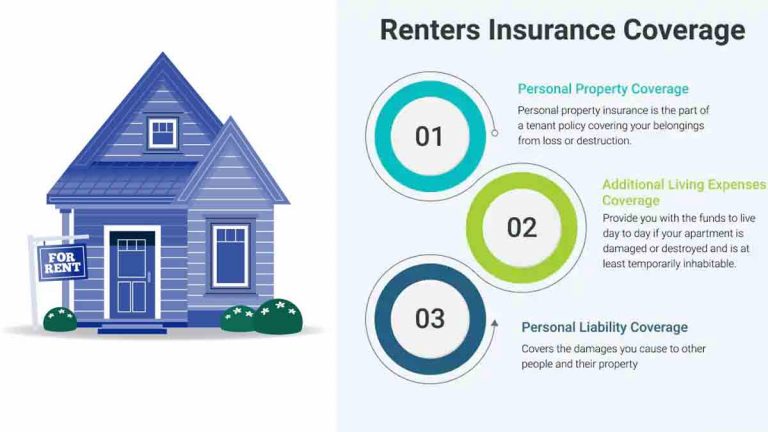
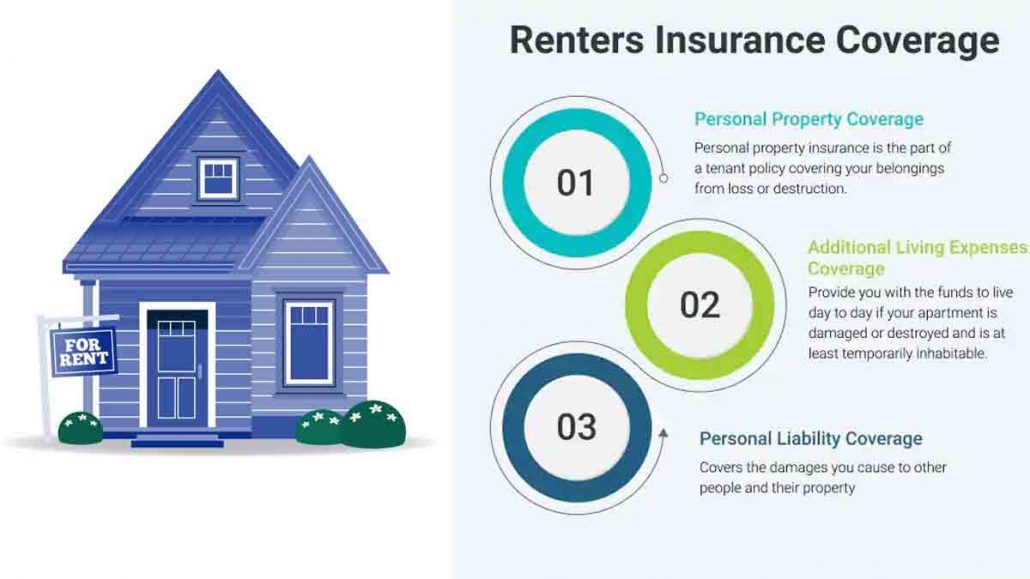
Renters insurance is a type of insurance that cover your personal belongings in case of any unforeseen event including theft, fire, and other disasters. Similar to the way insurance works, it helps to cover the expense of the items if you’re used for causing harm to others. A genuine renters insurance policy includes three types of coverage that not only protect your personal belongings. But also you can your living arrangement after a covered loss.

Renters insurance can also be called tenants insurance or an HO-4 policy, and have the same policy as homeowners insurance, only that it is meant for people who do not own their own place. Also, renter insurance is affordable compared to homeowners insurance and costs about $14 a month.

What does renters insurance cover?

Just like I mentioned earlier, a genuine renters policy includes three types of coverage. But we will be providing you with four types of coverage including a standard renters policy. This includes:

Personal property

You will be covered for the loss of items and other personal belongings due to unforeseen events that include the following:

  • Fire or lightning
  • Windstorm or hail
  • Theft
  • Vandalism or malicious mischief
  • Volcanic eruption
  • A falling object
  • Smoke
  • Riot or civil commotion
  • Explosion
  • Damage caused by vehicles
  • Damage caused by aircraft.
  • The weight of ice, snow or sleet, and more.

Liability coverage

Another coverage that renters insurance offers is liability coverage. This helps in protecting you from financial loss if as a result someone gets injured on your property and visa versa. Let’s take, for instance, your guest slips and fall in your apartment, and the person decides to sue you for medical expenses. However, you don’t have to worry about covering the medical bill as your renters insurance will take care of the cost.

Additional living expenses coverage

Perhaps something unfortunate resulted in you leaving your apartment because it became unlivable due to a covered loss like fire or server storm damage. With your renters insurance policy, you don’t have to pay for living in another place as your policy covers your additional living expenses some of which include temporary accommodation, meals, and other necessary expenses.  

Theft and vandalism coverage

Your renters insurance policy also includes coverage for theft and vandalism. For instance, if someone breaks into your apartment and steals your personal belongings or damages your property, your insurance covers the cost by providing you with financial protection.

Natural disasters coverage  

Just as the policy covers common perils such as fire and theft, it also offers coverage for natural disasters. Actually, this varies on your policy, some might offer coverage for natural disasters like windstorms, hail, lightning, and more. While some might only include floods and earthquakes, you might be required to purchase separate policies or endorsements.

Loss of use

If you can’t live in your home due to any of the following events mentioned above and you have to stay in a hotel. Your renters insurance policy will cover your expenses such as hotel bills, restaurant meals, and other costs.

Coverage for water damage

Water damage is significant in any renter insurance policy. It offers coverage for water damage which help to cover the costs of repairs and replacing damaged belongings regardless of the situation whether the damage resulted from a burst pipe or a faulty appliance or a leaking roof.

Coverage for fire damage

If peradventure there was a fire outbreak that destroy your rented property and your belongings. Renters insurance includes fire damage coverage that helps to cover the cost of replacement or repair of damaged items and also temporary housing if needed.

Pet-related incidents coverage

If you have a pet, you might be wondering does renter insurance covers pets also. While coverage may vary, there are policies that include pet-related incident coverage which is known as liability coverage.

Common exclusions in renters insurance policies

Almost all insurance policy including auto insurance does not cover everything. However, there are some aspects that renter insurance does not cover. Here are the following things that your insurance policy won’t pay for:

  • Flood damage
  • Earthquake damage
  • Infestations
  • Your roommate’s belongings.

If the following events cause damage to your personal belongings or property, your policy won’t cover the expenses for the damage or loss of items.

Benefits of having renters insurance

Now, that you have explored the coverage includes renters insurance, and not is not included. Let’s dive into some benefits it offers tenants like you.

  • It protects your personal belongings.
  • With liability protection and peace of mind, you don’t have to worry about having to spend money on medical bills if someone gets injured on your rented property or you accidentally injured someone.
  • It’s an affordable, and cost-effective way to financially protect your belongings and yourself. Lots of insurance companies offer you a wide range of policy options that you can customize to your preference and budget.
  • Importantly it helps to pay for additional living expenses if as a result, your apartment is inhabitable due to fire or severe water damage.

Factors to consider when choosing renters insurance

First of all, before purchasing renters insurance, you need to choose which is the best among the wide range of insurance companies we have. Here are some of the tips to help in narrowing down the right insurance policy best for you:

  1. Coverage limits: estimate the worthiness of your personal belongings and select the right coverage limit that adequately protects your belongings.
  2. Deductibles: read and understand the deductible you have in your policy. a higher deductible equals lower premiums, but this comes with the price of paying more out of pocket.
  3. Additional coverage: check if you need additional coverage for expensive items like jewelry, artwork, or electronics that might be above the normal policy limits.
  4. Discount: ask about available discounts. Most insurance providers offer multi-policy discounts or reduced rates when you have a safety feature installed in your apartment.
  5. Policy exclusions: inquire about any exclusions or limitations in your policy.

When you take note of these following factors and also inquire more from an experienced insurance agent, you can get the best policy that you need.

How to file a claim for renters insurance

If you do experience a loss, and you need to file for a renters insurance claim, this is very simple. here are some of the tips your need:

  • Firstly, ensure that you document the damage or loss thoroughly
  • Take photos or videos
  • Keep receipts for any damaged items
  • Make sure to file your claim as soon as possible

In addition, you can work with your insurance provider for better insight into the claims process and any requirements to start your claim.

FAQs

Does renters insurance cover theft?

Yes, your renters insurance policy also includes theft of your personal belongings even if you were not at home. For instance, if you lost your phone or it was stolen from your pocket. You are covered by the insurance company to pay for your loss.

Does renters insurance cover water damage?

Yes, renters insurance covers water damage, but it actually depends only if the cause of the water damage is a peril included in your policy. For example, if due to a burst pipe your property got damaged. You will have coverage, but if due to flood, you won’t.

Does renters insurance cover theft from car?

However, if your car was stolen, you need to file a claim under the auto insurance company insuring your car and not your renter policy. But if any items were stolen in your car like laptops and others. Then it will be covered by your renters policy.

Does renters insurance cover storage units?

Yes, renters insurance covers a storage unit. Similar to the fact that your renters policy protects your personal property while you travel. It also offers protection when you place your belongings at your friend’s place or somewhere besides your home.

Does renters insurance cover broken windows?

Yes, renters insurance covers broken windows, but it depends. For instance, if your bedroom window was broken due to a falling object like a falling tree branch in a strong wind, then you’re covered. But if caused due to some play by doing catch and fetch with your dog, it does not cover.

Does renters insurance cover pet damage?

These vary on your coverage and also the type of damage. For instance, if your dog goes playing in your neighbor’s house and mistakenly knocks over a valuable item with his tail, you should be covered by liability insurance. But if it was damaged by its fluffy claws. Then you would have to pay for damages. If your policy includes pet damage coverage, you’re covered.

Does renters insurance cover dog bites?

Yes, renters insurance cover dog bites on someone outside your household. Your insurance policy will pay for the medical bills. But some insurance companies do not include dog bite coverage. This is because of certain breeds of animals that have a history of aggression.