Home Blog Page 23

How to Insure a Car Before You Buy It

0

Learn how to insure a car before you buy it. Buying a car is a significant financial decision, and securing the right insurance coverage is a crucial part of the process. Many people wonder if getting car insurance before purchasing a vehicle is possible. The answer is yes, and doing so can offer several advantages. By obtaining insurance beforehand, you can accurately estimate your monthly expenses, compare insurance quotes based on the car you’re considering, and ensure you have coverage in place the moment you drive off the lot.

How to Insure a Car Before You Buy It

Properly insuring your car before purchase is essential for financial protection. This guide will delve into the steps involved, the benefits of this approach, and important factors to consider when securing insurance coverage in advance.

Why Insure a Car Before Buying?

  • Proof of Insurance: Many dealerships require proof of insurance before allowing you to drive off the lot.
  • Better Rates: Obtaining quotes before purchasing can help you secure competitive rates.
  • Peace of Mind: Knowing you’re covered before taking ownership can alleviate stress.
  • Time-Saving: Having insurance in place can streamline the buying process.

Steps to Insure Your Car Before Purchase

Research Insurance Providers:

  • Compare quotes from multiple insurers to find the best coverage and price.
  • Consider factors like coverage options, deductibles, discounts, and customer reviews.
  • Utilize online comparison tools to streamline the process.

Gather Required Information:

  • Prepare information about the car you plan to buy, including make, model, year, and estimated value.
  • Provide your details, driving history, and any relevant discounts.

Get Insurance Quotes:

  • Contact insurance providers to obtain quotes based on the car you intend to purchase.
  • Communicate your coverage needs and budget.

Choose a Policy:

  • Carefully review policy details, including coverages, deductibles, and premiums.
  • Select a policy that aligns with your needs and budget.

Provide Proof of Insurance:

  • Obtain necessary documentation from your insurer to present to the dealership.

Essential Considerations

  • Coverage Types: Understand the different types of car insurance (liability, comprehensive, collision) and choose the appropriate coverage.
  • Deductibles: Determine the deductible amount you’re comfortable with, as it affects your premium.
  • Discounts: Explore potential discounts, such as good driver, multiple vehicle, or student discounts.
  • Policy Start Date: Coordinate the policy start date with your car purchase date.
  • Read the Fine Print: Thoroughly review the policy terms and conditions.

Additional Tips

  • Consider Temporary Insurance: If you’re unsure about the car you want, temporary insurance can provide short-term coverage.
  • Involve Your Lender: If financing, check if your lender has specific insurance requirements.
  • Review Coverage Regularly: Your insurance needs may change over time, so review your policy periodically.
  • Increase Your Deductible: A higher deductible generally lowers your premium.
  • Bundle Insurance Policies: Combining home and auto insurance with the same provider often results in discounts.
  • Maintain a Good Driving Record: Avoid accidents and traffic violations to qualify for lower rates.
  • Shop Around Regularly: Compare insurance quotes periodically to ensure you’re getting the best deal.

FAQs

Can I get car insurance without owning a car?

Yes, you can obtain a car insurance quote before buying a car by providing the make, model, and year of the intended vehicle.

Is it mandatory to insure a car before buying it?

While not always mandatory, having insurance before buying a car is highly recommended. It protects your financial investment and ensures compliance with legal requirements.

How much does car insurance typically cost?

Car insurance costs vary depending on several factors, including your driving record, location, vehicle type, coverage level, and deductible.

Can I transfer my car insurance from one car to another?

Yes, you can usually transfer your car insurance to a new car. Contact your insurance provider to initiate the process.

What information is needed to get a car insurance quote?

To get a car insurance quote, you typically need information about the driver(s), vehicle, coverage desired, and your driving history.

Can I change my car insurance policy after buying a car?

Yes, you can usually modify your car insurance policy after purchasing a car to reflect the exact details of your new vehicle.

Can I get car insurance before I have a car?

Yes, you can get car insurance quotes before purchasing a car. However, you’ll need specific information about the vehicle to get an accurate quote.

Do I need full coverage insurance on a new car?

While full coverage isn’t always required, it’s often recommended for new cars to protect your investment.

How long does it take to get car insurance?

The time it takes to get car insurance varies depending on the insurer and the complexity of your application. Generally, it can be obtained within a few days.

Can I transfer my car insurance to a new car?

Yes, you can usually transfer your car insurance to a new car. Contact your insurance provider to initiate the process.

Conclusion

Insuring a car before buying it is a proactive step that can offer numerous advantages. By following the steps outlined in this article and considering the provided tips, you can protect your investment and enjoy peace of mind on the road.

What Other Jobs Can a Medical Assistant Apply For

0

What Other Jobs Can a Medical Assistant Apply For? Do you thrive in the fast-paced world of healthcare, assisting patients and doctors alike? As a medical assistant, you’ve gained valuable skills and knowledge, but maybe you’re wondering what’s next. The good news? Your journey doesn’t end there! This diverse field offers a plethora of exciting opportunities beyond your current role.

What Other Jobs can a Medical Assistant Apply For

A medical assistant is a multi-skilled healthcare professional who works alongside physicians and nurses in a variety of healthcare settings, including hospitals, clinics, and doctor’s offices. They perform a wide range of administrative and clinical tasks to support patient care and ensure the smooth operation of the healthcare practice.

Common duties and responsibilities of a medical assistant

Here are some of the common duties and responsibilities of a medical assistant:

Administrative tasks:

  • Scheduling appointments
  • Answering phones and greeting patients
  • Updating and maintaining patient medical records
  • Processing insurance claims
  • Billing and bookkeeping

Clinical tasks:

  • Taking vital signs, such as blood pressure, temperature, and pulse
  • Performing basic laboratory tests, such as blood draws and urinalysis
  • Preparing patients for examinations and procedures
  • Assisting physicians with examinations and procedures
  • Administering medications as directed by a physician
  • Providing basic patient education and counseling

What other jobs can a medical assistant apply for

Medical assistants are in high demand, and their skills are transferable to a variety of other healthcare settings and administrative positions. Here are a few options for medical assistants who are looking to make a change:

Licensed Practical Nurse

With additional education and training, medical assistants can become LPNs, which expands their scope of practice to include administering medications, starting IVs, and providing wound care.

Registered Nurse

With a bachelor’s degree in nursing, medical assistants can become RNs, which opens up even more opportunities in patient care, leadership, and education.

Physician Assistant

PAs work under the supervision of physicians to diagnose and treat patients, prescribe medications, and perform some procedures. With a master’s degree and additional training, medical assistants can become PAs.

Medical Laboratory Technician

Medical laboratory technicians perform tests on blood, tissue, and other fluids to help diagnose and treat diseases. With additional education and training, medical assistants can become medical laboratory technicians.

Radiologic Technologist

Radiologic technologists use X-rays, CT scans, and other imaging technologies to diagnose and treat patients. With additional education and training, medical assistants can become radiologic technologists.

Medical Office Manager

Medical office managers oversee the day-to-day operations of a medical practice, including scheduling appointments, billing insurance companies, and managing staff. With experience and additional training, medical assistants can become medical office managers.

Health Insurance Claims Processor

Health insurance claims processors review and process medical bills to ensure they are accurate and complete. With experience and additional training, medical assistants can become health insurance claims processors.

Medical Transcriptionist

Medical transcriptionists listen to recordings of dictation by physicians and other healthcare providers and type them into medical reports. With experience and additional training, medical assistants can become medical transcriptionists.

Medical Coder

Medical coders assign codes to medical diagnoses and procedures so that insurance companies can be billed accurately. With experience and additional training, medical assistants can become medical coders.

Medical Sales Representative

Medical sales representatives sell medical products and services to hospitals, clinics, and other healthcare providers. With experience and additional training, medical assistants can become medical sales representatives.

These are just a few of the many options available to medical assistants who are looking to expand their careers. With their diverse skill set and experience, medical assistants are well-positioned for success in a variety of healthcare and administrative settings.

Cash Out Refinance – Get the Cash You Need Today

0

Feeling strapped for cash but hesitant to sell your home? You might be surprised to learn that your home holds a hidden asset: equity. This equity, the difference between your home’s value and what you owe on your mortgage, can be unlocked through a financial strategy known as cash out refinance.

Cash Out Refinance

In simple terms, a cash-out refinance replaces your existing mortgage with a new, larger loan. The difference between these two amounts is paid to you in cash, providing a lump sum you can use for various purposes like home renovations, debt consolidation, or even educational expenses. It’s essentially leveraging the value you’ve built in your home to access immediate cash without selling. But before diving in, it’s crucial to understand the implications and weigh the pros and cons to ensure a cash-out refinance aligns with your financial goals.

So, whether you’re dreaming of a kitchen remodel or need a financial boost, stay tuned as we delve deeper into the world of cash-out refinancing. We’ll explore how it works, its potential benefits and drawbacks, and when it might be the right option for you.

What is a Cash-Out Refinance?

Simply put, a cash out refinance replaces your current mortgage with a new, larger loan. The difference between the two amounts is paid to you in cash, which you can use for various purposes like:

  • Debt Consolidation: Lower your interest rates and streamline your payments by consolidating high-interest debt with your mortgage.
  • Home Improvements: Upgrade your kitchen, bathroom, or other areas, adding value and enjoyment to your home.
  • Major Expenses: Cover unexpected costs like medical bills or educational fees without dipping into savings or taking out high-interest loans.
  • Investments: Fuel your financial future by investing in real estate, stocks, or other assets.

Benefits of a Cash-Out Refinance

Lower Interest Rates

Interest rates fluctuate, and if yours have climbed since buying your home, a cash-out refinance can snag you a significantly lower rate. This translates to potential savings over the life of your loan, freeing up more money for your dreams.

Consolidate Debt

Struggling with high-interest credit cards or personal loans? A cash-out refinance can offer a lower interest rate, consolidating your debts into a single, manageable monthly payment. This simplifies your finances and potentially saves you thousands in interest charges.

Invest in Your Home

Dream of a kitchen remodel or a sparkling new bathroom? A cash-out refinance can provide the funds to upgrade your living space, increasing its value and enjoyment. Additionally, interest on home improvement loans may be tax-deductible, offering another sweet perk.

Boost Your Financial Security

Facing unexpected expenses or need a safety net? Accessing your home’s equity can provide a financial cushion, offering peace of mind and the ability to weather life’s storms with confidence.

Flexibility and Freedom

Unlike targeted home equity loans, a cash-out refinance gives you the freedom to use the funds for virtually any purpose. Whether it’s funding education, starting a business, or taking that dream vacation, the choice is yours.

Is a Cash-Out Refinance Right for You?

It depends! Consider these factors:

  • Equity: You’ll typically need at least 20-25% equity in your home to qualify.
  • Credit Score: A good credit score (usually 670+) ensures favorable interest rates.
  • Debt-to-Income Ratio: A DTI ratio below 36% indicates your ability to handle additional debt.
  • Financial Goals: Ensure the cash aligns with your long-term financial objectives.
  • Risk Tolerance: Understand that you’ll be increasing your overall mortgage debt.

Pros and Cons

While a cash-out refinance can be a tempting option, it’s crucial to understand both the pros and cons before making a decision:

Pros:

  • Access lump sum cash: This is the key benefit, allowing you to tackle larger expenses like home improvements, debt consolidation, or even educational costs.
  • Potentially lower interest rate: If current rates are lower than your existing mortgage, you could snag a better deal and save money over time.
  • Consolidate high-interest debt: Rolling credit card debt or other high-interest loans into your mortgage can simplify repayment and potentially save on interest charges.
  • Increase home value: Strategic renovations funded by the refinance can boost your property’s value, potentially recouping the loan amount in the future.

Cons:

  • Increased debt and risk: You’ll be borrowing more money, extending your loan term, and potentially increasing your monthly payment, which could strain your budget.
  • Higher interest rate than standard refinance: Cash-out refinance often comes with slightly higher rates due to the increased risk for the lender.
  • Loss of mortgage interest tax deduction: The interest on your new loan might not be tax-deductible, impacting your overall tax benefits.
  • The temptation for misuse: The readily available cash could lead to impulsive spending, negating the financial benefits.
  • Foreclosure risk: As with any mortgage, defaulting on payments puts your home at risk of foreclosure.

Ultimately, the decision depends on your circumstances and financial goals. Carefully consider your needs, weigh the pros and cons, and consult a financial advisor for personalized guidance before proceeding with a cash-out refinance. Remember, it’s a powerful tool, but one that requires responsible use.

Eligibility Requirements and Qualification

Lenders establish specific eligibility requirements and qualification factors to assess your suitability and manage their risk. Here’s a breakdown of the key hurdles you’ll need to clear:

Eligibility Requirements:

  • Minimum home equity: This varies depending on the loan type, but typically ranges from 20-60%. It ensures you have sufficient “skin in the game” to protect the lender.
  • Credit score: Aim for a score of at least 620 (though higher is better), demonstrating your responsible credit history.
  • Debt-to-income ratio (DTI): This measures your monthly debt obligations compared to your income. Lenders typically prefer a DTI below 43%, indicating your ability to handle additional debt.
  • Employment stability: Consistent and verifiable employment history strengthens your application.
  • Property type: Not all property types qualify for cash-out refinancing. Check with lenders for eligible property types.

Qualification Factors:

  • Home appraisal: A professional appraisal determines your home’s current market value, influencing the maximum loan amount you can access.
  • Loan terms: Choose a loan term that aligns with your budget and repayment goals, considering the impact on your monthly payment.
  • Interest rate: Negotiate for the best rate possible based on your financial profile and market conditions.
  • Closing costs: Understand and factor in all associated closing costs to avoid surprises.

Remember, these are general guidelines, and specific requirements may differ depending on the lender and loan program. Consult a qualified mortgage professional to assess your eligibility and navigate the qualification process smoothly.

Cash out Refinance Tax Implications

Understanding the tax implications of a cash-out refinance is crucial before making any decisions. Here’s a breakdown of the key points:

  • General Principle: Cash Received Is Not Taxable: The money you receive from a cash-out refinance is generally not considered taxable income. This is because the IRS views it as a loan against your home’s equity, not as earned income.  
  • Interest Deductions: Where Tax Implications Arise: The primary tax implications relate to the deductibility of the interest you pay on the new, larger mortgage. Home Improvements:
  • If you use the cash-out funds to “buy, build, or substantially improve” your primary or second home, you may be able to deduct the interest paid on that portion of the loan.  
  • “Substantial improvements” generally refer to projects that increase your home’s value, extend its lifespan, or adapt it to new uses. Examples include additions, renovations, and major system replacements.  
  • Routine repairs and maintenance typically do not qualify.
  • Limitations:
  • There are limits to how much mortgage interest you can deduct.  
  • It is very important to keep accurate records of how the cash out funds are spent.
  • Non Qualifying expenses:
  • If you use the funds for things like paying off credit card debt, vacations, or other personal expenses, the interest paid on that portion of the loan is typically not deductible.

Steps involved in the cash-out refinance process

The process of securing a cash-out refinance can seem daunting, but with a clear roadmap, it becomes more manageable. Here’s a breakdown of the key steps involved:

1. Research and Planning:

  • Assess your needs: Determine the amount of cash you require and how you plan to use it.
  • Shop around: Compare rates and terms from multiple lenders to find the best deal.
  • Understand eligibility: Familiarize yourself with the eligibility requirements and qualification factors discussed earlier.
  • Gather documents: Prepare necessary documents like pay stubs, tax returns, and bank statements.

2. Application and Approval:

  • Submit your application: Choose a lender and complete the application, providing all required documents.
  • Home appraisal: A professional appraiser will assess your home’s value to determine the maximum loan amount.
  • Underwriting: The lender will verify your financial information and creditworthiness to approve your application.

3. Closing and Disbursement:

  • Review closing documents: Carefully review all loan terms, fees, and disclosures before signing.
  • Closing day: Attend the closing to finalize paperwork and receive your loan proceeds, minus closing costs.
  • Disbursement: The lender will pay off your existing mortgage and provide you with the remaining cash.

Remember, this is a simplified overview, and specific steps may vary depending on the lender and your circumstances. By understanding these key steps and consulting with qualified professionals, you can navigate the cash-out refinance process with confidence and unlock the potential of your home’s equity.

FAQ’s

How much equity do I need for a cash-out refinance?

Most lenders require you to maintain at least 20% equity in your home after the refinance. Some lenders may allow for less, but this is less common, and usually comes with higher interest rates.

What is the difference between a cash-out refinance and a home equity loan?

A cash-out refinance replaces your existing mortgage with a new, larger loan. A home equity loan is a second mortgage that allows you to borrow against your home’s equity while keeping your existing mortgage in place.

Are there tax implications for a cash-out refinance?

The cash you receive from a cash-out refinance is generally not considered taxable income. However, if you use the funds for home improvements, you may be able to deduct the interest paid on the loan. Consult with a tax professional for personalized advice.

How long does a cash-out refinance take?

The process typically takes 30 to 45 days, similar to a regular mortgage refinance.

Will a cash-out refinance affect my credit score?

Applying for a cash-out refinance can result in a temporary dip in your credit score due to the hard inquiry. However, making on-time payments on your new mortgage can positively impact your credit score over time.

Can I use a cash-out refinance to buy another property?

Yes, you can use the cash from a cash-out refinance to purchase another property. However, lenders will consider your debt-to-income ratio and overall financial stability.

What are the closing costs associated with a cash-out refinance?

Closing costs typically range from 2% to 5% of the new loan amount. These costs include appraisal fees, origination fees, title insurance, and other related expenses.

What is the maximum loan-to-value (LTV) ratio for a cash-out refinance?

Most lenders have a maximum LTV ratio of 80% for cash-out refinances. This means you can borrow up to 80% of your home’s appraised value.

Can I get a cash-out refinance if I have bad credit?

It may be more challenging to get approved for a cash-out refinance with bad credit. However, some lenders specialize in working with borrowers with less-than-perfect credit. Be prepared to pay higher interest rates and fees.

How do I find the best cash-out refinance rates?

Shop around and compare rates from multiple lenders. Get pre-approved to see what rates and terms you qualify for. Consider working with a mortgage broker who can help you find the best deals.


Equity Release – Explore Equity Release Options

0

Considering equity release? Learn how to access tax-free cash from your home’s value. Explore reputable providers and compare plans.

Equity Release

Equity release can be a tempting option for homeowners looking to access some of the cash tied up in their property. It allows you to tap into the value of your home without having to sell and move out. This can be particularly appealing to seniors who want to improve their retirement income or cover unexpected expenses. There are two main types of equity release products: lifetime mortgages and home reversion plans. Both have their advantages and disadvantages, so it’s crucial to weigh your options carefully before deciding if equity release is the right path for you.

Equity release is a financial strategy for homeowners aged 55 or above to access a tax-free lump sum or ongoing income stream from the value of their property, while still being able to live there. It’s a complex financial decision, so this guide will explain everything you need to know, including the different types of ER products, the pros and cons, and frequently asked questions.

What is Equity Release?

Equity release is a financial product that allows you to access a tax-free cash lump sum or regular income stream from the value of your home while retaining ownership and continuing to live there. It’s primarily targeted towards seniors who want to improve their retirement income, pay off debts, or fund home improvements.

How Equity Release Works

The process of equity release typically involves:

  • Valuation: Your home will be professionally valued to determine the amount of equity available.
  • Financial Assessment: An advisor will assess your financial situation and needs to ensure equity release is suitable.
  • Product Choice: You’ll choose the most appropriate ER product based on your requirements.
  • Legal Advice: It’s crucial to seek independent legal advice before proceeding.

Types of Equity Release Plans

Lifetime Mortgages

This is the most common type. You borrow money against your home’s value, with the interest accruing over time. You don’t have to make monthly repayments on the loan amount, but the interest gets rolled up into the total debt, increasing over time.

Home Reversion Plans

You sell a portion of your home’s ownership (usually between 20-60%) to a provider in exchange for a lump sum of cash. You retain the right to live in the property for life, but the provider will receive a larger share of the property’s sale proceeds when you pass away or move into care.

Pros and Cons of Equity Release

ER can be a helpful financial tool, but it’s not without drawbacks. Here’s a breakdown of the pros and cons:

Pros:

  • Access tax-free cash: The money you release from your home equity is tax-free, giving you a nice chunk of cash to improve your lifestyle or address financial needs.
  • Stay in your home: A major benefit is you get to remain in your familiar surroundings and avoid the upheaval of moving.
  • No mandatory monthly repayments: Unlike a regular mortgage, with lifetime mortgages you typically don’t have to make fixed monthly payments, easing the burden on your finances.
  • Reduce inheritance tax: By taking some equity out of your home, you might be able to reduce the amount your estate passes on to heirs, potentially lowering their inheritance tax bill.

Cons:

  • Reduces inheritance: The money you access from ER comes from the value of your home, leaving less for your beneficiaries to inherit.
  • Debt grows faster: With lifetime mortgages, interest typically rolls up on the loan, meaning the amount you owe increases faster than with regular monthly payments.
  • Impact on means-tested benefits: Depending on your situation, ER could affect your eligibility for some means-tested benefits.
  • Loss of some home ownership (Home Reversion Plans only): If you opt for a home reversion plan, you sell part of your home ownership, reducing the potential value you pass on and the equity you have to leverage.

Ultimately, deciding on ER requires careful consideration of your circumstances and financial goals. Consulting with a financial advisor to understand the implications and explore all your options is crucial before making a decision.

Eligibility for Equity Release

Here’s the scoop on eligibility for ER:

  • Minimum Age: Generally, you must be at least 55 years old. Some plans might have a higher minimum age requirement.
  • Property Value: Your property needs to be worth a certain minimum amount, which varies depending on the lender.
  • Homeownership: The property must be your main residence and you must be the legal owner (sole ownership or joint ownership).
  • Existing Mortgages: In most cases, any existing mortgages on the property need to be paid off using the equity release funds or beforehand.
  • Financial Check: Equity release providers won’t typically base eligibility on your income. But they will assess your overall financial situation to ensure you understand the implications.
  • Health Considerations: Some lenders may ask about your health to get a better understanding of your life expectancy. This can influence the amount of equity you can release.
  • No Adverse Ownership: If you jointly own the property with someone younger than the minimum age requirement, they might need to be removed from the deeds before you can proceed.

Remember, these are general guidelines and specific requirements can vary between lenders. It’s always best to consult with a financial advisor specializing in ER to determine your eligibility and suitability for this financial product.

Is Equity Release Right for You?

Equity release is a significant financial decision. Carefully consider your circumstances and seek professional financial advice to determine if it’s the right option for you. Here are some additional factors to consider:

  • Your age and health: ER is typically for homeowners aged 55 or above with a reasonable life expectancy.
  • Your financial situation: Consider your existing income, debts, and future needs.
  • Your plans: Do you plan to downsize or move into care in the future?

What is the Best Equity Release Plan for me?

It’s important to understand that there’s no single “best” equity release plan that suits everyone. The ideal plan for you will depend entirely on your individual circumstances, financial goals, and personal preferences. However, I can provide you with a framework to help you determine what might be the most suitable option:

Factors to Consider

  • Your Age and Health: These factors can influence the amount of equity you can release and the types of plans available to you. Some “enhanced” plans offer better rates for those with health conditions.
  • Your Financial Needs: Do you need a lump sum, or would a drawdown facility (accessing funds as needed) be more suitable? How will the released equity be used (e.g., home improvements, debt repayment, income supplementation)?
  • Your Property’s Value: The value of your home will determine the maximum amount of equity you can release.
  • Your Inheritance Plans: Equity release will reduce the value of your estate, so consider how this might affect your beneficiaries. Some plans offer inheritance protection features.
  • Your Attitude to Interest: Are you comfortable with compound interest, or would you prefer to make optional interest payments?
  • Your Long-Term Plans: Do you plan to stay in your current home indefinitely, or might you need to move in the future?  Do you think you may need to downsize in the future?

Types of Plans and Their Suitability

  • Lifetime Mortgages: These are generally suitable for those who want to remain in their homes and access a lump sum or drawdown facility.
  • Consider different types:
  • Lump-sum: For immediate financial needs.
  • Drawdown: For flexible access to funds.
  • Interest payment lifetime mortgages: For those that want to reduce the amount of rolled up interest.
  • Home Reversion Plans: These may be suitable for those who are less concerned about leaving an inheritance and want a guaranteed income or lump sum.

Key Steps to Finding the Right Plan

  • Seek Independent Financial Advice: This is crucial. A qualified equity release specialist can assess your needs and recommend suitable plans.
  • Compare Multiple Providers: Don’t settle for the first offer you receive. Compare interest rates, fees, and features from different providers.
  • Understand the Terms and Conditions: Carefully review the contract and ensure you understand all the implications of the plan.
  • Ensure Membership of the Equity Release Council (ERC): This provides valuable protections.

How to Compare Equity Release Lifetime Mortgages

Comparing equity release lifetime mortgages requires careful consideration of several key factors. Key Comparison Points:

Interest Rates:

  • This is a crucial factor. Pay close attention to the Annual Equivalent Rate (AER) or Monthly Equivalent Rate (MER).
  • Determine whether the interest rate is fixed or variable. Fixed rates provide certainty, while variable rates may fluctuate.  
  • Understand how interest is applied (e.g., compound interest).

Loan-to-Value (LTV) Ratios:

  • This is the percentage of your property’s value that you can borrow. LTV ratios vary between providers and depend on your age and property value.

Flexibility and Features:

  • Drawdown vs. Lump Sum: Decide whether you want a lump sum or the ability to draw funds as needed. Drawdown options can reduce the amount of accrued interest.  
  • Optional Repayments: Check if the plan allows for voluntary interest repayments, which can help control the total amount owed.
  • Downsizing Protection: Some plans offer protection if you need to move to a smaller property.  
  • Early Repayment Charges (ERCs): Understand the charges that may apply if you want to repay the loan early.
  • Portability: Can you transfer the mortgage to a new property if you move?

“No Negative Equity Guarantee”:

  • Ensure the plan includes this guarantee, which means you’ll never owe more than the value of your home. This is a very important protection.  

Provider Reputation and Regulation:

  • Choose a reputable provider that is a member of the Equity Release Council (ERC). This ensures they adhere to strict standards.
  • Ensure that the providers are regulated by the Financial Conduct Authority (FCA).

Fees and Charges:

  • Be aware of all fees, including arrangement fees, valuation fees, and legal fees.

Inheritance Considerations:

  • Think about how equity release will affect your estate and any potential inheritance for your beneficiaries.

Independent Financial Advice:

  • This is incredibly important. Always seek independent financial advice from a qualified equity release specialist. They can help you compare different plans and determine if equity release is right for you.

FAQs

Will equity release affect my benefits?

Lifetime mortgages may affect some means-tested benefits. Seek professional financial advice.

Can I repay an equity release mortgage?

Some lifetime mortgages offer partial or full repayment options.

What happens to my home when I die or move into care?

The property is typically sold to repay the loan, potentially leaving less inheritance.

What are the fees associated with equity release?

There are typically arrangement fees, valuation fees, and legal fees associated with ER products.

Can I repay an equity release early?

Some lifetime mortgages allow early repayment, usually with exit fees.

What happens if I move into care?

Some equity release plans allow you to move into care for a limited period without penalty. However, permanently moving into care may trigger the repayment of the loan.

Facebook Dating App – Online Dating for Singles

0

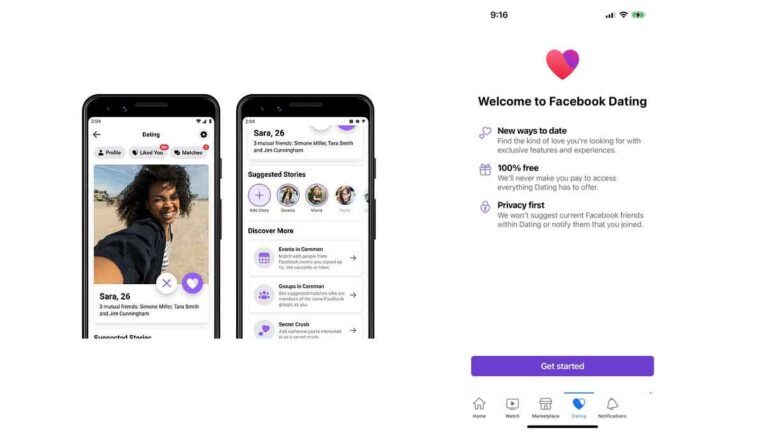
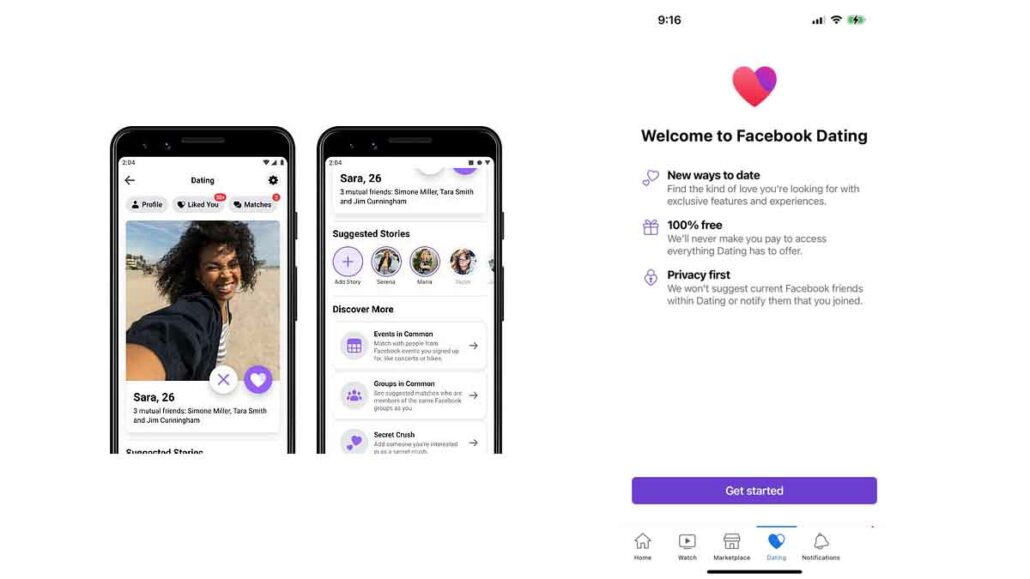
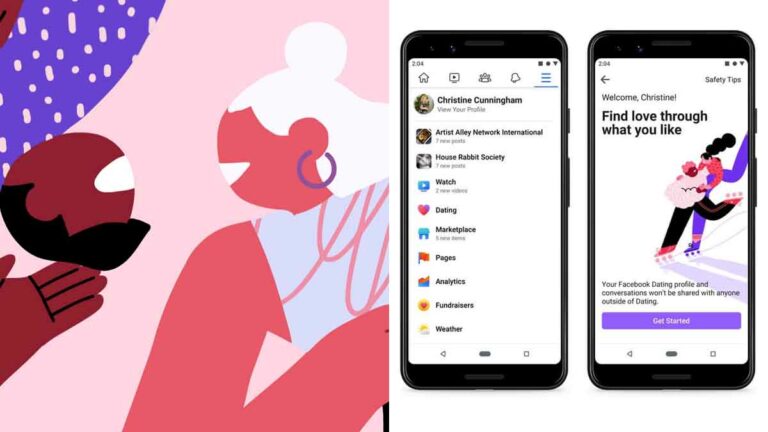
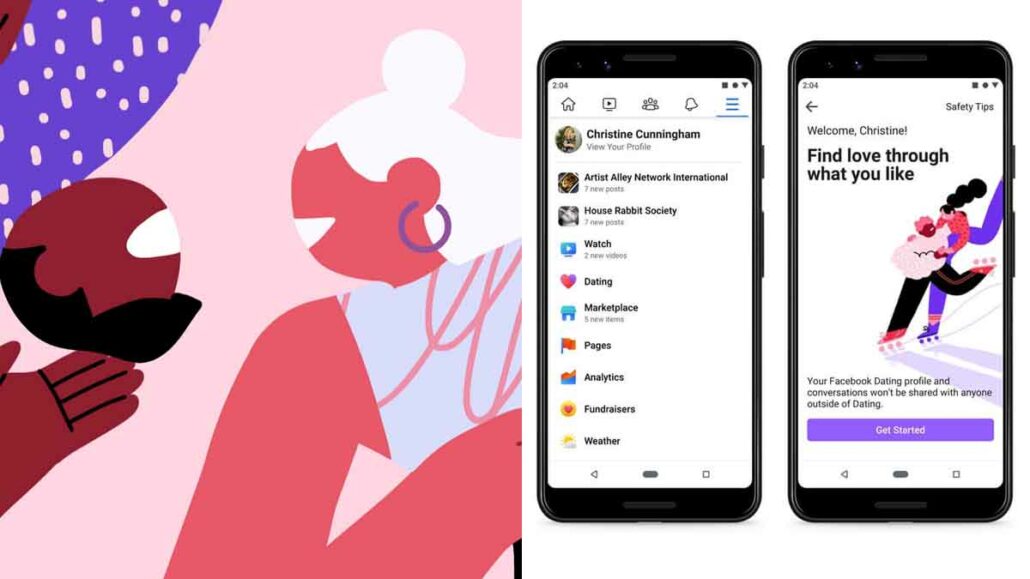
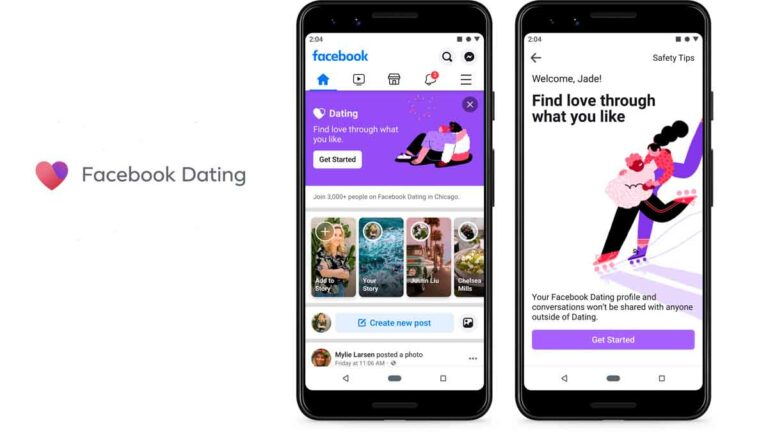
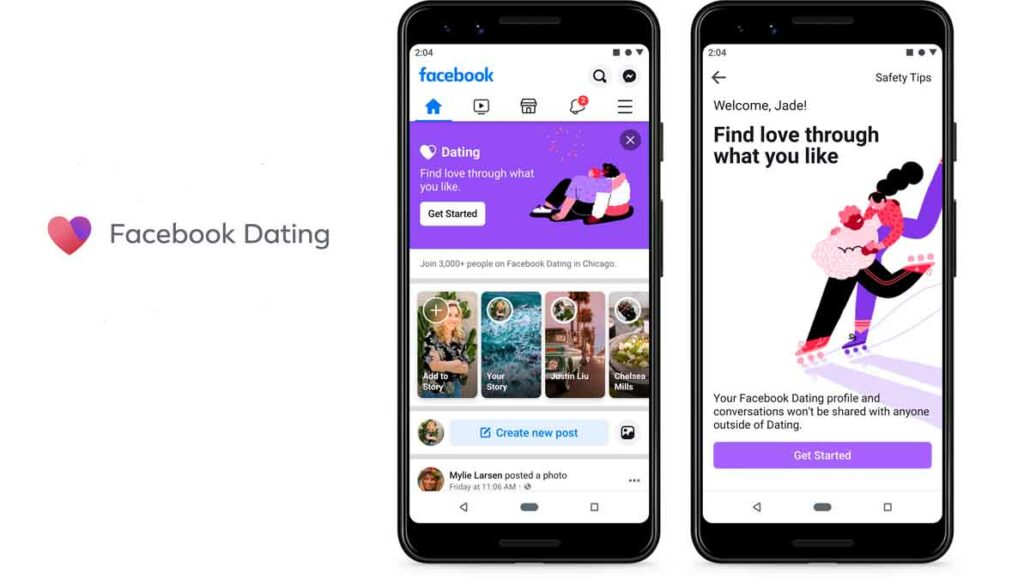
Facebook, a platform already deeply ingrained in social interaction, has extended its reach into the realm of romance with Facebook Dating app. This feature, integrated directly within the existing Facebook mobile application, aims to facilitate meaningful connections by leveraging the vast network and shared interests of its users. Unlike standalone dating applications, Facebook Dating app capitalizes on the pre-existing social infrastructure, offering a familiar environment for those seeking companionship.  

Facebook Dating App

Facebook Dating distinguishes itself by emphasizing authenticity and shared experiences. By drawing upon user data such as groups, events, and stated interests, the platform endeavours to match individuals with compatible profiles. Furthermore, privacy remains a core consideration, with users able to create a separate dating profile distinct from their main Facebook account. This approach seeks to provide a comfortable and secure space for users to explore potential romantic relationships within a trusted digital ecosystem.

Why Choose Facebook Dating?

Facebook Dating distinguishes itself from other dating apps through its integration with the world’s largest social media platform. This offers several unique advantages:

  • Familiar Interface: Users are already accustomed to Facebook’s layout and navigation, making the dating experience intuitive.
  • Shared Interests: The app leverages your existing Facebook data, including groups, events, and interests, to suggest compatible matches.
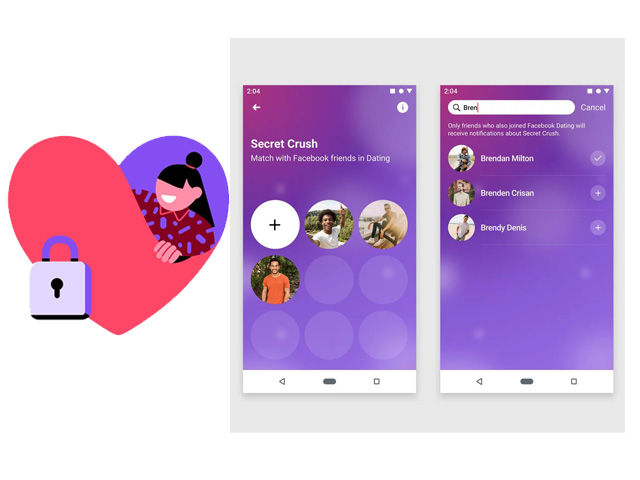
  • “Secret Crush” Feature: Discreetly express interest in existing Facebook friends or Instagram followers.
  • Events and Groups Integration: Discover potential matches who share your passions by exploring the dating profiles of people within your Facebook groups and events.
  • Free to Use: Unlike many premium dating apps, Facebook Dating is entirely free, making it accessible to a wider audience.
  • Location Services: Uses your location to find people near you.

Setting Up Your Facebook Dating Profile

  1. Access the Dating Feature: Open the Facebook app and tap the menu icon (three horizontal lines). Scroll down and select “Dating.”
  2. Create a Separate Profile: Facebook Dating creates a distinct profile from your main Facebook account, ensuring privacy.
  3. Specify Your Preferences: Define your gender, location, age range, and other criteria for potential matches.
  4. Add Photos and Information: Upload high-quality photos and complete your profile with details about your personality, interests, and relationship goals.
  5. Answer Icebreaker Questions: Engage potential matches by answering prompts that reveal your personality and spark conversation.

Optimizing Your Profile for Success

  • High-Quality Photos: Use clear, well-lit photos that showcase your personality and interests. Avoid blurry or heavily edited images.
  • Detailed Bio: Craft a compelling bio that highlights your unique qualities and what you’re looking for in a partner. Use relevant keywords related to your hobbies and interests (e.g., “hiking,” “travel,” “foodie”).
  • Be Authentic: Present your true self and avoid exaggerating or fabricating information. Authenticity builds trust and attracts genuine connections.
  • Engage with Potential Matches: Actively like profiles, send thoughtful messages, and participate in conversations.
  • Utilize the “Secret Crush” Feature Wisely: Carefully select individuals you’re genuinely interested in, understanding the potential impact on your existing relationships.
  • Use the “Second Look” Feature: If you accidentally passed on a profile, use the second look feature to review it again.
  • Utilize the “Virtual Dates” Feature: If available, take advantage of the virtual date feature to get to know someone before meeting in person.

Maximizing Your Dating Experience

  • Suggested Matches: Facebook’s algorithm suggests potential matches based on your preferences and shared interests. Regularly review these suggestions.
  • “People You May Like”: Explore profiles of individuals who align with your criteria.
  • “Groups and Events”: Connect with people who share your passions by exploring profiles within your Facebook groups and events.
  • Privacy Settings: Customize your privacy settings to control who can see your dating profile and how much information is shared.
  • Safety Tips: Be cautious of potential scams and catfishing. Never share personal information or financial details with someone you haven’t met in person.
  • Reporting and Blocking: Report any suspicious or inappropriate behaviour and block users who make you uncomfortable.

Is Facebook Dating Free?

Yes, Facebook Dating is completely free to use. There are no subscription fees or hidden charges.

Privacy Considerations:

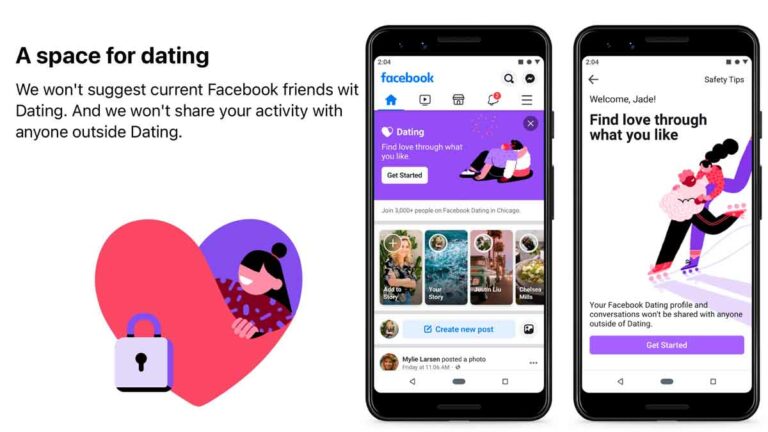
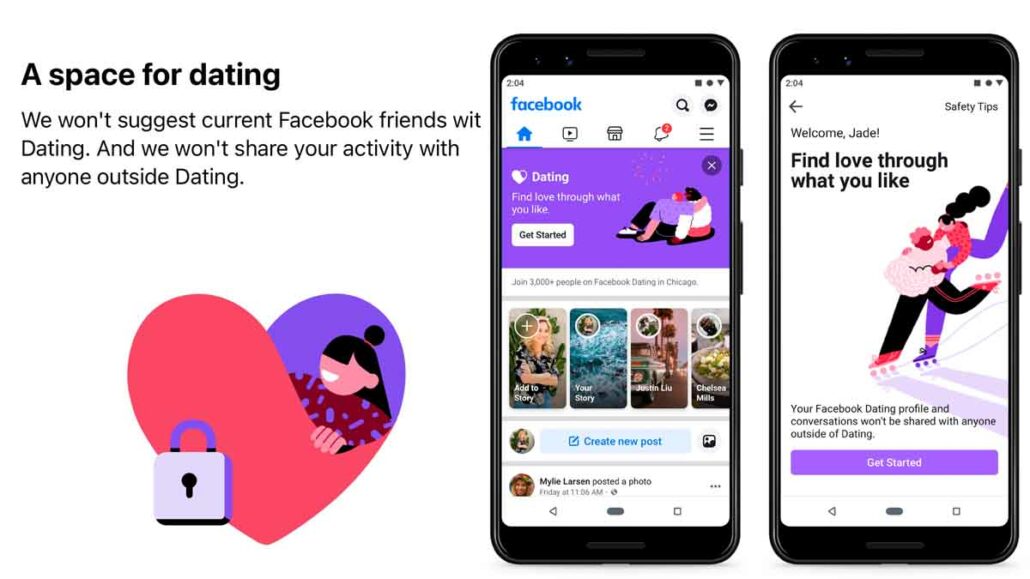
  • Your Dating profile is separate from your main Facebook profile.
  • Your Facebook friends will not be notified that you’ve joined Dating unless you use the Secret Crush feature.
  • You have control over who can see your Dating profile and what information is shared.

Troubleshooting Common Issues:

  • Facebook Dating Not Showing Up: Ensure you’re using the latest version of the Facebook app and that Dating is available in your region.
  • Matching Issues: Expand your search radius or adjust your preferences.
  • Technical Glitches: Restart the app or your device.

FAQs

Is Facebook Dating available on desktop?

No, Facebook Dating is only available on the Facebook mobile app.

Can my Facebook friends see my Dating profile?

No, your Facebook friends will not see your Dating profile unless you use the Secret Crush feature and they add you to their list too.

How does Facebook Dating match people?

Facebook Dating uses your preferences, interests, groups, events, and other information to suggest potential matches.

Can I use Facebook Dating internationally?

Yes, you can use Facebook Dating in many countries where it’s available.

How do I delete my Facebook Dating profile?

You can delete your Dating profile within the Facebook app’s Dating settings.

Can I send photos via Facebook dating chat?

Yes, you can send photos in Facebook dating chats.

Does Facebook dating tell you if someone screenshots your profile?

No, Facebook dating does not notify users if someone screenshots their profile.

Can you see if someone is active on Facebook dating?

No. Facebook dating does not show when someone was last active.

How do I report someone on Facebook Dating?

Within the chat or on the user’s profile, there is a report option.

Conclusion

Facebook Dating offers a unique and accessible platform for finding love within the familiar Facebook environment. By optimizing your profile, utilizing the app’s features, and prioritizing safety, you can increase your chances of finding a meaningful connection. Remember to be authentic, patient, and persistent in your search. With the right approach, Facebook Dating can be a valuable tool in your quest for love.

Facebook Dating – Find Love on Facebook

0

The digital age has fundamentally reshaped how individuals connect, and within this landscape, online dating platforms have become a dominant force. Seeking to capitalize on its vast user base and pre-existing social infrastructure, Facebook launched Facebook Dating, an integrated feature to facilitate romantic connections. This platform distinguishes itself by leveraging the existing social network, potentially offering a more personalized and familiar dating experience compared to standalone apps.

Facebook Dating

Facebook Dating aims to bridge the gap between casual online interactions and meaningful relationships by integrating dating functionalities directly into the core Facebook platform. This integration promises to streamline the process of finding compatible partners by utilizing users’ existing interests, groups, and events. By leveraging the power of its established algorithm and the wealth of user-generated data, Facebook Dating seeks to offer a unique and potentially more effective approach to online dating, fostering connections within a familiar social ecosystem.

What is Facebook Dating?

Facebook Dating is a feature within the Facebook app that allows users to create a separate dating profile and connect with other singles who have also opted in. It leverages Facebook’s existing infrastructure but keeps your dating activity separate from your main Facebook profile. This means your friends won’t see your dating profile unless you choose to add them to your Secret Crush list.

Why Use Facebook Dating?

Facebook Dating offers several unique advantages that make it a compelling option for those seeking romantic connections:

  • Integration with an Existing Network: It leverages the vast Facebook user base, providing access to a large pool of potential matches. Integration with Facebook groups and events allows users to connect with people who share common interests.  
  • Privacy and Control: Users can create a separate dating profile that is distinct from their regular Facebook profile, ensuring privacy.  Facebook provides controls over who can see your dating profile, and you can prevent your Facebook friends from seeing it.  
  • Familiarity and Ease of Use: For those already familiar with the Facebook platform, navigating Facebook Dating is intuitive. It is a feature that is already within an app that many people already use.
  • Features that enhance connection: Features like “Secret Crush” and the ability to connect through shared groups and events, help to bridge the gap between online and real-world connections. The ability to share Instagram posts into your dating profile helps to show potential matches to your personality.
  • It’s free: Currently, Facebook dating is a free service, which is a large advantage over many other dating platforms.  

In essence, Facebook Dating aims to provide a streamlined and personalized dating experience by utilizing the existing social framework and data of the Facebook platform.

Features of Facebook Dating

Facebook Dating integrates a variety of features designed to facilitate meaningful connections. Here’s a breakdown of some key functionalities:

  • Profile Customization: Users can create a dedicated dating profile separate from their main Facebook profile, allowing for tailored self-expression. Integration with Instagram allows users to showcase their personality through shared photos and posts.
  • Matching and Discovery: Facebook Dating leverages existing Facebook data, such as shared interests, groups, and events, to suggest potential matches. Users can set preferences for age, location, and other criteria to refine their search.
  • “Secret Crush” Feature: This unique feature allows users to select up to nine Facebook friends or Instagram followers they’re interested in. If the other person adds them to their own “Secret Crush” list, both parties are notified.
  • Groups and Events Integration: Users can connect with others who share common interests by exploring potential matches within Facebook groups and events.
  • Safety Features: Facebook Dating prioritizes user safety with features like the ability to share data details with friends via Messenger. Messaging within Facebook dating is limited to text and gifs, to help protect users.
  • Privacy Controls: Users have control over who can see their dating profile, and they can prevent their Facebook friends from seeing it.
  • Free Service: Currently Facebook dating is a free service.

These features collectively aim to create a more personalized and secure online dating experience within the familiar Facebook environment.

How to Set Up Your Facebook Dating Profile

Your profile is your first impression. Here’s how to make it count:

1. Accessing Facebook Dating:

  • Open the Facebook app.
  • Tap the menu icon (three horizontal lines).
  • Scroll down and tap “Dating.”
  • Follow the prompts to create your profile.

2. Choosing the Right Photos:

  • High-Quality Images: Use clear, well-lit photos that showcase your personality.
  • Variety is Key: Include a mix of close-ups, full-body shots, and photos of you engaging in your hobbies.
  • Authenticity Matters: Avoid heavily edited or filtered photos.

3. Crafting a Compelling Bio:

  • Be Specific: Don’t just say “I like to travel.” Share specific destinations or experiences.
  • Highlight Your Interests: Emphasize your passions and what you’re looking for in a partner.
  • Keep it Concise and Engaging: Aim for a balance between informative and interesting.
  • Keywords: Naturally incorporate keywords related to your hobbies, interests, and what you are looking for. (ex: “hiking enthusiast”, “looking for long term relationship”, “live music lover”)

4. Answering the Prompts:

  • Take advantage of the prompts to showcase your personality and values.
  • Provide thoughtful and detailed answers.
  • This is a great place to add more keywords related to your desired match.

Tips for Success on Facebook Dating

  • Engage with Groups and Events: Actively participate in groups and events that align with your interests. This increases your visibility and provides opportunities to connect with potential matches.
  • Optimize Your Profile Regularly: Update your photos and bio to reflect your current interests and experiences.
  • Be Proactive: Don’t wait for matches to come to you. Initiate conversations and express genuine interest.
  • Use Facebook Messenger Effectively: Once you match, transition to Messenger for deeper conversations.
  • Safety First: Be cautious of suspicious profiles and avoid sharing personal information too quickly.
  • Understand the Algorithm: While the exact algorithm is a secret, engaging with content, completing your profile, and using the various features will improve your visibility.
  • Location Services: Ensure your location services are accurate, so you are shown to people within your desired radius.
  • Keyword Research: Research keywords that people use when looking for a partner. For example, “Christian Dating”, “Long Term Relationship”, or “Dating for Professionals”. Then naturally implement those keywords into your profile.

FAQs

Is Facebook Dating free?

Yes, Facebook Dating is completely free to use.

Is Facebook Dating separate from my main Facebook profile?

Yes, your Facebook Dating profile is separate from your main Facebook profile. Your friends won’t see your dating activity unless you choose to add them to your Secret Crush list.

How do I access Facebook Dating?

Open the Facebook app and tap the menu icon (three horizontal lines). Select “Dating.” If you don’t see it, it might not be available in your region, or your app may need updating.

Can my Facebook friends see my Facebook Dating profile?

No, your friends won’t see your dating profile unless you add them to your Secret Crush list and they add you back.

What is the Secret Crush feature?

The Secret Crush feature allows you to add up to nine Facebook friends or Instagram followers you’re interested in. If they add you to their Secret Crush list, you’ll both be notified.

Can I use Facebook Dating on my computer?

No, Facebook Dating is only available on the Facebook mobile app.

How do I delete my Facebook Dating profile?

You can delete your Facebook Dating profile within the Dating settings. Deleting your dating profile will not delete your main Facebook profile.

Is Facebook Dating safe?

Facebook Dating has safety features in place, but it’s important to be cautious and prioritize your safety. Avoid sharing personal information and meet in public places for first dates.

Does Facebook dating show my age?

Yes, your age will be shown on your dating profile.

How do I know if someone likes me on Facebook dating?

You will receive notifications when someone likes your profile, or when you get a match.

2025 Facebook Dating Review – New Features Available

0

What is the best dating app for 2025 or how can I download free Facebook dating? The Facebook dating application is one of the top dating apps free for singles. The Facebook singles can make use of the Facebook dating free app to connect with singles men and women for free. Initially, there are lots of free dating app or site on the Internet that includes Tinder, POF, Zoosk, eHarmony, and lots more. Learn more on how to set up a dating profile with Facebook dating. Our comprehensive 2025 Facebook Dating review covers features, user experience, and whether it’s the right dating app for you. Get the latest insights!

2021 Facebook Dating Review  - New Features Available on Facebook Dating App | Facebook Dating Site App for Free

Furthermore, the Facebook dating is a social media dating app where you can meet thousands of single women and men. Most of the dating platform comes with a website and a standalone app where you meet single people looking for relationships. Instead, Facebook is a feature rolled out on the Facebook app on Android and iOS devices. Users can make use of the following feature location, religion, age, and others to find single men and women that match their preferences. However, the Facebook dating application is accessible via the Facebook app and in some countries such as the US, Colombia, Brazil, Australia, Canada, and other new 14 countries.

Is Facebook Dating Still Free 2025?

It’s understandable to wonder about the cost of dating services, especially in an evolving digital landscape. As of right now, Facebook Dating is designed to be a free feature within the existing Facebook app. This means you don’t typically encounter subscription fees to utilize its core functionalities.

This includes creating a profile, browsing potential matches, sending messages, and using features like “Secret Crush. This is a significant differentiator from many other dating apps that rely on subscription models or in-app purchases. The integration with the Facebook app is a core part of its design.

While Facebook Dating is currently free, the digital landscape is constantly shifting. It’s always possible that Meta (Facebook’s parent company) could introduce new paid features or alter the service’s structure. It is always wise to keep up to date with the terms of service of any online service.

It’s important to remember that when using any free online service, your data is often a valuable asset. Facebook Dating utilizes information from your Facebook profile to help match you with others. This is a trade-off to consider. Regardless of the app, even free ones, there are always scammers. So always be aware and protect your personal information.

Overview Feature of the Facebook Dating App Download Free

First of all, the Facebook dating app download free is a fascinating online dating service that offers you the right tools and strategy to build a relationship or find through that might result in a meaningful relationship. However, the platform makes use of things you like or activities to match you with people like your interests, events, and groups. With the profile tools, you can easily create a dating profile that gives you the authentic look.

In addition, some of the important features of the free dating app include connecting with people you share stories. Also, use of secret crush to match you up with the people that like you back and use Events and Groups to find out who shares the same interests as you. These are some of the features that make up the Facebook dating application. Above all, the Facebook dating free account set up allows you to create your dating page using your Facebook account. However, your Facebook dating page consists of your common interests or your profile details.

New Features of Facebook Dating in 2025

It’s tricky to give a definitive, precise list of every single new feature Facebook Dating will have in 2025. However, based on current trends and information from Meta, we can highlight some likely areas of development:

Trends and Potential Features:

  • Enhanced AI Integration:
  • Expect increased use of AI for improved matching algorithms, potentially including personality analysis and deeper compatibility assessments.
  • AI could also play a role in safety features, such as detecting and filtering out fake profiles or inappropriate content.
  • Emphasis on Video and Immersive Experiences:
  • With the rise of video content, Facebook Dating is likely to incorporate more video-centric features. This could include:
  • Improved video chat functionality.
  • The ability to create and share short video profiles.
  • Potential for virtual dating experiences within the metaverse.
  • Increased Focus on Community and Shared Interests:
  • Facebook’s strength lies in its communities. Expect Facebook Dating to further leverage groups and events to connect people with shared passions.
  • Features that facilitate meeting people within specific interest groups are likely.
  • Stronger Safety and Privacy Measures:
  • As online dating evolves, safety remains a top priority. Expect ongoing improvements in:
  • Verification processes to ensure user authenticity.
  • Tools to report and block unwanted behavior.
  • Enhanced data privacy controls.
  • Integration with Other Meta Platforms:
  • Seamless integration with Instagram and Messenger will likely continue to be a focus. This could involve:
  • More ways to share Instagram content within dating profiles.
  • Enhanced Messenger features for dating-related conversations.
  • Matchmaker features:
  • It has been reported that Facebook dating is updating with a “Matchmaker” feature, allowing up to five friends to recommend potential matches for users.

Pros of Facebook Dating in 2025

  • Large User Base: Leveraging Facebook’s massive user base means a potentially wider pool of potential matches.
  • Cost-Effective: Facebook Dating is free to use, making it an attractive option for budget-conscious daters.
  • Familiar Interface: The familiar Facebook interface makes navigation easy for most users.
  • Privacy Focus: The separate dating profile and privacy controls offer a sense of security.
  • Interest-Based Connections: Shared interests can lead to more meaningful conversations and connections.

Cons of Facebook Dating in 2025

  • Limited Features Compared to Dedicated Apps: While improving, it may still lack some advanced features found on dedicated dating apps like Hinge or Bumble.
  • Potential for Overlap with Social Circles: The Secret Crush feature can lead to awkward situations if not used carefully.
  • Varying User Intent: As with any dating platform, user intent can vary, from casual dating to serious relationships.
  • Dependence on Facebook Profile: The algorithm heavily relies on the information you provide on your Facebook profile, so ensure it is accurate and up to date.
  • Possible privacy concerns: Some users still have concerns about how facebook uses their data, even within the dating platform.

How to Create a Dating Account with Facebook Dating App

The Facebook dating app download free or Facebook dating app free download require the latest Facebook app download 2025. You can get the Facebook dating app free from the Play Store or App Store to set up Facebook dating app.

  • Update the Facebook app to the latest 2025 version.
  • Next, open the app and sign in to your Facebook account.
  • Afterward, click on the three-horizontal line.
  • Tap on See More and select Dating.

Then, you can continue the process by entering your Facebook account detail to set up your account. Keep in mind, Facebook won’t suggest people that you’re already friends with. Instead, Facebook will suggest you with mutual friends to add. Plus, you can also use the feature to find a single near you.

How Stay Safe on Facebook Dating in 2025

Staying safe while using online dating platforms like Facebook Dating requires vigilance and a proactive approach. Here’s a breakdown of essential safety tips, keeping in mind the evolving digital landscape:  

  • Protect Your Personal Information: Avoid sharing sensitive details like your home address, workplace, or financial information too early in the conversation.   Be cautious about sharing personal photos that reveal identifying information. Be very wary of anyone asking for money.
  • Verify Profiles: Be wary of profiles with limited information or only a few photos. Use reverse image search engines to check if profile pictures are genuine.  If possible, link up with people that have mutual friends.
  • Use Facebook Dating’s Safety Features: Familiarize yourself with and utilize the platform’s reporting and blocking features.  Pay attention to any updated safety tools or verification processes that Facebook Dating implements.
  • Communicate Within the App: Initially, keep your conversations within the Facebook Dating platform. This helps maintain a level of privacy and provides a record of your interactions.
  • Video Chat Before Meeting: Before meeting in person, consider having a video chat. This can help you confirm the person’s identity and get a better sense of their personality.  
  • Meet in Public Places: For your first few dates, always meet in well-lit, public places.  Avoid isolated locations.
  • Tell Someone Your Plans: Inform a friend or family member about your date, including the location and time. Consider sharing your live location with a trusted contact.
  • Trust Your Instincts: If something feels off or makes you uncomfortable, trust your gut and end the date or conversation. Don’t feel pressured to do anything you’re not comfortable with.
  • Be Aware of Scams: Be wary of anyone who quickly expresses intense emotions or declares their love. Watch out for requests for financial assistance, especially if they involve urgent or dramatic situations. Be aware of “catfishing” where people falsify their identity.  
  • Keep up to date: Keep up to date with the newest online dating scams, and how to spot them.

By following these safety precautions, you can enhance your online dating experience and minimize potential risks.

FAQs

Is Facebook Dating free?

Yes, Facebook Dating is completely free to use.

Does Facebook Dating show up on my main Facebook feed?

No, your Facebook Dating activity is kept separate from your main feed and won’t be visible to your friends unless they are also on Facebook Dating and you match with them.

Can my Facebook friends see my Dating profile?

Your Facebook friends won’t see your Dating profile unless you add them to your Secret Crush list or you both match on the platform.

How do I access Facebook Dating?

You can access Facebook Dating through the Facebook app by tapping the menu icon and selecting “Dating.”

Can I use Facebook Dating on my computer?

No, Facebook Dating is only available on the Facebook mobile app.

How does Facebook Dating match people?

Facebook Dating uses your interests, groups, events, and other information from your Facebook profile to suggest potential matches.

Is Facebook Dating safe?

Facebook Dating offers privacy controls and safety features, but it’s essential to exercise caution and follow online dating safety guidelines.

Does Facebook dating have a limit on how many people I can match with?

There is no published limit on how many matches a user can have.

Conclusion

In 2025, Facebook Dating remains a viable option for those seeking connections, especially for users already invested in the Facebook ecosystem. Its free nature, large user base, and interest-based matching are significant advantages. While it may not replace dedicated dating apps for everyone, it offers a convenient and accessible way to explore romantic possibilities. By understanding its features, utilizing its privacy controls, and following best practices, you can maximize your chances of finding meaningful connections on Facebook Dating.

First Time Home Buyer Programs

0

As a first-timer on First Time Home Buyer Programs, you can enjoy benefits that include special loans that come with low-interest rates, down payment, closing cost assistance, and more. Learn more about first-time home buyer programs.

First Time Home Buyer Programs

In the meantime, first-time home buyer programs and grants offer you the loan that you need to purchase your dream home or help you become a homeowner. We will provide you with the best national grants, programs, and loans for first-time home buyers. With the program, you can get your first home with the benefit of not making a 20 percent down payment.

First-time Home Buyer Program and Lenders in the USA

Northeast

First-time home buyer programsParticipating lenders
ConnecticutCHFA lenders
MaineMaineHousing lenders
MassachusettsMassHousing lenders
New HampshireNew Hampshire Housing lenders
New JerseyNJHMFA lenders
New YorkSONYMA lenders
PennsylvaniaPHFA lenders
Rhode IslandRhode Island Housing lenders
VermontVHFA lenders

Midwest

First-time home buyers programsParticipating lenders
IllinoisIHDA lenders
IndianaIHCDA lenders
IowaIowa Finance Authority lenders
KansasKHRC lenders
MichiganMSHDA lenders
MinnesotaMHFA lenders
MissouriMHDC lenders
NebraskaNIFA lenders
North DakotaNDHFA lenders
OhioOhio Housing Finance Agency lenders
South DakotaSouth Dakota Housing lenders

South

First-time home buyer programsParticipating lenders
AlabamaAHFA lenders
ArkansasADFA lenders
DelawareDelaware State Housing Authority lenders
District of ColumbiaDCHFA lenders
FloridaFHFC lenders
GeorgiaGeorgia Dream lenders
KentuckyKentucky Housing lenders
LouisianaLouisiana Housing Corporation lenders
MarylandMaryland DHCD lenders
MississippiMississippi Home Corporation lenders
North CarolinaNCHFA lenders
OklahomaOHFA lenders
South CarolinaSC Housing lenders
TennesseeTHDA lenders
TexasTDHCA lenders
VirginiaVHDA lenders
West VirginiaWest Virginia Housing lenders

West

First-time homebuyer programsParticipating lenders
AlaskaAHFC lenders
ArizonaArizona Department of Housing lenders
CaliforniaCalHFA lenders
ColoradoCHFA lenders
HawaiiHHFDC lenders
IdahoIdaho Housing and Finance lenders
MontanaMontana Housing lenders
NevadaNevada Housing Division lenders
New MexicoMFA New Mexico lenders
OregonOHCS lenders
UtahUtah Housing Corp lenders
WashingtonWSHFC lenders
WyomingWyoming CDA lenders

Types of First-Time Home Buyer Programs

There are many types of first-time home buyer programs available, both from the government and from private lenders. Here are some of the most common:

Federal Housing Administration (FHA) loans

FHA loans are insured by the FHA, which means that the government will back the loan if the borrower defaults. This makes FHA loans more attractive to lenders, and it also allows borrowers to qualify for lower down payments and interest rates.

Department of Veterans Affairs (VA) loans

VA loans are guaranteed by the VA, which means that the government will pay the lender if the borrower defaults. VA loans are only available to veterans, service members, and their spouses.

Department of Agriculture (USDA) loans

USDA loans are available to low- and moderate-income borrowers who want to buy homes in rural areas. USDA loans are guaranteed by the USDA, and they offer low down payments and interest rates.

Down payment assistance (DPA) programs

DPA programs provide grants or loans to help first-time home buyers afford a down payment. DPA programs are often offered by state and local governments, as well as by non-profit organizations.

In addition to these programs, there are also several conventional mortgage programs that are available to first-time home buyers. These programs are not insured by the government, but they may still offer lower down payments and interest rates than traditional mortgages.

What to consider with First-time homebuyer programs?

First of all, before you can start shopping for a first-time homebuyer program, grants, and loans, you need to know that you must meet the definition of a first-time home buyer. In most nonprofit and government programs, a first-time homebuyer is considered as someone who doesn’t have a home or hasn’t owned a home for the last 3 years.

Some government-backed programs like USHA loans and FHA stated that stateoperty must meet the required standards determining your qualification. Also, you might find requirements like income restrictions for local and state programs.

Benefits of First-time Homebuyer Programs

First-time homebuyer programs, grants, and loans serve as a form of financial assistance in providing you with the funds you need to become a proud homeowner. However, eligibility includes people who meet the required income restrictions and have excellent credit scores. Here are some of the benefits enjoyed:

  • Grants
  • You get assistance as well as a closing fee
  • Deferred payments whereby you won’t be cchargedinterest.
  • Sarged interestrest.
  • Loan forgiveness.

Keep in mind that the following programs vary in different locations or situations. You may encounter certain restrictions, such as financial need.

How to Qualify for First-Time Home Buyer Programs

To qualify for first-time home buyer programs, you will typically need to meet the following requirements:

  • Ownership: You must not have owned a home in the past three years.
  • Credit score: You will need a good credit score, typically 620 or higher.
  • Debt-to-income ratio (DTI): Your DTI is the percentage of your gross monthly income that goes toward housing expenses, including your mortgage payment, property taxes, and homeowners insurance. Lenders typically prefer a DTI of 43% or lower.
  • Income: You will need to have a steady income that is sufficient to cover your mortgage payments and other housing expenses.
  • Down payment: You will need to have a down payment of at least 3% of the purchase price of the home. However, there are some programs that allow borrowers to finance a portion of their down payment with a second mortgage.
  • Documentation: You will need to provide documentation of your income, assets, and debts. This documentation may include pay stubs, bank statements, tax returns, and W-2s.
  • Homebuyer education: You may be required to complete a homebuyer education course. This course will teach you about the home buying process and how to qualify for a mortgage.

In addition to these general requirements, there may be additional requirements for specific programs. For example, some programs may have income limits or require that you live in a certain area.

How to Apply for First-Time Home Buyer Programs

The path to homeownership for first-time buyers can be simplified by following a structured approach:

  1. Get Pre-Approved: Obtain pre-approval for a mortgage to determine your borrowing capacity and strengthen your offer.
  2. Find a Real Estate Agent: Engage a knowledgeable and experienced real estate agent to guide you through the process and advocate for your interests.
  3. Search for Your Dream Home: Explore the available properties within your budget and preferences.
  4. Make an Offer: Submit a well-crafted offer that reflects your assessment of the property’s value.
  5. Secure Financing: Finalize your mortgage financing with your chosen lender.
  6. Close on the Property: Sign the final paperwork and officially become a homeowner.

Best Mortgage Lenders for First-time Homebuyers

Keep in mind, that there are rooms for mortgage lenders, but as a first-time homebuyer, it is a good idea to work with a broker who will provide you with assistance and various options that you need. Here are some of the reputable best lenders:

  • Trust
  • LowRates.com
  • Navy Federal Credit Union

In conclusion, each participating lender has a different process for first-time homebuying. Therefore, you can visit their respective website to view the process and also the requirements.

FAQ’s

What is considered a first-time home buyer?

Generally, someone who has not owned a primary residence in the past three years. However, some programs may have different definitions.

What are the benefits of first-time home buyer programs?

Benefits include down payment assistance, closing cost assistance, tax credits, and lower interest rates.

What is an FHA loan?

An FHA loan is a mortgage insured by the Federal Housing Administration, often requiring a lower down payment.

What is a VA loan?

A VA loan is a mortgage guaranteed by the U.S. Department of Veterans Affairs, typically requiring no down payment.

How do I find first-time home buyer programs in my area?

Research your state and local housing authorities, and consult with a real estate agent or mortgage lender.

How much down payment is required for an FHA loan?

As little as 3.5% of the purchase price.

Can I use down payment assistance with an FHA loan?

Yes, many down payment assistance programs can be used in conjunction with FHA loans.

What credit score is needed for a first-time home buyer program?

Credit score requirements vary by program. FHA loans may be available with lower credit scores, while conventional loans typically require higher scores.

Is it better to get pre-qualified or pre-approved for a mortgage?

Pre-approval is generally better, as it involves a more thorough review of your financial information and provides a more accurate estimate of how much you can borrow.

What are closing costs?

Closing costs are fees associated with the purchase of a home, such as appraisal fees, title insurance, and loan origination fees.