Home Blog Page 19

Open Mortgage – What It Means

0

Buying a home is one of the biggest financial moves you’ll ever make. That’s why it’s crucial to understand all your options, and Open Mortgage stands out as one of the most flexible and dynamic solutions available today. In this guide, we’ll dive deep into everything you need to know about Open Mortgage, offering you expert insights, personal tips, and a complete breakdown to help you make the smartest decision possible.

Open Mortgage

Understanding Open Mortgage

What is an Open Mortgage?

An Open Mortgage is a loan agreement that allows you to repay the principal at any time without facing penalties. Unlike closed mortgages, which bind borrowers to strict repayment schedules and hefty penalties for early payments, an Open Mortgage offers complete financial flexibility.

Brief History of Open Mortgage

Open Mortgage as a concept dates back to when lending institutions realized that consumer needs were shifting toward flexibility over rigidity. Over the past few decades, Open Mortgage products have evolved, adapting to changing market dynamics and consumer preferences.

Why Homeowners Prefer Open Mortgage

Simply put, Open Mortgage products empower homeowners with freedom — freedom to refinance, move, or pay off the loan without facing harsh financial penalties. For many, this flexibility outweighs the slightly higher interest rates associated with Open Mortgages.

Benefits of Open Mortgage

Flexibility and Freedom

The biggest draw to an Open Mortgage is the ability to pay off your loan whenever you choose. Life is unpredictable, and Open Mortgage lets you adapt financially without being locked into a long-term contract.

Interest Rate Advantages

While Open Mortgages generally come with slightly higher interest rates, you can often switch to lower rates if market conditions improve, making them a good short-term solution.

Long-Term vs Short-Term Open Mortgage Benefits

Open Mortgage can be an excellent short-term option for people expecting to receive a large sum of money soon or planning to move within a few years. For long-term holders, the flexibility remains a safety net, though a closed mortgage might offer better savings on interest over time.

Open Mortgage vs Traditional Mortgage

Key Differences Explained

Traditional mortgages are typically “closed,” meaning borrowers are restricted from paying off the mortgage early without facing penalties. Open Mortgages remove these restrictions, providing unmatched flexibility.

Which One Suits You Best?

If you’re planning to stay put and ride out a long mortgage term, a traditional mortgage might save you money. However, if flexibility and early repayment options are critical to you, Open Mortgage is the clear winner.

Types of Open Mortgage Loans

Residential Open Mortgage

For homeowners, residential Open Mortgage loans offer the flexibility to pay off the mortgage early without penalties. These are ideal for people planning to sell their homes soon or anticipating a financial windfall.

Commercial Open Mortgage

Businesses also benefit from Open Mortgages, especially if they foresee fluctuating income streams or potential property expansions. Flexibility is key in the fast-paced commercial world.

Reverse Open Mortgage Options

Some lenders offer reverse Open Mortgage products for seniors, allowing them to access home equity without monthly repayments — and still maintaining the flexible terms of an Open Mortgage.

How to Apply for an Open Mortgage

Application Requirements

Applying for an Open Mortgage usually involves providing proof of income, a solid credit history, employment verification, and sometimes a higher down payment compared to closed mortgage options.

Tips for a Smooth Application Process

Prepare all financial documents ahead of time, maintain a strong credit profile, and shop around for lenders who specialize in Open Mortgage products to get the best deal.

Open Mortgage Interest Rates

How Interest Rates are Calculated

Open Mortgage interest rates are typically a little higher than closed mortgages because of the flexibility they offer. They’re influenced by market conditions, credit score, and loan terms.

Strategies for Getting the Best Rate

Negotiation is key. Compare multiple lenders, consider a shorter loan term, and maintain a strong credit score to secure more favorable rates on your Open Mortgage.

Best Lenders for Open Mortgage

How to Choose the Right Lender

Look for lenders with experience in offering Open Mortgage products, transparent fee structures, strong customer service reputations, and competitive interest rates.

Top Recommended Lenders

Several banks, credit unions, and online mortgage companies offer attractive Open Mortgage packages. It’s wise to read reviews and get recommendations from trusted sources before making a decision.

Open Mortgage Eligibility Criteria

Credit Score Requirements

Most lenders prefer applicants with a credit score of 680 or higher for Open Mortgage products, though requirements can vary depending on the lender.

Income and Employment Verification

Stable, verifiable income is crucial. Self-employed individuals may need to provide additional documentation such as tax returns and business financial statements.

Pros and Cons of Open Mortgage

Major Advantages

  • No prepayment penalties
  • Ideal for short-term property owners
  • Easy refinancing options

Potential Downsides

  • Higher interest rates compared to closed mortgages
  • Less favorable terms for long-term holders

Is Open Mortgage Right for You?

Key Questions to Ask Yourself

  • Am I planning to move or refinance soon?
  • Am I expecting an inheritance or other large sum?
  • Do I prioritize flexibility over slightly lower rates?

Situations Where Open Mortgage Excels

An Open Mortgage is especially advantageous if you’re planning to upgrade to a bigger home soon, expecting a bonus, or uncertain about long-term career plans.

Financial Planning for Open Mortgage

Budgeting Tips

Always plan for the slightly higher monthly payments associated with an Open Mortgage and maintain a financial buffer to accommodate market changes.

Hidden Costs to Watch Out For

Watch for administrative fees, appraisal costs, and potential legal fees when setting up your Open Mortgage.

Impact of Open Mortgage on Your Credit

How It Affects Credit Score

Paying off your Open Mortgage early can boost your credit score by reducing overall debt loads, but frequent refinancing might cause temporary dips.

Managing Credit During Mortgage Term

Continue to make timely payments, avoid taking on unnecessary debt, and monitor your credit reports regularly to maintain a healthy score.

Common Mistakes to Avoid

Overborrowing

Just because you can pay early doesn’t mean you should borrow more than necessary. Stick to what you can comfortably afford.

Ignoring Fine Print

Carefully review the terms and conditions of your Open Mortgage to avoid unpleasant surprises like hidden fees or unexpected rate hikes.

Open Mortgage for First-Time Homebuyers

What You Should Know

First-time buyers should fully understand the flexible nature of an Open Mortgage and consider if they might move or refinance soon, making Open Mortgage a beneficial choice.

Best Practices for First Purchase

Seek pre-approval, maintain a stable financial situation, and work with an experienced real estate agent who understands Open Mortgage nuances.

Refinancing an Open Mortgage

When and How to Refinance

The best time to refinance is when market interest rates drop significantly or if your financial situation improves, allowing you to negotiate better terms.

Benefits of Refinancing Early

Early refinancing can help you lock in lower rates, save on interest, and even access additional home equity if needed.

Alternatives to Open Mortgage

Other Flexible Mortgage Options

  • Adjustable-Rate Mortgages (ARM)
  • Home Equity Lines of Credit (HELOC)
  • Portable Mortgages

Comparing Choices

Each alternative comes with its pros and cons. Weigh factors like flexibility, cost, and risk tolerance before making a decision.

Future Trends in Open Mortgage

Innovations to Watch

Technology will make Open Mortgage applications faster, more transparent, and more customized in the coming years.

Predictions for the Next Decade

Expect a surge in hybrid mortgage products that combine the flexibility of Open Mortgage with the affordability of closed mortgage rates.

FAQ’s about Open Mortgages

What is a prepayment penalty?

A prepayment penalty is a fee charged by a lender when you pay off your mortgage (either partially or fully) before the end of the agreed-upon term in a closed mortgage. Open mortgages are designed to avoid these penalties.

How is the interest rate calculated on an open mortgage?

Similar to closed mortgages, the interest rate on an open mortgage can be fixed or variable. However, the initial rate is usually higher for an open mortgage to compensate the lender for the prepayment flexibility.

Can I switch from an open mortgage to a closed mortgage?

Yes, many open mortgages offer a convertibility option, allowing you to switch to a closed term, potentially to secure a lower interest rate if your financial needs change.

Are there any fees associated with an open mortgage?

While prepayment penalties are avoided, other standard mortgage fees (such as appraisal fees, legal fees, etc.) may still apply. Additionally, some lenders might charge a small administrative fee for converting an open mortgage to a closed one.

Does making extra payments on an open mortgage reduce my total interest paid?

Absolutely. By making extra payments and reducing your principal balance faster, you’ll accrue less interest over the life of the loan, leading to significant savings.

Is an open mortgage always the best choice if I plan to make extra payments?

Not necessarily. You need to weigh the higher interest rate of an open mortgage against the potential interest savings from your planned prepayments and the cost of prepayment penalties on a closed mortgage. If you plan to make regular, predictable extra payments that fall within the prepayment allowances of a closed mortgage, the lower interest rate of a closed mortgage might be more beneficial overall.

How much higher is the interest rate on an open mortgage compared to a closed mortgage?

The difference in interest rates can vary depending on the lender and current market conditions. It’s typically a margin higher than comparable closed mortgage rates, but it’s crucial to compare specific offers.

Can I get an open mortgage with a long term?

While open mortgages tend to have shorter terms, some lenders may offer longer-term options. However, the interest rate might be even higher for a long-term open mortgage.

Choosing between an open and a closed mortgage depends entirely on your individual financial circumstances, goals, and risk tolerance. Carefully consider your needs and compare offers from different lenders to determine the best mortgage solution for you.

Conclusion

Open Mortgage offers a world of financial flexibility, ideal for homeowners who value freedom and adaptability. Although it comes with slightly higher rates, the ability to pay off your mortgage early without penalties, refinance easily, and adjust to life’s surprises makes Open Mortgage a powerful tool in your financial arsenal. Whether you’re a first-time buyer, an investor, or someone who anticipates big life changes soon, Open Mortgage could very well be your best option.
Open My Yahoo Mailbox Now

0

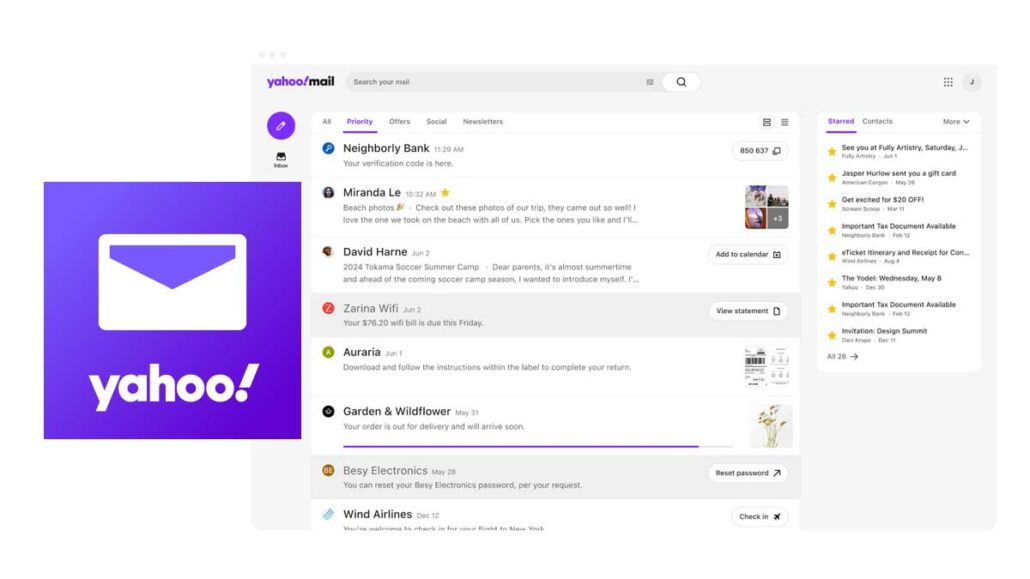
In today’s fast-paced digital world, email is more important than ever, and Yahoo Mail remains a favorite for millions globally. If you’ve ever typed “Open My Yahoo Mailbox Now” into your search bar quickly, this guide is just for you. Whether you’re trying to check a critical message or organize your inbox, this in-depth article walks you through every step, tip, and trick to access your Yahoo Mailbox quickly and securely in 2025.

Open My Yahoo Mailbox Now

Despite the rise of newer email platforms, Yahoo Mail still shines with its clean interface, robust spam filters, and generous storage. Its integration with news, finance, and lifestyle services also adds to the appeal, especially for long-time users. In 2025, Yahoo Mail continues to innovate while maintaining the familiarity users love.

Step-by-Step Guide to Open My Yahoo Mailbox Now

Opening your Yahoo Mailbox can be as easy as 1-2-3 if you know the right steps. Here’s how you can do it on various platforms.

Logging into Yahoo Mail on Desktop

  1. Visit mail.yahoo.com.
  2. Enter your Yahoo email address and click “Next”.
  3. Type in your password and click “Sign in”.
  4. You’re now inside your Yahoo Mail inbox!

Pro Tip: Bookmark the login page for quicker access next time.

Accessing Yahoo Mail via Mobile Browser

  1. Open your mobile browser.
  2. Type “mail.yahoo.com” in the address bar.
  3. Follow the same login steps as above.

This is handy if you don’t want to download the app.

Using the Yahoo Mail Mobile App

For daily users, the mobile app is a lifesaver:

  1. Download it from Google Play Store or Apple App Store.
  2. Open the app and log in.
  3. Enjoy instant push notifications and a smoother interface.

The app also supports multiple Yahoo accounts and customizable themes.

Troubleshooting Common Login Problems

Sometimes, even simple logins hit a snag. Let’s fix those.

Forgot Yahoo Email or Password

Use the “Forgot username/password?” link on the login page. Yahoo will guide you through a verification process via your recovery email or phone number.

Account Locked or Hacked

If your account is temporarily locked, Yahoo usually suggests a waiting period or password reset. For compromised accounts, visit the Yahoo Help Center for secure recovery options.

Two-Step Verification Issues

Make sure your recovery phone number is up to date. If you lose access to it, you’ll need to use your backup email or answer security questions.

Optimizing Your Yahoo Mail Experience

Managing Inbox Organization

Use folders and filters to automatically sort emails. Create custom labels like “Bills”, “Work”, or “Family”.

Activating Spam Filters and Settings

Go to Settings → More Settings → Filters. Set rules to keep spam at bay and only see what matters.

Using Yahoo Mail Search Tools Effectively

Use keywords, sender’s name, or date filters in the search bar to find any lost email quickly.

Yahoo Mail Features You Should Know

Yahoo Mail is more than just an inbox. It offers several robust features designed to enhance your email experience.

Smart Views and Folder Management

Smart Views automatically categorize your emails into relevant groups like “Photos”, “Documents”, and “Travel.” This helps you locate important emails without sifting through your entire inbox. You can also create custom folders to group messages your way—great for organizing receipts, project communications, or family messages.

Integration with Yahoo Calendar and Contacts

Yahoo Mail seamlessly connects with Yahoo Calendar, making it easier to track events or schedule meetings from your inbox. Similarly, your contacts are synced across devices, ensuring you never lose touch with your important connections. You can import contacts from other accounts like Gmail or Outlook too.

Attachment and File Management

Yahoo Mail offers a straightforward interface for managing attachments. Whether you’re opening, downloading, or previewing files, the platform keeps it simple. Attachments are automatically scanned for viruses, so you can feel confident about what you’re clicking on.

Yahoo Mail Security Tips for 2024

Security is more important than ever. Here are ways to keep your Yahoo Mail account safe and sound.

Enabling Two-Factor Authentication (2FA)

Two-factor authentication adds an extra layer of protection. Even if someone gets your password, they can’t access your account without a verification code sent to your mobile device. To enable it:

  1. Go to your Account Security page.
  2. Turn on “Two-step verification.”
  3. Add your phone number and verify it.

Recognizing and Avoiding Phishing Emails

Always double-check the sender’s email address. If an email claims to be from Yahoo but uses a strange domain or asks for personal information, it’s probably a scam. Never click on suspicious links or download unknown attachments.

Keeping Your Yahoo Account Secure

  • Regularly update your password.
  • Don’t reuse passwords from other sites.
  • Review your account activity often for unfamiliar sign-ins.
  • Use a secure, up-to-date browser or app.

Comparing Yahoo Mail with Other Email Providers

Curious how Yahoo Mail stacks up? Let’s break it down.

Yahoo Mail vs Gmail

  • Storage: Yahoo offers 1TB of free storage, far more than Gmail’s 15GB.
  • Ads: Gmail’s interface is cleaner, while Yahoo shows more promotional content.
  • Integration: Gmail works better with Google services, but Yahoo wins in customization.

Yahoo Mail vs Outlook

  • Design: Outlook has a sleeker, business-like interface.
  • Features: Both support calendar integration, but Yahoo offers more storage.
  • Speed: Outlook generally loads faster, while Yahoo focuses more on user experience.

Each platform has its perks, but Yahoo remains a top choice for those who value space and simplicity.

How to Recover a Deleted Yahoo Mail Account

If you accidentally deleted your Yahoo account or haven’t used it in a while, recovery might still be possible:

  1. Visit the Yahoo Sign-In Helper.
  2. Enter your recovery email or phone number.
  3. Follow the prompts to reactivate your account.

Keep in mind, Yahoo may permanently delete accounts after 12 months of inactivity.

Frequently Asked Questions (FAQs)

How do I open my Yahoo Mailbox right now on my phone?

You can open your Yahoo Mailbox on your phone either through a mobile web browser by visiting mail.yahoo.com and signing in with your email and password, or by using the dedicated Yahoo Mail app, which you can download from the Google Play Store (for Android) or the App Store (for iOS).

What if I forgot my Yahoo Mail password?

On the Yahoo Mail login page, click the “Forgot password?” link. You will be guided through a process to recover your password, usually involving verifying your identity through a recovery email address or phone number associated with your account.

Why can’t I open my Yahoo Mail even though I’m entering the correct password?

There could be several reasons:

  • Caps Lock is on: Passwords are case-sensitive.
  • Browser issues: Try clearing your browser’s cache and cookies or using a different browser.
  • Account lockout: If you’ve tried to log in too many times with the wrong password, your account might be temporarily locked.
  • Two-step verification: If enabled, you need to enter a verification code in addition to your password.
  • Yahoo Mail service outage: Check if Yahoo Mail is experiencing any temporary issues.

Can I have multiple Yahoo Mail accounts open at the same time?

Yes, you can open multiple Yahoo Mail accounts simultaneously by using different web browser windows or different browsers. However, the Yahoo Mail app typically only allows you to be logged into one account at a time, although you can easily switch between accounts within the app.

Is it safe to keep my Yahoo Mail account open on a public computer?

It is generally not recommended to keep your Yahoo Mail account open on a public computer. Always remember to sign out completely after you are finished to prevent unauthorized access to your emails and personal information.

How do I update the Yahoo Mail app on my phone?

  • Android: Open the Google Play Store, search for “Yahoo Mail,” and if an update is available, you will see an “Update” button. Tap it.
  • iOS: Open the App Store, tap on your profile icon in the top right corner, and scroll down to see a list of apps with available updates. Find Yahoo Mail and tap “Update” next to it.

Where can I get help if I’m still having trouble opening my Yahoo Mailbox?

You can find helpful resources and support articles on the official Yahoo Help Central website. Search for “Yahoo Mail login issues” or browse the relevant help topics.

What are the benefits of using the Yahoo Mail app compared to a web browser on mobile?

The Yahoo Mail app often provides a more streamlined and integrated experience with features like push notifications for new emails, easier management of multiple accounts, and potentially better performance and battery optimization compared to using a web browser.

How can I secure my Yahoo Mail account?

You can secure your Yahoo Mail account by using a strong, unique password, enabling two-step verification, keeping your recovery information updated, being cautious of suspicious emails, and regularly reviewing your account activity.

Is Yahoo Mail free to use?

Yes, Yahoo Mail offers a free email service with a significant amount of storage. They also offer paid premium plans with additional features and benefits.

Conclusion

By now, you should feel confident answering the question, “How do I open my Yahoo Mailbox now?” Whether you’re on your laptop at work or checking messages on your phone during a commute, Yahoo Mail offers flexible, secure, and user-friendly access from anywhere.

Understanding its features, keeping your account secure, and troubleshooting login problems can help you stay productive and connected. So open your Yahoo Mailbox now, and take full advantage of everything this powerful platform has to offer.

Spypoint.com Login – Login to your Spypoint account

0

Spypoint is a leading brand in the world of trail cameras and wildlife monitoring technology. Their cameras are renowned for their innovation, reliability, and seamless integration with the Spypoint web portal and mobile app. Accessing your Spypoint account through the Spypoint.com login is the gateway to managing your cameras, viewing your photos and videos, adjusting settings, and taking full advantage of the features your Spypoint devices offer.

Spypoint.com Login

This in-depth guide will walk you through everything you need to know about the Spypoint.com login process, ensuring you can easily access your account and maximize your Spypoint experience.

What is Spypoint.com?

Spypoint.com is the official website for Spypoint, a leading brand specializing in trail cameras and wireless technology for outdoor and wildlife enthusiasts. Through this platform, users can monitor their cameras, manage data, and adjust settings remotely — making it easier than ever to keep track of wildlife or property from afar.

Importance of Spypoint.com Login for Trail Camera Users

Logging into Spypoint.com isn’t just about checking pictures. It’s a gateway to a world of features, including:

  • Viewing real-time images from your trail cameras.
  • Managing settings remotely.
  • Upgrading or modifying your subscription plans.
  • Accessing firmware updates and troubleshooting tips.

Without a successful login, users miss out on the full power and convenience that Spypoint offers.

How to Access Spypoint.com Login Page Easily

How to Navigate to Spypoint.com

Start by opening your preferred web browser (like Chrome, Safari, or Edge). In the address bar, simply type www.spypoint.com and hit enter.

Finding the Login Button

Once you’re on the homepage:

  1. Look at the top right-hand corner.
  2. Click the “Login” button.
  3. Select either “Webapp Login” for camera management or “Account Login” for subscriptions and settings.

Step-by-Step Spypoint.com Login Process

Creating a New Account on Spypoint

If you’re new:

  1. Click “Sign Up” below the login box.
  2. Enter a valid email address.
  3. Create a strong password.
  4. Agree to the Terms and Conditions.
  5. Confirm your email via the verification link sent to your inbox.

Logging into an Existing Spypoint Account

  1. Enter your email address and password.
  2. Click “Login”.

Access your dashboard where you can view your camera feeds and account settings.

Troubleshooting Login Issues

If your credentials don’t work:

  1. Double-check for typos.
  2. Ensure your Caps Lock isn’t on.
  3. Try resetting your password if necessary.

Common Problems with Spypoint.com Login and How to Fix Them

Forgotten Password Recovery

Click “Forgot Password” under the login fields. Enter your registered email, and follow the reset instructions sent to your inbox.

Account Lockout Solutions

After too many failed attempts, accounts may lock temporarily. Wait 30 minutes or contact Spypoint support for quicker assistance.

Browser or App Issues

Sometimes, browser settings like cookies or cached data may cause problems. Clear your cache or try logging in from a different device.

Spypoint App Login vs Website Login: Key Differences

Benefits of Using the Mobile App

  • Real-time notifications.
  • Easier access while in the field.
  • Offline image storage.

Benefits of Using the Website Portal

  • Full access to camera settings.
  • Better viewing on larger screens.
  • Easier management of multiple devices.

Managing Your Account After Spypoint.com Login

Updating Profile Information

From your dashboard:

  1. Navigate to “Account Settings.”
  2. Update your name, password, and email.

Managing Camera Settings

  1. Add or remove cameras.
  2. Customize settings like picture intervals and detection sensitivity.
  3. View data usage and battery levels.

Security Tips for Safe Spypoint.com Login

Setting a Strong Password

Use a password that’s at least 12 characters long with numbers, symbols, and both uppercase and lowercase letters.

Enabling Two-Factor Authentication

Spypoint encourages users to set up two-factor authentication (2FA) for an extra layer of security against hacking attempts.

Spypoint Subscription Plans Overview Post-Login

Free vs Paid Plans

Spypoint offers both free and paid subscriptions. Free users get basic image viewing, while paid users enjoy unlimited storage, faster updates, and premium support.

Choosing the Best Plan for You

Choose based on:

  • The number of cameras you have.
  • How often you check your camera feeds.
  • Whether you need premium support.

Maximizing Your Spypoint Account After Login

Once you have successfully logged in to your Spypoint account on Spypoint.com, you can access a wide range of features, including:

  • Viewing Photos and Videos: Browse through the media captured by your connected Spypoint cameras. You can view, download, and manage your files.
  • Camera Management: Configure settings for your cameras remotely, such as transmission frequency, photo resolution, video length, and more.
  • Firmware Updates: Keep your cameras up-to-date with the latest firmware to ensure optimal performance and access to new features.
  • Subscription Management: If you have a data transmission plan, you can manage your subscription, view usage, and upgrade or change plans as needed.
  • Mapping and Location Services: Some Spypoint cameras offer GPS tracking, allowing you to view the location of your cameras on a map within the portal.
  • Activity Logs and Notifications: Monitor the activity of your cameras and manage notifications for new photos or videos.
  • Sharing and Collaboration: Some features allow you to share access to your cameras or media with other users.
  • Support and Resources: Access helpful articles, FAQs, and contact customer support if you need assistance.
  • SPYPOINT INSIDER Club: Depending on your subscription and camera models, you might have access to exclusive features and benefits through the SPYPOINT INSIDER Club.

Optimizing Your Spypoint Experience

To make the most of your Spypoint account, consider the following tips:

  • Keep Your Login Credentials Secure: Use a strong, unique password for your Spypoint account and avoid sharing it with others.
  • Regularly Update Your Password: It’s a good security practice to change your password periodically.
  • Explore the Web Portal and Mobile App: Familiarize yourself with all the features and settings available on both platforms to customize your experience.
  • Utilize Data Plans Effectively: Choose a data plan that suits your needs and monitor your usage to avoid overages.
  • Keep Your Cameras Updated: Regularly check for and install firmware updates for your Spypoint cameras to ensure optimal performance.
  • Organize Your Media: Use the tools within the portal or app to organize your photos and videos for easy access and management.
  • Leverage Notifications: Set up notifications to stay informed about new activity from your cameras in real-time.

FAQs

Here are some frequently asked questions regarding spypoint.com login:

What is Spypoint.com?

Spypoint.com is the official website for Spypoint, a company that designs, manufactures, and sells trail cameras and related accessories. The website serves as a platform for users to learn about products, purchase them, access customer support, and, most importantly, log in to their account to manage their Spypoint cameras.

Why do I need to log in to Spypoint.com?

Logging in to your Spypoint account on Spypoint.com allows you to access and manage various features related to your Spypoint trail camera(s). This includes viewing and managing photos and videos, adjusting camera settings remotely, monitoring camera status (battery, signal), managing subscriptions for cellular models, and updating firmware.

What information do I need to log in to my Spypoint account?

You need the email address and password that you used when you created your Spypoint account.

I forgot my Spypoint password. How can I reset it?

On the Spypoint.com login page, click on the “Forgot Password” or a similar link. You will be prompted to enter the email address associated with your account. Spypoint will then send you an email with instructions on how to reset your password. Follow the steps in the email to create a new password. 1

Conclusion

The Spypoint.com login is your key to unlocking the full potential of your Spypoint trail cameras. By following this comprehensive guide, you should be able to easily access your account, troubleshoot common login issues, and effectively manage your Spypoint devices and media. Remember to keep your login credentials secure and explore the various features available to optimize your wildlife monitoring experience. Whether you’re a hunter, wildlife enthusiast, or property owner, the Spypoint ecosystem provides powerful tools to help you stay connected to the outdoors.

When Insurance Totals Your Car

0

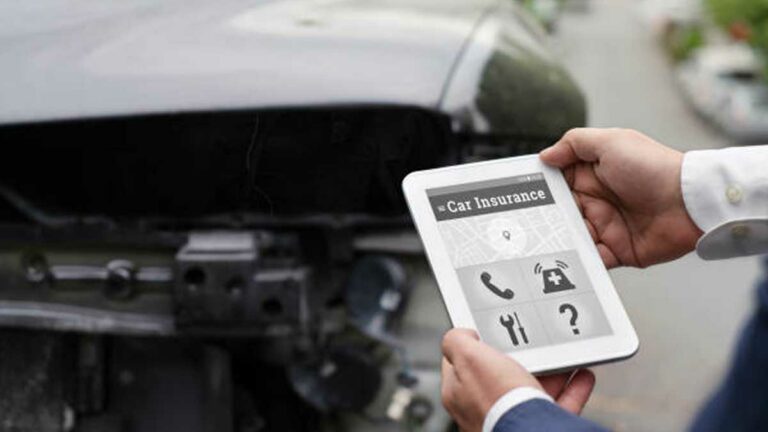
Imagine the aftermath of a major accident or a natural disaster. Your car’s crumpled hood, shattered glass, or water-soaked interior leaves you with one pressing question: “Is this fixable, or will my insurer total it?” This situation can feel overwhelming, but understanding what it means when insurance totals your car can help you regain control and make smart decisions.

When Insurance Totals Your Car

When your insurance company declares your vehicle a total loss, they’re essentially saying, “Fixing it costs more than it’s worth.” The insurer assesses the damage and compares the repair costs to the actual cash value (ACV) of your vehicle before the incident. If repairs exceed a certain percentage of the car’s value, usually around 70% to 80%, depending on your state, they label it as totaled.

This process isn’t just about numbers; it’s also about safety and liability. Even if repairs are possible, they might not restore the vehicle to its pre-accident condition, especially when structural integrity is compromised.

And here’s a curveball: you don’t have to agree with their decision. You can challenge the payout or even choose to keep your vehicle, though this opens up a whole new can of worms with salvage titles and potential out-of-pocket expenses.

Total Loss Defined by Insurers  

“Total loss” might sound final, and in many ways, it is. For insurance purposes, it means that the cost of repairing your car, including parts, labor, and any related expenses, is more than the vehicle’s pre-damage ACV.

Let’s say your 2015 Toyota Camry is worth $8,000, and the repairs after an accident are estimated at $7,200. Your insurer might total the car because the repair cost nears 90% of its value. This decision is heavily influenced by your state’s total loss threshold (TLT), which defines how close the repair cost must be to the vehicle’s value before it’s declared a loss.

The important thing here is that insurance companies are not just protecting you—they’re also protecting themselves from financial risk and potential liability if the car isn’t properly repaired.

How Insurance Companies Determine a Total Loss

Totaling a car isn’t a guesswork game. Insurers rely on specific formulas to reach this conclusion, primarily using the Actual Cash Value (ACV) and the Cost of Repairs.

Here’s the common formula:

  • If Repair Cost + Salvage Value > ACV, the car is declared a total loss.

For example, if your vehicle’s ACV is $10,000 and repairs are $8,000 with a salvage value of $3,000, the math doesn’t favor repair. The total ($11,000) exceeds the car’s worth, so it gets totaled.

Insurance companies often use third-party databases and valuation tools (like Kelley Blue Book or CCC ONE) to calculate ACV, factoring in mileage, condition, local market prices, and even recent maintenance or upgrades.

But beware—they might undervalue your car. That’s why it’s critical to gather evidence: maintenance records, photos, and comparable listings from your area can help if you want to dispute their estimate.

Common Causes That Lead to a Total Loss

While collisions are the leading cause of total loss declarations, they’re certainly not the only culprits. Several situations can render your vehicle unfit for safe operation or financially unreasonable to repair. Here are the most common scenarios:

  • Severe Collisions: High-impact crashes that damage the frame, engine, or transmission often result in a total loss.
  • Flood Damage: Water intrusion, especially into the electrical and mechanical systems, usually leads to irreparable damage.
  • Fire: Whether due to an engine malfunction or an external blaze, fire damage can quickly render a car beyond salvageable.
  • Theft Recovery: If your stolen car is found vandalized, stripped of parts, or too damaged to justify repairs, insurers may total it.
  • Natural Disasters: Events like hurricanes, tornadoes, or earthquakes can crush, submerge, or otherwise ruin a vehicle.
  • Multiple Claims History: If a car has a record of several accidents, the current damage might push it over the edge in value terms.

Every situation is unique, but the underlying theme is always the same: fixing it just doesn’t make financial sense—for the insurer or sometimes even for you.

Role of Adjusters in Declaring Total Loss              

Once you’ve filed a claim, an insurance adjuster steps in to assess the damage and determine the car’s fate. Their job? To act as the middleman between you and the insurance company, evaluating the scene and the extent of damage with an expert eye.

Here’s what they typically do:

  • Inspect the car in person or through photos.
  • Review police reports, repair shop estimates, and towing costs.
  • Calculate the ACV using market tools and data.
  • Determine the repair-to-value ratio to see if it meets or exceeds the total loss threshold.

Adjusters are trained professionals, but remember—they work for the insurance company. So while most are fair and thorough, it’s always wise to stay informed, ask questions, and even seek a second opinion if the numbers don’t sit right with you.

State-by-State Total Loss Thresholds     

Here’s where things get really interesting—and a bit complicated. Total loss thresholds (TLTs) vary by state. Some states require that repair costs exceed a set percentage of the vehicle’s value, while others use a formula-based approach known as the Total Loss Formula (TLF).

Here are a few examples:

  • Florida: Uses an 80% threshold. If repairs are 80% or more of the car’s ACV, it’s totaled.
  • California: Uses the Total Loss Formula, meaning if repairs + salvage value exceed ACV, it’s a total loss.
  • Texas: Uses 100% of the ACV as the threshold.
  • Indiana: Has a 70% threshold.

Because these rules differ so widely, it’s essential to check your specific state laws or speak with your adjuster for clarity.

This variation is why two cars with identical damage can be totaled in one state and repaired in another. Wild, right?

Actual Cash Value vs. Replacement Cost              

This part right here? It’s where most confusion—and frustration—kicks in. Understanding Actual Cash Value (ACV) versus Replacement Cost is key to knowing why your insurance payout might feel… underwhelming.

Actual Cash Value is the standard method insurers use to determine what your car was worth just before the incident. It takes the original price and deducts depreciation based on age, mileage, wear and tear, and market conditions.

Replacement Cost, on the other hand, would pay you enough to buy the same make and model new, or at least a comparable one in current condition.

Unfortunately, most policies only cover ACV unless you’ve purchased replacement cost coverage—which is rare for auto insurance and more common in homeowners policies.

So when you hear, “We’ll write you a check for $7,000 for your 2016 SUV,” and you know you paid $24,000 just a few years back, it’s not personal. It’s the math of depreciation.

Depreciation and Its Impact on Total Loss Claims

Depreciation is like that invisible passenger riding in your car the moment you drive off the lot. Your car starts losing value immediately, typically 15% to 25% each year. By year five, you’re often down to less than half of what you originally paid.

Here’s how depreciation plays into a total loss:

  • Year 1–2 cars will usually have a higher ACV and might not be totaled unless the damage is extensive.
  • Year 5+ vehicles are more susceptible to being totaled, even with what seems like minor damage, simply because the car’s market value is already low.

Insurers factor in everything—condition, mileage, previous accidents, and local resale values. Even cosmetic issues like dents or faded paint can affect the ACV.

This is why keeping up with maintenance, having detailed records, and even investing in minor cosmetic repairs can bump up your car’s value in a total loss claim. It’s not just about the engine—it’s about the whole package.          

GAP Insurance and Total Loss   

Here’s where GAP insurance (Guaranteed Asset Protection) becomes your financial safety net—and why every new car buyer should seriously consider it.

GAP insurance covers the “gap” between what your car is worth (ACV) and what you still owe on your loan or lease. It’s especially crucial if:

  • You put down a small or no down payment.
  • You’re leasing or financing over a long term (60+ months).
  • Your car depreciates faster than you’re paying it off (hello, luxury models and new tech-heavy rides).

Here’s a quick example:

  • You owe $22,000 on your loan.
  • The car is totaled, and your insurer says its ACV is $17,000.
  • GAP insurance covers the $5,000 difference, so you’re not stuck paying for a car you can’t drive.

Without GAP, you’d be on the hook for the remainder, even after the car is gone. That’s a painful place to be.

Steps to Take Immediately After a Car Is Totaled

If your vehicle gets totaled, time is of the essence. Following these smart, proactive steps can help you navigate the process more efficiently and minimize stress:

1. File a Claim Immediately

Contact your insurer as soon as possible. Provide all necessary documentation, including your driver’s license, registration, and insurance policy number.

2. Document Everything

Take photos of the car from every angle, including interior damage. If it’s safe, get images before it’s towed. Collect receipts for recent repairs or upgrades—they can help boost your car’s value.

3. Get the Police Report

Especially in collision cases, a police report adds legitimacy to your claim and helps insurers verify liability.

4. Retrieve Your Belongings

Before the vehicle is towed or moved to a salvage yard, clean it out. Don’t forget garage remotes, sunglasses, charging cables, or personal paperwork.

5. Notify the DMV and Lienholder

If you have a loan, your lender has a stake in the car. They’ll be involved in the settlement. Also, check with your DMV for required steps like license plate returns or title transfer.

6. Pause Payments and Subscriptions

If you had automatic payments for toll tags, vehicle tracking, or even SiriusXM, cancel or transfer them. No sense paying for a car that’s no longer in your driveway.

What Happens to the Vehicle After It’s Declared a Total Loss?

Once the insurer declares your car a total loss, it usually becomes salvage. Here’s what typically happens:

  • Ownership Transfers to the Insurer: In most cases, you sign over the title to your insurer in exchange for the payout.
  • Vehicle is Auctioned or Sold for Parts: Insurers often sell totaled cars to salvage yards or at auction. These vehicles are then stripped for parts or resold with salvage titles.
  • You May Be Offered a Buy-Back Option: If you want to keep the car, the insurer deducts the salvage value from your settlement, and you assume ownership, along with repairs and legal responsibilities.

Important note: If you keep the car, you’ll likely receive a salvage or rebuilt title, which can limit future insurance options and drastically reduce resale value.

How to Negotiate a Total Loss Settlement

Yes, you can negotiate. And in many cases, you should. Here’s how to do it effectively:

1. Review the Insurer’s Valuation Report

Ask for a detailed copy showing how they arrived at your car’s value. Look for errors like wrong trim level, missing features, or incorrect mileage.

2. Provide Your Own Comparables

Use listings from reputable sites like Edmunds, Kelley Blue Book, or Autotrader. Show three to five similar vehicles in your area with prices that support your argument.

3. Present Maintenance and Upgrade Records

New tires, a recent timing belt, or custom sound system? Document those investments—they count toward value.

4. Get a Third-Party Appraisal

If there’s a significant dispute, hiring an independent appraiser could help swing the numbers in your favor.

5. Be Persistent but Polite

Keep the conversation professional. Claims adjusters can be flexible, especially if you come armed with solid facts.               

Can You Keep a Totaled Car?     

Surprisingly, yes—you can keep your totaled car. But it’s not as simple as parking it back in your driveway and driving off. Here’s how it works:

Opting for a “Retained Salvage”

If you decide to keep your totaled vehicle, your insurer will deduct the salvage value from your payout. For instance, if your car’s ACV is $10,000 and its salvage value is $2,000, you’ll get a check for $8,000 and keep the car.

Things to Consider Before Keeping It

  • State Laws Vary: Some states have strict rules about retaining a salvage vehicle. You may be required to apply for a salvage title and later a rebuilt title if you want to drive it again.
  • Insurance Issues: Many insurers won’t provide full coverage for a car with a salvage or rebuilt title. At best, you might get liability-only coverage.
  • Resale Value: Rebuilt title vehicles sell for significantly less, even if fully repaired.
  • Safety Concerns: If the frame or airbags were compromised, it’s not always safe—even after repairs.

Keeping your car might make sense if it’s repairable and you’re emotionally or financially attached, but it comes with long-term consequences. Weigh those carefully.

The Role of Salvage Value in Total Loss Claims

Salvage value is what your totaled vehicle is worth in its damaged state—essentially what someone would pay to buy it for parts or rebuilding. Insurers use this number in their total loss formula:

  • If Repair Costs + Salvage Value > Actual Cash Value, your car is totaled.

The salvage value directly impacts your payout, especially if you choose to retain the vehicle. The higher the salvage value, the less cash you receive.

Factors That Influence Salvage Value:

  • Make and Model: Popular vehicles have higher salvage values due to greater demand for parts.
  • Extent of Damage: A lightly damaged car is worth more in salvage than a completely mangled one.
  • Age and Mileage: Newer, lower-mileage cars fetch higher salvage prices.
  • Location: Regional demand and scrap metal prices can influence the salvage market.
  • Pro tip: Ask your insurer how they calculated salvage value. In some cases, it may be negotiable or based on bids from salvage yards.

Rental Car Coverage During a Total Loss Claim

Getting your car totaled is stressful enough. Not having transportation while you wait for the claim to resolve? Even worse. That’s where rental reimbursement coverage comes into play.

What It Covers:

  • A rental car for a set number of days (typically 30) or until your claim is resolved.
  • Daily limits often range from $30 to $50.

How to Use It:

  • Ask your insurer to authorize the rental and book through their approved vendors.
  • You may need to pay out-of-pocket and get reimbursed, depending on your policy.

When It Ends:

  • Coverage usually ends when a settlement check is issued or you decline the rental.
  • If you delay your claim, you might run out of coverage before getting a new vehicle.

Don’t assume you have rental coverage—it’s often an optional add-on. If your policy doesn’t include it, you could be footing the entire bill.

Insurance Payout Timeline for a Totaled Car

One of the biggest questions people ask after their car is totaled: “When will I get my check?” The answer? It varies, but here’s what you can generally expect.

Typical Timeline:

  • Claim Filing: Immediate – you should do this as soon as the accident happens.
  • Inspection & Valuation: Within 1 to 3 days of filing, depending on the availability of adjusters and vehicle access.
  • Payout Offer: You may receive a settlement offer within 7–10 business days after valuation.
  • Final Payment: Once you sign the necessary paperwork (including title transfer), the check is usually issued within 3–5 business days.

Delays Can Happen Due To:

  • Disputes over the car’s value
  • Issues with lienholders (loan payoff takes priority)
  • Waiting on police or accident reports
  • You deciding to keep the car (adjusts payout amount)
  • High volume of claims (e.g., post-hurricane or hailstorm)

Pro Tip: Be proactive. Call regularly, submit documents promptly, and keep everything organized to avoid unnecessary lags.

When the Payout Doesn’t Cover the Car Loan

This is one of the most financially painful parts of a total loss scenario. If your car’s ACV is less than your loan balance, you’re what the industry calls “upside-down.”

Let’s break it down:

  • Loan Amount: $22,000
  • Insurance ACV Payout: $17,000
  • Gap Owed: $5,000

If you don’t have GAP insurance, you’re on the hook for that $5,000—and you still need another vehicle.

How to Handle It:

  • Check for GAP Coverage: It may be included in your loan, lease, or full coverage plan.
  • Negotiate with Lender: Some lenders will roll the unpaid balance into a new loan, but this can raise your future monthly payments.
  • Consider a Rebuild: If the damage is mostly cosmetic and the car can be safely repaired, you might opt to fix it and keep it—though this comes with risks.

Best advice? When buying or financing a car, especially one with a small down payment, GAP insurance is your financial safety net.

Can You Dispute the Insurer’s Decision?

Absolutely. If you think the insurer lowballed your vehicle’s value or unfairly declared it totaled, you can push back—and often with good results.

Steps to Dispute a Total Loss or Valuation:

  1. Request Their Report: Get a copy of the valuation and review it for errors—mileage, model, condition, etc.
  2. Submit Your Evidence: Bring receipts, photos, maintenance records, and 3–5 local listings of similar vehicles.
  3. Hire a Third-Party Appraiser: They can offer an unbiased valuation, which may carry more weight in your negotiations.
  4. File a Complaint: If negotiations fail, file a complaint with your state’s Department of Insurance or consider arbitration.
  5. Consider Legal Action: If the dispute involves a large sum or bad-faith actions by the insurer, you may want to consult an attorney.

Insurance companies aren’t infallible. Many claimants successfully dispute offers and receive better settlements, especially when they present solid evidence.

Frequently Asked Questions (FAQ’s):

What’s the difference between actual cash value (ACV) and market value?

While often used interchangeably, ACV specifically refers to the fair market price of your vehicle immediately before the damage occurred, taking depreciation and condition into account. Market value is a broader term for what a similar vehicle might sell for in the current market.

Can I keep my totaled car?

Yes, in most cases, you have the option to keep your totaled car. However, the insurance company will deduct its salvage value from your settlement, and you’ll receive a salvage title, which can impact future insurance and resale.

How is the actual cash value (ACV) of my car determined?

Insurance companies typically use industry-standard valuation guides (like Kelley Blue Book or NADAguides) and consider factors such as your car’s make, model, year, mileage, condition, and any added features. They may also look at recent sales of comparable vehicles in your area.

What if I disagree with the insurance company’s valuation of my car?

You have the right to negotiate. Provide evidence supporting your claim for a higher value, such as recent listings or sales of similar vehicles in good condition. You can also hire an independent appraiser.

Will totaling my car affect my insurance rates?

Yes, filing a claim, especially if you were at fault for the accident, can potentially lead to an increase in your insurance premiums upon renewal.

What is gap insurance, and do I need it?

Gap insurance (Guaranteed Asset Protection) is an optional coverage that can pay the difference between what you still owe on your car loan or lease and the ACV your insurance company pays out if your vehicle is totaled. It’s particularly beneficial if you purchased a new car or have a long loan term.

How long does the total loss process usually take?

The timeline can vary depending on the complexity of the accident, the insurance company’s processes, and state regulations. It can take anywhere from a few days to a few weeks. Prompt communication and providing all necessary information quickly can help expedite the process.

What happens to my car loan if my car is totaled?

Your insurance settlement will typically be paid to you and your lender (if you have one). The remaining loan balance will be paid off first, and you’ll receive any leftover funds. This is where gap insurance can be crucial if your loan balance is higher than the ACV.

Can I transfer my license plates to a new car after my car is totaled?

State laws regarding license plate transfers vary. Contact your local Department of Motor Vehicles (DMV) or equivalent agency to understand the specific regulations in your state.

What if the accident wasn’t my fault?

If the other driver was at fault, their insurance company should cover your damages, including the total loss of your vehicle. You would typically file a claim with their insurer. Your own collision coverage can also be used, and your insurance company may then subrogate (seek reimbursement) from the at-fault driver’s insurer.

In Conclusion

Having your car totaled can be a stressful experience, but understanding the insurance process can empower you to navigate it more effectively. By knowing your rights, understanding how ACV is determined, and being prepared to negotiate, if necessary, you can work towards a fair settlement and get back on the road.

Insurance or Registration First – Know the Right Order

0

Registering a car is a rite of passage for every vehicle owner, but one question often arises: Should you get insurance or registration first? This seemingly simple question can lead to major headaches if you get the order wrong. Why? Because in most states, you can’t even begin the registration process without showing proof of insurance. On the flip side, without a car to insure, how do you even get coverage? It’s a catch-22 that every new or used car buyer has to unravel.

insurance or registration first

To answer this properly, we have to look at what both processes require, state regulations, and some real-world scenarios that could trip you up. The goal? To save you time, money, and legal troubles.

Understanding Vehicle Insurance and Registration

Before deciding which one comes first, it’s essential to understand what insurance and registration are, and why they matter.

What is Vehicle Insurance?

Vehicle insurance is a legal agreement between you and an insurer. It protects you financially if you’re involved in an accident, your car is damaged, or you’re responsible for injuries or damages to others.

Common types of auto insurance include:

  • Liability Insurance – Covers others’ damages if you’re at fault.
  • Collision Insurance – Covers your vehicle if it hits another car or object.
  • Comprehensive Insurance – Covers non-collision events like theft, fire, or natural disasters.
  • Uninsured Motorist Insurance – Helps if the other driver lacks insurance.

Almost every U.S. state requires at least liability insurance before you can legally drive—or even register—a vehicle.

What is Vehicle Registration?

Vehicle registration is a formal process where the state recognizes your vehicle as road-legal. Once you register, you receive:

  • A license plate or tag
  • A registration sticker
  • A vehicle registration certificate

The Department of Motor Vehicles (DMV) uses this system to track ownership, enforce emissions laws, and collect road use taxes.

Vehicle Ownership Process

Before diving into the “which comes first” debate, let’s unpack what it means to take ownership of a vehicle. Whether you’re buying new, used, from a dealer, or a private seller, you’ll go through these core steps:

  • Obtain the title and bill of sale
  • Secure auto insurance coverage
  • Visit your local DMV or use their online portal
  • Submit proof of insurance, ID, and vehicle documents
  • Pay fees and taxes
  • Get license plates and registration

Now, in most states, insurance must be in place before registration happens. You simply cannot register an uninsured vehicle. Think of insurance as your ticket to even enter the DMV queue.

What Comes First: Insurance or Registration?

So, what’s the official answer? Insurance first. Almost every state requires you to present valid proof of insurance before they’ll even look at your registration paperwork. The reason is simple — states want to make sure that if you’re on the road, you’re financially responsible in case of an accident. Driving uninsured? That’s not only illegal in most places, but it could lead to severe fines or even jail time.

Why Insurance Before Registration Matters

Imagine walking into the DMV, forms in hand, and they ask for your proof of insurance… but you don’t have any. You’re turned away. That’s how it works in most states — you must show active insurance coverage before you can register your vehicle.

Why is this so critical?

  • Legal Compliance: Every state (except New Hampshire and Virginia under specific conditions) mandates liability insurance before registration.
  • Proof of Responsibility: Insurance proves you can cover damage or injuries if you’re in an accident.
  • DMV Systems Are Linked: In many states, the DMV system verifies your insurance electronically, and without that confirmation, your registration process halts.

So, getting insured first is not just smart — it’s essential.

The Legal Requirements in Most U.S. States

Every state sets its own rules, but many follow the same general pattern.

DMV Policies Across States

In most states, you must provide proof of insurance before you can register your vehicle. Why? Because state governments want to ensure that all vehicles on the road are financially covered in case of an accident.

States that commonly require insurance first include:

  • California
  • Texas
  • Florida
  • New York
  • Illinois

A few states have grace periods or alternate procedures, but even they usually require proof before issuing permanent plates.

Penalties for Non-Compliance

Trying to register a car without proper insurance—or worse, driving without registration—can land you in hot water. Potential penalties include:

  • Fines ranging from $100 to $500+
  • Towing or impoundment of your vehicle
  • Points on your driver’s license
  • Increased insurance premiums later

So, while it might feel like a chicken-or-the-egg situation, skipping either step is a costly mistake.

Should You Get Insurance or Registration First?

Why Insurance Usually Comes First

Here’s the deal: you generally can’t register a car without insurance. Most DMVs require you to submit:

  • Proof of minimum liability insurance
  • A valid ID
  • The car title or bill of sale

Since insurance proof is on the list, it logically and legally comes before registration.

Scenarios Where You Might Register First

There are a few exceptions to the rule:

  • Private sales where temporary plates are issued
  • States offering a short grace period to secure insurance
  • Cars bought at auction, where dealers help with registration

Even then, you’re usually not allowed to drive without insurance, so it’s best to get covered first.

How to Get Insurance Before Registration

Getting insured before you register is simpler than you might think.

Documents You Need for Insurance

To get insured, you typically need:

  • A valid driver’s license
  • Vehicle Identification Number (VIN)
  • Purchase agreement or title
  • Your address and driving history

Once you provide these, you can usually get a quote and bind a policy the same day.

Choosing the Right Insurance Provider

When shopping around, look for:

  • Competitive rates and discounts
  • Strong customer service ratings
  • Flexible coverage options
  • Online policy management tools

Websites like NerdWallet or The Zebra can help compare quotes quickly.

Steps to Register Your Vehicle After Insurance

Once you have proof of insurance in hand, it’s time to head to the DMV.

Required Documents for Registration

Bring the following to register your vehicle:

  • Proof of insurance
  • Driver’s license
  • Vehicle title or bill of sale
  • Emissions test results (if required)
  • Odometer disclosure (for used cars)
  • Payment for registration fees

How to Register a New vs. Used Car

  • New cars from dealerships often include temporary tags and pre-filled paperwork.
  • Used cars may require more documentation, especially in private sales.

Special Circumstances and Exceptions

There are always unique situations that might affect whether you need insurance or registration first. Let’s explore some of the most common ones.

Temporary Tags and Permits

If you purchase a vehicle from a dealership, they’ll often issue temporary tags that allow you to drive legally while you complete registration. These tags typically last for 30 days, giving you time to finalize your insurance and registration documents.

For private purchases, you may need to apply for a temporary operating permit or trip permit from your local DMV. These are also usually issued only after you show proof of insurance.

Buying Out-of-State Vehicles

Purchasing a vehicle out of state? Things get a bit more complex.

  • You’ll need to insure the vehicle first, even before bringing it into your home state.
  • Then, you must register it with your local DMV, often within a limited number of days (e.g., 30 days).
  • Be prepared to pay use tax and meet local inspection or emissions requirements.

Some states may even require VIN verification before completing the registration.

Expert Tips for a Smooth Process

Navigating insurance and registration doesn’t have to be stressful if you plan ahead.

Bundling Services for Convenience

  • Car dealerships often offer services to handle both insurance and registration on your behalf.
  • Some insurance companies partner with DMVs or offer digital proof directly accessible by state agencies.
  • Online platforms now allow you to register your car in certain states without visiting the DMV.

These bundles can save you time, reduce errors, and simplify paperwork.

Avoiding Common Mistakes

Here are some common pitfalls—and how to dodge them:

  • Misplacing documents like your insurance card or title
  • Letting insurance lapse after registration—this can suspend your plates
  • Choosing insufficient coverage just to register
  • Ignoring deadlines for registration or emissions checks

Always double-check DMV and insurance requirements in your state to avoid surprises.

FAQs

Do I need insurance to register a car in all US states?

Yes, almost all states in the USA require you to have valid car insurance before you can register your vehicle. Providing proof of insurance is a standard part of the vehicle registration process.

What happens if I try to register my car without insurance?

If you attempt to register your vehicle without providing valid proof of insurance, your registration application will likely be denied. You will not be able to obtain license plates or a registration certificate until you can demonstrate that you have the required insurance coverage.

Can I get temporary registration without insurance?

In some limited circumstances, you might be able to obtain a temporary registration permit. However, even for temporary registration, many states still require you to have at least the minimum required insurance coverage. It’s best to check your state’s specific rules.

I just bought a car. Can I drive it home without insurance or registration?

Generally, driving a newly purchased vehicle without insurance is illegal. While some states might offer a short grace period, it’s crucial to obtain insurance immediately after purchasing a vehicle. For registration, you might have a brief period to get it registered, but insurance is usually a prerequisite, even for this short period. Check your state’s laws regarding new vehicle purchases.

What kind of insurance do I need for registration?

You will typically need to have at least the minimum liability insurance coverage as mandated by your state. This coverage helps pay for damages or injuries you might cause to others in an accident. You will need to provide proof of this minimum coverage during the registration process.

How can the DMV verify my insurance?

Many states have electronic verification systems that allow the DMV to directly check with your insurance company to confirm your coverage. However, you should still carry physical or digital proof of insurance as required by your state.

What information do I need to provide to get car insurance before registration?

When obtaining car insurance, you will typically need to provide information such as your driver’s license details, driving history, the Vehicle Identification Number (VIN) of the car you want to register, the make, model, and year of the vehicle, and how you intend to use the vehicle.

If I move to a new state, can I register my car with my old state’s insurance?

No, generally, you will need to obtain car insurance in your new state of residence before you can register your vehicle there. Each state has its own insurance requirements, and you’ll need a policy that complies with those specific regulations.

What if my insurance lapses after I register my car?

Allowing your insurance to lapse after registration is a serious offense. Many states have systems in place to detect uninsured vehicles, and you could face penalties such as fines, license suspension, and vehicle impoundment if you are caught driving without valid insurance. It’s crucial to maintain continuous insurance coverage.

Where can I find information about my state’s specific insurance and registration requirements?

The best source of information for your state’s specific insurance and registration requirements is your state’s Department of Motor Vehicles (DMV) website (or the equivalent agency in your state). You can usually find detailed information, required documents, and contact information there.

Final Thoughts on Insurance or Registration First

The debate over insurance or registration first isn’t really a debate at all when you dig into the legal and practical requirements. In nearly every case, you must have insurance before you can legally register a vehicle. Trying to do it backward can result in unnecessary delays, added costs, and potential legal trouble.

The good news? With a little prep — like getting a VIN, shopping for insurance early, and organizing your document, you can streamline the entire process. Whether you’re a first-time buyer, upgrading your ride, or moving states, the smart move is always to insure first, register second.

Drive smart, stay covered, and enjoy the open road with confidence!

Insurance Like Hugo – Top Insurance Competitors and Alternatives

0

Hugo Insurance is a relatively new auto insurance market player known for offering ultra-flexible, short-term car insurance plans. Its standout feature is the ability to pause coverage anytime—ideal for people who drive occasionally. But while it sounds perfect on paper, this type of insurance may not be suitable for every driver in the long run.

Insurance Like Hugo

Hugo Insurance offers a unique approach to car insurance, allowing drivers to purchase coverage in short increments, such as three, seven, 14, or 30 days, as well as six months. This model particularly benefits individuals who drive infrequently or have fluctuating driving patterns. Key features include no down payment requirements, the ability to toggle coverage on and off, and a straightforward online platform for managing policies.

What Makes Hugo Different?

Unlike traditional insurers, Hugo allows you to “buy insurance by the day,” which is particularly appealing for gig workers or infrequent drivers. You can pause and restart your coverage through its mobile app, helping users avoid paying for idle time.

Common Limitations with Hugo Insurance

Despite the flexibility, Hugo’s plans often come with higher per-day costs and limited policy options. Some users also report a lack of robust customer support or in-depth policy features like comprehensive or collision coverage. This has prompted many drivers to explore alternatives offering more stability, better service, and broader coverage.

Why Consider Alternatives to Hugo Insurance?

While Hugo’s model is innovative, it doesn’t suit everyone. Whether you’re looking for full-time coverage, lower premiums, or stronger customer support, exploring other options can be a smart move.

Pricing Flexibility

Many insurers now offer dynamic pricing models that can compete with Hugo, especially if you qualify for discounts or bundle multiple policies.

Coverage Options

Traditional insurers usually provide a wide variety of coverages, including liability, collision, comprehensive, uninsured motorist, and even roadside assistance, many of which Hugo doesn’t offer.

Customer Service & Claims Process

Top-rated insurers provide 24/7 claims support, local agents, and online claim tracking—elements that are either missing or underdeveloped with Hugo.

Factors to Evaluate When Choosing an Auto Insurance Provider

Before switching from Hugo, consider these important elements:

Financial Stability

Choose insurers with strong ratings from agencies like A.M. Best or Moody’s. This reflects their ability to pay out claims reliably.

Customer Reviews and Satisfaction

Check out platforms like J.D. Power, Trustpilot, and BBB to see how existing customers rate their experiences, especially during the claims process.

Policy Customization

If you want the freedom to build a policy that fits your lifestyle, look for providers offering optional add-ons like rental reimbursement, gap coverage, or accident forgiveness.

Best Overall Alternative to Hugo Insurance: GEICO

Why GEICO is a Great Pick

GEICO combines affordability, extensive coverage options, and reliable customer service. Their mobile app and 24/7 service make them a tech-forward insurer with national reach.

GEICO Pricing and Discounts

GEICO offers multi-policy, good driver, military, and student discounts that can significantly cut your premiums.

Best for Budget-Conscious Drivers: Progressive

Snapshot Program for Savings

Progressive’s Snapshot tool monitors your driving habits and offers discounts for safe behavior, making it ideal for responsible drivers looking to save.

Transparent Pricing Structures

Progressive allows customers to compare rates and coverage levels online easily, giving you control and clarity over your insurance decisions.

Most Comprehensive Coverage: State Farm

Local Agent Availability

State Farm offers a personalized experience with a nationwide network of agents who can assist with everything from policy customization to filing a claim. This personal touch makes it easier for customers who prefer human interaction over digital-only platforms.

Robust Policy Add-Ons

State Farm provides a full suite of coverage options, including rental reimbursement, roadside assistance, and rideshare coverage. Their comprehensive insurance products ensure that you’re protected in a wide range of scenarios.

Best for Young and New Drivers: Root Insurance

App-Based Driver Monitoring

Root Insurance uses telematics to monitor your driving habits through its smartphone app. Drivers with safe habits can earn steep discounts—sometimes over 50%—making it one of the best Hugo Insurance alternatives for younger or first-time drivers.

Root’s Innovative Model

Unlike traditional insurers, Root places more emphasis on how you drive rather than who you are (age, credit score, etc.), providing a more personalized rate structure that favors safe driving over demographics.

Best for High-Risk Drivers: The General

Accessibility and Ease of Signup

The General is known for accepting drivers who may have difficulty obtaining coverage elsewhere due to past driving violations, low credit scores, or a lapse in coverage.

Pros and Cons for High-Risk Users

While premiums can be higher, The General offers flexible payment options and instant coverage—which can be crucial for drivers in urgent need of insurance.

Best for Pay-As-You-Go Policies: Metromile

Usage-Based Billing Model

Metromile calculates your premiums based on how much you drive, making it a solid Hugo alternative for low-mileage drivers. You pay a base rate plus a few cents per mile.

Ideal User Profiles

Perfect for city dwellers, remote workers, or anyone who uses their vehicle sparingly, Metromile helps you avoid overpaying for unused mileage.

Best Customer Satisfaction: USAA

Who Qualifies for USAA?

USAA is available to military members, veterans, and their families. If you qualify, you’re getting access to one of the most trusted and customer-focused insurance providers in the country.

Member Benefits and Savings

With high marks in claims satisfaction and exclusive military discounts, USAA also offers perks like accident forgiveness and vehicle storage options for deployed service members.

Best for Customization: Allstate

Drivewise and Milewise Options

Allstate’s Drivewise rewards safe driving behavior with discounts, while Milewise is designed for pay-per-mile users. These innovative tools put control in the driver’s hands.

Policy Bundling Benefits

From home and renters to life insurance, bundling with Allstate often results in multi-policy discounts and simplified billing, making it more economical and convenient.

Best Digital Experience: Lemonade Car Insurance

Tech-First Approach

Lemonade is disrupting the insurance world with AI-powered underwriting and instant approvals. Everything from quotes to claims can be handled via a sleek mobile app.

AI-Driven Claims Handling

With Lemonade’s bots, some claims are processed in as little as 3 minutes, providing a lightning-fast experience rarely seen in traditional insurance companies.

Best Regional Insurers to Consider

While national names get the spotlight, regional companies often provide excellent service and competitive rates tailored to local needs.

Auto-Owners Insurance

Highly rated for customer satisfaction and financial stability, Auto-Owners works through a network of independent agents and is known for personal service.

Erie Insurance

Erie provides one of the most customizable auto insurance policies in the industry and is particularly well-regarded in the Mid-Atlantic and Midwest regions.

How to Switch from Hugo to a New Insurance Provider

Steps to Cancel Your Current Policy

Before canceling Hugo, be sure to:

  1. Secure a new policy first to avoid gaps.
  2. Contact Hugo’s support through their app or website to cancel.
  3. Request a cancellation confirmation in writing.

Avoiding Gaps in Coverage

Even a one-day lapse can increase future premiums. Always ensure your new policy is active before terminating the old one.

Frequently Asked Questions about Hugo Insurance Alternatives

Are there better short-term car insurance options than Hugo?

Yes, Metromile and Allstate’s Milewise offer excellent short-term and pay-as-you-go alternatives, especially for low-mileage drivers.

Which company offers the best app-based insurance?

Lemonade and Root Insurance are leading in the digital space with user-friendly apps and AI-powered services.

Can I switch insurers mid-policy term?

Yes, you can switch anytime. However, ensure you won’t incur cancellation fees and that there’s no gap in your coverage.

Is usage-based insurance cheaper?

For safe and infrequent drivers, yes. Usage-based insurance like Root and Metromile can offer major savings.

What are the risks of switching too often?

Frequent switching might affect your perceived stability and could raise flags for some insurers, potentially leading to higher premiums.

How do I get the best quote comparison?

Use online aggregators, but also check with individual insurers directly. Some companies offer exclusive discounts not available through third-party sites.

Conclusion

Choosing the right car insurance can feel like a daunting task, especially with so many innovative providers offering flexible, usage-based policies. Hugo Insurance revolutionized the market with its short-term, pay-as-you-go model, but it’s not the only game in town. Whether you’re looking for more privacy, better rates, or broader availability, there’s likely a provider out there that fits your needs even better.

Insurance With No License – What You Need to Know

0

In today’s fast-paced world, car ownership is not solely restricted to drivers. There are many reasons someone might own a vehicle without holding a valid driver’s license, ranging from health issues and age-related conditions to legal restrictions or even preparatory ownership for a new driver in the family. That said, the topic of insurance with no license can seem confusing and even contradictory at first glance.

Insurance With No License

Yes, it’s possible to get car insurance without having a driver’s license. However, there’s nuance; what kind of insurance, the provider, and even your state laws all play a part. In this guide, we’ll dive deep into what’s allowed, what’s risky, and how you can navigate the world of car insurance even if you’re not legally allowed to drive.

Insurance companies are fundamentally in the business of mitigating risk. Even if you’re not behind the wheel, the car you own could be. You might lend it to a family member, hire a driver, or even lease it out. Regardless of the situation, insuring your vehicle protects not just your asset but your liability.

What Does Insurance With No License Mean?

Insurance with no license refers to obtaining a valid auto insurance policy despite not having a driver’s license. While it may sound counterintuitive, after all, insurance is generally associated with driving; it’s actually a feasible and sometimes necessary arrangement. Whether you’re a vehicle owner who doesn’t drive or someone dealing with a suspended license, there are legitimate ways to get coverage.

This type of insurance protects the insured vehicle and provides financial coverage in the event of an accident, theft, or other incidents, even if the policyholder isn’t the one driving. Insurance companies assess risks differently in these cases, often requiring a licensed primary driver to be listed on the policy.

Is It Legal to Get Insurance Without a License?

The legality of getting car insurance without a license varies by state and insurer. No federal law outright bans insurance for unlicensed individuals, but each state has rules on vehicle registration, liability, and coverage. In general, it’s legal; however, most insurers require a licensed driver to be associated with the policy, even if that person isn’t the car’s owner.

Some insurance providers will issue a policy under your name if you declare a licensed “primary driver” who regularly operates the vehicle. This ensures that the insurer knows who is behind the wheel and can evaluate the driving history for rate-setting purposes.

Who Can Get Insurance Without a Driver’s License?

Many individuals can benefit from insurance without a license. Common eligible groups include:

  • Senior citizens who no longer drive but still own a vehicle.
  • Disabled individuals who employ a caretaker or chauffeur.
  • Vehicle collectors or hobbyists storing cars not for regular use.
  • Parents or guardians purchasing a car for a teen driver.
  • Individuals with suspended or revoked licenses who want to maintain coverage.

In these cases, the car owner might not drive, but insurance is still crucial to protect the asset and comply with state laws regarding liability.

Why Would Someone Need Insurance With No License?

There are several valid and practical reasons someone may need insurance without a license:

  • Asset protection: A car is a valuable asset. Insurance protects it from vandalism, theft, fire, or natural disasters.
  • Third-party liability: If someone else drives your car and causes damage, you could be held responsible without insurance.
  • Vehicle financing: Most banks and lenders require full insurance coverage on financed vehicles, regardless of the owner’s driving status.
  • Avoiding lapses in coverage: A lapse in car insurance history can increase premiums later, even if you aren’t driving now.

So, whether you’re prepping for a future driver or managing a legal situation, having auto insurance in place is often not just wise, but necessary.

Common Scenarios for Needing Insurance With No License

Some real-life scenarios where insurance without a license is practical include:

  • A widow or widower who inherits a vehicle but doesn’t drive.
  • A car enthusiast storing collectable cars.
  • An immigrant awaiting approval for a driver’s license but already owns a car.
  • A professional driver’s employer, such as a nanny or a personal chauffeur arrangement.
  • Someone temporarily unable to drive due to medical conditions or suspension.

Each scenario highlights the ongoing need for insurance coverage, even without driving privileges.

Insuring a Car for a Family Member or Caregiver

Many people own a vehicle for someone else’s use—a teen child, an elderly parent, or a caregiver. In these cases, you can still be the policyholder. The key is naming the primary driver clearly in the policy documentation. The insurer will base premiums on that person’s driving history and other risk factors.

While some companies may raise concerns about non-standard setups, many are accustomed to insuring cars under these conditions, especially with the right documentation.

Can You Register a Vehicle Without a License?

In most states, you can register a vehicle without a driver’s license, though it’s not without complications. Some DMVS may require a state-issued photo ID or other proof of ownership.

However, you must still meet legal insurance requirements to register the car, and that’s where things can get tricky. Without a license, obtaining insurance is harder, but not impossible.

A growing number of insurers accommodate this need, especially if a licensed driver is listed on the policy.

Adding a Licensed Driver to the Policy

The most effective workaround is naming a licensed driver on the insurance policy. This driver becomes the one legally responsible for the vehicle’s operation. Ideally, this should be someone who will regularly drive the car—a spouse, relative, caregiver, or trusted friend.

Some insurance companies refer to this as the “principal operator.” By including their driver’s license information, insurers can properly assess risk and issue a valid policy.

SR-22 Insurance Without a License

In certain cases, especially involving DUI or traffic-related offences, you may be required to file an SR-22 certificate of financial responsibility. Surprisingly, even if your license is suspended or revoked, you can obtain SR-22 insurance.

This proof shows the state that you’re financially capable of covering accident-related costs. While not all companies provide SR-22 insurance without a license, specialised providers do exist.

Risks of Driving Without Insurance and a License

Let’s be clear—driving without a license and insurance is a serious offence. It can result in:

  • Hefty fines and legal penalties
  • Vehicle impoundment
  • Criminal charges in some states
  • Loss of driving privileges
  • Higher future insurance premiums

Never attempt to operate a vehicle unless you’re fully licensed and insured. This article focuses on ownership, not unauthorised operation.

Legal Workarounds for Getting Insured Without a License

If you’re facing resistance from mainstream insurers, there are a few legal strategies you can use:

  • Exclude yourself as a driver on the policy. This tells the insurer you won’t be driving and willn’t affect rates based on your lack of a license.
  • Use an insurance broker who specialises in high-risk or non-standard insurance policies.
  • Purchase non-owner car insurance if you need coverage but don’t own a car.
  • Provide a licensed primary driver, as mentioned earlier.

Each method has trade-offs, but these workarounds ensure you remain legally covered.

Insurance Options for Suspended License Holders

Having your license suspended doesn’t mean you’re permanently locked out of insurance. Maintaining continuous coverage during a suspension period can save you from a premium hike later.

Here’s how you can manage insurance with a suspended license:

  • Keep your policy active to avoid a lapse.
  • Switch to parked car or comprehensive-only insurance if you’re not using the car.
  • File an SR-22 if your state requires one to reinstate your license.

Staying insured during a suspension is often seen as a responsible move by insurance companies.

State-by-State Rules for Unlicensed Insurance

Different states have different regulations about insuring a vehicle without a license. Some states are more lenient and only require a government-issued ID, while others might enforce stricter proof of driving authorisation.

Here are a few examples:

StateUnlicensed Insurance AllowedSpecial Requirements
CaliforniaYesMust list a licensed driver
FloridaYesMay require additional forms
TexasYesSR-22 often required
New YorkLimitedRequires proof of insurable interest
IllinoisYesNamed driver policies are available

Always check with your local DMV or a licensed insurance agent for up-to-date info.

What Documentation Is Required?

To apply for insurance without a license, you typically need:

  • A valid government-issued photo ID
  • Vehicle registration information
  • Vehicle identification number (VIN)
  • A licensed primary driver’s info
  • Proof of address
  • SR-22 form, if applicable

Providing complete and accurate documents will ease the underwriting process and improve your chances of approval.

Types of Auto Insurance Available Without a License

There’s a misconception that only liability coverage is available to unlicensed owners. Not true! Depending on the provider, you may access:

  • Liability insurance
  • Comprehensive coverage
  • Collision coverage
  • Uninsured motorist protection
  • Non-owner car insurance

The type of coverage you’re eligible for depends largely on the insurer’s policy and your stated use of the vehicle.

Becoming a Named Insured Without Driving

Many insurers allow non-drivers to be listed as the “named insured” while excluding them from driving duties. In this setup, you’re still the policyholder and retain control over the policy, even if you don’t drive.

This structure is useful for:

  • Managing costs and payments
  • Maintaining insurance records
  • Coordinating with drivers and garages
  • Filing claims in your name

It gives you legal and administrative control without affecting driving-based risk assessments.

How Policies Are Structured for Unlicensed Owners

A typical policy for someone without a license may include:

  • A licensed primary driver
  • An excluded non-driving owner (you)
  • Vehicle-based coverage rather than driver-based
  • Additional conditions or restrictions

The structure ensures insurers are covered legally while giving non-drivers the peace of mind of being protected.

Top Insurers Offering Insurance With No License

While not all insurance companies provide coverage to unlicensed individuals, some well-known names that may accommodate these situations include:

  • The General
  • Dairyland
  • Bristol West
  • Progressive (via brokers)
  • GEICO (case-by-case)

Working with a knowledgeable broker can open up options beyond mainstream offerings.

How to Get a Quote Without a License

Getting a quote without a license may take a bit more effort, but it’s doable. Here’s how:

  1. Contact insurance brokers who work with high-risk drivers.
  2. Specify that you’re not the driver but need to insure a vehicle.
  3. Provide all relevant documents and the primary driver’s info.
  4. Ask for quotes from multiple providers.

Online quote systems may not accommodate this request, so direct phone calls or visits are often more effective.

How Much Does It Cost to Insure Without a License?

Insurance rates can vary significantly depending on:

  • Who the primary driver is
  • The type and value of the vehicle
  • Where do you live
  • Your insurance history
  • Whether an SR-22 is involved

Expect premiums to be higher than average, especially if there are complications such as a suspended license or high-risk drivers involved.

How Underwriters Evaluate Unlicensed Applicants

Insurance underwriters focus on the following:

  • The risk profile of the primary driver
  • Vehicle usage and storage
  • History of insurance claims
  • The applicant’s intent (personal use, business, etc.)

They need to see that despite your lack of license, the policy has a low likelihood of triggering high-cost claims.

Alternatives to Traditional Auto Insurance

If you’re unable to secure traditional insurance, consider these alternatives:

  • Non-owner car insurance: Great for people who drive occasionally but don’t own a vehicle.
  • Parked car insurance (comprehensive-only): Covers theft, vandalism, and natural damage if the car isn’t driven.
  • Usage-based insurance: Some insurers offer telematics-based policies that reward infrequent driving.
  • Commercial policies: For business-owned vehicles not driven by the owner.

These options can offer adequate protection without requiring a driver’s license.

What Is Non-Owner Car Insurance?

Non-owner car insurance is designed for individuals who don’t own a car but occasionally drive one that belongs to someone else. It typically includes:

  • Liability coverage
  • Medical payments
  • Uninsured/underinsured motorist protection

This type of policy doesn’t cover damage to the vehicle you’re driving, but it satisfies legal insurance requirements in most states.

It’s perfect for:

  • Rented or borrowed cars
  • Ride-share drivers with specific contract rules
  • Suspended-license drivers needing SR-22 filings

Insurance for Non-Drivers Who Own Commercial Vehicles

Business owners who don’t drive but own commercial vehicles must still carry insurance. In this case:

  • List employees or contractors as primary drivers
  • Get a commercial auto insurance policy
  • Ensure proper licensing and documentation of drivers

Non-driver business owners are common in industries like logistics, transport, and service delivery. As long as coverage is properly assigned, insurance can be secured.

Getting Insurance for Teen Drivers Without a License

Some parents pre-purchase a vehicle for their teenager and want to get insurance before they’re licensed. Here’s what you can do:

  • Get a quote listing yourself as the owner and your teen as a pending or future driver.
  • Add the teen once they receive a learner’s permit.
  • Include yourself or another licensed adult as the primary driver initially.

Many insurers are flexible in working with families during this transition.

Why Some Seniors Need Insurance Without Driving

Senior citizens might stop driving due to health concerns, but still own a car for:

  • Family or caregiver use
  • Emergencies
  • Legal purposes (estate, registration, etc.)

Keeping the vehicle insured avoids costly reinstatements and provides peace of mind. Seniors can designate a family member or caregiver as the driver on the policy.

Medical Conditions and Unlicensed Insurance

Certain medical issues, like epilepsy, dementia, or impaired vision, may disqualify individuals from driving. However, they may still own and insure a car by:

  • Excluding themselves as drivers
  • Naming another licensed driver on the policy
  • Securing non-driving ownership documentation

This setup is recognized by most insurers, especially when documented properly.

Penalties for Driving Without Insurance or a License

Operating a vehicle without a license and insurance can lead to:

  • License suspension or jail time
  • Large fines or legal fees
  • Vehicle impoundment
  • Difficulty obtaining insurance later

States view this as a high-risk, potentially criminal offence. It’s vital to separate owning from operating when exploring insurance options without a license.

Final Thoughts on Insurance With No License

Navigating insurance with no license may seem daunting, but it’s far from impossible. Whether you’re a car owner who doesn’t drive, a caregiver managing someone else’s transportation, or simply in a transitional phase of licensing, there are legal, valid ways to protect your vehicle and yourself.

Always be honest with insurers, document everything, and consider using brokers who understand non-standard insurance needs. By taking the right steps, you can secure financial protection and peace of mind—without ever getting behind the wheel.

View My Emails on Gmail – Access Your Inbox

0

Whether you’re a busy professional, student, or casual user, staying on top of your Gmail inbox is crucial. If you’ve ever thought, “How do I quickly view my emails on Gmail?”—you’re not alone. This guide will walk you through the best and easiest ways to access your Gmail inbox across all your devices and maximize your Gmail experience. Easily view and access all your emails on Gmail. Log in to your Gmail account to check your inbox, read messages, send emails, and manage your communication.

View My Emails on Gmail

With email still being a central form of communication, especially for work and personal updates, accessing Gmail efficiently can save you time and hassle. Gmail remains one of the most user-friendly and secure email platforms available in 2025, and knowing how to navigate it effectively is essential.

Logging into Gmail Easily

Step-by-Step Login Guide on Desktop

  1. Open your web browser and go to https://mail.google.com.
  2. Enter your Gmail email address.
  3. Click “Next.”
  4. Enter your password and click “Next” again.
  5. You’ll be taken straight to your inbox.

How to Log In via Mobile Devices

  1. Download the Gmail app from the Google Play Store or Apple App Store.
  2. Open the app and tap “Sign in.”
  3. Enter your email address and password.
  4. You’re now ready to view your emails on the go!

Navigating the Gmail Interface

Understanding the Gmail Dashboard

When you first log in, you’ll see your inbox front and center. On the left, there’s a sidebar with folders like Sent, Drafts, Spam, and Trash. At the top is a search bar to help you find emails quickly.

Labels, Tabs, and Categories

Gmail automatically organizes your emails into tabs:

  • Primary: Personal messages
  • Social: Notifications from social media
  • Promotions: Deals and newsletters

This layout helps you keep everything in order without lifting a finger.

How to View Emails in Different Folders

Primary, Social, and Promotions Tabs

Click each tab at the top of your inbox to switch between categories. Your most important emails will usually be under “Primary.”

Sent Mail, Drafts, Spam, and Trash

Want to find something you sent or deleted? Click the relevant label from the sidebar. Gmail stores these for 30 days before auto-deleting.

Using Search and Filters to Find Emails

How to Use the Search Bar

Just type a name, email address, or subject into the search bar at the top. Gmail will display all related messages.

Advanced Gmail Search Techniques

Use keywords like:

  • from:someone@example.com
  • has:attachment
  • before:2023/01/01

This makes finding old emails a breeze!

Organizing Emails for Easy Viewing

Archiving and Labeling

Archiving emails removes them from your inbox without deleting them. It’s perfect for decluttering while still keeping messages accessible. You can find archived emails by searching or opening the “All Mail” label.

Labels act like folders but more versatile. You can apply multiple labels to a single email—great for sorting by projects, clients, or personal categories.

Creating and Managing Filters

Filters automate email management. For instance, you can create a rule like:

“If email is from boss@example.com, apply the ‘Important’ label and skip the inbox.”

To set up filters:

  1. Click the gear icon and choose “See all settings.”
  2. Go to Filters and Blocked Addresses.
  3. Create new filters based on your preferences.

Setting Up Notifications for New Emails

Desktop Notification Setup

Want instant updates?

  1. Click the gear icon > “See all settings.”
  2. Scroll to Desktop Notifications.
  3. Choose to get alerts for all or important emails.

Make sure browser permissions allow Gmail notifications.

Mobile Email Alerts

On your phone:

  • Open the Gmail app
  • Tap the menu (☰) > Settings
  • Select your account > Notifications > Choose “All” or “High priority only”

Now, you’ll never miss an email again.

Accessing Gmail Offline

Enabling Offline Gmail

If you’re without Wi-Fi, Gmail can still work. Here’s how:

  1. Open Gmail settings.
  2. Click the Offline tab.
  3. Enable Offline Mail and choose sync preferences.

Now Gmail stores recent emails locally, so you can read and draft offline.

Limitations of Offline Access

  • You can’t receive new emails or send them until you’re online again.
  • Only recent messages (depending on settings) are available.

Using Gmail on Different Platforms

Gmail on Web Browsers

Gmail works best on Chrome, Firefox, Safari, and Edge. It’s optimized for speed and performance, especially in Chrome.

Gmail App for Android and iOS

Download it from the Google Play Store or App Store. It’s clean, fast, and syncs perfectly with your account.

How to Protect Your Gmail Account

Two-Step Verification

Add an extra layer of security:

  1. Visit Google Account Security.
  2. Enable 2-Step Verification.
  3. Choose to get a text, call, or prompt on your phone.

Recognizing Phishing and Scams

Avoid clicking links from unknown senders. Look for:

  • Misspelled email addresses
  • Urgent or threatening language
  • Unexpected attachments

When in doubt, don’t click!

Troubleshooting Login or Access Issues

Forgotten Password Recovery

  1. Click “Forgot password?” on the Gmail login screen.
  2. Follow the recovery steps using your backup email or phone.

Account Locked or Hacked

If your Gmail is compromised:

  • Visit Google Account Recovery
  • Secure your account and change passwords immediately

Tips for Managing a Crowded Inbox

Unsubscribing from Emails

Click the unsubscribe link at the bottom of newsletters or use Gmail’s smart unsubscribe suggestions.

Using Google’s Clean-Up Tools

In Gmail, click “Clean Up Inbox” or use tools like Google One storage manager to remove large or old emails.

Syncing Gmail with Other Email Clients

Setting Up Gmail on Outlook or Apple Mail

Use IMAP settings:

  • Incoming server: imap.gmail.com
  • Outgoing server: smtp.gmail.com
  • Enable “Allow less secure apps” if needed (or use app-specific passwords)

IMAP and POP Settings

Choose IMAP if you want synced access across multiple devices.

Use POP if you only check from one device.

Common Mistakes to Avoid

  • Accidentally Archiving Important Emails: Always double-check before archiving or moving emails. If you misplace something, search in “All Mail.”
  • Ignoring Security Warnings: Gmail flags suspicious logins or access attempts. Don’t ignore these! Secure your account immediately.

FAQ’s

How do I view all my emails in Gmail?

To view all your emails, simply open Gmail and navigate through your inbox, sent items, and other folders. You can also use the search bar to find specific emails or use “all mail” in the search bar.

How do I find old emails in Gmail?

Use the search bar with specific keywords, sender names, or dates. You can also use search operators like before:YYYY/MM/DD or after:YYYY/MM/DD to narrow down your search.

Can I view Gmail emails without an internet connection?

Yes, you can view previously downloaded emails in the Gmail app when offline. However, you won’t be able to receive new emails or perform actions that require an internet connection.

How do I organize my emails in Gmail?

Use labels, filters, and folders to organize your emails. You can also use stars to mark important emails.

How do I delete emails in Gmail?

Select the email(s) you want to delete and click the trash can icon. Deleted emails are moved to the Trash folder, where they are permanently deleted after 30 days.

How do I recover deleted emails in Gmail?

You can recover emails from the Trash folder within 30 days of deletion. After 30 days, emails are permanently deleted and cannot be recovered.

How do I search for emails from a specific sender?

Use the search operator from:sender@example.com in the Gmail search bar.

How do I view emails with attachments?

Use the search operator has:attachment in the Gmail search bar.

How do I mark an email as unread in Gmail?

Select the email, click the “More” icon (three vertical dots), and choose “Mark as unread.”

How do I print an email from Gmail?

Open the email, click the print icon (printer icon), and follow the prompts.

Conclusion

Learning how to view my emails on Gmail is easier than ever with today’s tools. From mobile alerts to desktop filtering, Gmail helps you stay organized, secure, and always connected. Whether you’re a newbie or just need a refresher, following these steps will make email management a breeze.